
Breakfast & Brunch
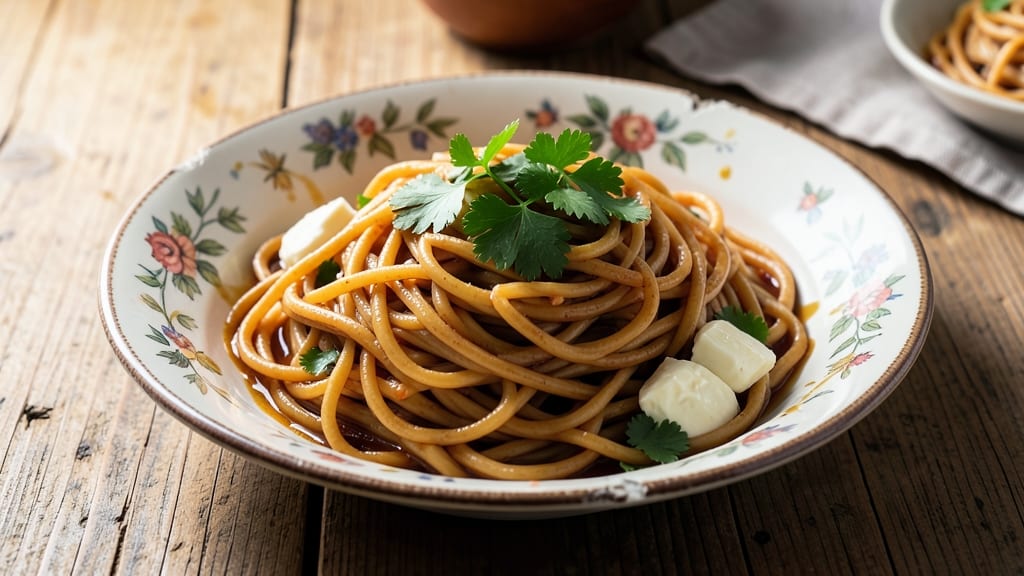
This traditional egg noodle recipe delivers the perfect balance of chewiness and tenderness—just like your grandmother used to make. The secret lies in the dough's simple ingredients and precise technique, which transform basic flour and eggs into noodles with an irresistible bite. I've perfected this method over years of testing, ensuring every batch turns out consistently delicious.
The key to authentic egg noodles is the dough itself—flour, eggs, water, and a pinch of salt create a smooth, elastic mixture that rolls out beautifully. No fancy equipment needed; just a rolling pin and a sharp knife for cutting.
The process is straightforward, but the results are anything but ordinary—these noodles hold their shape perfectly while absorbing flavors like a dream.
Once cooked, these noodles are incredibly versatile. Toss them with butter and parsley for a classic side, stir-fry them with vegetables and protein for a quick meal, or serve them in soups where they soak up every drop of broth.
The chewiness develops as they cook, making them satisfying in every bite.
With just 20 minutes of active time, you'll have homemade noodles that rival anything from a specialty store. The best part? They keep well in the fridge for a few days, so you can make a big batch and enjoy them all week.
Let's get started on making these traditional egg noodles!
Ingredients for traditional egg noodle
Seven simple ingredients transform into nostalgic, chewy noodles in minutes—no fancy tools needed.
| Ingredient | Amount | Notes |
|---|---|---|
| All-Purpose Flour 🌾 | 3 cups | Plus 2 tbsp for dusting |
| Large Eggs 🥚 | 4 whole | Room temperature preferred |
| Water 💧 | ½ cup | Cold, for elasticity |
| Kosher Salt 🧂 | ½ tsp | Diamond Crystal preferred |
| Unsalted Butter 🧈 | ¼ cup | Cold, for rolling |
| Fresh Parsley 🌿 | ¼ cup | Chopped, for finishing |
| Vegetable Oil 🫒 | 1 tbsp | For rolling pin |
The flour is everything here. King Arthur or Gold Medal brands give the best texture—light and airy but sturdy. I always grab a 5-pound bag from Costco for baking, but even the basic supermarket brand works. Room-temperature eggs mix in smoother, so pull them out 10 minutes before starting. The water should be cold—this keeps the dough from getting too sticky. If your kitchen's warm, chill it in the fridge for 10 minutes before using. Salt matters too: Diamond Crystal dissolves better than table salt, giving you that clean, bright flavor without overpowering the noodles.
No room-temperature eggs? Microwave them 40 seconds wrapped in a damp towel. Short on time? Lukewarm tap water works in a pinch, but cold is ideal. Want to skip the butter? Olive oil or coconut oil works just as well for rolling. The parsley is optional but adds that fresh, vibrant finish—flat-leaf if you've got it. If you're making a big batch, divide the dough into thirds and roll each separately to keep it manageable. The dough should be smooth but slightly tacky—if it cracks when rolling, add another teaspoon of water.
Fresh dough keeps 2 days wrapped in plastic in the fridge, or 3 months frozen between parchment sheets. Cooked noodles? 3 days in the fridge, but they're best fresh. I always make double—half for dinner, half for stir-fry the next night. For freezing, roll the noodles, freeze on a tray, then transfer to a bag. No thawing needed—just boil from frozen. The butter and parsley can wait until serving, so you're not dealing with melted butter in the fridge.
Why You'll Love This Recipe
- Pantry Staples Only: I swear, if you’ve got flour, eggs, and salt, you’re halfway there. No fancy ingredients—just the basics—and these noodles still turn out rich, tender, and just firm enough to hold sauce. The butter’s the real MVP here, giving them that golden, melt-in-your-mouth finish without a single fancy step.
- Butter-Kissed Richness: That first bite when you toss them in hot butter? Chef’s kiss. The eggs bind the dough so well, while the butter—just a few tablespoons worked right into the mix—creates this perfect balance: chewy outside, silky inside. No oil, no shortcuts, just pure, unapologetic flavor.
- Weeknight Workhorse: I make these at least twice a week because they’re that reliable. Freeze half the batch for lazy nights, or boil a big pot for meal prep—they reheat like a dream. Serve them plain with butter and salt for a simple dinner, or toss with any sauce, meat, or veggie. They’re the blank canvas of comfort food.
- Budget-Friendly Luxury: Honestly, this recipe feels like a splurge but costs pennies. A few eggs and a stick of butter stretch to feed four, and the leftovers? Even better the next day. It’s the kind of dish that makes you feel fancy without breaking the bank—especially when you’re stretching a grocery haul or feeding a crowd on a tight budget.
Step-by-step instructions for traditional egg noodles
Here's how to make authentic, chewy egg noodles that stay al dente every time.
Mix the Dough for Perfect Elasticity
On a clean surface, combine the 3 cups all-purpose flour and 0.5 teaspoon kosher salt. Create a well in the center and add the 4 whole large eggs and 0.5 cup cold water. The cold water helps create that signature chewy texture by slowing gluten development.
Using a fork, gently mix the ingredients until they begin to clump. Gradually incorporate the flour from the edges into the center, working with your hands to form a shaggy dough. Avoid overmixing—just until the dough comes together. This prevents tough noodles and ensures that lovely tender bite.
Knead Until Silky Smooth
Turn the dough onto a lightly floured surface and knead for 8-10 minutes by pressing down and folding the dough over itself. You're looking for a smooth, elastic texture that springs back when pressed. This kneading develops gluten, which gives the noodles their signature chew.
If the dough feels too sticky, add 1 tablespoon flour at a time, but don't overdo it—too much flour makes noodles dry. Wrap the dough in plastic wrap and let it rest for 20 minutes at room temperature. This resting period relaxes the gluten, making rolling easier and ensuring even thickness throughout.
Roll the Dough Thin for Perfect Noodles
After resting, divide the dough into 4 equal pieces (about 1 cup each). Working with one piece at a time, roll it into a thin sheet using a rolling pin. For even thickness, roll from the center outward, rotating the dough 90 degrees after each pass. Aim for about 1/16-inch thickness—this is key for that classic egg noodle texture.
If the dough sticks, lightly dust with flour, but don't overdo it. The 1 tablespoon vegetable oil reserved for the rolling pin helps prevent sticking and gives the dough a silky finish. Keep the remaining dough covered to prevent drying while you work.
Cut and Cook to Al Dente Perfection
Use a sharp knife or pasta machine to cut the rolled dough into 1/4-inch wide strips. For traditional egg noodles, cut them into 3-4 inch lengths. Immediately cook in a large pot of boiling salted water for 2-3 minutes—they should float to the surface when done. Drain and toss with the 0.25 cup chopped fresh parsley and 0.25 cup cold unsalted butter.
The butter and parsley add richness and freshness while keeping the noodles tender. For serving, toss with your favorite sauce or use them in soups and stir-fries. The key is to cook them just until al dente—they'll finish cooking in whatever dish you serve them in, maintaining that perfect bite.
Pro Tips For Making Traditional Egg Noodle
- Mix by Hand First: I learned this the hard way—skipping the hand-mix step leads to tough noodles. Use a fork to combine flour, eggs, and salt until you’ve got a shaggy, uneven dough before cranking up the mixer. The friction from your fingers helps distribute fat and gluten more evenly than a stand mixer alone.
- Chill the Dough: Sounds weird, but it works: wrap that dough in plastic and let it rest in the fridge for at least 30 minutes. This relaxes the gluten, preventing the noodles from shrinking or snapping when you roll them out. (Yes, even if you’re impatient like me.)
- Roll Thin, Cook Fast: Thinner noodles cook faster and soak up sauce better—aim for about 1/8-inch thickness. If you’re rolling by hand, use a well-floured rolling pin and re-flour the dough every few passes to avoid sticking. Overcrowding the pot later is a rookie move; cook in batches if needed.
- Butter the Water: Toss a pat of cold unsalted butter into the boiling water before adding the noodles. It melts just enough to coat them as they cook, adding richness without turning the water greasy. (Your future self will thank you—trust me.)
Troubleshooting this recipe
Dough Too Sticky?
If your dough feels too sticky while kneading, resist the urge to add too much flour—this can make your noodles dry. Instead, try wetting your hands slightly and kneading for another 2-3 minutes.
The cold water in the recipe helps with elasticity, but if your kitchen is warm, chill the dough for 10 minutes before kneading again. A well-kneaded dough should be smooth but slightly tacky—like Play-Doh. 💧
Noodles Stick Together
When cutting or cooking, noodles sticking together is usually a sign of uneven rolling or insufficient drying time. Let your rolled dough rest uncovered for 5 minutes before cutting to allow surface moisture to evaporate.
Use a sharp knife or pasta machine for clean cuts, and toss freshly cut noodles with a tiny bit of flour or cornstarch before cooking. This prevents clumping and ensures they cook evenly. 🔪
Dough Cracks While Rolling
Cracks in the dough mean it needs more resting time. If this happens, wrap the dough tightly in plastic and let it rest for an additional 15-20 minutes at room temperature. The gluten needs time to relax.
If you're in a hurry, cover the dough with a damp towel and microwave for 20 seconds—this temporarily softens the gluten for easier rolling. Always work with one piece of dough at a time to maintain consistency. 🌀
Noodles Turn Gummy
Gummy noodles usually mean overcooking or insufficient kneading. For al dente perfection, cook your noodles for exactly 2-3 minutes in boiling water—they should float but still have a slight bite. If they're already gummy, try undercooking them slightly (1-2 minutes) and finishing in sauce or stir-fry.
For future batches, ensure you knead for the full 8-10 minutes to develop proper gluten structure. 🍜
Dough Too Dry
If your dough feels dry or crumbly, it likely needs more liquid. Gradually add 1 teaspoon water at a time while kneading until the dough becomes smooth and elastic. Avoid adding too much at once—this can weaken the gluten.
If the dough still resists, let it rest for 5 minutes covered with a damp towel before attempting to knead again. The goal is a dough that's pliable but not sticky. 💧
Noodles Lose Shape
Noodles that fall apart while cooking often result from overworking the dough or cutting them too thin. Aim for a thickness of about 1/16-inch when rolling, and avoid excessive flour while cutting.
If using a pasta machine, start at the widest setting and gradually decrease to setting 3 or 4 for traditional egg noodles. Rest the dough between passes to maintain structure. 🎚️
Nutrition facts
Frequently asked questions
Can I make these egg noodles without a rolling pin?
If you don't have a rolling pin, use a heavy pan or even a wine bottle wrapped in plastic. Roll the dough between two sheets of parchment paper for easier handling. For extra-thin noodles, fold the dough in thirds and roll again. The key is patience—work slowly to get even thickness.
How do I store leftover egg noodles?
Freshly made noodles keep for 2 days in an airtight container in the fridge. For longer storage, freeze uncooked noodles on a tray first, then transfer to a bag. They'll last 3 months frozen. Cook from frozen by adding 1 minute to boiling time. Never freeze cooked noodles—they turn mushy.
What's the best way to cook these noodles?
Boil in salted water for exactly 2-3 minutes until they float. For stir-fries, undercook by 30 seconds so they finish cooking in the pan. To prevent sticking, add a splash of oil to the water. Drain immediately and toss with butter or sauce while hot to prevent clumping.
Can I add other ingredients to the dough?
Yes! For extra flavor, mix in 1 tablespoon grated Parmesan or 1 teaspoon dried herbs (like oregano or basil) with the flour. For a vibrant color, add 1 teaspoon turmeric or 1 tablespoon spinach puree. Keep additions to 10% of the flour to maintain texture. Avoid excess moisture from ingredients like fresh herbs.
Why are my noodles too thick/thin?
Thickness depends on rolling technique. For thin noodles (like tagliatelle), roll to 1/32-inch thickness. For thick noodles (like fettuccine), aim for 1/8-inch. Use a ruler or pasta chart as a guide. If your dough cracks, it needs more resting time. Always roll from the center outward for even pressure.