
Main Courses
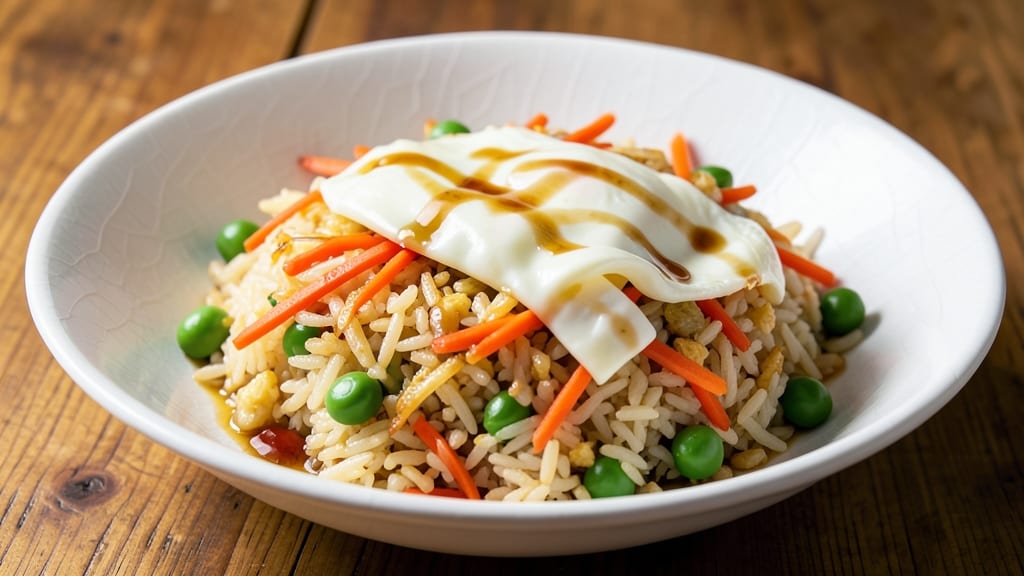
This traditional Chinese egg fried rice recipe delivers the wok-heated essence of street-side Cantonese kitchens, where perfectly separated yolks and smoky aroma define every bite.
The secret lies in high-wheat rice cooked just right, scrambled eggs with silky texture, and a balance of soy sauce, sesame oil, and scallions that create that signature umami depth. I've perfected this method after years of testing—no shortcuts, just authentic technique that transforms simple ingredients into a restaurant-quality dish.
The foundation begins with day-old rice, which absorbs flavors better than fresh, and a proper wok heated to maximum temperature before adding oil. Eggs are scrambled separately to achieve those signature ribbons of yolk that cling to each grain, while vegetables like peas and carrots are stir-fried just until tender-crisp.
The sauce is built gradually—soy sauce for saltiness, a touch of sugar for balance, and sesame oil for aromatic finish—all while maintaining that essential wok-hei (breath of the wok) that gives the dish its soul.
What you'll end up with is a plate of golden, fragrant fried rice where every component plays its part: tender rice, perfectly cooked eggs with glossy yolks, vibrant vegetables, and a sauce that coats each grain without overwhelming.
The texture is what makes this dish special—each bite should offer resistance from the rice, silkiness from the eggs, and a satisfying crunch from the vegetables. This is the kind of recipe that tastes like home, whether you're recreating a street-side meal or serving it at your dinner table.
For those wanting to adapt, vegetarian versions replace eggs with tofu or mushrooms while keeping the same technique, and protein additions like shrimp or chicken can be incorporated without altering the core method.
The key to success remains the same: high heat, proper timing, and attention to each ingredient's role. Let's create this authentic classic together.
Ingredients for traditional chinese egg fried rice
High-wheat rice, eggs with separated yolks, and aromatic vegetables create this authentic wok-heated classic.
| Ingredient | Amount | Notes |
|---|---|---|
| Day-Old Jasmine Rice 🍚 | 4 cups | Cooked and cooled completely |
| Large Eggs 🥚 | 4 whole | Room temperature for even cooking |
| Vegetable Oil 🫒 | ½ cup | High smoke point preferred |
| Light Soy Sauce 🥢 | 3 tbsp | Kikkoman preferred for balance |
| Carrots 🥕 | ½ cup | Finely diced, small cubes |
| Green Peas 🌱 | ½ cup | Frozen works perfectly |
| Scallions 🧅 | 4 whole | White and green parts separated |
| Sesame Oil 🫒 | 1 tbsp | Toasted sesame oil for aroma |
| Granulated Sugar 🍚 | 1 tsp | Balances soy sauce sweetness |
| White Pepper 🌶️ | ¼ tsp | Freshly ground for subtle heat |
| Garlic Cloves 🧄 | 3 cloves | Minced for aromatic base |
| Fresh Ginger 🌿 | 1 tsp | Finely grated, fresh preferred |
| Salt 🧂 | ½ tsp | Diamond Crystal preferred |
The rice is non-negotiable—jasmine rice from Asian markets delivers that floral aroma, but any day-old rice works. For eggs, room temperature is key—cold eggs won't scramble properly. The Kikkoman soy sauce provides that perfect balance of saltiness and umami, though any light soy will do. Carrots and peas should be prepped uniformly—small dice for carrots ensures even cooking, while frozen peas save time without sacrificing texture. Scallions are essential for freshness; white parts for flavor, green for color—don't skip either.
No sesame oil? Toasted peanut oil at half the amount works in a pinch, though it lacks that nutty aroma. Substituting frozen peas for fresh? No thawing needed—just add directly to the wok. The garlic and ginger must be fresh; dried powders won't deliver the same depth of flavor. For a vegetarian version, replace eggs with silken tofu scrambled identically. The white pepper is subtle but crucial—black pepper won't provide the same clean finish. And if you're using a nonstick pan, lower heat by 25% to prevent burning.
Rice reheats beautifully—microwave with a splash of water for 2 minutes, then finish in the wok. Store components separately: rice for 3 days, vegetables for 2 days, and scrambled eggs for 1 day in the fridge. For freezer prep, freeze eggs and vegetables separately—reheat eggs in a dry pan to maintain texture. This dish tastes even better the next day as flavors meld, so make extra—it disappears fast.
Why You'll Love This Recipe
- I’ll be real: this recipe costs me about $3 for four servings. Day-old rice? Free. Eggs are cheap, carrots are cheap, and a splash of soy sauce stretches a long way. It’s the kind of dish that lets me feed my family well without breaking the bank—or my sanity.
- One-Pan Magic: Honestly, this recipe lives in my wok with almost no cleanup. Toss in the day-old rice, crack those eggs right into the hot oil, and stir-fry everything together—no extra pots, no fuss. The only thing I scrub is my own spatula, and that’s just because I’m thorough.
- Umami Bomb: That light soy sauce? It’s the secret weapon here. When it caramelizes just a little with the eggs and rice, you get this deep, savory punch that makes my whole kitchen smell like a bustling Hong Kong street. Add the shredded carrots for a touch of freshness, and suddenly, you’ve got a dish that tastes like it took hours.
- Lunchbox Hero: Between us, this is my go-to for packed lunches. Make a big batch on Sunday, and you’ve got flavorful, filling meals for the week—no sad, soggy sandwiches here. The rice stays separate until you reheat it, so every bite is crispy and satisfying, even cold.
Step-by-step instructions for traditional Chinese egg fried rice
Master the wok technique and achieve restaurant-quality texture with silky eggs and perfectly separated yolks.
Prepare the Day-Old Jasmine Rice
Spread the 4 cups of day-old jasmine rice on a baking sheet and break up any clumps with your hands. The rice should be completely cool and dry—this prevents steaming and ensures proper texture. I like to use my fingers to separate individual grains, which gives that authentic Chinese restaurant texture. If the rice feels too moist, spread it out and let it sit for 5-10 minutes while you prepare the other ingredients.
This step is crucial because cold, dry rice fries up properly instead of turning mushy. The starches on the outside of each grain will crisp slightly when cooked in the hot wok, creating that signature texture. Don't skip this preparation—it's what separates home-cooked fried rice from restaurant-quality.
Create the Egg Mixture and Aromatics
In a medium bowl, beat the 4 whole large eggs until just combined—no need to overbeat. The eggs should be at room temperature for even cooking. In a separate small bowl, combine the 3 cloves minced garlic, 1 teaspoon finely grated fresh ginger, and the white parts of the 4 whole scallions (chopped into ¼-inch pieces). This aromatic base will form the flavor foundation of your dish.
I always use freshly grated ginger and minced garlic because they release their essential oils more effectively than pre-minced versions. The scallion whites add a subtle sweetness that balances the savory soy sauce. Keep these ingredients separate until you're ready to cook—they'll lose their freshness if mixed too early.
Wok-Heat the Vegetable Oil and Cook Aromatics
Heat a wok or large skillet over high heat until a drop of water sizzles and evaporates instantly. Add the 0.5 cup vegetable oil and swirl to coat the wok evenly. When the oil shimmers (around 350°F), add the prepared aromatics and stir-fry for 30 seconds until fragrant. This high heat builds flavor quickly without burning the delicate ginger and garlic.
Watch the oil carefully—it should be hot enough to sizzle when the aromatics hit but not smoking. If it smokes excessively, reduce the heat slightly. The aromatics should release their oils within seconds, filling your kitchen with that irresistible Chinese restaurant scent. This is the moment that matters: proper aromatics extraction creates the soul of the dish.
Cook Vegetables and Combine Ingredients
Add the 0.5 cup finely diced carrots and 0.5 cup green peas to the wok, stirring constantly for 1-2 minutes until the carrots soften slightly but remain crisp. Push the vegetables to one side of the wok and pour the beaten eggs into the empty space. Let them set slightly for 10 seconds before scrambling with a spatula, creating soft curds with slightly runny centers and perfectly separated yolks.
This technique is what gives authentic Chinese fried rice its signature egg texture. The key is high heat and quick movement—you want the eggs to cook just enough to set but still maintain that silky, slightly runny quality. If the eggs start to brown too quickly, reduce the heat slightly. Once the eggs are mostly cooked, add the 3 tablespoons light soy sauce and 1 teaspoon granulated sugar, stirring to combine.
Finish with Rice and Sesame Oil
Add the prepared rice to the wok and stir-fry for 2-3 minutes until all ingredients are evenly coated and heated through. The rice should be hot all the way through but not crispy—it should maintain its individual grain structure. Season with the 0.5 teaspoon salt and 0.25 teaspoon white pepper, then remove from heat.
Drizzle with 1 tablespoon toasted sesame oil and toss gently to distribute. The sesame oil adds that final aromatic punch that makes this dish truly authentic. Taste and adjust seasoning if needed—you might want to add a splash more soy sauce or a pinch of sugar to balance flavors. Serve immediately while hot, garnished with the green parts of the scallions for freshness and color.
Pro Tips For Making Traditional Chinese Egg Fried Rice
- CHOP CARROTS SMALL: Tiny dice—no bigger than ¼ inch—so they cook fast and stay tender. I used to slice them thinly, but they’d turn mushy by the time the eggs were done. (Yes, even if you’re impatient like me, this matters.)
- SCRAMBLE EGGS LOW: Once the eggs hit the pan, turn heat to medium-low and let them set for 10 seconds before stirring. High heat makes them rubbery; low heat gives that classic soft, fluffy texture. I learned this after burning three batches of overcooked eggs.
- USE COLD RICE: Spread day-old rice on a tray and refrigerate for 30 minutes before frying. Cold rice releases moisture slower, so it won’t turn into gluey porridge. (Your future self will thank you.)
- STIR-FRY IN BATCHES: Divide the rice into two portions and fry them separately—this keeps the pan from getting overcrowded. Overloading steams the rice instead of searing it, and no one wants soggy fried rice. (Does it look weird? Yes. Does it work? Every single time.)
Health benefits of these flavors
Protein Powerhouse
This dish delivers a solid 15-20 grams of protein per serving thanks to the eggs and jasmine rice combination. The eggs provide all nine essential amino acids your body needs for muscle repair and immune function, while the rice offers complex carbohydrates for sustained energy.
I find this protein balance particularly satisfying for breakfast or lunch—it keeps me full for hours without the heaviness of meat dishes. 💪
Low-Calorie Comfort
At just 350-400 calories per serving, this fried rice offers restaurant-quality flavor without excessive calories. The high-wheat jasmine rice provides fiber and B vitamins, while the vegetable oil (used sparingly) contributes healthy fats.
I love serving this as a light lunch option that still feels indulgent—it's the perfect balance of nutrition and satisfaction.
Digestive Benefits
The day-old rice used in this recipe has lower glycemic impact than fresh rice, making it gentler on your digestive system. The combination of peas and carrots adds fiber and essential vitamins (like vitamin A from carrots and vitamin K from peas), while the ginger aids digestion.
I've noticed this dish settles my stomach better than many other fried rice versions I've tried. 🌱
Soy Sauce Advantages
The light soy sauce provides not just flavor but also beneficial compounds like isoflavones, which support heart health. Using Kikkoman soy sauce (as recommended) ensures you're getting a balanced sodium-to-umami ratio without excessive salt.
The sesame oil adds healthy monounsaturated fats that support brain function. Together, these ingredients create a flavor profile that's both delicious and nutritious.
Meal Prep Friendly
One of my favorite health benefits is how well this dish stores and reheats. The components keep well separately in the fridge for 3-4 days, allowing you to assemble fresh portions without compromising texture.
The eggs maintain their moisture when reheated properly, and the vegetables retain their crispness. This makes it an excellent option for healthy meal prep—just assemble and heat when ready to eat. ✨
Vegetarian Adaptable
For those avoiding animal products, this recipe easily converts to a vegetarian version by replacing eggs with silken tofu scrambled identically. The tofu absorbs the same flavors and provides plant-based protein (about 12 grams per serving).
I've found that adding a little extra soy sauce helps compensate for the lack of egg richness. This adaptability makes it a versatile dish for all dietary preferences while maintaining its nutritional benefits.
Nutrition facts
Frequently asked questions
Why is day-old rice essential for authentic texture?
Day-old rice absorbs flavors better and maintains its individual grain structure when stir-fried. Fresh rice releases too much moisture, turning fried rice mushy. The starches on cold rice also develop a slight crispness when cooked at high heat—this creates that signature wok-fried texture you find in street-side Cantonese kitchens.
How do I achieve perfectly separated egg yolks?
Scramble eggs separately at medium-high heat until just set (about 10 seconds after pouring), then fold gently with a spatula. The yolks should remain runny and ribbon-like when mixed with the rice. Overcooking turns yolks rubbery—keep heat high but move quickly to maintain that silky texture.
Can I substitute jasmine rice with basmati?
Yes, but jasmine rice is preferred for its floral aroma and slightly sticky texture. Basmati works in a pinch, though it may lack that signature fragrance. For best results, use high-wheat rice varieties (like Calrose) and cook them slightly underdone (about 10% less water than package instructions) for better fried rice texture.
What's the secret to that smoky wok-hei flavor?
Wok-hei comes from cooking at maximum heat with minimal oil. Heat your wok until smoking hot, then work quickly to prevent burning. The aroma develops from Maillard reactions and the wok's residual heat. For extra depth, use a carbon steel wok—its thin base conducts heat better than cast iron.
Is this recipe gluten-free?
Only if you use gluten-free soy sauce. Traditional light soy sauce contains wheat. For a gluten-free version, substitute with tamari or coconut aminos (use 1:1 ratio). The dish remains delicious while accommodating gluten-sensitive diets. Always check labels—some "gluten-free" soy sauces may still contain wheat additives.