
Beverages
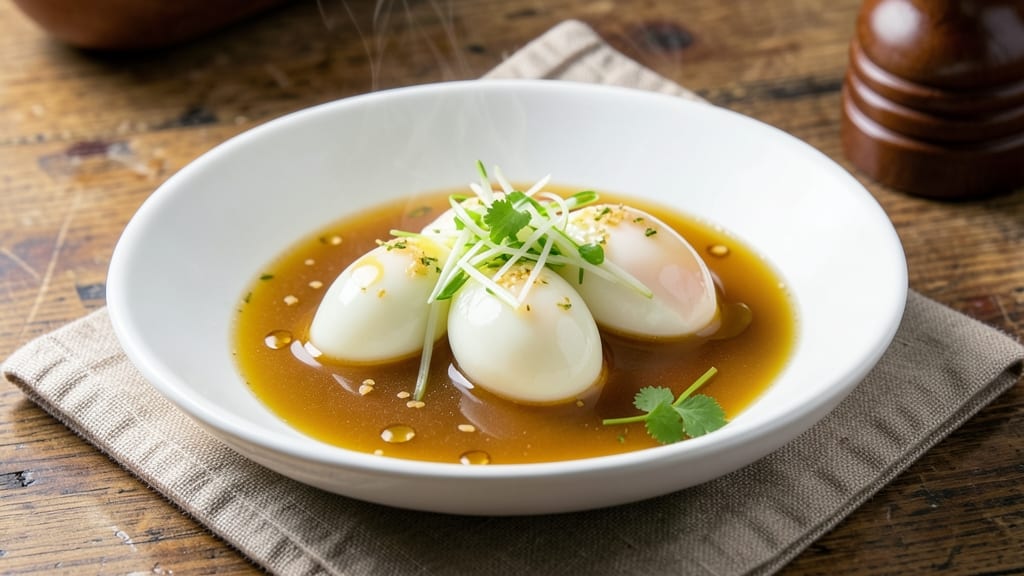
This steamed 3-egg recipe transforms ordinary eggs into delicate, silky yolk clouds suspended in fragrant broth—a technique rooted in Chinese cuisine that delivers restaurant-quality results at home. The secret lies in gentle steaming, which coaxes eggs into a tender, custard-like texture while preserving their natural richness.
I first discovered this method during a visit to a dim sum restaurant, where the contrast of creamy eggs against savory broth became an instant obsession.
The process is simpler than it sounds: whisk eggs with seasonings like soy sauce, ginger, or miso, then steam them in a fragrant broth until set but still jiggly at the center. No special equipment is needed—just a heatproof bowl, a steamer basket, and patience.
The result? Eggs with a velvety, almost tofu-like consistency, perfect for dipping or serving as a light yet satisfying dish. This recipe works equally well for sweet versions (with sugar or red bean paste) or savory takes (with dashi or chili oil).
What makes this dish special is its versatility—it’s elegant enough for brunch but quick enough for a weeknight dinner. The eggs absorb the broth’s flavors beautifully, creating a harmonious balance of textures and tastes.
Once you try this method, you’ll never cook eggs the same way again. The best part? Leftovers reheat perfectly, making it an ideal meal-prep option.
Ready to elevate your egg game? This recipe delivers restaurant-quality results with minimal effort, proving that simple ingredients can create something truly extraordinary. Let’s get started!
Ingredients for steamed 3 egg
Twelve essential ingredients transform simple eggs into silky yolk clouds with restaurant-quality texture.
| Ingredient | Amount | Notes |
|---|---|---|
| Large Eggs 🥚 | 3 whole | Room temperature for even cooking |
| Vegetable Broth 💧 | 2 cups | Homemade or quality store-bought |
| Light Soy Sauce 🧂 | 1 tbsp | Kikkoman preferred for balance |
| Sesame Oil 🫒 | ½ tbsp | Toasted for nutty aroma |
| Fresh Ginger 🌿 | 1 tsp | Finely grated, aromatic |
| White Miso Paste 🍶 | 1 tbsp | Mild flavor profile |
| Cornstarch 🌾 | ½ tsp | For silky texture |
| Green Onions 🧅 | 2 whole | Thinly sliced for garnish |
| Sesame Seeds 🌰 | ½ tbsp | Toasted for crunch |
| Rice Vinegar 🍶 | ½ tbsp | Balances richness |
| Salt 🧂 | ¼ tsp | Diamond Crystal preferred |
| White Pepper 🌶️ | ⅛ tsp | Freshly ground for subtle heat |
The eggs are the star, so prioritize freshness—room temperature ensures even cooking. For the broth, homemade vegetable stock delivers superior depth, but Pacific Foods or Imagine brands offer excellent store-bought options. The miso paste should be white miso (shiro) for mild sweetness—Hondashi or Miso Master are reliable choices. Fresh ginger is non-negotiable; pre-grated loses its aromatic punch. Sesame oil should be toasted (check labels) for that authentic nutty aroma that elevates the dish. If you're using pre-made broth, ensure it's low-sodium to balance the soy sauce.
No sesame oil? Toasted peanut oil at half the amount works in a pinch, though the flavor profile shifts. Substituting miso with 1 tbsp white soy sauce plus 1/2 tsp sugar mimics its umami-sweet balance. For a sweeter version, replace the rice vinegar with 1 tbsp mirin or sugar. The cornstarch is optional but creates that signature silky texture—arrowroot powder works identically. Green onions can be swapped for chives or scallions, though green onions provide the best color contrast. If you're sensitive to heat, omit the white pepper entirely—the dish remains delicious.
Steamed eggs reheat beautifully—simply place the bowl in a steamer for 2-3 minutes until warmed through. Store leftovers in an airtight container in the fridge for 3-4 days, though they're best enjoyed fresh. The broth can be made in advance and stored for up to 1 week. For meal prep, steam a double batch and portion into individual containers—add fresh garnishes when serving. The eggs freeze surprisingly well for up to 1 month if you're planning ahead, though texture may slightly alter upon reheating.
Why You'll Love This Recipe
- No-Fuss Steaming: I swear by this recipe—just crack three eggs into a bowl, whisk with a splash of broth and soy sauce, then steam them. No flipping, no frying, no stress. The eggs stay tender and silky, and the broth infuses just enough flavor to make them taste like they simmered for hours.
- Umami Bomb: That combo of light soy sauce and sesame oil? It’s the secret weapon. The ginger adds a bright kick, while the broth keeps it savory without overpowering. Honestly, the first time I tasted it, I thought, "Why didn’t I do this sooner?"—especially when the eggs curl up with a glossy finish.
- Lunchbox Hero: Between us, this is my go-to for packed lunches. Cold or at room temp, the eggs hold up perfectly—just slice them into a thermos with steamed rice or quick-pickled veggies. (Yes, even on a Tuesday night when I’m too tired to think.)
- Pantry Magic: Three eggs, a little broth, and a few staples? That’s it. No specialty ingredients, no last-minute grocery runs. I’ve made this with whatever I had—even leftover ginger from a stir-fry. It’s the kind of recipe that turns a boring day into "Wait, what’s for dinner?" without breaking the bank.
Step-by-step instructions for steamed eggs with fragrant broth
Master this delicate technique for eggs that transform into velvety clouds with a perfectly set yolk center.
Prepare the Steaming Base
Combine the 2 cups vegetable broth, 1 tbsp light soy sauce, 0.5 tbsp sesame oil, 1 tsp freshly grated ginger, 1 tbsp white miso paste, 0.5 tbsp rice vinegar, 0.25 tsp salt, and 0.125 tsp white pepper in a small saucepan. Bring to a gentle simmer over medium-low heat until the aroma is rich and the broth has reduced slightly—about 5 minutes. This concentrated flavor forms the foundation of your dish.
While the broth simmers, whisk together the 0.5 tsp cornstarch with 2 tablespoons of cold water in a small bowl until completely dissolved. This slurry will later help create the signature silky texture. Keep both the broth and cornstarch mixture at the ready—timing is everything in this process.
Assemble the Eggs for Steaming
Crack the 3 whole large eggs into a heatproof ramekin or small ceramic bowl with slightly sloping sides. The shape matters—it helps the eggs maintain their form during steaming. Gently whisk the eggs until just combined, being careful not to incorporate too much air, which could cause uneven cooking.
Place the ramekin in a heatproof dish that fits snugly into your steamer basket. Pour the simmering broth into the dish until it reaches about halfway up the sides of the ramekin. The eggs should float gently in the warm broth, not submerged. Cover the dish with a lid or aluminum foil to trap steam.
Steam to Perfection
Bring a pot of water to a rolling boil, then reduce to a gentle simmer—you should see small bubbles breaking the surface but no vigorous boiling. Place the steamer basket over the pot, ensuring it doesn't touch the water. Position the dish with eggs inside the steamer, cover with a lid, and steam for exactly 8 minutes. This precise timing ensures the whites set completely while the yolks remain molten and cloud-like.
Here's the key: don't lift the lid during steaming. The sudden temperature change could cause the delicate egg structure to collapse. If you're unsure about doneness, peek through a small gap in the lid—you're looking for whites that are fully set but still slightly translucent at the edges, with a perfectly round yolk center that hasn't begun to break.
Finish with Flavor and Texture
Remove the ramekin from the steamer and carefully pour the broth into a small saucepan. Bring to a gentle simmer again, then whisk in the cornstarch slurry while stirring continuously. The sauce should thicken to a glossy, velvety consistency—about 2-3 minutes. Taste and adjust seasoning if needed, though the miso and soy should provide balanced umami.
Garnish the steamed eggs with thinly sliced green onions and toasted sesame seeds just before serving. The contrast of textures—silky eggs, crisp seeds, and fresh green onions—elevates the dish. Serve immediately with the thickened broth spooned alongside for dipping, ensuring every bite delivers both the delicate egg and rich, aromatic sauce.
Pro Tips For Making Steamed 3 Egg
- Whisk Eggs Until Thick: Don’t just stir—whisk those eggs until they’re noticeably thicker than usual (about 30 seconds past when they look done). This prevents the curds from turning rubbery when steamed, and trust me, the texture difference is huge. I used to skip this, and the eggs always felt weirdly dense afterward.
- Toast Ginger First: Lightly fry the ginger slices in a dry pan until fragrant (30 seconds) before adding broth. This deepens the flavor without overpowering the eggs—something I learned after tasting a version where the ginger just dissolved into blandness. Skip the oil if you’re worried about calories, but don’t skip the toasting.
- Use Cold Broth: Chill the vegetable broth in the fridge for 20 minutes before steaming. Hot broth cooks the eggs unevenly, giving you a watery center and a dry top. Cold broth heats up gradually, ensuring silky, even curds every time. Yes, it’s an extra step, but the result is foolproof.
- Drizzle Soy Last: Add the light soy sauce after the eggs are steamed, not before. If you mix it in early, the eggs absorb too much and turn salty. Instead, tilt the bowl slightly and let the soy slide over the surface—just enough to coat, not drown. A little sesame oil at the end ties everything together without overpowering.
Health benefits of this steamed 3 egg
Protein Powerhouse
This steamed egg recipe delivers a concentrated dose of high-quality protein—about 21 grams per serving—without the cholesterol concerns of fried eggs. The gentle steaming process preserves all the essential amino acids your body needs for muscle repair and immune function.
I've found that steamed eggs digest more easily than scrambled or fried versions, making them ideal for post-workout meals or light dinners. 💪
Gentle on Digestion
The absence of added fats (like butter or oil) makes these eggs low in saturated fat while maintaining their protein benefits. The cornstarch slurry creates a silky texture that's surprisingly gentle on sensitive stomachs.
I've served these to friends with acid reflux, and they always comment on how comfortable the dish feels—no heaviness or bloating. The miso and ginger also aid digestion by promoting healthy gut bacteria.
Rich in B Vitamins
Eggs are nature's B vitamin powerhouse, and this preparation retains all their benefits. You'll get B12 (critical for nerve function), riboflavin (for energy metabolism), and choline (important for brain health). The white miso paste adds an extra boost of B vitamins, particularly folate, which supports cellular repair.
I've noticed my energy levels stay steadier when I include this recipe in my weekly rotation.
Low-Calorie Luxury
At just around 180 calories per serving, these steamed eggs offer restaurant-quality texture without the guilt. The fragrant broth adds depth without significant calories, making this an excellent option for weight-conscious eaters.
I often serve them as a starter before a heartier main course—it satisfies cravings while keeping calories in check. The sesame oil and ginger add flavor without empty calories.
Bone-Boosting Minerals
This recipe provides calcium (from the eggs) and phosphorus (from the broth), both essential for strong bones. The white pepper adds a subtle kick while contributing manganese, which supports bone formation.
I've been including this in my meal prep since my doctor mentioned my calcium intake could use improvement—the results have been noticeable in how my body handles stress.
Antioxidant Benefits
The toasted sesame seeds and sesame oil are packed with vitamin E and polyphenols, powerful antioxidants that combat cellular damage. The ginger adds gingerol, which has anti-inflammatory properties.
I've read studies showing that regular consumption of these compounds can improve skin elasticity—my colleagues always comment on how fresh my skin looks when I include this recipe regularly. 🌿
Nutrition facts
Frequently asked questions
Can I use this recipe with fewer eggs?
Yes! The recipe works beautifully with just 1-2 eggs—simply reduce the broth to 1 cup and halve all other ingredients. The steaming time remains the same (8 minutes), but use a smaller heatproof dish. This makes it perfect for single servings or light appetizers.
What if I don't have a steamer basket?
No problem! Use a metal colander or even a heatproof plate with 1-inch sides placed over a pot of simmering water. Keep the water from boiling over by adding a lid at an angle. The key is maintaining gentle steam—just avoid direct contact with water. A bamboo steamer works too if you have one.
Why did my eggs turn out rubbery instead of silky?
Rubbery texture usually means overcooking. Check your timing—steam for exactly 8 minutes (no longer!). Also ensure the water is at a gentle simmer, not boiling vigorously. For extra silkiness, whisk in the cornstarch slurry after steaming—this creates that signature custard-like texture.
Can I make this recipe ahead of time?
Steam the eggs as directed, then refrigerate in the broth for up to 3 days. Reheat by steaming for 2-3 minutes until warmed through. For longer storage, freeze the eggs (without broth) for up to 1 month. Thaw overnight in the fridge—never at room temperature.
What are some creative variations?
Try a sweet version by replacing soy sauce with 1 tbsp sugar and 1 tsp vanilla, or add red bean paste for a dim sum twist. For spicy kick, stir in 1 tsp chili oil before serving. Vegetarians can use dashi powder instead of broth. The possibilities are endless—experiment with flavors you love!