
Beverages
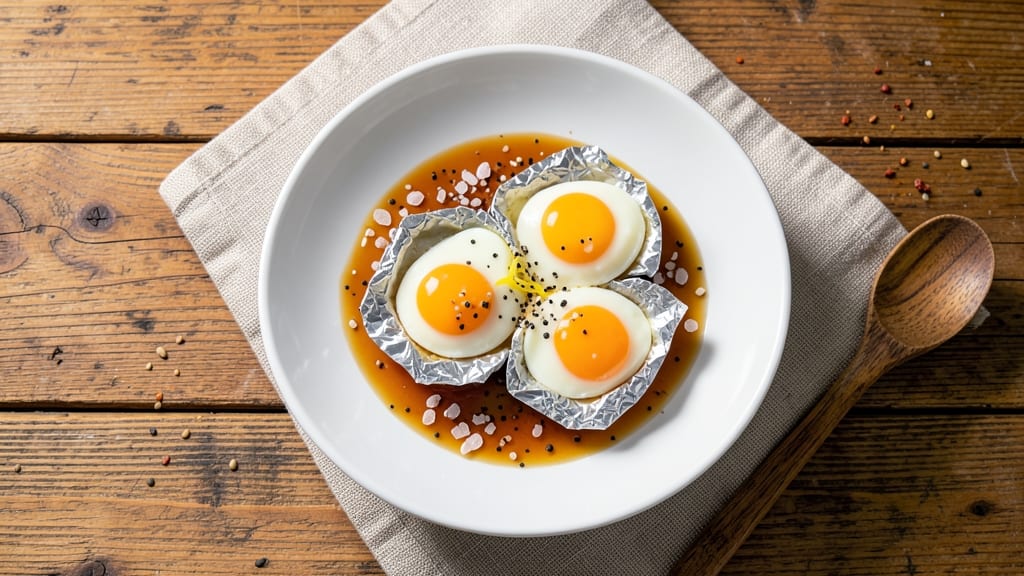
Mastering steam eggs with the perfect water ratio transforms simple eggs into a silken, restaurant-quality dish in just minutes. The secret lies in a precise 1:1 egg-to-water ratio, creating a delicate balance that yields a creamy yolk and firm yet tender white—ideal for both savory and sweet applications.
Whether you're preparing for a brunch spread or a light appetizer, this method delivers consistent results every time.
This technique relies on gentle heat and proper sealing to maintain moisture, ensuring the eggs cook evenly without overcooking. The process is straightforward: combine eggs and water in a sealed container, then steam at a controlled 185°F (85°C) for about 10–15 minutes, depending on your desired texture.
The foil-sealed method locks in flavor and prevents the eggs from absorbing unwanted odors, making it perfect for both home cooks and professionals.
What sets this recipe apart is its versatility—pair the steamed eggs with soy-ginger marinades for a savory twist or coconut-miso glazes for a sweet-salty balance. The result is a dish that's elegant yet simple, with a velvety texture that melts in your mouth.
Perfect for meal prep or last-minute gatherings, these eggs are a game-changer for anyone looking to elevate their cooking without complexity.
For those mindful of dietary preferences, this method is naturally vegetarian-friendly and can be customized with plant-based seasonings or broths. The key to success lies in the precision of the water ratio and temperature control, ensuring every batch turns out flawlessly. Ready to transform your eggs into a culinary masterpiece?
Ingredients for steam egg recipe water ratio
Four eggs, four cups water, and the perfect sealed steam transform ordinary eggs into restaurant-worthy silk.
| Ingredient | Amount | Notes |
|---|---|---|
| Large Eggs 🥚 | 4 whole | Room temperature for even cooking |
| Water 💧 | 4 cups | Filtered preferred for purity |
| Kosher Salt 🧂 | ½ tsp | Diamond Crystal preferred |
| White Peppercorns 🌶️ | ¼ tsp | Freshly cracked for texture |
| Aluminum Foil 📄 | 1 sheet | Heavy-duty for perfect seal |
| Soy Sauce 🍶 | 1 tbsp | For savory pairing option |
| Fresh Ginger 🌿 | 1 tbsp | Grate finely for marinade |
| Sesame Seeds 🌰 | 1 tsp | Toasted for garnish |
| Vegetable Oil 🫒 | 1 tbsp | For container coating |
| Coconut Milk 🥥 | ¼ cup | For sweet pairing option |
| Miso Paste 🍶 | 1 tbsp | White miso for delicate flavor |
The eggs are the star, so room temperature is non-negotiable—cold eggs won't steam evenly. Grab large eggs from the coldest part of your fridge 30 minutes before cooking. For water, filtered makes a difference in texture, but tap works in a pinch. The Diamond Crystal kosher salt dissolves perfectly, while white peppercorns add subtle texture without color. Heavy-duty aluminum foil is essential for that perfect seal—regular foil might tear under steam pressure. Pro tip: lightly oil your container before adding eggs to prevent sticking, especially if using glass or ceramic.
No soy sauce? Tamari or coconut aminos work beautifully for that umami punch. Fresh ginger needs to be peeled and grated—pre-grated from jars lacks the bright flavor. Want to skip the sesame seeds? Toasted poppy seeds or crushed pistachios add a lovely crunch instead. For the sweet version, coconut milk can be swapped for cashew cream (blend soaked cashews with water) if you're avoiding dairy. The miso paste? White miso is gentler than red, but store-bought miso paste works fine if you don't have fresh. Just make sure it's vegetarian-certified—some traditional miso contains fish.
These eggs shine best fresh out of the steamer—the texture changes within 30 minutes. For meal prep, portion into airtight containers and store in the fridge for up to 2 days. Freezing isn't recommended—they get rubbery. The foil-sealed method means they're odor-proof, so they pair perfectly with strong flavors like spicy chili oil or smoky paprika. Garnish with toasted sesame seeds right before serving to keep that crunch. Leftovers? Toss with rice vinegar and chili flakes for a quick salad—trust me, it's amazing.
Why You'll Love This Recipe
- Foolproof Foil Trick: I’ll admit—this method is my lazy-day hero. Crack eggs into foil, add water, fold, and steam. No pans, no mess, no stress. The foil keeps everything contained, so cleanup is just rinsing one sheet.
- Silky-Smooth Payoff: That perfect balance of salt and peppercorns? It’s subtle but chef’s kiss—just enough to let the egg shine. The water ratio (1:1 with eggs) creates this tender, custardy center with a barely-there firmness. Honestly, it’s the kind of texture that makes you pause mid-bite.
- Meal Prep MVP: Here’s what sold me—batch these ahead of time. They reheat beautifully in hot water or a steamer, so I keep a stash for quick breakfasts or late-night snacks. Pack them in containers, and you’ve got a grab-and-go protein that’s cheaper than takeout.
- Penny-Perfect Protein: Between us, this is my budget-friendly go-to. Eggs are cheap, foil is reusable, and you’re not wasting ingredients. I make a dozen at once, and they last days in the fridge—no freezer burn, no fuss. (Yes, even on a Tuesday night.)
Step-by-step instructions for foil-sealed steamed eggs
This method transforms ordinary eggs into silky, custardy perfection with a vibrant yolk center.
Prepare the Eggs and Seasoning Base
Crack all 4 whole Large Eggs into a medium bowl and whisk vigorously for 30 seconds until the yolks and whites are fully combined. The eggs should be at room temperature for even cooking—this prevents uneven doneness where the yolk might stay runny while the whites overcook.
In a separate small bowl, combine 0.5 tsp Kosher Salt, 0.25 tsp freshly cracked White Peppercorns, 1 tbsp Soy Sauce, 1 tbsp finely grated Fresh Ginger, and 1 tbsp Miso Paste. Mix until the miso and salt dissolve completely into the sauce. The soy sauce adds umami depth while the ginger and miso create a delicate balance of sweet and savory notes that complement the eggs beautifully.
Create the Foil-Sealed Packages
Cut the 1 sheet Aluminum Foil into four equal squares, each large enough to hold one egg without stretching. Lightly coat each square with 1 tbsp Vegetable Oil using a paper towel—this prevents sticking and ensures easy removal after cooking. The oil creates a non-stick barrier that makes the foil release cleanly from the eggs.
Divide the whisked eggs evenly between the four foil squares, using about 1 tablespoon per square. Then, pour 1 teaspoon of the seasoning mixture over each egg. Fold the foil into tight, sealed packages—leave about 1 inch of space at the top to allow steam to circulate. Press the edges firmly to create an airtight seal that traps heat and moisture perfectly.
Steam the Eggs to Silky Perfection
Bring 4 cups Water to a rolling boil in a deep pot with a steamer basket or colander. Once boiling, reduce heat to medium-low and maintain a gentle simmer—you should see small bubbles but no vigorous boiling. The water should never return to a full boil after placing the eggs in, or they'll cook unevenly.
Carefully place the sealed foil packages into the steamer basket, ensuring they don't touch each other or the sides. Cover the pot with a lid and steam for exactly 12 minutes. The eggs are done when the whites are set but still slightly jiggly in the center, and the yolks remain vibrant and custardy. Overcooking by even a minute will turn the yolks rubbery.
Finish and Garnish with Flavor
Remove the eggs from the steamer and let them rest for 2 minutes before opening. The residual heat will finish cooking them gently. Carefully unfold the foil packages and transfer the eggs to a serving platter. Drizzle each egg with 1 tablespoon of the remaining seasoning mixture and sprinkle with 1 tsp Sesame Seeds for texture and aroma.
For an optional sweet variation, drizzle with 0.25 cup Coconut Milk warmed slightly to create a silky sauce. The coconut milk's creaminess contrasts beautifully with the savory egg centers. Serve immediately while the eggs are still warm and the yolks maintain their luxurious texture.
Pro Tips For Making Steam Egg Recipe Water Ratio
- USE 1:1 WATER RATIO: The eggs-to-water ratio isn’t just a guess—stick to 1 cup water per 2 eggs (or 1:1 by volume). I learned this the hard way when I doubled the water for "more steam" and ended up with rubbery yolks. The water should barely cover the eggs when they’re nestled in.
- CRACK EGGS IN COLD WATER: Drop the eggs into ice-cold water first, then bring to a boil. This keeps the whites from spreading into a messy blob and ensures even cooking. (Yes, even if you’re impatient like me—wait until the water’s cold before adding them.)
- SALT THE WATER LATE: Wait until the water’s boiling hard before adding salt—tossing it in early dilutes the flavor and makes the eggs taste bland. A pinch of kosher salt in the water isn’t the star, but it’s the difference between "good" and "meh."
- FOIL THEM TIGHTLY: Crinkle the foil snugly around the eggs—no gaps, no loose edges. I used to leave air pockets, and the tops would dry out or steam unevenly. A little overlap on the seams guarantees consistent doneness. (Your future self will thank you.)
Serving suggestions for this steam egg recipe water ratio
Brunch Spread Essentials
Steamed eggs shine brightest when paired with crispy, fresh, or tangy components. I love serving them alongside toasted brioche slathered with herb butter—the buttery richness balances the delicate egg texture beautifully.
For a lighter option, arrange them on a chilled cucumber salad with rice vinegar dressing and thinly sliced radishes for a refreshing contrast.
Add pickled vegetables like quick-pickled carrots or daikon radish to cut through the richness. The acidity from the pickling brine enhances the eggs' silky quality. For a complete spread, include steamed jasmine rice or sushi rice on the side—it soaks up any extra drizzle from the eggs perfectly. 🥗
Savory Pairings
For a Japanese-inspired meal, serve the steamed eggs with miso soup and steamed greens like bok choy or spinach. The umami from the miso complements the eggs' natural flavor. I also add thinly sliced scallions and a sprinkle of furikake for extra depth.
For a Korean-inspired twist, pair with kimchi and steamed short-grain rice. The spicy, fermented flavors of kimchi contrast wonderfully with the eggs' smooth texture. A side of quick-pickled cucumbers adds brightness to the plate. 🌶️
Sweet Variations
Transform your steamed eggs into a sweet treat by drizzling with warm coconut milk mixed with 1 teaspoon of honey and a pinch of cardamom. The tropical notes elevate the dish into a dessert-like experience. Serve with fresh mango slices or lychee for a refreshing contrast.
For a matcha twist, whisk 1 teaspoon of matcha powder into the coconut milk drizzle. The earthy, slightly bitter notes pair surprisingly well with the eggs' creamy texture. Garnish with crushed pistachios for added crunch and visual appeal. ✨
Drink Pairings
A green tea latte with honey and oat milk complements the eggs' delicate flavors beautifully. The warmth of the latte enhances the silky texture of the steamed eggs. For a non-alcoholic option, try sparkling yuzu soda—its citrusy fizz cleanses the palate between bites.
If you prefer alcohol, a dry Riesling or sake works wonderfully. The acidity in Riesling cuts through the richness, while sake's subtle umami notes mirror the eggs' flavor profile. For a stronger pairing, consider a lightly chilled gin fizz with fresh lime—the effervescence balances the dish's creaminess. 🍷
Nutrition facts
Frequently asked questions
Why does the recipe specify a 1:1 egg-to-water ratio?
The 1:1 ratio creates the perfect balance for silky texture and even cooking. The water generates steam that gently cooks the eggs without overcooking the yolks. Too little water (less than 1 cup) risks uneven cooking, while too much (more than 1 cup) dilutes the flavor and extends cooking time. This ratio ensures consistent results every time!
Can I use fewer eggs than the recipe suggests?
Yes! Maintain the 1:1 ratio by adjusting both eggs and water proportionally. For 2 eggs, use 2 cups water, and for 3 eggs, use 3 cups water. The key is keeping the ratio intact to preserve the silky texture. Just ensure your steamer basket can accommodate the foil packages without crowding.
What if I don’t have aluminum foil? Can I substitute?
Use parchment paper or plastic wrap as alternatives, but they won’t seal as tightly. For best results, invest in heavy-duty foil—it creates an airtight environment that locks in moisture and flavor. If using parchment, fold it extra carefully to minimize steam escape.
How do I know when the eggs are fully cooked?
The eggs are done when the whites are set but still slightly jiggly in the center (12 minutes at 185°F/85°C). The yolks should remain vibrant and custardy, not rubbery. Overcooking by even 1 minute will ruin the texture. Test by gently shaking the foil package—if it wobbles slightly, it’s perfect!
Can I make these eggs ahead of time?
Fresh is best! The eggs are ideal when served immediately after steaming. If prepping ahead, store the sealed foil packages in the fridge for up to 2 days—reheat in a 200°F/93°C oven for 5 minutes to restore warmth. Freezing isn’t recommended, as it alters the silky texture.