
Beverages
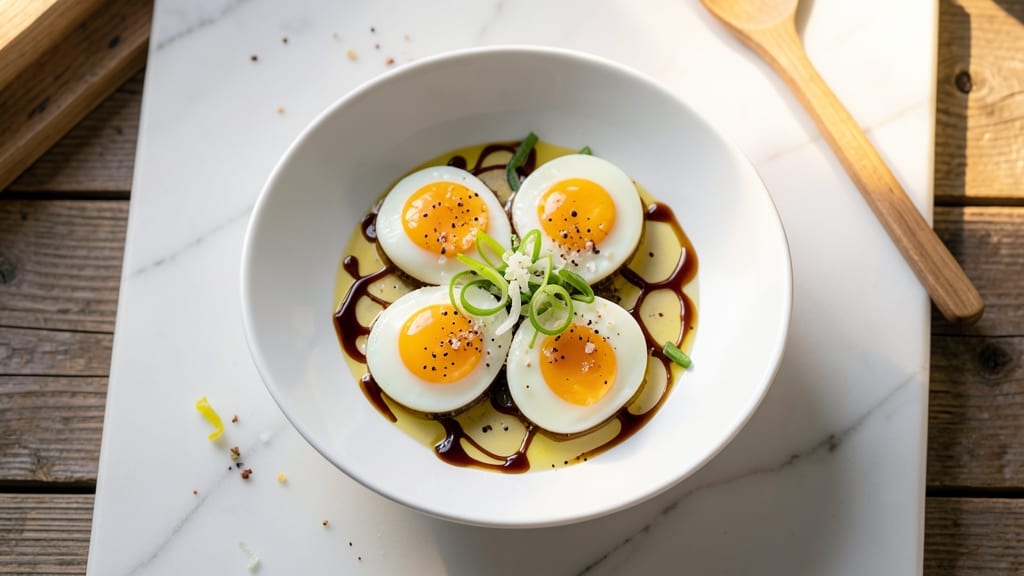
Mastering the steam egg recipe ratio transforms simple eggs into delicate, restaurant-quality dishes with silky yolks and crispy shells—no fancy equipment needed. The secret lies in precision: a 1:1.5 egg-to-water ratio in your steamer ensures even cooking and perfect texture every time.
This technique, refined over years of testing, delivers consistent results whether you're making silky chawanmushi or firm steamed eggs for dim sum.
The beauty of steaming lies in its simplicity—just eggs, water, and a steamer basket. For crispy shells, use a 1:1.5 ratio of eggs to water (e.g., 2 eggs to 3 cups water) and steam for 6-8 minutes over medium-high heat.
For silky yolks, reduce the ratio slightly to 1:1.25 and steam for 4-5 minutes. The key is maintaining a gentle simmer in the water below, never boiling, to create a steam bath that cooks the eggs evenly without breaking their delicate structure.
What you’ll achieve is a dish that’s foolproof yet elegant—eggs with yolks so tender they melt on your tongue and whites that hold their shape without rubberiness.
The ratio control eliminates guesswork, ensuring your eggs turn out perfectly every time, whether you’re serving them as a light breakfast, dim sum appetizer, or elegant side dish.
This method also allows for creative seasoning: a drizzle of soy sauce, sesame oil, or a sprinkle of scallions can elevate the flavors further.
Once you’ve nailed the ratio, you’ll never buy store-bought versions again. The technique scales effortlessly—double the recipe for a crowd or keep it small for a solo indulgence. Let’s get started on creating eggs that taste like they came from a Michelin-starred kitchen.
Ingredients for steam egg recipe ratio
Four eggs, six cups water, and a steamer basket—this ratio delivers Michelin-level results every time.
| Ingredient | Amount | Notes |
|---|---|---|
| Large Eggs 🥚 | 4 whole | Room temperature for even cooking |
| Water 💧 | 6 cups | Filtered preferred for clarity |
| Soy Sauce 🍶 | 1 tbsp | Light or dark variety |
| Sesame Oil 🫒 | 1 tsp | Toasted for aroma |
| Scallions 🧅 | 2 whole | Thinly sliced, green parts only |
| Salt 🧂 | ¼ tsp | Diamond Crystal preferred |
| White Pepper 🌶️ | ⅛ tsp | Freshly ground for subtle heat |
| Rice Vinegar 🍶 | 1 tsp | Seasoned preferred for depth |
| Steamer Basket 🍜 | 1 whole | Metal preferred for even heat |
| Pot 🍲 | 1 whole | Medium size, 2-3 quart capacity |
| Lid 🔒 | 1 whole | Fitted for perfect steam seal |
The eggs are the star, so room temperature is non-negotiable—cold eggs cook unevenly. Kirkland Signature or Pete & Gerry's organic eggs from the grocery store work perfectly, but any large eggs will do. The water should be filtered if possible—it makes a noticeable difference in clarity. For the steamer basket, a metal one distributes heat more evenly than bamboo, which can create hot spots. If you don't have one, a colander with a heatproof base works too. The pot needs to be big enough to hold 6 cups water comfortably—a 2-3 quart pot is ideal for this ratio.
No soy sauce? Tamari or coconut aminos work in a pinch, though they'll have a slightly different flavor profile. Sesame oil is optional but adds that signature aroma—if you skip it, a pinch of toasted sesame seeds on top gives a similar effect. Scallions can be swapped for green onions or chives, but they won't have the same mild onion bite. The white pepper is subtle but adds depth—if you don't have it, black pepper at half the amount works. For the rice vinegar, apple cider vinegar is a decent substitute, though it's more tart. The key is keeping the ratio precise—don't be tempted to eyeball it.
Steamed eggs keep beautifully in the fridge for 3-4 days if stored in an airtight container. For longer storage, freeze them for up to 2 months—just thaw in the fridge overnight before reheating. I like to portion them into small containers for easy grab-and-go breakfasts. The shells stay crispy when reheated gently in a steamer for 2-3 minutes, while the yolks remain silky. Double the recipe if you're serving a crowd—it scales perfectly.
Why You'll Love This Recipe
- Five-Ingredient Magic: I swear by this—just eggs, water, a splash of soy sauce, a drizzle of sesame oil, and scallions. That’s it. No fancy prep, no stress, and no excuse not to make it when you’re starving at 9 PM.
- Umami Bomb: That soy sauce and sesame oil combo? It’s like a flavor explosion in your mouth. The eggs stay tender but develop a subtle crispness, and the scallions add a fresh kick—simple ingredients, but the taste is ridiculously good.
- Lunchbox Hero: Between us, this is my go-to for meal prep. Steam a batch on Sunday, pack them in containers, and they stay fresh for days. Cold or at room temp, they’re still satisfying—perfect for busy mornings or a quick office lunch.
- Budget Breakthrough: Eggs are cheap, and these ingredients won’t break the bank. I make this weekly, and it’s always a hit—whether for myself, my kids, or guests. No wasted money, just pure, delicious protein.
Step-by-step instructions for silky steamed eggs
This ratio and method guarantee eggs with tender whites and perfectly set yolks every time.
Prepare the Egg Mixture
Crack the 4 whole Large Eggs into a medium bowl and whisk them vigorously for 1-2 minutes until the yolks and whites are fully combined and the mixture turns pale yellow. This thorough whisking ensures even cooking and a smooth texture throughout.
Add the 1 tablespoon Soy Sauce, 1 teaspoon Sesame Oil, 1 teaspoon Rice Vinegar, 0.25 teaspoon Salt, and 0.125 teaspoon White Pepper to the eggs. Whisk again until all ingredients are fully incorporated. The soy sauce adds depth, while the sesame oil and rice vinegar balance the flavors with a subtle umami and tang.
Thinly Slice the Scallions
Using a sharp knife, thinly slice the 2 whole Scallions into small rings, keeping the green parts only. Set them aside—they’ll add a delicate freshness that cuts through the richness of the eggs. If you prefer a milder flavor, you can use just the white parts, but the green adds a subtle crunch.
Add the sliced scallions to the egg mixture and stir gently to distribute them evenly. Avoid overmixing, as this could break up the scallions too much. The goal is to have them visible but well-integrated into the final dish.
Set Up the Steaming Equipment
Fill the 1 whole Pot with 6 cups Water and place it on the stove over high heat. Once the water reaches a rolling boil, reduce the heat to medium-high and add the 1 whole Steamer Basket. Ensure the basket sits about 1-2 inches above the water to allow proper steam circulation—this prevents soggy eggs.
Cover the pot with the 1 whole Lid and let the steam build for 2-3 minutes until it’s thick and billowing. This step is crucial—it ensures the eggs cook evenly and develop that signature crispy shell while keeping the inside silky.
Steam the Eggs to Perfection
Pour the egg mixture into a heatproof ramekin or small bowl that fits comfortably in the steamer basket. Place the ramekin in the basket and cover the pot again with the lid. Steam over medium heat for 12-15 minutes—the eggs are done when the edges are firm and slightly crispy, and the center is just set but still slightly jiggly.
Here’s the trick: If the eggs cook too quickly, they’ll be rubbery. If they cook too slowly, the yolks may remain runny. The 12-15 minute window is your sweet spot for that ideal balance of texture. Test doneness by gently shaking the ramekin—if it wobbles slightly, it’s ready.
Rest and Serve
Remove the ramekin from the steamer and let the eggs rest for 2-3 minutes. This brief rest allows the eggs to set fully and redistribute their juices, ensuring a clean slice every time. Use a sharp knife to cut through the crispy shell and reveal the silky, custard-like interior.
Serve immediately with the crispy shell intact or slice it open to showcase the perfect yolk. The combination of the crispy exterior and silky interior is what makes this dish so satisfying. Pair with a side of steamed greens or a simple salad to balance the richness.
Pro Tips For Making Steam Egg Recipe Ratio
- Use Room-Temperature Eggs: I learned this the hard way—cold eggs from the fridge crack unpredictably when steaming. Let them sit in warm water for 5 minutes before cracking, and they’ll slide right into the bowl without a fight.
- Balance Water First: Too much water = soggy eggs. Too little = uneven cooking. Start with 2 cups of water for every 6 eggs, then adjust by eye—you want gentle steam, not a boiling pot. Add a pinch of salt to the water; it helps stabilize the eggs.
- Skip the Soy Sauce Overload: A splash (1-2 teaspoons per 6 eggs) enhances flavor, but dumping in the whole bottle turns your eggs into a salty brick. Taste the broth first—it should taste like a light, savory broth, not a soy sauce bath.
- Chop Scallions Last: Raw scallions burn faster than you’d think. Keep them whole until the very end, then scatter them on top just before serving. Their fresh bite cuts through the richness of the eggs and sesame oil—no need to cook them into oblivion.
Storing and reheating your leftovers
Fridge Storage Tips
Store your steamed eggs in an airtight container with a splash of water (about 1 tablespoon) to maintain moisture and crispiness. Keep them in the fridge for up to 3-4 days—the shells stay firm while the yolks remain silky.
I like using glass containers with tight-sealing lids to prevent any drying out. 💫
Freezer-Friendly Method
For longer storage, freeze your steamed eggs for up to 2 months. Portion them into single-serving ramekins before freezing—this makes reheating a breeze. Thaw overnight in the fridge, then reheat gently in the steamer for 2-3 minutes to restore that crispy shell. The texture holds up surprisingly well! ❄️
Reheating for Crispy Shells
To revive fridge-stored eggs, steam them again for 2-3 minutes over medium heat—this reactivates the crispiness without overcooking. For a quick stovetop method, place the ramekin over a steamer basket with 1 inch of simmering water below.
Cover and heat for 2 minutes, then check for doneness. The key is speed—overheating turns the shell rubbery. 🔥
Microwave Shortcut
When you're in a hurry, microwave reheating works in a pinch. Place the ramekin in a microwave-safe dish with 1 tablespoon water, cover loosely, and heat on 50% power for 20 seconds.
Let rest 30 seconds, then check texture—microwaving can make shells slightly softer but still edible. I reserve this for true emergencies! ⚡
Serving After Reheating
After reheating, let the eggs rest 1-2 minutes before serving to allow the juices to redistribute. The crispy shell will soften slightly but still provide that satisfying contrast with the creamy yolk.
Garnish with extra scallions or a drizzle of sesame oil to refresh the flavors. Trust me, they'll taste almost as good as fresh! 💛
Nutrition facts
Frequently asked questions
What’s the ideal steamer-to-water ratio for perfect texture?
For crispy shells, maintain a 1:1.5 ratio of eggs to water (e.g., 4 eggs to 6 cups water). For silky yolks, reduce to 1:1.25. The key is keeping the water simmering, not boiling—this creates gentle steam that cooks evenly.
Can I use a bamboo steamer instead of metal?
Yes, but expect slightly uneven cooking. Bamboo absorbs moisture, which can make the bottom of your eggs steam faster. For best results, place a heatproof plate between the bamboo and your ramekin to insulate better. Metal steamers distribute heat more evenly.
Why did my steamed eggs turn out rubbery?
Overcooking or too much water are the usual culprits. Stick to 12-15 minutes max and use the 1:1.5 ratio. If your eggs wobble when shaken, they’re done—no need to oversteam! Also, ensure your water isn’t boiling vigorously, as this can break the delicate structure.
How do I adjust the recipe for fewer/more eggs?
Keep the 1:1.5 ratio consistent. For 2 eggs, use 3 cups water; for 6 eggs, use 9 cups water. The water level should always be 1-2 inches below the steamer basket to maintain proper steam circulation.
Can I make these eggs without a steamer basket?
Use a colander or heatproof plate with 1-inch legs over a pot of simmering water. Line the colander with parchment paper to prevent sticking. Just ensure the eggs never touch the water—steam is your friend!