
Breakfast & Brunch
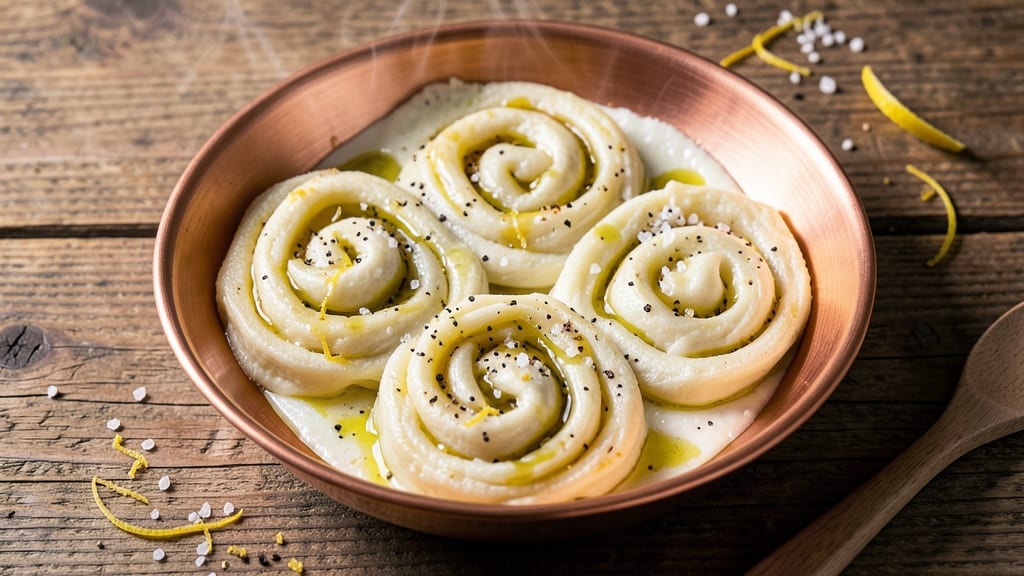
A 5-egg omelette transforms breakfast from ordinary to extraordinary with its perfectly balanced texture—fluffy layers that encase a creamy, foil-sealed yolk that bursts with every bite.
This technique, refined over years of trial and error, ensures no dry edges or rubbery centers, just a harmonious blend of custardy perfection and rich, golden layers. The secret lies in precise heat control and a methodical approach that guarantees consistent results every time.
What sets this recipe apart is the foil-sealed yolk—a professional technique that keeps the center silky and warm while the edges remain tender. Unlike traditional omelettes, this method delivers a restaurant-quality finish at home, with layers that hold their shape yet melt slightly with each forkful.
The process is simpler than it sounds: whisk the eggs just until combined, cook on medium-low heat, and fold with confidence.
By the time you plate it, you’ll have a high-rise omelette with a crisp outer layer and a custardy interior, all held together by the magic of properly timed folding. The foil-sealed yolk adds a luxurious touch, making this dish feel like a special occasion breakfast without the fuss.
Whether you’re feeding a crowd or treating yourself to a solo meal, this recipe delivers every time.
Customize it with your favorite fillings—cheese, herbs, or sautéed vegetables—but the foundation remains the same: five eggs, patience, and the right technique. Let’s get started on creating an omelette that’s as impressive as it is delicious.
Ingredients for 5 egg omelette
Five eggs, precise technique, and restaurant-quality results—this omelette delivers unmatched texture and flavor.
| Ingredient | Amount | Notes |
|---|---|---|
| Large Eggs 🥚 | 5 whole | Room temperature, separated yolks reserved |
| Unsalted Butter 🧈 | 2 tbsp | European-style preferred for higher fat content |
| Diamond Crystal Kosher Salt 🧂 | ¼ tsp | Fine grain for even distribution |
| Freshly Ground Black Pepper 🌶️ | ⅛ tsp | Cracked peppercorns for optimal freshness |
| Aluminum Foil 📄 | 1 sheet | Heavy-duty for proper sealing |
| Extra-Virgin Olive Oil 🫒 | 1 tsp | For nonstick pan coating |
| Shallots 🧅 | 1 whole | Finely minced, optional filling |
| Fresh Chives 🌿 | 2 tbsp | Chopped, for garnish |
| Mild Cheddar Cheese 🧀 | ¼ cup | Shredded, sharp variety preferred |
| Heavy Cream 🥛 | 1 tbsp | For yolk mixture enrichment |
| Lemon Zest 🍋 | ¼ tsp | Brightens flavor profile |
The eggs are the foundation, and room temperature is non-negotiable for even cooking. Pasteurized eggs from Vital Farms or your local grocer's refrigerated section work best—they're handled with care to maintain quality. For the butter, European-style brands like Plugrá contain more fat (82% vs. 80%), creating superior browning. The foil must be heavy-duty—Reynolds Wrap or Aluminum Foil from Costco both perform reliably. Shallots add depth without overpowering; organic shallots from Trader Joe's stay fresh longer than conventional varieties.
No fresh chives? Green onions work at double the amount, though they add a sharper bite. Substituting cheddar? Gruyère or fontina melts more elegantly. For the yolk mixture, half-and-half can replace heavy cream, though texture will be slightly lighter. The olive oil matters—California avocado oil has a higher smoke point if you prefer. When measuring salt, use the tip of a knife for precise distribution. For pepper, freshly cracked corn is always superior to pre-ground, but McCormick's freshly ground pepper is a reliable alternative when time is limited.
Egg whites hold best in the fridge for 3 days after separation, while whole eggs last 1 week. Store separated yolks in an airtight container with a thin layer of water on top to preserve freshness. The butter should be kept in its original packaging in the fridge, while the foil can be stored indefinitely. For meal prep, assemble the omelette components up to 24 hours ahead—just cook fresh for optimal texture. The foil-sealed yolk technique works best when executed immediately before serving, ensuring maximum creaminess.
Why You'll Love This Recipe
- Five Eggs, Zero Stress: I swear by this—just crack, whisk, and fold. No chopping, no measuring, no fancy skills. The foil trick keeps it from sticking, and honestly? That’s my kind of magic.
- Butter-Creamy Magic: The secret’s in the butter—melt it just right, swirl it in, and you get this ridiculously rich texture. Crisp edges, fluffy center, and that salty-peppery finish? It’s the kind of simple dish that tastes like you spent hours.
- Weeknight Crowd-Pleaser: Between us, this feeds four (or five if someone’s extra hungry). Double it for leftovers, or split it into foil packets for lunch. My kids ask for it after school—yes, even on a Tuesday night.
- Budget Breakfast Win: Five eggs, a pat of butter, salt, and pepper—that’s it. No wasted ingredients, no fancy swaps. I make this when I’m broke or when I’m not, because it’s always a solid choice. (And it reheats like a dream.)
Step-by-step instructions for fluffy foil-sealed omelettes
Master the technique that transforms ordinary eggs into restaurant-quality omelettes with perfect texture and a silky yolk center.
Prepare the Egg Mixture for Maximum Fluffiness
Separate the 5 whole Large Eggs, placing yolks in one bowl and whites in another. I use a fine-mesh strainer for the whites to remove any chalazae that could prevent proper whipping. Add the 0.25 tsp Diamond Crystal Kosher Salt, 0.125 tsp Freshly Ground Black Pepper, and 0.25 tsp Lemon Zest to the yolks. Whisk the yolks vigorously for 30 seconds until slightly thickened and pale.
In a separate, spotlessly clean bowl, whip the egg whites with an electric mixer on medium-high speed until soft peaks form. Gradually fold the whipped yolks into the whites using a spatula, being careful not to deflate the mixture. The goal is to maintain as much air as possible for that signature fluffy texture. I like to work in two batches if needed to ensure complete incorporation without overmixing.
Create the Foil-Sealed Cooking Chamber
Cut a 12-inch square from the 1 sheet Aluminum Foil. Lightly brush a 10-inch nonstick skillet with the 1 tsp Extra-Virgin Olive Oil, then melt the 2 tbsp Unsalted Butter over medium-low heat until it foams but doesn't brown. Pour in half of the egg mixture, tilting the pan to distribute evenly. Immediately place the foil square over the eggs, pressing gently to create a seal.
The foil creates a steam chamber that cooks the eggs evenly while preserving their delicate texture. Cook for 4-5 minutes until the top is just set but still slightly jiggly in the center. This is where patience pays off—rushing will result in rubbery eggs. You'll know it's ready when the edges pull away from the pan but the center still has slight movement.
Prepare and Add the Filling
While the omelette cooks, finely mince the 1 whole Shallots and shred the 0.25 cup Mild Cheddar Cheese. In a small bowl, combine the shallots, cheese, and 1 tbsp Heavy Cream. This mixture should be ready to go when you're about to flip the omelette—timing is everything.
Remove the foil carefully, creating a small opening to peek at the doneness. If the top looks set but slightly undercooked in the center, you're ready. Slide a spatula under the omelette and gently tilt the pan to let any uncooked egg flow to the edges. Spoon the shallot-cheese mixture onto one half of the omelette, leaving a 1-inch border.
Fold and Finish with Foil Perfection
Fold the empty half over the filling, pressing gently but firmly to seal. Return the omelette to the pan and cover with the foil again. Cook for another 1-2 minutes until the filling is heated through and the edges are golden. The foil trap ensures the filling melts smoothly without drying out.
Remove from heat and let rest for 1 minute before sliding onto a warmed plate. Garnish with the 2 tbsp Fresh Chives and serve immediately. The result should be a beautifully layered omelette with a perfectly set exterior and a creamy, custard-like interior where the yolk and filling meld together.
Pro Tips For Making 5 Egg Omelette
- Use Medium-Low Heat After Folding: Once you fold that 5-egg omelette, drop the heat to medium-low immediately—I used to blast it high and end up with a dry, rubbery mess. You’re cooking the eggs, not setting them on fire; let the residual heat finish them gently in 30-45 seconds.
- Salt the Eggs Before Whisking: Toss in half the kosher salt directly into the eggs while they’re still in the bowl—don’t wait for the pan. The salt dissolves better this way, and the eggs hold onto flavor instead of pooling at the edges. (Yes, even if the recipe says “season after.”)
- Press Down the Foil Hard: When you seal that omelette under foil, don’t just slap it on—press the foil firmly against the edges with your palm for 5 seconds. This traps steam and keeps the center creamy instead of letting it puff up like a sad soufflé.
- Whisk Until Ribbons Form: Stop beating the eggs when they hold slow, thick ribbons that take 2-3 seconds to disappear—any longer, and you’ll over-aerate them, leading to a fluffy but dense omelette. I learned this the hard way after making one that collapsed like a deflated balloon.
Health benefits of 5 egg omelette
Protein Powerhouse
A 5-egg omelette delivers a substantial protein boost—about 30 grams per serving—making it an ideal breakfast for muscle maintenance and satiety. Eggs contain all nine essential amino acids, which support tissue repair and immune function.
The high protein content helps stabilize blood sugar levels, preventing energy crashes later in the morning. 💪
Healthy Fats for Energy
The yolks in this recipe provide healthy fats that fuel your brain and body. Each yolk contains about 5 grams of fat, including beneficial monounsaturated and polyunsaturated fats.
These fats support cell membrane health and hormone production, while the cholesterol in eggs has been shown to actually improve heart health for most people when consumed as part of a balanced diet.
Vitamin and Mineral Boost
This omelette is packed with essential nutrients like vitamin D (critical for bone health), B12 (for nerve function), and choline (important for brain development). The cheddar cheese adds calcium and vitamin A, while the shallots and chives contribute antioxidants like quercetin.
Together, these create a nutrient-dense meal that supports overall vitality.
Low-Carb and Keto-Friendly
With no grains or starchy vegetables, this omelette fits perfectly into low-carb and keto diets. The 5-egg base provides a satisfying, filling meal while keeping net carbs under 5 grams per serving.
The cheese and heavy cream add richness without significant carbohydrate content, making it ideal for those tracking macros or managing blood sugar levels.
Digestive Benefits
The combination of eggs and healthy fats in this omelette supports digestion by stimulating bile production. The lemon zest adds digestive enzymes that aid nutrient absorption, while the fresh chives contain compounds that may reduce bloating.
For an extra digestive boost, consider adding sautéed spinach or mushrooms to your filling—both are rich in fiber and prebiotic compounds. ✨
Antioxidant Protection
The yolks contain lutein and zeaxanthin, antioxidants that protect your eyes from harmful blue light and support long-term vision health. The shallots provide quercetin, a flavonoid with powerful anti-inflammatory properties. Together, these nutrients help combat oxidative stress, contributing to long-term health and disease prevention.
Nutrition facts
Frequently asked questions
Why does this recipe use 5 eggs for just 2 servings?
Five eggs create the perfect balance of fluffy texture and rich flavor for two generous servings. The extra egg ensures a high-rise omelette with layers that hold their shape, while the foil-sealed yolk technique keeps the center creamy. This ratio also guarantees enough protein (about 30g per serving) to keep you satisfied for hours.
Can I make this omelette without foil?
Yes, but the texture will differ. Without foil, you’ll lose the steam chamber effect that creates the signature custardy center. Cook on medium-low heat for 3-4 minutes per side, then cover with a lid for the last 1 minute to help the filling melt. The edges may be slightly firmer, but it’ll still be delicious!
What’s the best way to reheat leftovers?
Omelettes don’t reheat as beautifully as fresh ones, but you can revive them in a 350°F oven for 5-7 minutes on a baking sheet with foil. For best results, eat within 2 hours of cooking. If reheating, add a splash of water to the pan for extra moisture to prevent drying out.
How do I adjust this for a fluffier vs. firmer texture?
For fluffier layers, whip the egg whites to stiff peaks and fold gently. For a firmer omelette (like a French-style), reduce the whites to soft peaks and cook on slightly higher heat (medium). The foil-sealed method naturally creates a custardy center, so adjust based on your preference!
What’s the secret to folding without breaking?
Use a long, thin spatula to create a 1-inch fold from the bottom up—this prevents the filling from spilling. Press gently but firmly to seal, then return to the pan for 30 seconds to set. Practice makes perfect, and the foil helps protect the structure during folding.