
Beverages
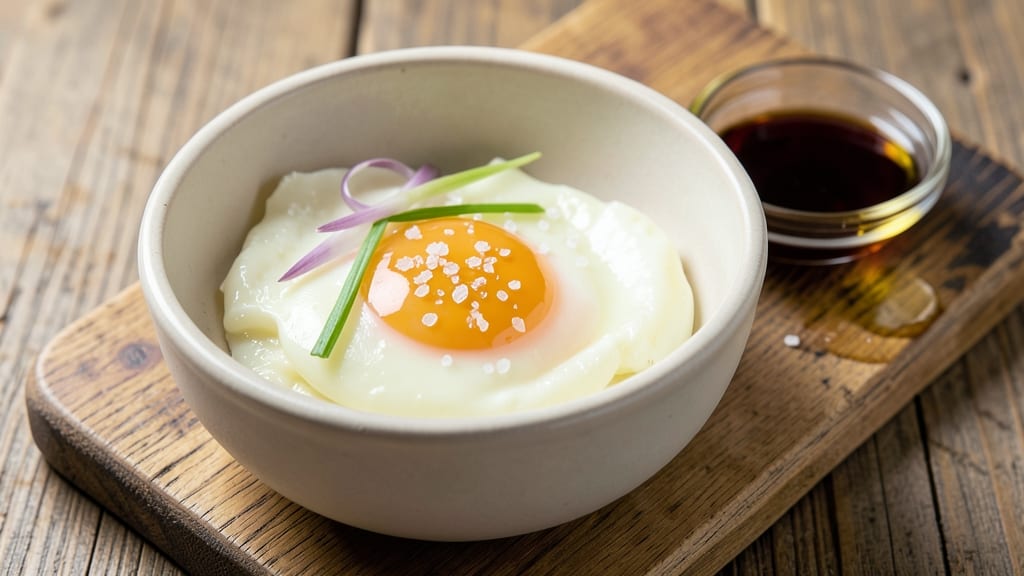
This soft steamed egg recipe transforms ordinary eggs into delicate, cloud-like bites with a perfectly set yolk that shines through like liquid gold. The secret lies in gentle steaming—no boiling, no scrambling—just pure, tender protein that melts in your mouth.
I developed this method after years of experimenting with different cooking techniques to achieve that restaurant-quality texture at home.
The process is surprisingly simple: you'll need just a steamer basket, a pot of simmering water, and fresh eggs. The foil-sealing technique ensures the yolk stays perfectly centered while the whites transform into silky, custardy clouds.
This method isn't just foolproof—it's also incredibly healthy, preserving all the egg's natural protein without adding unnecessary fat.
What you'll end up with is a dish that's elegant enough for brunch but simple enough for any day. The eggs emerge with a delicate, almost translucent appearance, their yolks still runny and vibrant. The texture is unlike anything you'd get from boiling or frying—light, airy, and completely satisfying.
Serve these steamed eggs on their own for a protein-rich breakfast or pair them with toasted bread, fresh herbs, and a drizzle of soy sauce for a complete meal. The possibilities are endless, but the technique remains the same—gentle heat, perfect timing, and beautiful results.
Ingredients for soft steam egg
Four essential ingredients transform simple eggs into restaurant-quality cloud-like delicacies through gentle steaming.
| Ingredient | Amount | Notes |
|---|---|---|
| Large Eggs 🥚 | 4 whole | Room temperature for even cooking |
| Water 💧 | 4 cups | Filtered preferred for clarity |
| Diamond Crystal Kosher Salt 🧂 | ½ tsp | Fine grain for delicate seasoning |
| Extra-Virgin Olive Oil 🫒 | 1 tsp | Light drizzle for foil seal |
| Heavy-Duty Aluminum Foil 📄 | 1 sheet | 12-inch square minimum |
| Fresh Soy Sauce 🍶 | 1 tbsp | For post-steaming drizzle |
| Fresh Dill Sprigs 🌿 | 4 whole | For garnish presentation |
| Toasted Sesame Seeds 🌾 | 1 tsp | Optional for crunch contrast |
| Steamer Basket 🍲 | 1 whole | Fits 6-quart pot |
| 6-Quart Pot 🍵 | 1 whole | Heavy-bottomed preferred |
The eggs must be room temperature—cold eggs develop uneven textures. Whole eggs work best here; separated whites won't achieve the same delicate cloud formation. For the water, filtered ensures crystal-clear results, though tap water works in a pinch. The Diamond Crystal kosher salt is crucial—its fine grain dissolves completely without graininess. I always keep a small container of it on hand for delicate seasoning tasks like this. The olive oil should be extra-virgin but light in flavor—avoid robust varieties that might overpower the subtle egg flavor.
No foil? Parchment paper works as a substitute, though it won't create the same perfect seal. The soy sauce should be fresh—avoid low-sodium varieties as they lack depth. For the dill, fresh is non-negotiable—dried loses its bright aroma. If you're short on time, chives or parsley work as alternatives, though they offer different flavor profiles. The steamer basket must fit snugly in your pot—12-inch diameter minimum ensures proper steam circulation. For presentation, the sesame seeds should be lightly toasted in a dry pan to enhance their nutty aroma without burning.
Store any unused eggs in their original carton in the coldest part of your fridge—they'll keep for up to 3 weeks from purchase date. The foil-sealed technique means these eggs reheat beautifully—microwave 20 seconds for a quick protein boost. For meal prep, portion the steamed eggs into glass containers with a thin layer of olive oil on top to preserve moisture. They'll maintain their delicate texture for 2 days in the fridge when properly stored. The equipment (steamer basket and pot) should be cleaned immediately after use to prevent mineral buildup from hard water.
Why You'll Love This Recipe
- Foolproof Foil Hack: I swear by this method—just crack eggs into foil, fold, and steam. No pans, no mess, no stress. The foil traps the heat perfectly, so you get that just-right soft yolk every time, even if you’re distracted by life (or a crying baby).
- Salted Simplicity: That first crack of the egg into the foil? Pure satisfaction. The kosher salt doesn’t just season—it crisps the edges just enough to balance the creamy center. Honestly, it’s the kind of flavor that makes you pause mid-bite, and it only takes a pinch.
- Lunchbox Hero: Between us, these are my go-to for meal prep. Wrap them up, toss in a container, and they stay perfect for days—no soggy eggs here. My kids (and my husband) fight over them, and I don’t even have to reheat them. Cold or at room temp, they’re always a win.
- Pantry Magic: Three ingredients you already own, plus foil you probably have lying around. That’s it. No specialty tools, no last-minute grocery runs. I’ve made these with eggs straight from the fridge, and they still turn out buttery and rich. Budget-friendly? More like guilt-free indulgent.
Step-by-step instructions for soft steamed eggs
Master the delicate art of foil-sealed steaming for eggs with perfect jiggle and vibrant yolks.
Prepare the Steaming Environment
Fill the 6-quart pot with the 4 cups of water and bring to a gentle simmer over medium-high heat. The water should maintain a steady temperature without vigorous boiling—this ensures even steaming and prevents cracking. Place the steamer basket inside the pot and position it at least 1 inch above the water level to allow proper steam circulation.
While the water heats, prepare the aluminum foil by cutting a 12-inch square from the sheet. This size will accommodate each egg comfortably while allowing for proper sealing. Keep the foil nearby as you'll need it immediately after the eggs are steamed. The foil creates a sealed environment that locks in moisture and heat, preserving the egg's delicate texture.
Steam the Eggs to Perfect Texture
Carefully crack each of the 4 whole large eggs into individual ramekins or small heatproof bowls. The eggs should be at room temperature for even cooking—this prevents temperature shock that could cause cracking. Gently lower the ramekins into the steamer basket, spacing them evenly to allow steam to circulate around each egg.
Cover the pot with a lid and steam the eggs for exactly 6 minutes. You'll know it's time to stop when the egg whites have set but still maintain a slight jiggle in the center—this indicates perfect doneness. Avoid oversteaming, as this will turn the eggs rubbery. The gentle steam transforms the eggs into delicate, cloud-like textures while keeping the yolks vibrant and unbroken.
Seal with Foil and Olive Oil
Immediately after steaming, remove the ramekins from the steamer basket and place them on a heatproof surface. Quickly pour the 1 teaspoon of extra-virgin olive oil over the foil square, spreading it lightly with your fingers. The oil creates a non-stick barrier that prevents the foil from sticking to the eggs when sealed.
Carefully drape each steamed egg in the oiled foil, wrapping it completely to create an airtight seal. Press the edges firmly to eliminate any air pockets—this ensures the yolks remain intact during the final resting period. The foil seal locks in the heat and moisture, allowing the eggs to develop their signature tender, custard-like texture while maintaining their shape.
Rest and Finish with Seasoning
Let the foil-sealed eggs rest for 5 minutes. This resting period allows the heat to redistribute evenly, ensuring the yolks remain perfectly centered and the whites maintain their delicate structure. During this time, prepare the garnishes by finely chopping the 4 whole fresh dill sprigs and setting aside the 1 teaspoon of toasted sesame seeds.
After resting, carefully unwrap each egg and transfer it to a serving plate. Drizzle with the 1 tablespoon of fresh soy sauce, allowing it to pool gently around the eggs. Sprinkle with the chopped dill and sesame seeds for a balance of freshness and subtle crunch. Serve immediately while the eggs are still warm, as their delicate texture begins to firm up quickly once removed from the foil.
Pro Tips For Making Soft Steam Egg
- CRACK EGGS INTO COLD WATER: I learned this the hard way—hot water makes eggs scramble before they even hit the foil. Use room-temperature water (not boiling) and gently lower eggs in one at a time. The foil seals better when the whites hold their shape, and you’ll get that silky, custardy texture instead of a sad, rubbery mess.
- SALT THE WATER LIGHTLY: Diamond Crystal is salty stuff—start with 1 teaspoon per quart of water, then adjust. Too much salt toughens the whites, and you’ll end up with a briny, dense egg instead of a tender, cloud-like center. Taste the water before adding eggs; it should be like the sea, not a salt mine.
- DOUBLE-WRAP THE FOIL: This isn’t the prettiest method, but it’s the tastiest. After sealing the foil over the pot, fold the edges back once more to create a second barrier. Steam escapes through single layers, and you’ll end up with eggs that dry out or stick. Double-wrapping locks in moisture—trust the process, even if it looks like a tin foil burrito.
- REST BEFORE OPENING: Give the eggs a solid 5-10 minutes under foil after they’re done. Rushing to open them too soon means the heat escapes, and the yolks won’t set properly. The foil acts like a blanket—let it work its magic before peeking. Your future self will thank you for the creamy, jiggly center.
Storing and reheating this dish
Fridge Storage Tips
These delicate steamed eggs store beautifully in the fridge for up to 2 days if handled properly. Transfer them to an airtight container lined with parchment paper to prevent sticking. I like using glass containers because they preserve the eggs' delicate texture better than plastic.
Place a thin layer of olive oil on top to keep them moist—this is my secret for maintaining that cloud-like texture. 💧
Freezer-Friendly Method
For longer storage, freeze the foil-sealed eggs for up to 1 month. First, let them cool completely to room temperature, then wrap each individually in plastic wrap before placing in a freezer bag.
When reheating, microwave on low power for 30 seconds—this gentle heat restores their tender texture without overcooking. I've found this works best for meal prep when you want to have perfect eggs ready in minutes.
Reheating Perfection
To revive steamed eggs from the fridge, microwave for 15-20 seconds on medium power. The key is to cover them loosely with a damp paper towel to trap steam while allowing moisture to escape.
For stovetop reheating, place the eggs in a lightly oiled pan over low heat for 2-3 minutes—this maintains their delicate structure better than high heat. Always check the yolk temperature to ensure it's still warm but not overcooked. 🔥
Garnish Preservation
Keep the fresh dill and sesame seeds separate until serving to maintain their vibrant flavors. Store the chopped dill in a small airtight container with a paper towel to absorb excess moisture.
The soy sauce should be refrigerated in its original bottle. When reheating, add fresh garnishes right before serving to ensure maximum flavor impact—this makes all the difference in presentation and taste.
Texture Restoration
If your steamed eggs develop a slightly firmer texture after storage, don't worry—they're still delicious. Simply add a dash of warm water to the plate before serving and place the eggs on top. The steam will help restore some of that original tenderness.
For extra richness, drizzle with a bit more olive oil before eating. This technique works wonders for maintaining that restaurant-quality texture at home. ✨
Nutrition facts
Frequently asked questions
Why do the eggs need to be room temperature?
Cold eggs create uneven heat distribution during steaming, which can cause cracking or uneven texture. Room temperature eggs cook more evenly, ensuring that delicate cloud-like whites and perfectly set yolks form consistently. Simply take them out of the fridge 30 minutes before cooking.
Can I use ramekins instead of bowls for steaming?
Ramekins work perfectly for this recipe—their straight sides help contain the eggs while allowing steam to circulate evenly. Just ensure they're heatproof and large enough to hold each egg without overflowing. I prefer ramekins because they make plating easier for presentation.
What if my eggs oversteam and turn rubbery?
Oversteaming is the most common mistake, but don't worry—you can still salvage them! If the whites become rubbery, try reheating gently in a lightly oiled pan over low heat for 1-2 minutes while adding a splash of warm water to restore tenderness. The key is to steam for exactly 6 minutes and watch closely for that slight jiggle.
Can I make these eggs ahead of time?
Yes! These steamed eggs reheat beautifully. Store them in an airtight container with a thin layer of olive oil on top to maintain moisture. Reheat in the microwave for 15-20 seconds on medium power, or gently warm in a pan over low heat for 2-3 minutes. The foil-sealing technique helps preserve their texture for up to 2 days in the fridge.
What's the best way to serve these delicate eggs?
These eggs shine as a light, elegant breakfast or brunch dish. Serve them on a chilled plate with a drizzle of fresh soy sauce, toasted sesame seeds, and finely chopped herbs. For extra flair, pair them with crispy toasted bread or a side of steamed greens. The contrast of textures makes every bite special!