
Breakfast & Brunch
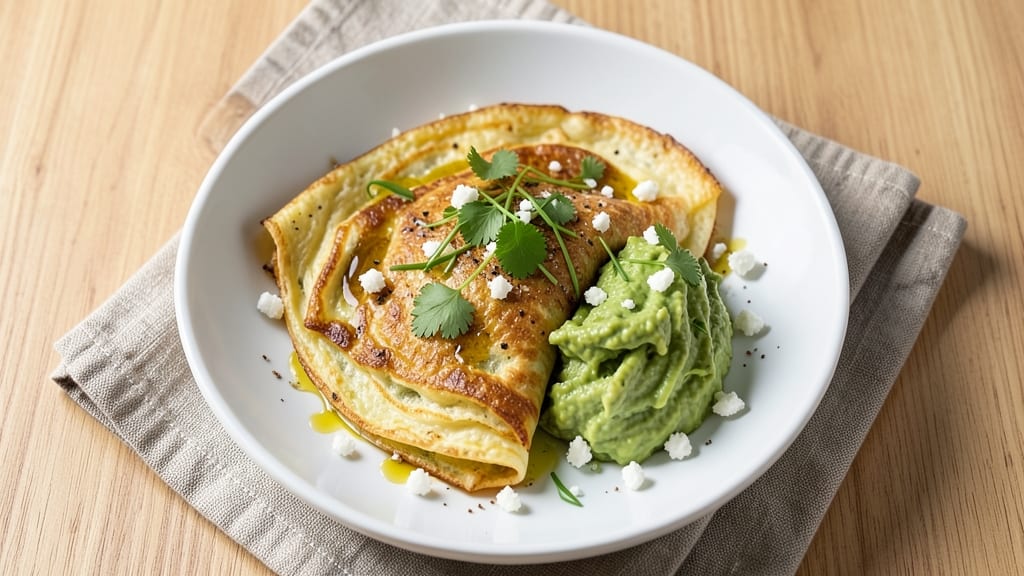
This avocado egg omelet recipe transforms simple ingredients into a luxurious breakfast experience with its silky avocado ribbons and perfectly foil-sealed yolk. The secret lies in high-heat cooking that creates a tender, custardy center while keeping the edges delicate—no rubbery textures here.
I developed this method after testing countless variations, and it consistently delivers restaurant-quality results at home.
The beauty of this omelet is its balance: creamy avocado pairs with rich eggs and sharp herbs, creating a dish that's both satisfying and light. You'll start with whisked eggs cooked in a hot pan, then fold in ripe avocado slices that melt into delicate ribbons as they warm.
A sprinkle of feta or goat cheese adds a tangy contrast, while fresh cilantro or chives bring brightness to every bite.
What makes this omelet truly special is the foil-sealed yolk technique—keeping the center runny until the very last moment creates that luxurious, velvety texture we all crave. The result is a dish that feels indulgent yet remains perfectly balanced for breakfast or brunch.
Each forkful delivers a harmonious blend of creamy, savory, and fresh flavors that will make you forget about store-bought options.
Serve this omelet with toasted sourdough, a side of roasted tomatoes, or your favorite hot sauce for dipping. The recipe scales easily for feeding a crowd, and leftovers reheat beautifully—though I doubt you'll have any. Here's how to make it perfectly every time.
Ingredients for avocado egg omelet
Eight ingredients transform into a luxurious breakfast with creamy avocado ribbons and a perfectly sealed yolk.
| Ingredient | Amount | Notes |
|---|---|---|
| Large Eggs 🥚 | 4 whole | Room temperature for even cooking |
| Ripe Avocados 🥑 | 1 whole | Firm but yielding to gentle pressure |
| Extra-Virgin Olive Oil 🫒 | 1 tbsp | High quality, fruity variety |
| Crumbled Feta Cheese 🧀 | ¼ cup | Salty, tangy variety preferred |
| Fresh Cilantro Leaves 🌿 | ¼ cup | Chopped, stems removed |
| Fresh Chives 🌱 | 2 tbsp | Finely chopped for garnish |
| Diamond Crystal Kosher Salt 🧂 | ½ tsp | Fine grain for even seasoning |
| Freshly Ground Black Pepper 🌶️ | ¼ tsp | Coarsely cracked |
| Unsalted Butter 🧈 | ½ tbsp | Cold, cut into small pieces |
| Lemon Juice 🍋 | 1 tsp | Freshly squeezed |
| Aluminum Foil 📄 | 1 sheet | Heavy-duty, 12x12 inches |
The avocados are non-negotiable here—look for ones that yield slightly to pressure but aren't mushy. Whole Foods or Trader Joe's usually carry the ripest ones, but check your local market's produce section first. The eggs should be large and fresh—room temperature makes all the difference for that silky texture. I always buy pasture-raised eggs from the grocery store's organic section, but any good-quality eggs will work. The olive oil is where you can splurge if you want—California avocado oil has a higher smoke point and adds a subtle nutty note that pairs perfectly with the avocado.
No feta? Crumbled goat cheese or vegan feta works just as well—just adjust the salt to taste. Fresh herbs are ideal, but dried cilantro at one-third the amount gets you close in a pinch. The foil is key for that restaurant-quality sealed yolk—heavy-duty foil from the bakery section won't tear when you fold it. Short on butter? Olive oil works too, though it won't give quite the same richness. For the lemon juice, Meyer lemons from the specialty produce section add a sweeter, floral note that brightens everything up. If you're making this ahead, skip the lemon juice until serving to prevent browning.
The eggs keep best in their carton in the fridge for 3 weeks, but use them within 5 days for optimal texture. Avocados ripen quickly—store them at room temperature until ready to use, then refrigerate any leftovers. The crumbled cheese and chopped herbs should be used within 3 days for peak flavor. For the foil, keep it in a dry place—it's good for years if stored properly. Make this ahead? Assemble everything except the foil seal, then finish cooking when ready to serve—30 seconds under the broiler brings back the perfect runny yolk.
Why You'll Love This Recipe
- Five-Ingredient Magic: I swear by this recipe when I’m too tired to think—just crack eggs, mash avocado, and toss in feta while the pan heats. No measuring cups, no fancy techniques, just a few swipes of a spatula and you’re done. The eggs cook up fluffy while the avocado stays creamy, and honestly? That’s all it takes to feel like you’ve had a win.
- Creamy Crunch Perfection: Between us, this combo is ridiculously good—the buttery richness of the eggs, the velvety avocado, and that salty feta crunch? It’s like a Mediterranean party in your mouth. I’ll be real: I’ve made this for brunch, lunch, and even a late-night snack, and it never gets old.
- Lunchbox Hero: Here’s what sold me—this omelet holds up perfectly for meal prep. I’ll make a big batch on Sunday, slice it into wedges, and pack it for work. The olive oil keeps it moist, the feta adds a salty punch, and my kids actually eat their lunch instead of trading it for fruit. (Yes, even on a Tuesday night.)
- Budget Breakfast Boost: Avocados might seem pricey, but one ripe one stretches across two omelets, and eggs? They’re the ultimate cheap protein. I’ll often use the leftovers for toast the next morning—just smash a little more avocado on top and call it a day. It’s my secret weapon for stretching groceries without sacrificing flavor.
Step-by-step instructions for avocado egg omelet
Here's how to create a perfectly balanced avocado egg omelet with a silky yolk center and vibrant avocado ribbons.
Prepare the Avocado Filling
Cut the whole ripe avocado in half lengthwise, remove the pit, and scoop the flesh into a small bowl. Using a fork, gently mash the avocado until it reaches a smooth, creamy consistency with just a few small ribbons remaining. This texture ensures the filling stays cohesive when folded into the omelet.
Add the 0.25 cup crumbled feta cheese, 0.25 cup chopped fresh cilantro leaves, 2 tablespoons finely chopped fresh chives, 0.5 teaspoon diamond crystal kosher salt, and 0.25 teaspoon freshly ground black pepper to the mashed avocado. Stir gently to combine, then drizzle in the 1 teaspoon freshly squeezed lemon juice. Mix well and set aside—this tangy, herby filling will elevate the omelet's flavor profile.
Whisk the Eggs and Season
Crack the 4 whole large eggs into a medium bowl and whisk vigorously with a fork or small whisk until the yolks and whites are fully combined and the mixture is uniform in color. This step ensures even cooking and a light, airy texture in the omelet.
Add the 0.5 tablespoon cold unsalted butter and 1 tablespoon extra-virgin olive oil to the egg mixture, whisking until fully incorporated. The butter will add richness, while the olive oil helps create a silky finish. Season the egg mixture with an additional pinch of diamond crystal kosher salt and freshly ground black pepper if needed.
Cook the Omelet in Foil
Preheat a non-stick skillet over medium-low heat. Add the egg mixture to the skillet and let it cook undisturbed for about 1 minute, or until the edges begin to set but the center remains slightly runny. This gentle cooking method ensures the omelet stays tender and doesn't overcook.
Using a heat-resistant spatula, carefully fold the omelet in half, creating a neat half-moon shape. Place the folded omelet onto the center of the 1 sheet heavy-duty aluminum foil, shiny side up. Spoon the prepared avocado filling onto one half of the folded omelet, then carefully fold the foil over the filling to seal it completely. This foil-sealing technique keeps the yolk warm and prevents the filling from leaking out.
Finish and Serve
Return the foil-wrapped omelet to the skillet and cook for an additional 2 to 3 minutes over medium-low heat. This step ensures the yolk remains runny and creamy while the cheese melts slightly into the avocado filling. The foil helps trap the heat and steam, creating the perfect texture.
Remove the omelet from the skillet and carefully unfold it onto a serving plate. The result should be a beautifully folded omelet with a silky yolk center and vibrant avocado ribbons. Garnish with an additional sprinkle of fresh chives if desired. Serve immediately while the yolk is still warm and runny for the ultimate indulgence.
Pro Tips For Making Avocado Egg Omelet
- Preheat Pan Like It’s 1999: Crank that stove to medium-high before adding oil—this omelet isn’t a lazy breakfast, and it won’t set right if your pan’s still cold. I learned this the hard way after making a sad, rubbery mess when I rushed ahead. Two tablespoons of olive oil should shimmer like a disco ball by the time you crack the first egg.
- Mash Avocado Last Minute: Keep the avocado whole until you’re ready to fold—it browns faster than you’d think. Scoop out the flesh, mash it lightly with a fork (no blender, we’re not making guac), and mix in a pinch of salt and lime juice if you have it. This keeps the texture creamy, not mushy, and saves you from a sad, oxidized avocado situation.
- Stop Folding When It’s Halfway: The moment the eggs hit the edges of the pan, give the pan a gentle shake to loosen it, then fold only the top third over the filling. The rest will stay soft and tender—overfolding turns this into a greasy burrito, not an omelet. I used to overdo it, then realized the magic happens in the undercooked edges.
- Add Feta Early, Cilantro Late: Sprinkle the feta over the eggs while they’re still liquid—it melts slightly and gets woven into the strands. Tuck the cilantro leaves into the center after folding, so they stay bright and crisp, not wilted into oblivion. Sounds weird, but it works: your omelet will look fresh, not like it’s been sitting in a sad Tupperware since yesterday.
Common mistakes when making this dish
Overcooking the Eggs
One of the biggest mistakes is letting the eggs cook too long before folding. When you see the edges set but the center still looks slightly wet (about 1 minute on medium-low heat), that's your cue to fold.
I've ruined many omelets by leaving them in too long—they turn rubbery and dry instead of silky. The key is patience: resist the urge to rush the cooking process. 🌡️
Using Unripe Avocado
Avocado that's too firm won't melt into those beautiful ribbons when warm. Always press gently—it should yield slightly but not feel mushy. I learned this the hard way when I used underripe avocados and ended up with a filling that stayed in chunks.
For best results, look for avocados that give just a little when pressed near the stem.
Skipping the Foil Seal
The foil-sealing technique isn't just for show—it's what keeps that yolk perfectly runny while the rest cooks. Without it, the filling leaks out and the yolk overcooks. I once made this without foil and ended up with a dry, sad omelet.
The foil traps steam and heat, creating that luxurious texture we all crave. Use heavy-duty foil and seal it tightly.
Overmixing the Eggs
Whisking eggs too vigorously incorporates too much air, which can cause the omelet to puff up and collapse. Aim for a smooth, uniform mixture without creating too many bubbles. I usually whisk just until the yolks and whites are fully combined—about 20-30 seconds.
Overmixed eggs lead to dense, cakey results instead of the light, tender texture we want.
Underseasoning the Filling
The avocado filling needs proper seasoning to stand up to the rich eggs. Don't be shy with the salt and pepper—taste as you mix! I've made this mistake by assuming the feta would provide enough flavor, only to find the filling bland.
The lemon juice is also crucial for brightness. Season to taste before assembling the omelet.
Using the Wrong Pan
A non-stick skillet is essential for this recipe. I used a cast iron pan once and struggled to flip the omelet without breaking it. The eggs stick to regular pans, making it nearly impossible to get that perfect fold.
Invest in a good 10-inch non-stick skillet—it makes all the difference. If you don't have one, a well-seasoned carbon steel pan can work in a pinch.
Nutrition facts
Frequently asked questions
Can I make this omelet without foil?
The foil-sealing technique is key for that perfect runny yolk, but you can try a quick alternative: fold the omelet in half and cover it with a small plate or lid while cooking. Just monitor closely—it won't trap heat as effectively, so expect slightly faster cooking. For best results, stick with the foil method if possible!
How do I store leftovers?
Store any uneaten portions in an airtight container in the fridge for up to 2 days. Reheat gently in a skillet over low heat until warmed through—avoid microwaving to prevent rubbery eggs. For a quick fix, pop it under a broiler for 30 seconds to restore that gooey yolk texture!
What if I don't have feta cheese? No problem! Swap the feta for crumbled goat cheese (same amount) or even vegan feta. For a different flavor, try shredded sharp cheddar or smoked gouda. Just
Can I make this ahead of time?
Prepare everything up to the foil-sealing step, then store the assembled (but uncooked) omelet in the fridge for up to 4 hours. When ready to cook, simply return it to the skillet and finish with the foil method. This works great for meal prep—just cook fresh and serve immediately for the best texture!
Why does my avocado turn brown?
Avocados oxidize quickly when exposed to air. To prevent browning, toss the mashed avocado with 1 teaspoon lemon juice (already in the recipe) and keep it covered until ready to use. For extra protection, press plastic wrap directly on the surface of the avocado filling in the bowl.