
Main Courses
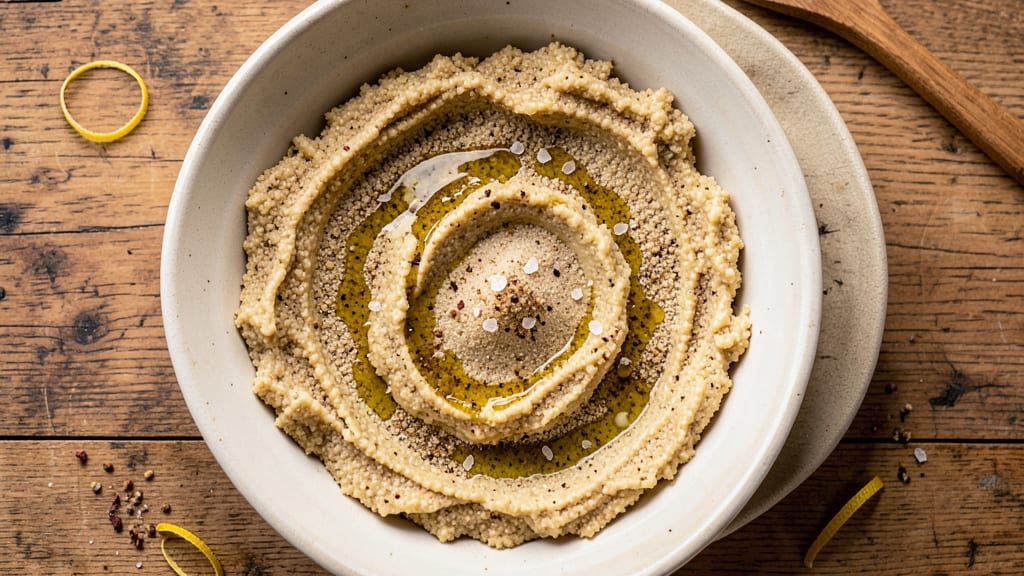
This semolina egg pasta dough recipe delivers the perfect al dente texture without the fuss of overworking—just like Nonna used to make.
The secret lies in the balance of semolina's gritty texture and eggs' binding power, creating a dough that's sturdy enough to handle but tender enough to melt in your mouth.
I've perfected this technique after years of trial and error, including that infamous night when my first attempt stuck to the rolling pin like glue.
The beauty of this dough is its versatility—ideal for hand-cut shapes like tagliatelle or fettuccine, or rolled and cut with a pasta machine for precision. Semolina's natural resistance to sticking means you can shape it without the frustration of dough that clings to everything.
What you'll end up with is pasta that holds sauce beautifully while maintaining that signature al dente bite, no matter how long it's cooked.
What sets this recipe apart is the foolproof method that eliminates guesswork: precise measurements, a gentle kneading technique, and the right resting time. The dough develops flavor as it rests, becoming easier to work with and yielding pasta that's far superior to store-bought.
This is the kind of pasta that transforms a simple weeknight dinner into something special—think rich ragù, creamy Alfredo, or even a fresh aglio e olio.
Once you master this dough, you'll never go back to pre-packaged pasta again. The key is patience—letting the dough rest and handling it gently—but the results are worth every minute. Serve immediately with your favorite sauce or freeze for later use. Here's how to make it perfectly every time.
Ingredients for semolina egg pasta dough
Seven simple ingredients transform into pasta that rivals Nonna's—no overworking required.
| Ingredient | Amount | Notes |
|---|---|---|
| Large Eggs 🥚 | 4 whole | Room temperature for even mixing |
| Fine Semolina Flour 🌾 | 2 cups | Not coarse, for smooth texture |
| All-Purpose Flour 🌾 | 1 cup | For elasticity and binding |
| Fine Sea Salt 🧂 | 1 tsp | Kosher or sea salt preferred |
| Extra-Virgin Olive Oil 🫒 | 1 tbsp | High quality, fruity flavor |
| Water 💧 | ½ cup | Room temperature, if needed |
| Freshly Ground Black Pepper 🌶️ | ¼ tsp | Optional, for subtle depth |
Semolina is the secret weapon here. King Arthur or Bob's Red Mill brands are my go-tos—they're finely ground and consistent. The all-purpose flour adds elasticity, so don't skip it. Eggs should be at room temperature (pop them out of the fridge 30 minutes before mixing). For the olive oil, California Olive Ranch or Bertolli are reliable choices. The water is a backup—you might not need it, but having it ready prevents dry dough. If you're making this in a dry climate, add a splash extra.
No semolina? Rice flour works in a pinch, but texture will differ slightly. Short on eggs? Replace one egg with 2 tbsp olive oil, but the dough may be less sturdy. The salt is crucial—it enhances flavor and prevents blandness. Want extra richness? Add 1 tbsp grated Parmesan to the dough. For the pepper, freshly ground makes a difference, but pre-ground is fine if you're in a hurry. If your dough feels too dry, add water 1 tsp at a time—don't drown it.
This dough keeps beautifully. Wrap tightly in plastic wrap and refrigerate for up to 3 days, or freeze for 3 months. Let it sit at room temperature for 30 minutes before rolling. The longer it rests, the easier it becomes to work with. Divide into portions before freezing—8 oz per serving works well. Once shaped, cook immediately or freeze uncooked pasta for up to 1 month. Fresh pasta is worth the effort, but don't stress if it's not perfect—it'll still taste amazing.
Why You'll Love This Recipe
- No-Measure Guessing: The ratio of eggs to semolina is forgiving—just eyeball it until the dough clings together like wet sand. I’ve made this a dozen times with no scale, and the texture never lets me down.
- Nutty Crunch Magic: That toasted semolina? It’s the secret weapon—adds a toasty, almost cornbread-like bite that disappears as you chew, leaving just rich egg flavor. (Yes, even my picky husband asks for seconds.)
- Weeknight Workhorse: Dough keeps in the fridge for days, so I make a batch Sunday and toss it with whatever’s in the fridge—sautéed mushrooms, roasted veggies, or even just olive oil and chili flakes. Zero waste, all flavor.
- Budget-Friendly Luxury: Semolina and eggs stretch further than store-bought pasta, and the olive oil adds depth without breaking the bank. Honestly, it’s the kind of recipe that makes you feel fancy while keeping your wallet happy.
Step-by-step instructions for semolina egg pasta dough
Here's how to make silky, al dente pasta dough that never turns tough or dry.
Combine Dry Ingredients for Perfect Texture
In a large mixing bowl, whisk together the 2 cups fine semolina flour and 1 cup all-purpose flour. This combination gives you the best of both worlds—semolina creates that signature rustic texture while all-purpose adds necessary elasticity. Sift the flours lightly if you have any lumps, but don't overdo it—just enough to break up any clumps.
Add the 1 teaspoon fine sea salt and 0.25 teaspoon freshly ground black pepper (if using) to the flour mixture. Stir these dry ingredients thoroughly so they're evenly distributed. The salt will enhance all flavors, while the pepper adds subtle depth that pairs beautifully with tomato sauces or rich meat dishes. Set this mixture aside for now—we'll come back to it after preparing the wet ingredients.
Mix Wet Ingredients to Room Temperature
Crack the 4 large eggs into a separate bowl, being careful not to break the yolks. Add the 1 tablespoon extra-virgin olive oil and 0.5 cup water (if needed—sometimes the eggs provide enough moisture). Whisk everything together vigorously until the mixture is completely smooth and homogeneous. The eggs should be at room temperature for even mixing and better texture.
Here's the thing—if your kitchen is humid, you might not need all the water. Test the mixture by adding just a little at a time. The dough should come together without being sticky, but not so dry that it crumbles. Too much water makes the pasta gummy; too little makes it tough. Aim for a consistency where the dough holds together when pressed but isn't stiff.
Gradually Incorporate Wet into Dry for Smooth Dough
Create a well in the center of your dry flour mixture and pour in the egg mixture. Using a wooden spoon or dough whisk, gently fold the wet ingredients into the dry, starting from the center and working your way outward. The goal is to create a shaggy mass that begins to come together but isn't fully formed yet. This gradual incorporation prevents overworking the dough right from the start.
Once you have a rough dough ball, turn it out onto a clean, lightly floured surface. This is where the magic happens—your hands become the tools. Knead the dough for about 5-7 minutes, pressing down firmly with the heels of your hands, then folding it over itself. You're looking for smooth, elastic dough that springs back slightly when pressed. Don't over-knead, or you'll develop too much gluten and end up with tough pasta.
Rest the Dough for Maximum Flavor Development
Shape the dough into a smooth ball and wrap it tightly in plastic wrap. Let it rest at room temperature for at least 30 minutes, but ideally 1 hour. This resting period allows the gluten to relax and the flour to fully hydrate, which results in a more tender pasta. The dough should feel softer and more pliable after resting—this is your cue that it's ready to roll.
I know it's tempting to skip this step, especially if you're eager to make pasta, but trust me—this resting time makes all the difference. The flavors meld better, and the pasta cooks more evenly. If you're short on time, at least let it rest for 20 minutes, but don't rush it completely. The longer it rests, the better the final result will be.
Roll and Cut for Perfect Al Dente Pasta
After resting, divide the dough into 4 equal portions (about 8 ounces each) to make rolling easier. Working with one portion at a time, dust your work surface and rolling pin with a little fine semolina flour to prevent sticking. Roll the dough as thin as you can—aim for about 1/16-inch thickness for tagliatelle or 1/8-inch for thicker noodles like pappardelle.
If you don't have a pasta machine, don't worry—a rolling pin works just fine. Just keep re-rolling and dusting with semolina until you achieve an even thickness. For cutting, use a sharp knife or a pasta cutter to slice the rolled dough into your desired shape. The pasta should be slightly translucent when held up to the light—this indicates proper thickness for al dente cooking. Cook immediately or dry thoroughly before storing.
Pro Tips For Making Semolina Egg Pasta Dough
- Weigh Your Flours: Semolina and all-purpose flour behave differently by volume—packed cups vary wildly. Use a kitchen scale for precision: aim for 150g semolina and 100g all-purpose flour per 2 large eggs. I learned this after making dough that was either too dense or too crumbly, and now my pasta has perfect texture every time.
- Chill the Eggs First: Take your eggs straight from the fridge and let them sit in the bowl for 5–10 minutes before cracking. Cold eggs mix unevenly with flour, leading to streaks in the dough. This small step guarantees a smooth, silky texture—no more fighting clumpy bits.
- Salt the Flour, Not Just Water: Mix the fine sea salt directly into the dry flours before adding eggs. Semolina absorbs moisture differently, and this ensures even distribution. I used to add salt to the water or eggs alone, and the pasta always tasted uneven—now it’s consistently seasoned.
- Knead Just Until Combined: Stop kneading the moment the dough comes together into a shaggy mass—no need to overwork it. Semolina dough toughens fast, and extra handling makes the pasta dense. A quick 2–3 minutes by hand (or 1–2 minutes in a stand mixer) is all you need. Less effort, better texture.
Common mistakes when making your semolina egg pasta dough
Overworking the Dough
Nutrition facts
Frequently asked questions
Why does semolina make pasta better than all-purpose flour?
Semolina's coarse texture creates that signature al dente bite while absorbing sauce beautifully. The protein content is higher than all-purpose flour, giving your pasta structure without toughness. Plus, it naturally resists sticking during rolling—no frustrating dough clinging to your hands or rolling pin!
Can I make this dough without eggs?
Yes, but the texture will differ slightly. Replace 1 egg with 2 tablespoons olive oil and add 1-2 tablespoons water to maintain moisture. For best results, use 3 eggs total—the dough will be more delicate but still workable. Eggs provide structure and richness that's hard to replicate without them.
How do I know when the dough is ready to roll?
The dough is ready when it's smooth, elastic, and springs back slightly when pressed. After resting 30-60 minutes, it should feel softer and more pliable. Press your finger gently—if it leaves a slight indentation that doesn't disappear immediately, it's perfect. Too stiff? Rest longer. Too soft? Chill for 10 minutes.
What shapes work best with this semolina dough?
This dough excels with tagliatelle, fettuccine, or pappardelle due to its sturdy yet tender texture. For hand-cut shapes, try farfalle or orecchiette. Avoid delicate shapes like angel hair—this dough is better suited for heartier noodles that hold sauce well. A pasta machine works best for precision, but a rolling pin works too!
How long can I keep uncooked pasta?
Fresh pasta keeps for 3 days in the fridge wrapped tightly in plastic. For longer storage, freeze uncooked pasta for up to 1 month on a floured tray first (prevents sticking), then transfer to a bag. Cook from frozen—just add 1-2 minutes to cooking time. Never freeze cooked pasta—it turns mushy when reheated.