
Salads
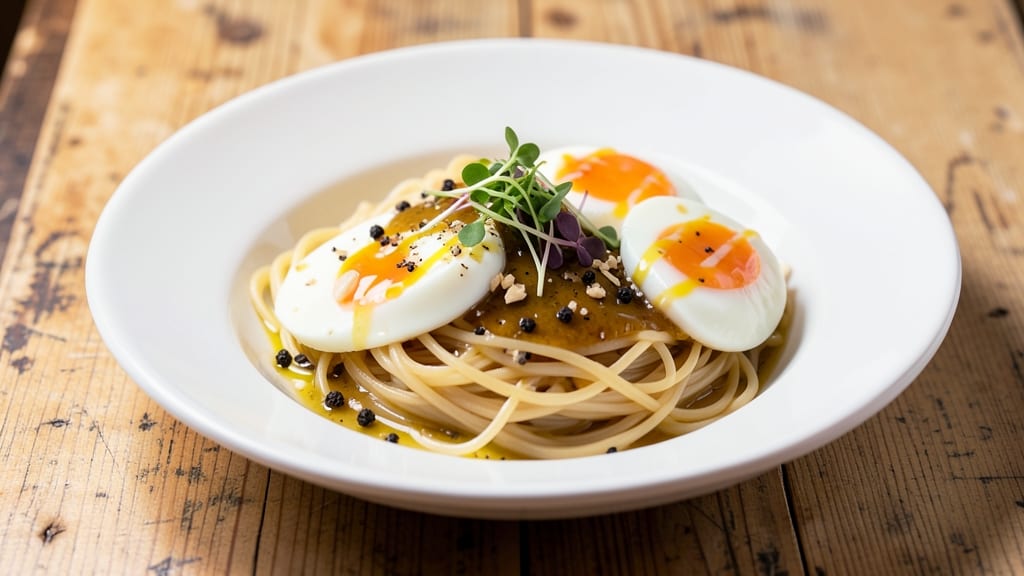
This angel hair pasta and egg recipe transforms simple ingredients into a restaurant-worthy dish with silky ribbons of pasta and perfectly cooked eggs in a bright lemon-garlic broth.
The key lies in al dente pasta and eggs prepared just how you like them—poached, scrambled, or fried—all bathed in a light, aromatic sauce that elevates every bite.
What makes this dish special is its versatility: it’s vegetarian-friendly, ready in under 20 minutes, and customizable with herbs, vegetables, or cheese to suit any preference.
The foundation of this recipe is simple yet precise: boiling angel hair pasta until tender but still holding its shape, then combining it with eggs cooked to your liking. A quick lemon-garlic broth ties everything together, adding brightness and depth without overpowering the delicate flavors.
The result is a dish that’s light enough for a summer meal but hearty enough for a satisfying dinner—perfect for weeknights or special occasions alike.
What sets this recipe apart is its adaptability. You can keep it classic with just eggs and broth, or add sautéed spinach, cherry tomatoes, or a sprinkle of parmesan for extra richness.
The eggs act as the star, whether you prefer them softly scrambled, runny-yolked poached, or crispy-fried, ensuring every variation delivers that luxurious texture. The dish is also naturally gluten-free if you use rice noodles instead of pasta, making it inclusive for various dietary needs.
Once you master this technique, you’ll find endless ways to reinvent it—swap the lemon for white wine, add fresh herbs like basil or parsley, or even toss in some grilled shrimp for a seafood twist.
The beauty of this recipe is in its balance: minimal effort for maximum flavor, with every forkful offering a harmonious blend of textures and tastes. Ready to elevate your pasta game? Let’s get started.
Ingredients for angel hair pasta and egg
Angel hair pasta, eggs, and bright lemon-garlic broth make this dish shine.
| Ingredient | Amount | Notes |
|---|---|---|
| Angel Hair Pasta 🍝 | 8 oz | Dry weight, al dente preferred |
| Large Eggs 🥚 | 4 whole | Fresh, room temperature |
| Extra-Virgin Olive Oil 🫒 | ½ cup | Light, fruity variety |
| Fresh Garlic Cloves 🧄 | 3 cloves | Minced, for brightness |
| Lemon Juice 🍋 | 2 tbsp | Freshly squeezed |
| Vegetable Broth 💧 | 1 ½ cups | Low-sodium preferred |
| Fresh Basil Leaves 🌿 | ¼ cup | Chopped, for garnish |
| Salt 🧂 | 1 tsp | Diamond Crystal preferred |
| Black Pepper 🌶️ | ¼ tsp | Freshly ground |
| Cherry Tomatoes 🍅 | ½ lb | Halved, optional |
| Fresh Spinach 🌱 | 2 cups | Chopped, optional |
| Parmesan Cheese 🧀 | ¼ cup | Freshly grated, optional |
The pasta is the backbone—De Cecco or Barilla are my go-tos, but any high-quality brand works. Look for angel hair that’s thin and uniform, not thick spaghetti. Fresh eggs make all the difference here; Peters Farm or your local farmers market are best. If using store-bought, check the carton date—older eggs poach better. The olive oil should be light and fruity—California Olive Ranch is my favorite for this dish. Garlic cloves should be firm and free of sprouts; Whole Foods or Trader Joe's usually carry good-quality bulbs.
No fresh basil? Dried oregano at half the amount works in a pinch. Cherry tomatoes can be swapped for sun-dried tomatoes (oil-packed) at a quarter the amount—just drain them well. Spinach wilts fast, so pre-chop it and store in a sealed container until ready to use. The Parmesan is optional but adds richness; grate it yourself for best texture. For extra brightness, swap lemon juice for white wine vinegar at the same amount. Vegetable broth needs to be low-sodium—Pacific Foods or Imagine brands are my top picks for clean flavor.
Pasta cooks fast—2-3 minutes max—so have your pot boiling and a timer set. Eggs should be prepped while pasta cooks: poach in simmering water with a splash of vinegar, or scramble in a separate pan. The dish reheats beautifully—just add a splash of water or broth to loosen. Store leftovers in airtight containers for up to 3 days. For freezer-friendly versions, cook the pasta al dente, shock it in ice water, drain, and freeze with a light coat of oil. Reheat gently with a splash of water.
Why You'll Love This Recipe
- Five-Ingredient Magic: I swear, this dish is one of those rare recipes where the ingredient list reads like a grocery store speedrun—just pasta, eggs, olive oil, garlic, and lemon. That’s it. No fancy substitutions, no last-minute trips to the store. Honestly, I’ve made it three times in a row for lunch without even checking the pantry first.
- Garlic-Lemon Zing: The moment that crispy, golden egg yolk breaks over the al dente angel hair? Between us, it’s the kind of flavor that makes you pause mid-bite. The garlic sizzles in the olive oil until it’s fragrant but not bitter, and the lemon juice cuts through the richness like a bright, citrusy whisper. It’s simple, but it’s ridiculously good.
- Weeknight & Weekend Alike: I’ve served this to my book club over wine and my roommate after a 10 PM study session—same dish, different vibes. The angel hair cooks in minutes, and the eggs add richness without fuss. It’s the kind of meal that works whether you’re dressed up or still in pajamas, and honestly? That’s my kind of versatile.
- Leftovers That Don’t Suck: Most egg pasta dishes turn into sad, dry messes by day two. Not this one. The lemon keeps the pasta from getting gummy, and the eggs add a creamy, protein-packed boost. I’ve reheated portions in a skillet with a splash of water for two days straight—still tastes fresh, still gets eaten. Budget-friendly? Absolutely. Practical? Even more.
Step-by-step instructions for silky angel hair pasta with lemon-garlic egg broth
Here's how to create a delicate, silky pasta dish where tender egg ribbons melt into a bright lemon-garlic broth.
Cook the Pasta to Perfect Al Dente
Bring a large pot of water to a rolling boil and add the 8 oz angel hair pasta along with 1 tsp salt. Stir immediately to prevent sticking. Cook for 8-10 minutes until the pasta is al dente—it should have a slight bite but still be tender. I like to test by tasting a strand; it should be firm but not crunchy.
Reserve 1 cup of pasta water before draining—this starchy liquid is essential for creating a silky sauce later. Drain the pasta and return it to the pot, tossing gently with 2 tbsp lemon juice to brighten the flavor while it's still hot. Keep the pot off the heat for now; we'll use it in the next step.
Create the Lemon-Garlic Egg Broth
In a separate large skillet, heat 0.5 cup extra-virgin olive oil over medium-low heat. Add the 3 minced garlic cloves and cook for 1-2 minutes until fragrant but not browned—you want to preserve their sweetness, not burn them. Remove the skillet from heat and let it cool slightly.
In a bowl, whisk together the 4 whole large eggs until the yolks and whites are fully combined. Slowly pour the warm olive oil and garlic mixture into the eggs while whisking constantly. This creates a silky emulsion that will form the base of our sauce. Return the skillet to low heat and pour in the egg mixture, whisking gently as it begins to thicken.
Build the Flavorful Broth
Add the 1.5 cups vegetable broth to the skillet with the egg mixture, stirring continuously. Let the broth heat through for 2-3 minutes until it reaches a gentle simmer. The sauce should thicken slightly but remain pourable—this is where the magic happens. If it starts to curdle, remove it from heat immediately and whisk vigorously to restore smoothness.
Now add the cooked pasta to the skillet, tossing gently to coat every strand in the lemon-garlic broth. The residual heat from the pasta will help finish cooking the egg mixture into a velvety sauce. Stir in the 2 cups chopped fresh spinach and 0.5 lb halved cherry tomatoes, letting them wilt and soften in the warm broth for 1-2 minutes. The tomatoes will burst slightly, adding a lovely sweetness to the dish.
Finish with Fresh Herbs and Cheese
Remove the skillet from heat and stir in the 0.25 cup chopped fresh basil leaves and 0.25 cup freshly grated parmesan cheese. The basil adds a bright, fresh finish while the parmesan contributes a salty depth. Taste and adjust seasoning with 0.25 tsp black pepper if needed—this dish should balance bright lemon, rich egg, and savory herbs.
Serve immediately, garnished with additional basil leaves and a sprinkle of parmesan. The pasta should be coated in a silky, golden broth with delicate egg ribbons throughout. Each bite should deliver a perfect harmony of textures—tender pasta, creamy egg, and fresh vegetables—all tied together by the bright lemon-garlic flavor. Enjoy while warm for the best experience!
Pro Tips For Making Angel Hair Pasta And Egg
- Cook Pasta Al Dente: DESCRIPTION: Angel hair needs to be just tender—not mushy, not crunchy. Taste it at 1 minute before the package says "done," then drain immediately. I learned this the hard way after serving a batch where the strands turned to glue under the eggs.
- Sear Garlic First: DESCRIPTION: Toss minced garlic in olive oil over medium heat until it’s golden (not browned) before adding pasta. This prevents bitter flavors and makes the whole dish smell like heaven. Yes, even if you’re impatient like me—wait for the aroma to change.
- Whisk Eggs Cold: DESCRIPTION: Crack eggs into a bowl, add lemon juice, and whisk without pre-heating the bowl. Cold eggs blend smoother and won’t scramble when they hit the hot pasta. I skip this sometimes, and the eggs turn out grainy—don’t make that mistake.
- Reserve Pasta Water: DESCRIPTION: Before draining, scoop out ½ cup of starchy pasta water. Stir it into the egg mixture before combining with the pasta—it creates a silky sauce instead of a dry mess. This is the thing that actually changes the texture for the better.
Storing and reheating this dish
Refrigerator Storage
Store your angel hair pasta and egg dish in an airtight container for up to 3 days in the refrigerator. Let it cool completely before transferring to avoid condensation, which can make the pasta soggy.
I like using glass Pyrex containers because they keep the dish fresh and allow me to reheat it directly in the microwave. 💛
Freezer Prep Tips
For longer storage, cook the pasta al dente (1 minute less than package instructions), then shock it in ice water to stop cooking. Drain well and toss with 1 tablespoon olive oil to prevent sticking.
Portion into freezer-safe bags or containers, leaving ½-inch headspace for expansion. Label with the date—this dish stays delicious for up to 2 months.
Stovetop Reheating
My preferred method is reheating on the stovetop to maintain the silky texture. Add 2 tablespoons water or broth to the pasta and warm over medium-low heat for 3-4 minutes, stirring gently.
If the eggs seem dry, add another splash of liquid. The gentle heat prevents the eggs from scrambling excessively. ✨
Microwave Method
For quick reheating, transfer a portion to a microwave-safe bowl and cover loosely with a damp paper towel. Heat on 50% power for 1-2 minutes, then stir.
Add 1 tablespoon water or broth if needed, and continue heating in 20-second intervals until reaching 165°F internal temperature. Stir well between intervals to redistribute the sauce evenly.
Egg Texture Tips
Poached or softly scrambled eggs reheat best—avoid fully fried eggs, which can become rubbery. If your dish contains cherry tomatoes or spinach, reheat them separately to prevent mushiness.
For extra creaminess, stir in 1 tablespoon heavy cream while reheating. The lemon-garlic broth helps preserve the dish's brightness even after reheating.
Leftovers Reinvention
Transform leftover pasta into a frittata by adding beaten eggs to a skillet with the cooled pasta, then baking at 375°F for 15 minutes. Or turn it into a cold salad by tossing with arugula, shaved fennel, and lemon vinaigrette.
These creative uses prevent waste while giving the dish a whole new life. 💡
Nutrition facts
Frequently asked questions
Can I use this recipe with other types of pasta?
While angel hair pasta is ideal for its delicate texture, you can substitute with capellini or linguine for a slightly heartier bite. Avoid thick pastas like penne—they won't absorb the lemon-garlic broth as well. For gluten-free options, use rice noodles (cook 1 minute less) or chickpea pasta, but reduce the broth by ¼ cup since they absorb differently.
How do I prevent the eggs from curdling in the broth?
Work quickly and maintain low heat—never boil the broth. If it starts to curdle, remove immediately and whisk vigorously until smooth. For extra insurance, whisk the eggs with 1 tablespoon cold water before adding to the oil, and keep the skillet temperature below 160°F. The starchy pasta water helps stabilize the emulsion too!
What's the best way to cook the eggs in this dish?
Poached or softly scrambled eggs work best—they blend into the broth without overpowering it. For poached: simmer water with 1 tbsp vinegar, crack eggs in gently, and cook for 3-4 minutes. For scrambled: cook on low heat with 1 tbsp butter until just set (soft curds). Avoid overcooked eggs—they'll turn rubbery when reheated.
Can I make this dish ahead of time?
Yes! Cook the pasta al dente, cool completely, then store in an airtight container for 3 days. Prepare the egg broth separately (without eggs) and refrigerate. When ready to serve, reheat the broth gently, then add raw eggs to the skillet and stir until just set. This keeps the eggs creamy rather than dry.
What if I don't have fresh herbs?
No problem! Use ½ tsp dried basil or oregano instead of fresh, or swap for 1 tbsp chopped parsley. For extra flavor, add ½ tsp red pepper flakes or a pinch of nutmeg to brighten the dish. The lemon and garlic already provide plenty of flavor—herbs are just the finishing touch!