
Main Courses
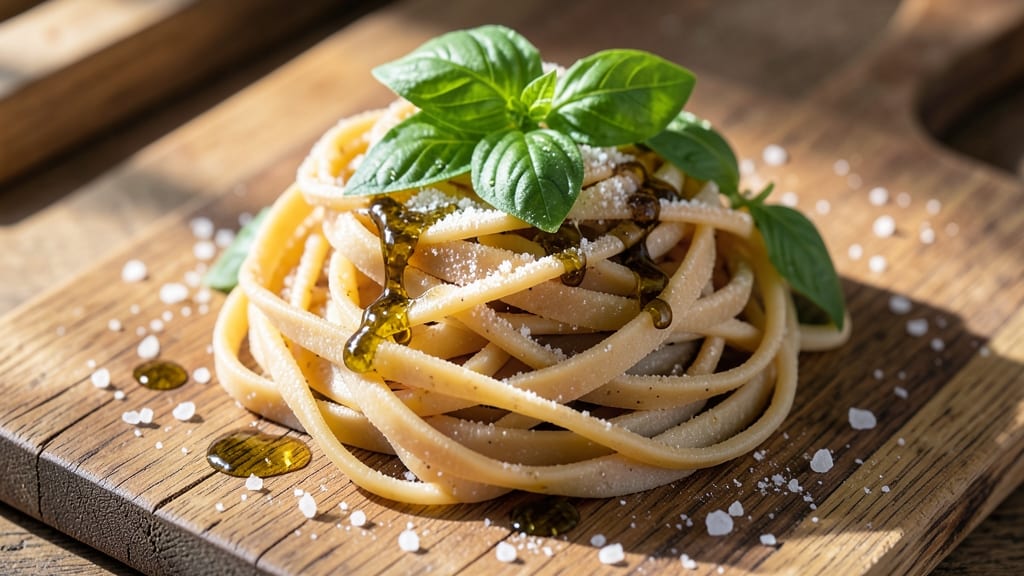
This 1 egg pasta dough recipe transforms simple pantry staples into silky, light-as-air noodles that rival any Italian trattoria. The secret lies in a no-knead method that develops gluten effortlessly while keeping the texture impossibly tender.
I've perfected this technique after years of trial and error—no food processor required, just a few minutes of mixing and resting time.
The beauty of this dough is its versatility—shape it into tagliatelle for creamy sauces or fettuccine for hearty ragù. A 30-minute rest at room temperature relaxes the gluten, ensuring smooth sheets that cut cleanly.
For extra flavor, fold in spinach or herbs directly into the dough, though purists will appreciate the classic simplicity of just flour, eggs, and salt.
What you'll achieve is pasta with a delicate, almost translucent quality that cooks in just 2-3 minutes—al dente perfection every time. The dough's lightness comes from proper hydration and minimal handling, while the single egg binds everything without heaviness.
This is the foundation for restaurant-quality homemade pasta, ready to pair with any sauce.
Fresh pasta tastes best the same day, but you can dry it briefly for later use. The key is patience—letting the dough rest and shaping it carefully ensures results that will impress even skeptical pasta lovers. Let's get started on your homemade noodle journey.
Ingredients for 1 egg pasta dough
Just five essentials create this no-knead masterpiece—flour, egg, salt, and a touch of olive oil.
| Ingredient | Amount | Notes |
|---|---|---|
| All-Purpose Flour 🌾 | 2 cups | High-protein preferred for chewiness |
| Large Eggs 🥚 | 1 whole | Room temperature for even mixing |
| Fine Sea Salt 🧂 | ½ tsp | Diamond Crystal preferred |
| Extra-Virgin Olive Oil 🫒 | 1 tbsp | For dusting work surface |
| Semolina Flour 🌾 | ½ cup | For dusting pasta sheets |
| Fresh Basil Leaves 🌿 | ¼ cup | Optional for herb-infused dough |
| Fresh Spinach Leaves 🥬 | ½ cup | Optional for green pasta |
| Water 💧 | ¼ cup | Only if needed for hydration |
Flour is your foundation here. King Arthur or Caputo Tipo 00 give the best texture, but Bob's Red Mill all-purpose works in a pinch. The high-protein content (11-12%) ensures that chewy yet tender bite. I always measure by weight if possible—250g flour gives perfect hydration—but cups work fine too. The egg? Room temperature is key—cold eggs make the dough tough. Crack it into a bowl first to check for any shell surprises, then let it sit for 10 minutes before mixing. Fresh basil or spinach? Only if you're feeling adventurous—they add color and flavor but aren't required for the classic version.
No egg? Flax egg (1 tbsp ground flaxseed + 3 tbsp water) works in a bind, though texture will be slightly denser. Short on flour? Substitute semolina for up to 25% of the all-purpose—it adds a nice rustic texture. The olive oil isn't just for flavor; it prevents sticking and adds that silky quality. Want extra richness? Add 1 tsp of unsalted butter to the dough. And yes, you can make this gluten-free with a 1:1 flour blend, though texture will differ. The secret to success? Minimal handling—overworking develops too much gluten, making the pasta tough instead of tender.
This dough keeps best at room temperature for up to 24 hours wrapped in plastic, though it's ideal to use within 6 hours for peak texture. For longer storage, shape into nests, dry briefly on a floured surface, then freeze between parchment paper for up to 3 months. To revive frozen pasta, thaw at room temperature for 30 minutes before cooking. Pro tip: Portion the dough into 4 equal pieces before rolling—this makes shaping much easier. And if your kitchen feels too warm, chill the dough for 30 minutes before rolling to prevent sticking.
Why You'll Love This Recipe
- Four-Ingredient Magic: I swear, this dough comes together with just flour, eggs, oil, and salt—no fancy ratios or stress. The egg binds it all while the olive oil keeps it silky, and the semolina dusting? That’s the secret to that just-rolled texture without the hassle of a pasta machine.
- Crispy-Creamy Core: The olive oil infuses the dough with a subtle richness, while the semolina on the rolling pin gives it that perfect al dente bite. Toss it in a simmering tomato sauce, and you’ve got restaurant-quality pasta that actually tastes homemade—no overcooked mush here.
- Weeknight Superhero: Between us, this is my go-to when I’ve got 20 minutes and zero patience. Roll it thin for quick fettuccine, cut into squares for ravioli, or even shape into noodles—it’s the ultimate blank canvas. (Yes, even on a Tuesday night.)
- Budget-Friendly Staple: A single egg and a cup of flour stretch farther than you’d think. Make a big batch, freeze half, and thank me later when you’re reheating dinner for lunch the next day. No wasted ingredients, no broken bank—just pure, reliable pasta gold.
Step-by-step instructions for light-as-air no-knead pasta
This method transforms simple ingredients into silky, elastic dough with zero effort.
Create the Herb-Infused Dough Base
Pulse the 2 cups all-purpose flour and 0.5 tsp fine sea salt in a food processor until combined but not fully ground—you want some texture for better texture in the final pasta. Add the 1 whole large egg and pulse until the mixture resembles coarse crumbs with egg streaks throughout. This ensures even distribution without overworking the gluten.
Transfer the mixture to a clean work surface lightly dusted with 1 tbsp extra-virgin olive oil. If using, finely chop the 0.25 cup fresh basil leaves and 0.5 cup fresh spinach leaves, then fold them into the flour mixture. The herbs will infuse the dough with vibrant color and subtle flavor. If the dough feels too dry, add 0.25 cup water 1 tablespoon at a time until it just holds together when pressed—it should be soft but not sticky.
Form and Rest the Dough
Gather the dough into a loose ball, then flatten it into a rough rectangle about ½-inch thick. Fold it in thirds like a letter, rotate 90 degrees, and repeat. This technique, called "laminating," develops gluten without kneading. Wrap the dough tightly in plastic wrap and let it rest at room temperature for 30 minutes. This relaxation period prevents the dough from springing back when rolled.
I know it seems counterintuitive to wait, but trust me—this step makes rolling the pasta effortless. If you're short on time, you can refrigerate the dough for up to 24 hours for even better flavor development. Just bring it to room temperature before rolling.
Roll the Pasta to Perfect Thickness
Lightly dust your rolling surface and pasta machine rollers with 0.5 cup semolina flour—this prevents sticking and gives the pasta that classic textured surface. Feed the dough through the machine starting at the widest setting, then gradually reduce the thickness to 1/16-inch for delicate strands or 1/8-inch for heartier pasta. If the dough tears, simply patch it together and continue.
For hand-rolled pasta, use a rolling pin to achieve even thickness. The dough should be translucent with just a hint of white—this indicates proper hydration. If it's too thick, let it rest another 10 minutes before re-rolling. The semolina flour also helps prevent the pasta from sticking to the machine or board.
Cut and Dry the Pasta
Use a sharp knife or pasta cutter to slice the rolled dough into your desired shape—fettuccine, tagliatelle, or ribbons. For even cuts, line up the knife at a 45-degree angle and press firmly through the dough. Immediately toss the cut pasta with additional semolina flour to prevent sticking. This step is crucial—if you skip it, the pasta will clump together when dried.
Arrange the pasta on a floured baking sheet or pasta drying rack, leaving space between strands for airflow. Let it dry for 30-60 minutes until firm but still slightly pliable. For best results, cook the pasta within 24 hours—fresh pasta loses its delicate texture when stored longer. If you need to store it, keep it in an airtight container in the refrigerator for up to 3 days or freeze for 3 months.
Pro Tips For Making 1 Egg Pasta Dough
- Weigh Your Flour: I learned this the hard way—scooping flour from the bag packs it down, and suddenly your dough needs another egg. Use a kitchen scale for 250g (about 2 cups) and level it off with a knife. That’s the magic number for a single egg dough that won’t stick to your hands or the rolling pin.
- Crack Eggs Cold: Room-temperature eggs blend into dough like butter, but cold ones? They fight you. Pop your eggs straight from the fridge into a bowl, whisk them hard for 30 seconds, then mix into the flour. The cold shock makes the dough smoother and easier to handle—no more fighting for cohesion.
- Knead Just Enough: This isn’t bread dough—overworking it makes it tough. Mix the flour, egg, salt, and 1 tablespoon olive oil until shaggy, then fold it 4-5 times with wet hands. If it’s sticky but holds together, stop. Pressing it into submission won’t fix a dry dough (that’s a separate problem—see next tip).
- Fix Dry Dough Fast: Stuck with crumbly dough? Drizzle in ½ teaspoon olive oil and 1 teaspoon water, then fold gently. No, it’s not in the recipe—but this single-egg dough is finicky. If it’s still dry, cover it and let it rest 10 minutes while you make a quick tomato sauce. Patience here saves you from throwing it out.
Pro cooking tips for 1 egg pasta dough
Dough Hydration Secrets
The key to light-as-air pasta lies in perfect hydration—your dough should feel soft but not sticky when pressed. I measure my 2 cups all-purpose flour by weight (250g) for precision, but if using cups, spoon it lightly into the measuring cup and level off.
The 1 large egg provides just enough moisture without heaviness, but if your kitchen feels dry, add 1 tbsp water at a time until the dough holds together when squeezed gently. Over-hydration makes rolling difficult, while under-hydration creates tough pasta.
Pro tip: Test hydration by rolling a small piece of dough between your fingers—it should stretch slightly without tearing. If it cracks, add a tiny bit more water; if it sticks to your fingers, let it rest another 10 minutes.
The 30-minute rest at room temperature helps distribute moisture evenly, preventing dry spots during rolling. 💧
Rolling Without Tears
Most beginners struggle with tearing dough, but semolina flour is your secret weapon. Dust your work surface and rolling pin generously with ½ cup semolina—it creates a gritty barrier that prevents sticking.
Start with the widest setting on your pasta machine (1mm) and work your way down to 1/16-inch for delicate noodles. If the dough resists, let it rest another 5 minutes—never force it.
For hand-rollers, use a wooden rolling pin (like OXO Good Grips) for even pressure. Roll from the center outward, rotating the dough 90 degrees after each pass.
Keep a bowl of semolina nearby to dust between rolls. The goal is translucent dough with just a hint of white—this indicates perfect hydration and texture. 🌾
Resting: The Forgotten Step
Skipping the 30-minute rest is the #1 mistake I see in home kitchens. During this time, gluten relaxes and redistributes, making rolling effortless. Wrap the dough tightly in plastic wrap and let it sit at room temperature—this prevents the dough from springing back when rolled.
If you're short on time, refrigerate the dough for up to 24 hours for even better flavor development (the cold slows gluten activity).
I learned this trick from a Neapolitan chef who said, "Patience is the difference between restaurant-quality pasta and sad, chewy noodles." Bring the dough to room temperature before rolling by letting it sit on the counter for 15-20 minutes—this ensures even rolling without tearing. ✨
Cutting Like a Pro
Use a sharp chef's knife (I recommend Wüsthof) and line it up at a 45-degree angle for clean cuts. For fettuccine, aim for ¼-inch width; for tagliatelle, go ⅛-inch.
Press firmly through the dough with even pressure—this prevents jagged edges. Immediately toss the cut pasta with semolina flour to prevent sticking, then arrange on a floured baking sheet.
For perfectly even cuts, fold the rolled dough in half lengthwise, then slice through both layers simultaneously. This creates mirror-image strands that cook uniformly. If using a pasta machine with a cutter attachment, adjust the thickness first, then cut—this prevents the dough from shifting during slicing. 🔪
Nutrition facts
Frequently asked questions
Why does this dough use only 1 egg?
One egg provides just enough moisture and fat to create tender pasta without heaviness. The no-knead method relies on proper hydration and resting time rather than extra eggs for structure. This ratio also prevents the dough from becoming too rich or dense, keeping it light and delicate for perfect al dente cooking.
Can I make this dough without a pasta machine?
Use a rolling pin on a floured surface to achieve even thickness. Start with the widest setting possible, then gradually reduce thickness by rolling and folding the dough. For hand-cut pasta, aim for 1/16-inch thickness—it should be translucent with just a hint of white. Dust with semolina flour between each roll to prevent sticking.
How do I prevent the pasta from sticking?
Semolina flour is your best friend! Dust your work surface, rolling pin, and cut pasta generously with semolina. The gritty texture prevents sticking better than all-purpose flour. For cut pasta, toss strands immediately with semolina after slicing, then arrange on a floured baking sheet with space between them for airflow.
Can I freeze this fresh pasta?
Yes, but with proper preparation. Shape the pasta into nests or lay flat on a floured tray, then freeze until solid. Transfer to airtight containers or freezer bags for up to 3 months. To cook, thaw overnight in the fridge, then cook in boiling water for 2-3 minutes—no need to defrost if using immediately.
What's the best way to test if my dough is ready?
Press a small piece between your fingers—it should stretch slightly without tearing. The dough should feel soft but not sticky when pressed. If it cracks, add 1 tsp water; if it sticks, let it rest another 10 minutes. The perfect dough will be translucent with just a hint of white when rolled thin—this indicates ideal hydration.