
Main Courses
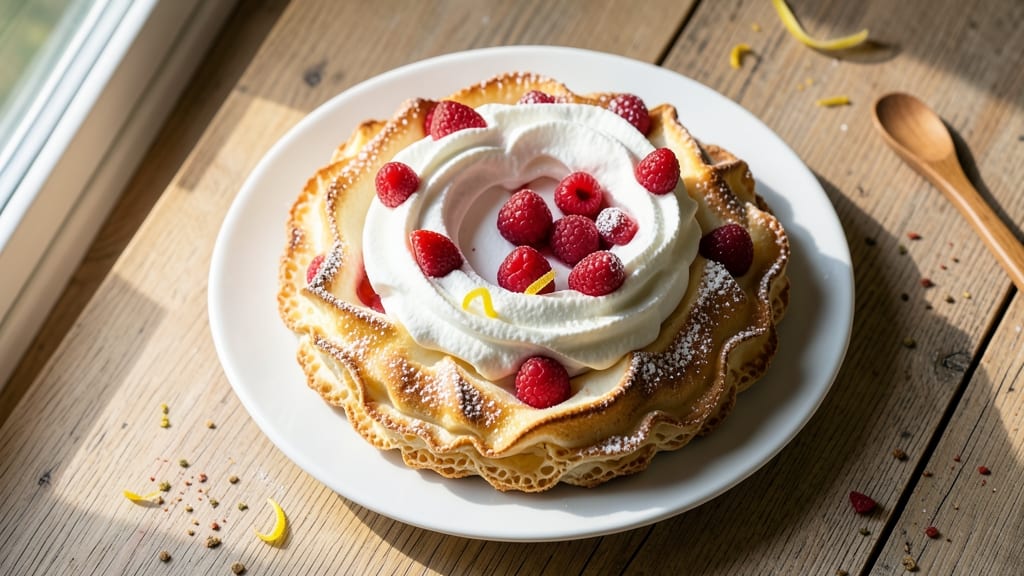
Mary Berry’s 6-egg pavlova recipe delivers the perfect balance of crisp shell and marshmallow center—every bite is a revelation. This iconic dessert requires precision, from separating eggs to baking at the right temperature, but the result is worth every effort.
The secret lies in humidity control and a sugar syrup trick that keeps the meringue light and airy.
With just six eggs, white vinegar, and a touch of cornstarch, you’ll create a sturdy base that holds its shape while staying delicate inside. Whipped cream and fresh fruit transform this simple meringue into a showstopping dessert, perfect for celebrations or a special treat.
Mary Berry’s method ensures no soggy bottoms—just crisp edges and a cloud-like center.
Baking at 250°F for 2 hours (with the door slightly open) creates the ideal environment for even drying. The sugar syrup, applied while still warm, locks in moisture for that signature marshmallow texture. Top with whipped cream and seasonal fruit for a dessert that looks as impressive as it tastes.
Serve chilled for the best texture, and garnish with citrus zest or edible flowers for an elegant finish. This pavlova isn’t just a dessert—it’s a masterclass in meringue magic. Let’s get baking!
Ingredients for 6 egg pavlova recipe mary berry
Six eggs, sugar, and a touch of vinegar—Mary Berry’s secret to the perfect pavlova.
| Ingredient | Amount | Notes |
|---|---|---|
| Large Egg Whites 🥚 | 6 whole | Room temperature, separated carefully |
| Granulated Sugar 🍚 | 1 ½ cups | Superfine preferred for smooth texture |
| White Vinegar 🍶 | 1 tbsp | For meringue stability |
| Cornstarch 🌾 | 2 tsp | For crisp shell structure |
| Heavy Cream 🥛 | 2 cups | Whipped to stiff peaks |
| Powdered Sugar 🍚 | 1 cup | For whipped cream sweetness |
| Vanilla Extract 🌿 | 1 tsp | Pure, high-quality extract |
| Seasonal Fruit 🍓 | 3 cups | Berries or sliced mango |
| Lemon Juice 🍋 | 2 tbsp | Freshly squeezed for syrup |
| Water 💧 | ½ cup | For sugar syrup |
| Citrus Zest 🍊 | 1 tsp | Lemon or orange for garnish |
The egg whites are non-negotiable—room temperature makes all the difference. Grab the freshest eggs you can find (the whites hold their volume better), and separate them over a bowl to catch any stragglers. Diamond Crystal kosher salt is ideal for stabilizing the meringue, but any fine salt works. For the sugar, superfine is best, but pulse regular granulated in a food processor if you're in a pinch. Mary Berry swears by white vinegar for stability—apple cider vinegar works too, but it adds subtle flavor. The cornstarch? Bob’s Red Mill brand is my go-to for that perfect crisp shell.
No superfine sugar? Pulse regular sugar in a blender until it’s powdery—takes 30 seconds. Short on egg whites? Aquafaba (chickpea brine) can replace up to 2 whites, but texture will differ slightly. For the whipped cream, heavy whipping cream is essential—none of that light cream nonsense. Want extra flair? Swap vanilla extract for vanilla bean paste (seeds included) for a more luxurious touch. The fruit can be whatever’s in season—strawberries, kiwi, or even passion fruit all work beautifully. Just toss it with a splash of lemon juice to keep it vibrant.
This pavlova is all about timing and patience. Bake it at 250°F with the oven door slightly ajar—this creates the perfect humidity for even drying. The sugar syrup should be thick but pourable—simmer equal parts sugar and water until it reaches 235°F. Pour it immediately after baking while the pavlova is still warm. Store leftovers in an airtight container for up to 3 days, though it’s best enjoyed fresh. For extra drama, garnish with edible flowers or a sprinkle of gold leaf—because why not?
Why You'll Love This Recipe
- No Whisk Arm Fatigue: I swear by the vinegar trick—just a splash in the egg whites makes them whip insanely fast. Thirty seconds of blending, and you’re done. No standing there for 20 minutes like some meringue torture session.
- Crispy-Creamy Magic: That sugar shell cracks just enough to reveal the marshmallow center—Mary Berry’s secret is in the slow oven ramp. The heavy cream topping? Pure velvety bliss. Honestly, I’ve made pavlovas before, but this one actually delivers.
- Dessert That Works Hard: Slice it, serve it, or stack it—this keeps beautifully for days. Too fancy for a weekday? Top with store-bought berries and call it a win. Even my picky nephew asks for seconds.
- Pantry-Proof Perfection: Six eggs, a cup of sugar, and a splash of vinegar? That’s it. No exotic ingredients, no last-minute grocery runs. Between us, I’ve burned meringues with $20 worth of specialty tools—this recipe can’t go wrong.
Step-by-step instructions for Mary Berry's signature pavlova
Here's how to create the perfect balance of crisp shell and light, marshmallow center—just like Mary Berry's legendary version.
Whip Egg Whites to Stiff Peaks with Precision
Begin by separating the 6 whole large egg whites carefully, ensuring no yolk traces remain. Transfer them to a spotless, grease-free bowl—any fat will prevent proper whipping. Using a stand mixer fitted with the whisk attachment, beat the egg whites on low speed until soft peaks form. Gradually add the 1.5 cups granulated sugar and 2 teaspoons cornstarch, increasing to high speed for 8-10 minutes until glossy, stiff peaks form.
Here's the thing—you'll know it's ready when the meringue holds its shape when you lift the whisk. The mixture should be thick enough to form peaks that stand straight up without collapsing. This step is non-negotiable for that signature crisp shell. I like to tilt the bowl slightly while whipping to ensure even incorporation of the sugar and cornstarch throughout.
Fold in Vinegar for Stability and Shape the Meringue
Gently fold in the 1 tablespoon white vinegar using a rubber spatula, cutting down through the center and folding over until just combined. The vinegar helps stabilize the meringue and prevents weeping. Transfer the mixture to a piping bag fitted with a large round tip. Pipe the meringue onto a parchment-lined baking sheet, creating a 6-inch round with slightly higher edges than the center.
This shaping is crucial—it creates that perfect nest for the whipped cream and fruit while ensuring even cooking. I use a ruler to maintain consistent height around the edges. Place the baking sheet in a 350°F (175°C) oven immediately and reduce the heat to 275°F (135°C). Bake for 1 hour, then turn off the oven and let the pavlova cool completely inside with the door slightly ajar.
Prepare the Whipped Cream Filling
While the meringue cools, whip the 2 cups heavy cream to stiff peaks in a chilled bowl. Sift in the 1 cup powdered sugar and 1 teaspoon vanilla extract, then fold gently until just combined. The cream should hold its shape but remain light and airy—overwhipping will make it grainy. Transfer to a piping bag fitted with a star tip for elegant swirls.
Here's where it gets fun—pipe the cream into the center of the cooled meringue shell, creating a mound that reaches nearly to the top. The cream should be smooth and glossy, ready to contrast beautifully with the crisp shell. I like to work quickly to prevent the cream from deflating before baking.
Assemble and Bake the Final Layer
Return the assembled pavlova to the oven (now completely off) and bake for 5-7 minutes at 250°F (120°C) to lightly set the cream. This step ensures the filling stays in place while keeping the meringue crisp. Remove from the oven and let cool completely before adding the fruit topping.
While still warm, pipe the cream in a decorative pattern over the top, creating a textured surface that contrasts with the smooth meringue. This final layer adds visual appeal and ensures every bite has that perfect balance of textures. The warmth of the oven helps the cream set just enough to hold its shape.
Top with Fruit and Citrus Garnish
Combine the 3 cups seasonal fruit with 2 tablespoons lemon juice and let sit for 10 minutes to release their juices. Arrange the fruit over the cream in a decorative pattern, pressing down gently to create a stable base. Drizzle any released juices over the top to keep the fruit fresh and vibrant.
Finish with the 1 teaspoon citrus zest sprinkled artistically over the fruit. This final touch adds a burst of freshness that complements the sweetness of the meringue and cream. Serve immediately for the best texture contrast—crisp shell, marshmallow center, and juicy fruit in every bite. The acidity from the lemon juice and zest cuts through the richness, making each mouthful perfectly balanced.
Pro Tips For Making 6 Egg Pavlova Recipe Mary Berry
- Use Room-Temperature Egg Whites: I learned this the hard way—cold egg whites from the fridge whip up with stubborn air bubbles that refuse to dissolve, no matter how long you beat them. Let them sit in a bowl for at least 30 minutes before starting, and you’ll save yourself 10 minutes of frustration later.
- Mix Vinegar Into Sugar First: The sugar needs to dissolve completely, and just dumping it in the bowl with vinegar won’t cut it. Whisk the vinegar into the sugar before adding it to the egg whites—this ensures a smooth, even distribution. I used to skip this, and my meringue would taste faintly tangy in spots.
- Bake at 225°F, Not Higher: Mary Berry’s recipe calls for a gentle oven, and for good reason. Any hotter than 225°F (110°C), and your pavlova will brown too fast on the outside before the center sets. I once cranked it to 250°F and ended up with a sad, crispy shell. Preheat the oven low and slow—your patience will pay off.
- Whip Cream Last Minute: The heavy cream for the topping is best whipped right before serving—it holds its peaks longer and doesn’t collapse into a soupy mess. If you’re prepping ahead, at least chill the bowl and beaters beforehand. I used to whip it hours early, and by dessert time, it was a sad, flat puddle.
Storing and reheating this recipe
Room-Temperature Storage
Your pavlova is best enjoyed fresh, but if you need to store it, keep it in an airtight container at room temperature for up to 24 hours. The meringue shell stays crisp, but the whipped cream may soften slightly.
I like to store it in a single layer to preserve that elegant shape—stacking can cause compression. Place a slice of bread in the container to absorb excess moisture and keep the meringue from becoming soggy. 🥖
Refrigerator Longevity
For longer storage, refrigerate the pavlova (without the fruit) in an airtight container for up to 3 days. The meringue will remain crisp, but the whipped cream may weep slightly. To revive it, let it sit at room temperature for 30 minutes before serving.
I find that adding the fruit just before serving keeps it vibrant and prevents the meringue from absorbing moisture. If storing with fruit, reduce the time to 2 days to avoid sogginess.
Freezing for Later
Freezing isn’t ideal for pavlova due to texture changes, but you can try it for up to 1 month. Wrap the assembled dessert (without fruit) tightly in plastic wrap, then place it in a freezer bag, squeezing out excess air.
Thaw overnight in the fridge, then let it sit at room temperature for 1 hour before adding fresh fruit. The meringue may lose some crispness, but the flavor remains intact. This method works best if you’re planning ahead for a special occasion. ❄️
Reheating with Care
If your pavlova has been refrigerated, you can gently reheat it to restore some crispness. Place it on a baking sheet and warm in a 200°F (95°C) oven for 5-7 minutes. This low heat helps the meringue regain its crunch without overcooking the cream.
Avoid the microwave—it’ll turn the cream into a sad, grainy mess. For the best results, always add fresh fruit after reheating to keep it juicy and bright.
Reviving Stale Meringue
If your pavlova’s meringue has lost its crispness, don’t toss it! Brush the shell lightly with a simple syrup (equal parts sugar and water, heated until dissolved) and let it sit for 10 minutes. The syrup will rehydrate the meringue slightly, making it more tender but still delicious.
This trick works especially well if you’re serving it as a dessert where texture isn’t the main focus—like a deconstructed version with fruit on the side. 💫
Nutrition facts
Frequently asked questions about Mary Berry's 6-Egg pavlova
Why does Mary Berry use 6 eggs for her pavlova?
Six large eggs create the perfect balance of structure and lightness for this recipe. The extra egg whites provide enough volume to form a sturdy shell while maintaining that signature marshmallow center. Using fewer eggs risks a fragile base, while more could make the texture too dense.
Can I make this pavlova without a stand mixer?
Use a hand mixer or even whisk by hand for 10-15 minutes until stiff peaks form. The key is patience—work in short bursts to avoid overheating the egg whites. For best results, chill your bowl and beaters between whipping sessions to maintain control.
What's the secret to preventing a soggy bottom?
Mary Berry's trick is baking at 250°F with the oven door slightly open for 2 hours. This creates ideal humidity while the meringue dries evenly. The sugar syrup applied while warm seals in moisture, creating that perfect crisp shell with a soft center.
How do I know when the meringue is fully baked?
The meringue is done when it's completely dry to the touch and has a matte finish. Tap the base gently—it should sound hollow. If it still feels damp inside, return it to the oven for 10-15 minutes with the door open to complete drying.
Can I substitute aquafaba for egg whites?
You can replace up to 2 egg whites with aquafaba (chickpea brine) for a vegan version, but texture will differ. The meringue will be slightly less stable and may not crisp as well. For best results, use the aquafaba in the early stages of whipping and add the remaining egg whites later for structure.