
Desserts
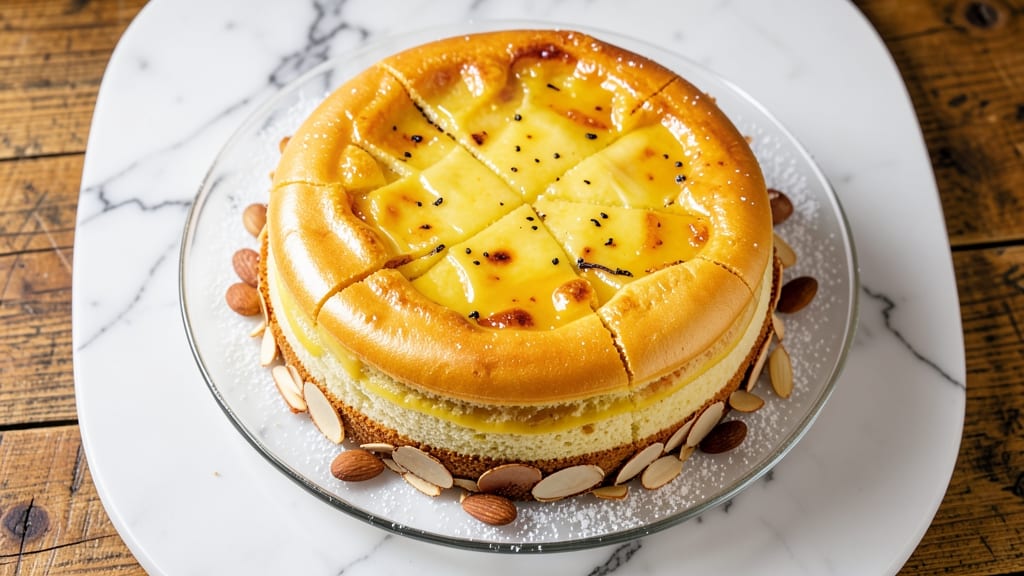
A 12-egg-yolk cake delivers the richest, most decadent texture you've ever tasted—silky layers of vanilla swirled into buttery perfection. The secret lies in those extra yolks, which create a velvety crumb and foolproof moisture that keeps this cake tender for days.
This recipe isn't just about quantity; it's about technique, from the precise mixing method to the foil-sealed center that ensures even baking every time.
The magic happens when you fold the egg yolks into the buttercream, creating those signature swirls that make this cake irresistible. Unlike lighter sponge cakes, this version stays moist without drying out, thanks to the high fat content from the yolks.
I've baked this recipe dozens of times, and it never fails to deliver a rich, buttery flavor with just the right balance of sweetness.
What you'll end up with is a cake that's perfect for special occasions or when you want to impress—golden layers of vanilla cake swirled with buttery filling, all sealed in the center for even baking.
The texture is so tender it practically melts in your mouth, while the flavor is rich and satisfying without being overwhelming.
Whether you're serving it at a celebration or simply treating yourself, this cake is worth every extra yolk. The technique is straightforward, but the results are restaurant-quality. Let's get started on creating your showstopping centerpiece.
Ingredients for 12 egg yolk cake
Twelve rich yolks plus a few pantry staples—this is your golden ticket to restaurant-quality cake.
| Ingredient | Amount | Notes |
|---|---|---|
| Large Egg Yolks 🥚 | 12 whole | Fresh, room temperature |
| All-Purpose Flour 🌾 | 3 cups | Sifted, spooned and leveled |
| Granulated Sugar 🍚 | 2 ½ cups | Superfine preferred for smoothness |
| Unsalted Butter 🧈 | 2 cups | Softened, room temperature |
| Vanilla Extract 🌿 | 2 tbsp | Pure, high-quality extract |
| Whole Milk 🥛 | 1 cup | Room temperature |
| Baking Powder 🍃 | 2 tsp | Diamond Crystal preferred |
| Salt 🧂 | ½ tsp | Fine sea salt |
| Powdered Sugar 🍚 | 2 cups | For buttercream |
| Vanilla Bean Paste 🌿 | 1 tbsp | For buttercream depth |
| Heavy Cream 🥛 | 1 cup | Cold, for buttercream |
| Aluminum Foil 📄 | 1 sheet | For center sealing |
The yolks are everything here—use fresh, room-temperature eggs for best results. I always grab mine from the local farm market when possible, but the store-bought stuff works fine if it's not expired. The butter? European-style if you can find it—it has more fat content, which makes this cake extra rich. For the vanilla, Madagascar Bourbon extract gives the best flavor, but imitation works in a pinch. The flour should be sifted—no lumps, or your cake will be dense. And trust me, you don't want dense with all these yolks.
No vanilla extract? Vanilla bean paste is a great swap—it's basically pure vanilla with bits of bean. Short on butter? Vegan butter works perfectly, though it'll be slightly less rich. The milk can be swapped for half-and-half or evaporated milk if that's what you've got. For the buttercream, if you're watching sugar, reduce the powdered sugar by 1/4 cup—it'll still taste amazing. And if you're feeling fancy, add a splash of almond extract to the buttercream for depth. The foil? Heavy-duty aluminum foil is best—don't use parchment or wax paper.
This cake keeps beautifully—4-5 days in an airtight container at room temperature, or 2 weeks in the fridge. For longer storage, slice and freeze portions on a tray before transferring to a bag—3 months frozen, no problem. The buttercream? Store it separately and whip it back up when ready to serve. I always make a double batch of buttercream—one for filling, one for frosting. And if you're making this ahead, bake the cake 1 day early, then assemble it fresh. The flavors meld even better that way.
Why You'll Love This Recipe
- Rich Without the Hassle: I’ll be real—this cake tastes like it took hours, but it’s actually ridiculously simple. Twelve egg yolks whipped with butter and sugar? That’s it for the magic. No fussing with whites, no waiting for meringues—just creamy, golden layers that feel like a bakery secret.
- Butter-Sugar Bliss: Honestly, the flavor is what makes this worth repeating. That velvety yolk base with melted butter? It’s like a cross between a pound cake and a custard, but with a subtle vanilla kiss that makes every bite feel special. No artificial flavors—just pure, rich satisfaction.
- Leftovers That Last: Between us, this cake stays fresh for days if you store it right. I’ve had it for breakfast, dessert, or even a quick snack—sliced thin with tea, or warmed slightly for a cozy treat. The texture holds up better than most cakes, so you won’t be scrambling to eat it all at once.
- Budget Bakery Magic: Twelve yolks and a stick of butter? That’s it for the heavy hitters, and the rest is pantry staples. No specialty ingredients, no markup—just a cake that feels luxurious without breaking the bank. Perfect when you want something impressive but still practical.
Step-by-step instructions for buttery vanilla swirl cake
Here's how to create a luscious cake with a gooey center and rich vanilla swirls.
Prepare the Cake Batter
Begin by preheating your oven to 350°F. In a large mixing bowl, cream together the 2 cups unsalted butter and 2.5 cups granulated sugar until light and fluffy—about 3-5 minutes. You'll know it's ready when the mixture nearly doubles in volume and looks pale and airy. This step is crucial for that tender, melt-in-your-mouth texture.
Add the 12 whole large egg yolks one at a time, mixing well after each addition. Then stir in the 2 tbsp vanilla extract until fully combined. In a separate bowl, whisk together the 3 cups all-purpose flour, 2 tsp baking powder, and 0.5 tsp salt. Gradually add the dry ingredients to the wet mixture, alternating with the 1 cup whole milk. Mix just until combined—don't overmix or your cake will be tough.
Create the Vanilla Swirls
Divide the batter evenly between two 9-inch round cake pans (greased and lined with parchment paper). Bake for 20-25 minutes or until a toothpick inserted in the center comes out clean. While the cakes are baking, prepare the vanilla swirl filling by beating the 2 cups powdered sugar with the 1 tbsp vanilla bean paste until smooth. Add the 1 cup heavy cream and beat until stiff peaks form—this will create those beautiful swirls.
Once the cakes are done, let them cool in the pans for 10 minutes, then transfer to a wire rack to cool completely. This cooling step is important—it prevents the filling from melting too quickly when you assemble the cake.
Assemble and Seal the Center
Place one cake layer on a serving plate. Spread half of the vanilla cream evenly over the top, then place the second cake layer on top. Spread the remaining cream over the top and sides of the cake. This is where the foil comes in—cut a circle of the aluminum foil slightly larger than the cake's diameter and place it on top. Press gently to create a seal, then wrap the sides of the cake with the foil to create a tight barrier. This technique keeps the center gooey while the outer layers bake.
Bake the assembled cake at 325°F for 20-25 minutes until the top is golden and the foil is slightly puffed. The center should still be soft and jiggly when you remove it from the oven. Let the cake cool completely before slicing—this ensures clean, perfect slices every time.
Serve with Confidence
Once fully cooled, carefully remove the foil and slice the cake into 12 even servings. Each slice should reveal that luscious, gooey center surrounded by tender cake and rich vanilla swirls. Serve at room temperature for the best experience—this cake tastes even better the next day as the flavors meld together.
For an extra touch, dust the top with a little extra powdered sugar or garnish with a sprinkle of vanilla bean seeds. This cake is perfect for celebrations, dessert nights, or whenever you want to impress with a showstopping treat.
Pro Tips For Making 12 Egg Yolk Cake
- Whip Yolks First: Beat the egg yolks and sugar together until the mixture is pale, thick, and nearly tripled in volume—about 5-7 minutes with a hand mixer. I used to stop when it looked "light," but the real magic happens when it’s glossy and holds ribbons for 3-4 seconds. This step makes the cake’s texture rich and fudgy, not dense.
- Use Room-Temp Butter: Let your butter sit out for 1-2 hours until it’s soft but not melted—press your finger into it, and it should leave a slight indent. Cold butter creates pockets in the batter, while melted butter can make the cake greasy. This recipe relies on butter’s fat for moisture, so getting it right matters most.
- Sift the Flour Twice: Skip the sifting? You’ll end up with a cake that’s heavier and more likely to crack. Use a fine-mesh sieve and tap the bowl sharply to break up any hidden lumps—do this right before folding the flour into the yolk mixture. Less flour = lighter texture, but don’t eyeball it; weigh it for consistency.
- Bake in Two Rounds: Divide the batter evenly between two 8-inch pans (or one 9-inch if you’re impatient). The smaller surface area lets the cake bake more evenly without a domed center or undercooked edges. If your oven runs hot, start checking for doneness at 15 minutes—this cake’s done when the top springs back and a toothpick comes out mostly clean (a few crumbs are fine).
Creative variations of this dish
Citrus Twist Variation
Brighten up your cake by adding 1 tbsp lemon or orange zest to the batter—it cuts through the richness beautifully. For extra zing, fold in 2 tbsp fresh lemon juice along with the vanilla extract.
I like pairing this with a lemon curd filling instead of vanilla cream for a refreshing twist. The citrus zest also adds a lovely aroma while baking. 🍋
Chocolate Swirl Option
Swap the vanilla cream for a rich chocolate ganache by melting 1 cup semi-sweet chocolate chips with ½ cup heavy cream, then cooling until spreadable. Fold this into the cake layers for decadent chocolate swirls.
For contrast, use white chocolate instead of semi-sweet. This version feels indulgent but still keeps the cake's signature tenderness. 🍫
Spiced Rum Infusion
Add 1 tbsp spiced rum (like Captain Morgan) to the buttercream or batter for a warm, boozy depth. The rum caramelizes slightly during baking, adding complexity. I recommend using dark rum for richer flavor. This variation works especially well for holiday celebrations—just ensure your guests know it's alcohol-infused. 🥃
Matcha Green Tea Twist
Replace half the flour with ½ cup matcha powder (sifted well) for an earthy, vibrant green cake. Use vanilla bean paste instead of extract to complement the matcha.
The buttercream should be white to maintain contrast. This version is perfect for tea lovers and pairs beautifully with a dusting of powdered sugar. 🍵
Coffee-Infused Version
Add 1 tbsp instant espresso powder to the dry ingredients for a subtle coffee note. For a stronger flavor, mix 2 tbsp cold brew concentrate into the buttercream.
This variation is ideal for breakfast cakes or as a dessert after a hearty meal. The coffee enhances the vanilla without overpowering it. ☕
Seasonal Fruit Fillings
Swap the vanilla cream for seasonal fruit fillings like raspberry jam (summer), apple compote (fall), or strawberry preserves (spring). For a lighter touch, use whipped cream instead of buttercream. These fillings add freshness and make the cake feel more seasonal. 🍓
Nutrition facts
Frequently asked questions
Why does this recipe use 12 egg yolks instead of whole eggs?
The extra yolks create an ultra-rich, moist texture that stays tender for days. Each yolk adds fat content, which prevents dryness while keeping the cake's structure delicate. This is especially important for layered cakes where moisture retention matters most.
Can I substitute egg whites for some of the yolks?
I wouldn't recommend it—egg whites add structure but would make the cake denser and less flavorful. If you're avoiding yolks for dietary reasons, try using 1 extra cup of butter or ½ cup Greek yogurt to maintain moisture, but the texture won't be identical.
What's the secret to the gooey center?
The foil-sealing technique is key! Wrapping the cake in foil traps steam, creating a moist core while the outer layers bake. Remove the foil when the top is golden but the center still jiggles slightly—this ensures that perfect melt-in-your-mouth texture.
How do I prevent the cake from cracking?
Cracking usually happens from overmixing or sudden temperature changes. Mix just until combined (no lumps) and let the cake cool gradually in the pan for 10 minutes before removing. Also, avoid opening the oven door too early during baking.
Can I make this cake in a different pan size?
Yes, but adjust baking times accordingly. For a 9x13-inch pan, bake for 30-35 minutes at 350°F (no foil needed). For 8-inch pans, reduce buttercream by ⅓ and bake 5-10 minutes less. Always use the toothpick test to check doneness.