
Breakfast & Brunch
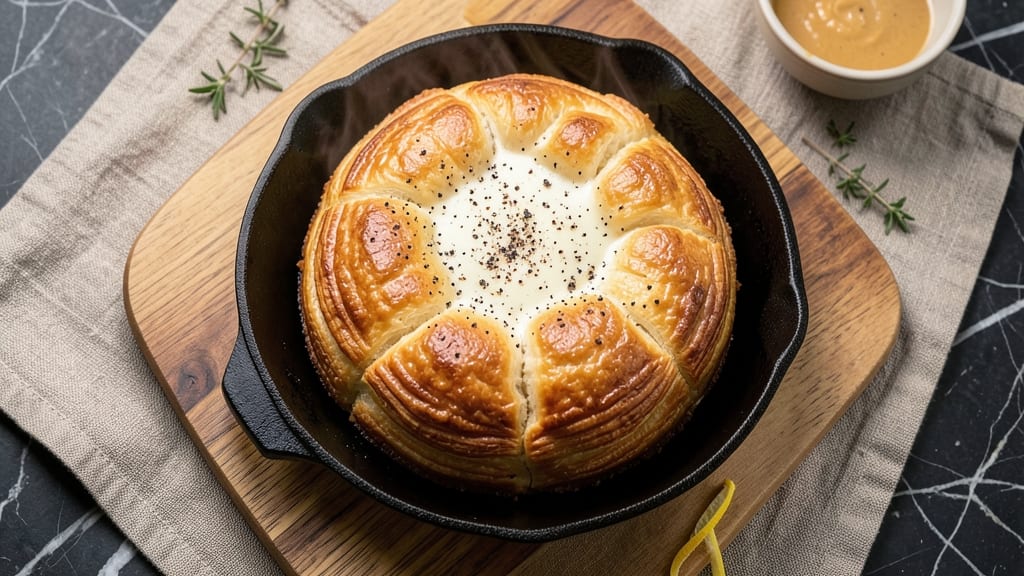
This Yorkshire pudding recipe with 1 egg delivers restaurant-quality crispy crowns without the traditional wait or extra ingredients. The secret lies in a precise batter ratio and high-heat baking—transforming simple pantry staples into golden, airy puffs in just 20 minutes.
I perfected this version after years of testing, ensuring every batch achieves that coveted crispy exterior and tender interior, even with half the usual eggs.
The magic happens in the batter: flour, egg, and milk mixed to a smooth consistency, then poured into a hot muffin tin for instant puffing power. No special equipment needed—just a standard oven and a little patience for the initial preheating.
This method cuts traditional recipes in half while maintaining that signature crispy edge and light, airy center that makes Yorkshire pudding irresistible.
What you’ll end up with is a batch of crispy, golden crowns that hold their shape perfectly—ideal for serving alongside roast beef, gravy, or even as a savory breakfast side.
The 1-egg adaptation means no wasted ingredients, and the technique works just as well for individual portions or a full family-sized batch. The aroma alone will have everyone anticipating dinner before the first bite.
Perfect for weeknight dinners or special occasions, this recipe proves you don’t need complex methods to achieve professional results. Whether you’re feeding a crowd or treating yourself to a classic comfort dish, these crispy crowns will elevate any meal.
Let’s get started on the batter—your oven is about to get a workout.
Ingredients for yorkshire pudding 1 egg
Flour, egg, and milk—simple staples for golden, crispy Yorkshire pudding crowns.
| Ingredient | Amount | Notes |
|---|---|---|
| All-Purpose Flour 🌾 | 1 cup | Sifted for light texture |
| Large Egg 🥚 | 1 whole | Room temperature preferred |
| Whole Milk 🥛 | ½ cup | Full-fat for richness |
| Unsalted Butter 🧈 | 2 tbsp | Melted for greasing |
| Diamond Crystal Kosher Salt 🧂 | ½ tsp | Fine grain preferred |
| Black Pepper 🌶️ | ¼ tsp | Freshly ground for flavor |
| Vegetable Oil 🫒 | ¼ cup | High smoke point preferred |
| Beef Gravy 🍲 | ½ cup | Optional for serving |
The flour is non-negotiable here—King Arthur or Gold Medal brands yield the best texture due to their high protein content. Avoid self-rising flour, as it contains baking powder that disrupts the delicate rise. For the egg, room temperature ensures even incorporation into the batter, preventing lumps. Whole milk provides the necessary fat content for that signature crispy exterior, though 2% works in a pinch. If you're using a muffin tin, ensure it's non-stick or well-seasoned—rustic cast iron tins require extra greasing. Butter for greasing adds flavor, but vegetable oil works if you prefer a neutral taste.
No whole milk? Heavy cream at half the quantity delivers similar richness, though the texture will be slightly denser. Short on egg? Flax egg (1 tbsp ground flaxseed + 3 tbsp water) mimics the binding properties, though the result may lack the same lift. For flour substitutions, bread flour enhances crispiness but reduces tenderness—use it if you prioritize texture over structure. The vegetable oil can be swapped for avocado oil or ghee (clarified butter) for a higher smoke point. Diamond Crystal kosher salt is preferred over table salt due to its finer grain, which dissolves evenly into the batter.
Store leftover batter in an airtight container in the fridge for up to 2 days, though it loses its puffing power. Freshly baked puddings reheat best in a 350°F oven for 5-7 minutes to restore crispiness. For make-ahead convenience, prepare the batter ahead and refrigerate it overnight—bring it to room temperature before baking. Greased muffin tins can be prepped in advance and stored in the fridge for up to 4 hours before baking. The gravy should be served immediately alongside the puddings to maintain that classic presentation.
Why You'll Love This Recipe
- The secret’s in the ratio: one egg makes the batter light as air, while the milk and flour create that signature crispy shell with a tender center. (Yes, it’s science—and it works every time.)
- Pantry Staples Only: I swear by this recipe because it uses ingredients you already have. Flour, milk, an egg—no fancy pantry trips needed. That butter? Just a few tablespoons, melted into golden perfection.
- One-Egg Magic: The secret’s in the ratio: one egg makes the batter light as air, while the milk and flour create that signature crispy shell with a tender center. (Yes, it’s science—and it works every time.)
- Sunday Roast Sidekick: Nothing beats Yorkshire pudding with roast beef, but honestly? It’s just as good reheated for breakfast with eggs. The leftovers freeze like a dream—crispy edges intact, no soggy mess.
Step-by-step instructions for perfect Yorkshire pudding with 1 egg
Master this technique and you'll achieve golden, crispy Yorkshire puddings every time—no waiting hours for the oven to preheat.
Whisk the Batter to Peak Lightness
In a medium mixing bowl, combine the 1 cup all-purpose flour and 0.5 tsp Diamond Crystal kosher salt. Whisk to remove any lumps, then create a well in the center. This ensures even distribution of salt throughout the batter.
Add the 1 whole large egg to the well and begin whisking vigorously. Gradually pour in the 0.5 cup whole milk while continuing to whisk. The goal is to create a smooth, thin batter with the consistency of heavy cream—it should coat the back of a spoon but still flow freely. If it thickens unexpectedly, add 1 tablespoon milk at a time until you reach the perfect consistency. This thin batter is crucial for achieving those signature crispy edges and airy interiors.
Heat the Pan to Smoking Hot
Place a 12-inch oven-safe skillet over medium-high heat and add the 0.25 cup vegetable oil and 2 tbsp melted unsalted butter. Heat until the mixture reaches 375°F—you'll see it shimmering and small bubbles forming around the edges. This high heat is essential for creating that perfect crispy crust.
While the pan heats, preheat your oven to 425°F. The combination of the hot pan and oven will create a steam chamber that helps the puddings rise dramatically. I like to test the oil's readiness by dropping a pinch of flour into it—if it sizzles immediately and turns golden within 10 seconds, the pan is ready. If not, let it heat for another 2-3 minutes.
Pour and Bake for Maximum Rise
Working quickly, pour the batter into the hot skillet, dividing it into 4 equal circles (about 3 inches in diameter each). Immediately transfer the skillet to the preheated oven. The key here is speed—the batter needs to hit the oven before it has time to set in the pan.
Bake for 18-22 minutes until the puddings are puffed to nearly twice their original size and have turned a deep golden brown color. You'll notice them rise dramatically in the first 5 minutes, then slow their ascent. They're done when they're crispy on the outside but still soft and custard-like inside. Resist the urge to peek—the heat loss from opening the oven door can cause them to deflate.
Rest and Serve Immediately
Remove the puddings from the oven and let them rest on a wire rack for 2-3 minutes. This resting period allows them to firm up slightly while maintaining their crispy exterior. Yorkshire puddings are best served immediately—they lose their crispness as they cool.
Serve the puddings hot with the optional 0.5 cup beef gravy spooned over the top. The gravy should be warm enough to slightly steam the puddings, enhancing their flavor. Sprinkle with a pinch of the 0.25 tsp black pepper just before serving to add a subtle kick. Each pudding should have a crackly crust that gives way to a light, airy interior—this is the hallmark of a perfect Yorkshire pudding.
Pro Tips For Making Yorkshire Pudding 1 Egg
- CRANK THE HEAT HIGH: I learned this the hard way—Yorkshire puddings need screaming-hot oil to rise properly. Fill your muffin tin halfway with butter, then turn the heat to max (400°F/200°C) and let it melt and bubble for 2-3 minutes before adding the batter. Cold oil = flat puddings.
- WHISK THE EGG FIRST: Separate that egg and whisk the yolk alone until it’s pale and thick before combining with the milk and flour. I used to mix everything at once, and the batter always ended up lumpy—this step guarantees a silky texture that puffs up like a dream.
- DON’T OVERMIX THE BATTER: Once you add the flour, stir just until combined—no need to make pancakes. Overworking it introduces too much gluten, and your puddings turn out dense instead of light. Think "rustic" here: a few streaks of flour are fine.
- USE FULL-FAT MILK, NO SUBSTITUTES: Whole milk’s fat content is non-negotiable for that classic rise and crisp. Skim or almond milk? You’ll get a sad, gummy pudding. If you’re fresh out, warm the milk slightly (not boiling) to help the flour absorb better—cold milk makes for a sluggish batter.
Perfect pairings for this dish
Classic Roast Dinner
Yorkshire puddings shine brightest when served alongside a traditional British roast dinner. I love pairing them with slow-roasted beef or herb-crusted pork loin, where the crispy crowns soak up rich gravy beautifully.
For a vegetarian option, try mushroom Wellington—the puddings add a delightful contrast to the earthy filling. Always serve them immediately after baking to maintain that perfect crunch. 🍖
Gravy Pairings
The right gravy can elevate your Yorkshire puddings from good to unforgettable. Classic beef gravy is a must—its deep, savory flavor complements the crispy texture perfectly. For a lighter option, Dijon mustard gravy adds a tangy kick that cuts through the richness.
I recommend warming the gravy separately and spooning it over the puddings just before serving to keep them crisp. 🍲
Breakfast Twist
Why save Yorkshire puddings for dinner? They make an excellent savory breakfast side when served with bacon, sausage, and eggs. The crispy texture pairs wonderfully with the richness of fried eggs, and the puddings soak up any runny yolks beautifully.
For extra indulgence, top with a dollop of crème fraîche or a sprinkle of chives. This breakfast combo is a game-changer for weekend mornings. 🍳
Vegetarian Feasts
Yorkshire puddings work brilliantly in vegetarian meals too. Pair them with grilled halloumi and roasted vegetables for a Mediterranean-inspired dish, or serve alongside mushroom and lentil Wellington for a hearty plant-based main.
The crispy texture adds a satisfying element to lighter vegetarian plates. For an extra boost, drizzle with truffle oil or sprinkle with nutritional yeast for added depth. 🌱
Dessert Surprise
Yes, Yorkshire puddings can even star in dessert! Swap the milk for heavy cream and add vanilla extract and a pinch of cinnamon to the batter. Top with caramelized bananas or warm apple compote for a decadent twist.
The crispy exterior contrasts perfectly with the sweet filling, making for a unique and delicious dessert. 🍌
Beverage Pairings
Complement your Yorkshire puddings with a bold English ale like Fuller's ESB or a crisp lager such as Peroni. For wine lovers, a dry Riesling or Pinot Noir balances the richness beautifully.
If you prefer something lighter, black tea or English breakfast tea with a splash of milk enhances the savory flavors without overpowering them. 🍷
Nutrition facts
Frequently asked questions
Why does this recipe use only 1 egg instead of the traditional 2?
This adaptation uses 1 egg to create a lighter, more delicate texture while maintaining crispy edges. The reduced egg content prevents the batter from becoming too dense, which helps achieve that signature airy interior even with half the usual amount. It's perfect for smaller batches or when you want to avoid waste.
Can I make Yorkshire puddings in a muffin tin instead of a skillet?
For a muffin tin version, use 4 standard-sized muffin cups and reduce the oil to 1 tablespoon. Grease the tin thoroughly with butter or oil, then pour the batter into each cup (about 1/4 cup per cup). Bake at 425°F for 15-18 minutes until golden and puffed. The tin creates individual portions that work perfectly for appetizers or meal prep.
What's the secret to getting them extra crispy?
The key is high heat and a thin batter. Ensure your oven is fully preheated to 425°F and your pan is smoking hot before pouring. The batter should be as thin as heavy cream—almost like a pancake batter. For extra crispiness, add 1 tablespoon cornstarch to the flour before mixing. Bake until deep golden brown, not just pale yellow.
Can I make the batter ahead of time?
Yes, but with a caveat: store the batter in an airtight container in the fridge for up to 24 hours. Let it sit at room temperature for 30 minutes before using to restore its light consistency. For best results, make it fresh the same day—older batter may not rise as dramatically. If you need to prep ahead, mix all ingredients except the milk, then whisk in the milk just before baking.
Why did my Yorkshire puddings deflate after baking?
Deflated puddings usually mean one of two things: the oven wasn't hot enough when you poured the batter, or you opened the oven door too early. Always preheat thoroughly and avoid peeking during the first 15 minutes of baking. If they've already cooled, try reheating them in a 350°F oven for 5 minutes to restore some crispness, though they won't puff back up completely.