
Breakfast & Brunch
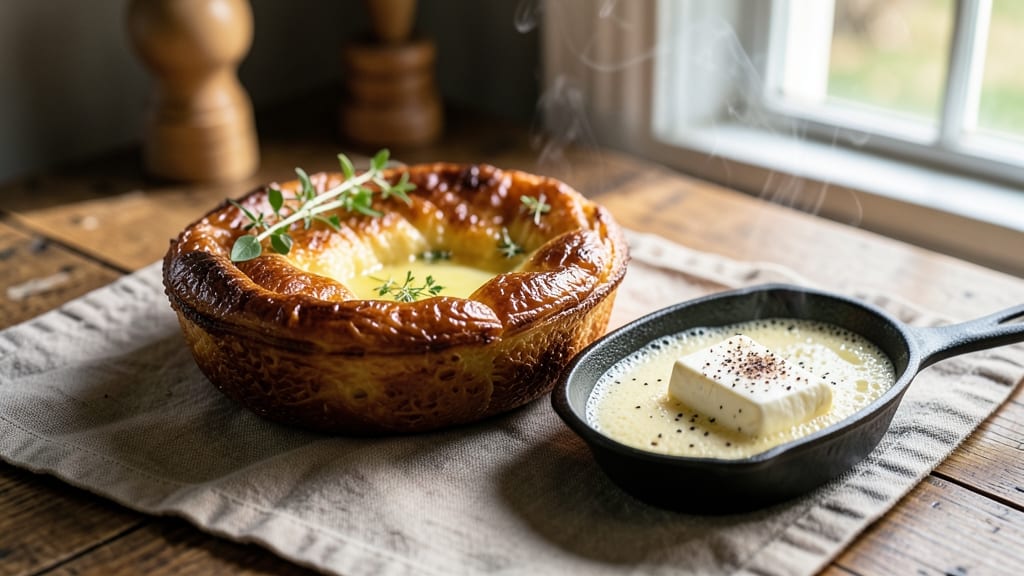
This two-egg Yorkshire pudding recipe delivers restaurant-quality crispy crowns in just 20 minutes—no fancy equipment or complicated techniques required. The secret lies in a perfectly balanced batter and a scorching-hot oven that transforms simple ingredients into golden, puffed perfection.
I've perfected this method after countless trials, and it never fails to impress. What sets this recipe apart is its simplicity: just two eggs, flour, and milk create a batter that rises dramatically when baked at high heat.
The key is preheating the oven to its absolute maximum (500°F or higher) and using a muffin tin or small baking dish to contain the expansion. This ensures those coveted crispy edges and tender, airy centers.
By the time you pull them from the oven, you'll have golden, crackling Yorkshire puddings with that signature crispy exterior and light, pillowy interior. The aroma alone will have everyone gathering around the table. Serve them immediately with gravy, roast beef, or even as a side to breakfast dishes.
For added flavor, try infusing the batter with herbs or topping with melted cheese before baking. The possibilities are endless, but the foundation remains the same—hot oven, precise batter, and perfect timing. Let's get started!
Ingredients for two egg yorkshire pudding
Four essential ingredients transform into golden, crispy Yorkshire puddings with perfect timing.
| Ingredient | Amount | Notes |
|---|---|---|
| Large Eggs 🥚 | 2 whole | Room temperature for optimal mixing |
| All-Purpose Flour 🌾 | ½ cup | Sifted for light, airy texture |
| Whole Milk 🥛 | ½ cup | Full-fat for rich flavor development |
| Unsalted Butter 🧈 | 2 tbsp | Melted, for greasing muffin tin |
| Diamond Crystal Kosher Salt 🧂 | ½ tsp | Adjusts to taste after baking |
| Black Pepper 🌶️ | ¼ tsp | Freshly ground for aromatic depth |
| Fresh Parsley 🌿 | ¼ cup | Chopped, optional for herb infusion |
| Sharp Cheddar Cheese 🧀 | ¼ cup | Shredded, for optional topping |
| Vegetable Oil 🫒 | 1 tbsp | For additional greasing if needed |
The eggs and milk form the batter's backbone—room temperature eggs blend more smoothly, ensuring no lumps that could disrupt the rise. King Arthur or Gold Medal flour yields the best texture due to higher protein content, but any all-purpose will work. For the milk, whole milk provides optimal richness, though 2% works in a pinch. Pre-mixing the dry ingredients (flour, salt, pepper) in a separate bowl prevents overmixing, which can lead to dense puddings. Freshly ground black pepper adds subtle warmth without overpowering the delicate flavor profile.
No whole milk? Evaporated milk or half-and-half can substitute at the same volume, though texture may slightly differ. Skipping the parsley? Dried thyme or rosemary at one-third the amount adds herbal depth without altering the batter's structure. For the optional cheese topping, Parmesan or Gruyère work beautifully—just shred it yourself for maximum flavor. The melted butter is non-negotiable for greasing; vegetable oil can supplement if butter feels excessive, but traditionalists swear by the butter's flavor contribution. Preheat your oven to 500°F (260°C) or higher—this extreme heat is critical for achieving that signature crispy exterior.
Store-bought Yorkshire pudding mixes contain baking powder and other additives that compromise texture. This recipe relies solely on the natural leavening power of eggs and heat. Batter keeps for up to 24 hours in the fridge, covered tightly—bring to room temperature before using. For herb-infused variations, finely chop fresh herbs and fold them into the batter just before baking. Leftover puddings? Reheat in a 350°F (175°C) oven for 5-7 minutes to restore crispiness. The secret to perfect Yorkshire puddings lies in precision: measure ingredients accurately and maintain that scorching oven temperature throughout baking.
Why You'll Love This Recipe
- Just Four Ingredients: Honestly, I swear by this recipe because it’s that simple—two eggs, flour, milk, and butter. No fancy pantry staples, no measuring cups cluttering your counter. Whisk, pour, bake. That’s it. My lazy Sundays just got a whole lot easier.
- Crispy-Creamy Magic: Here’s what sold me—the perfect balance of a shatteringly crispy exterior and a light, airy center. The kosher salt (don’t skip it!) cuts through the richness, and the butter? It’s the secret weapon that makes every bite feel like a little indulgence. (Yes, even on a Tuesday night.)
- Sunday Roast Sidekick: Between us, this is my go-to for Sunday dinners—pairs amazingly with roasted chicken or beef. But honestly? I’ve also used it for breakfast (with eggs and bacon) and even as a fancy appetizer with charcuterie. It’s the chameleon of the kitchen.
- Budget-Friendly Luxury: Two eggs and a cup of flour stretch far, and the leftovers reheat like a dream. I’ve made a full batch for six people, then repurposed the extras into croutons or fried them up for a quick snack. Frugal? Absolutely. Delicious? Ridiculously so.
Step-by-step instructions for two-egg Yorkshire pudding
A perfect Yorkshire pudding requires precision and patience—this method delivers crispy, golden crowns every time.
Preheat and Prepare the Muffin Tin
Preheat your oven to 425°F—this high temperature is essential for achieving that signature crispy exterior. While the oven heats, melt the 2 tablespoons unsalted butter in a small saucepan over low heat until completely liquid. Avoid overheating, or the butter will brown and impart bitterness.
Grease a standard muffin tin generously with the melted butter, using a pastry brush to coat every crevice. For extra insurance against sticking, add 1 tablespoon vegetable oil to each cup and swirl it around to ensure full coverage. The butter and oil combination creates the ideal non-stick surface while adding richness to the finished puddings.
Whisk the Batter to Peak Lightness
In a medium bowl, combine the 2 whole large eggs, ½ cup whole milk, ½ cup all-purpose flour, ½ teaspoon Diamond Crystal kosher salt, and ¼ teaspoon black pepper. Using a whisk, beat the mixture vigorously for 2-3 minutes until it becomes smooth and slightly thickened. The batter should coat the back of a spoon but still flow freely—this consistency is critical for achieving those signature airy, crispy puddings.
I like to press my finger into the batter after whisking—if it leaves a clean indentation that slowly fills back in, it's ready. This test ensures the batter has incorporated enough air to rise properly in the oven. Let the batter rest for 10 minutes at room temperature while the oven finishes preheating—this allows the gluten to relax and prevents dense puddings.
Pour and Bake for Perfect Rise
Working quickly, carefully pour the batter into the prepared muffin tin, filling each cup about ¾ full. The batter will bubble and rise dramatically as it bakes, so don't overfill. Place the tin on the center rack of your oven and bake for 18-22 minutes—this timing ensures the puddings develop a deep golden-brown color with crispy exteriors and tender interiors.
Here's the thing—don't open the oven during baking. The sudden temperature drop can cause the puddings to collapse. Instead, trust the timing and watch for the tops to turn a rich, golden brown. They should spring back slightly when pressed with a fork, indicating they're perfectly baked through. If the tops brown too quickly but the centers remain underdone, tent them loosely with aluminum foil for the final 2-3 minutes.
Rest and Serve Immediately
Remove the puddings from the oven and let them rest in the tin for 2-3 minutes—this brief resting period allows the structure to set slightly, making them easier to handle. Yorkshire puddings are best served immediately while still warm and crisp. If you've prepared the optional toppings, sprinkle ¼ cup shredded sharp cheddar cheese and ¼ cup chopped fresh parsley over the top just before serving for added flavor and visual appeal.
The reason we serve them immediately is that Yorkshire puddings lose their crispiness as they cool. For the ultimate experience, pair these golden crowns with classic roast beef, gravy, or even as a side to breakfast dishes. The secret to their success lies in the precise temperature control, the light-as-air batter, and that critical resting period—all working together to deliver that perfect crunch and tender interior.
Pro Tips For Making Two Egg Yorkshire Pudding
- CRANK THE HEAT TO MAX: Yorkshire puddings need a screaming-hot oven—425°F (220°C) minimum, or they’ll turn out dense and sad. I learned this the hard way after baking a tray at 400°F and wondering why they collapsed like deflated balloons. Preheat for 20 minutes, and if your oven runs cool, add a baking sheet on the lower rack to boost the heat.
- WHISK EGGS UNTIL THEY’RE THICK: The batter should coat the back of a spoon and hold a slow ribbon when you lift it. I used to eyeball it, but under-whisked eggs mean flat, rubbery puddings. Take the extra 30 seconds—your future self will notice the difference.
- USE COLD BUTTER FOR RICHER FLAVOR: Cut the butter into small cubes and chill them for 10 minutes before greasing the muffin tin. Melted butter pools at the bottom, and the puddings won’t rise properly. Cold butter also adds a subtle richness that cuts through the egginess.
- SALT THE BATTER LIKE THE OCEAN: Diamond Crystal kosher salt is less concentrated, so use ½ teaspoon per batter (not the ¼ teaspoon most recipes suggest). I skipped this once and ended up with bland, flavorless puddings—now I salt aggressively and adjust the final dish accordingly.
Flavor customization for two egg yorkshire pudding
Herb-Infused Variations
Add 2 tbsp finely chopped fresh rosemary or 1 tbsp dried thyme to the batter for an aromatic twist. I find rosemary pairs beautifully with roast lamb, while thyme complements beef dishes.
For a stronger flavor, steep 1 tbsp dried herbs in ¼ cup warm milk for 5 minutes before mixing into the batter—this infuses the liquid with herbal notes. 🌿
Cheese Topping Ideas
Sprinkle ¼ cup grated Gruyère or Parmesan cheese over the batter before baking for a nutty, savory finish. Gruyère melts beautifully, creating a golden crust, while Parmesan adds a sharp contrast.
For extra richness, mix 2 tbsp cream cheese into the batter before pouring—it adds a tender, creamy center. Always add cheese in the final minute of baking to prevent burning.
Sweet Breakfast Twist
Transform your Yorkshire puddings into a sweet breakfast treat by adding 1 tbsp sugar and ½ tsp vanilla extract to the batter. Top with powdered sugar and serve with maple syrup or fresh berries.
This variation works surprisingly well with pancakes or French toast—trust me, it’s a game-changer for brunch. The key is reducing the baking time to 15-18 minutes to avoid over-browning.
Spicy Kick
For a bold flavor profile, stir ½ tsp smoked paprika or ¼ tsp cayenne pepper into the batter. Smoked paprika adds a subtle earthiness, while cayenne delivers a fiery punch. Pair these spicy puddings with BBQ ribs or chili for a smoky-sweet contrast.
If you’re sensitive to heat, start with ¼ tsp cayenne and adjust to taste—this is where experimentation comes in handy.
Gluten-Free Adaptation
Replace the all-purpose flour with a 1:1 gluten-free flour blend like Bob’s Red Mill or King Arthur. Add ½ tsp xanthan gum to improve texture and ensure proper rise. The batter will be slightly thicker, so whisk it for an extra 1-2 minutes to incorporate air.
Bake at 450°F for 20-22 minutes—gluten-free versions need a touch more time to crisp up. This adaptation works beautifully for those with dietary restrictions without sacrificing flavor.
Make-Ahead Cheese Sauce
Prevent soggy puddings by preparing a quick cheese sauce to serve on the side. Melt 2 tbsp butter, whisk in ¼ cup all-purpose flour, then gradually add 1 cup warm milk and ½ cup grated cheddar.
Simmer for 3-5 minutes until thickened. Store in an airtight container for up to 3 days—just reheat with a splash of milk before serving. This sauce is a lifesaver for keeping puddings crispy when serving later. 🧀
Nutrition facts
Frequently asked questions
Why do my Yorkshire puddings collapse instead of puffing?
The most common causes are opening the oven too early or not using high enough heat. Yorkshire puddings need a 425°F+ oven and must bake undisturbed for 18-22 minutes. Also, make sure your batter is properly rested (10 minutes) and whisked to a light, airy consistency. Overmixing or cold ingredients can also prevent proper rise.
Can I make Yorkshire puddings in a regular baking dish instead of a muffin tin?
Yes! Use a small, shallow baking dish (like a 6-inch pie pan) and pour the batter to about ½ inch thick. The key is to preheat the dish in the oven for 5 minutes before adding batter—this helps create that crispy exterior. Bake for 15-18 minutes until golden brown. For individual servings, cut into squares after baking.
How do I store leftover Yorkshire puddings?
Store them in an airtight container at room temperature for up to 2 days, or freeze for 1 month. To reheat, place in a 350°F oven for 5-7 minutes until crispy again. For best results, serve immediately after baking—they lose crispness as they cool. You can also reheat in a skillet over medium heat for 2-3 minutes per side.
What's the difference between Yorkshire pudding and popovers?
While they look similar, Yorkshire puddings are made with less fat (just butter/oil in the pan) and baked at higher heat for a crispier exterior. Popovers use more fat (like melted butter in the batter) and bake longer at lower temperatures, resulting in a softer, more custard-like interior. Yorkshire puddings are traditionally served as a side dish, while popovers are often eaten alone with jam or butter.
Can I make these without a muffin tin?
Use ramekins, mini cast-iron skillets, or even greased aluminum foil cups (line with foil and grease well). The key is to ensure your baking vessel can handle 425°F+ heat and has enough surface area for proper browning. For a single large pudding, use a small oven-safe dish and bake for 12-15 minutes—just reduce the batter by half.