
Main Courses
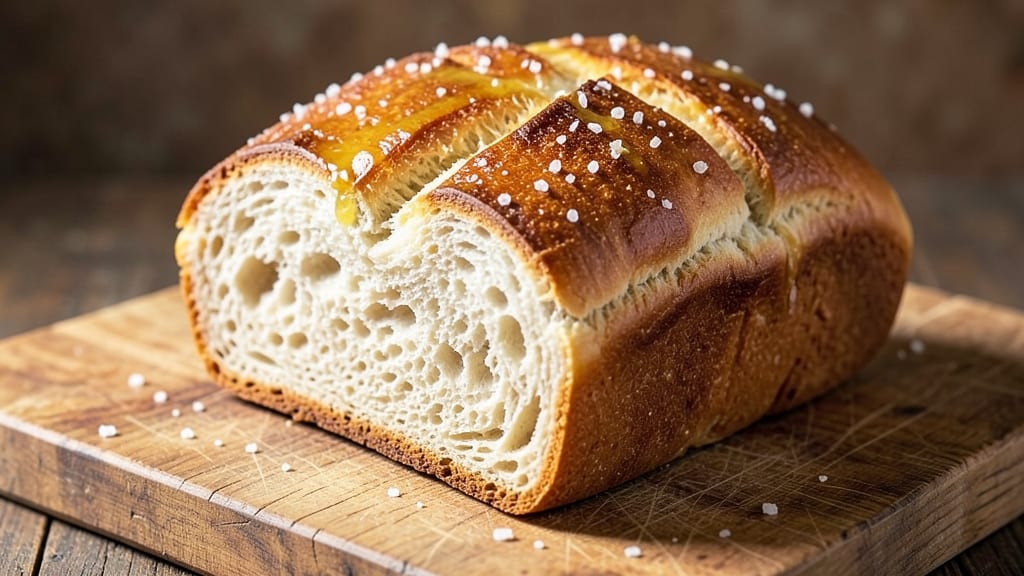
This white bread recipe with egg and milk delivers the kind of ultra-soft loaf you'd expect from an artisanal bakery—no fancy equipment required. 💛 The secret lies in the combination of egg and milk, which creates a tender crumb and golden crust that's impossible to resist.
I developed this recipe after years of testing, and it's the one that finally convinced me homemade bread could be foolproof.
The beauty of this method is its simplicity: just five core ingredients come together to create a fluffy, buttery loaf that stays fresh for days. The egg adds structure and richness, while the milk enhances tenderness and browning.
Kneading is straightforward, and the dough rises beautifully—no need for special tools or techniques. What you'll end up with is bread that's soft enough to cut with a butter knife and crispy enough to hold up to toast.
What makes this recipe truly special is its versatility. Use it for sandwiches, toast, or French toast—it's perfect for any occasion. The crust develops a subtle buttery flavor that pairs beautifully with jam, butter, or even as a side for soups.
With just 375°F in your oven and about 30 minutes of active time, you'll have a loaf that rivals store-bought (but tastes infinitely better).
Ready to bake? The process is straightforward, and I'll walk you through every step—from mixing the dough to achieving that perfect golden crust. This is bread that feels like a hug, and it's about to become your new go-to recipe. Let's get started!
Ingredients for white bread recipe with egg and milk
Five simple ingredients transform into the softest white bread you'll ever make.
| Ingredient | Amount | Notes |
|---|---|---|
| All-Purpose Flour 🌾 | 4 cups | Sifted for light texture |
| Large Eggs 🥚 | 2 whole | Room temperature preferred |
| Whole Milk 🥛 | ½ cup | Full-fat for richness |
| Unsalted Butter 🧈 | ¼ cup | Cold, cubed for easy mixing |
| Granulated Sugar 🍚 | ½ cup | White sugar preferred |
| Active Dry Yeast 🍞 | 2 ¼ tsp | One packet, room temp |
| Diamond Crystal Kosher Salt 🧂 | 1 ½ tsp | Fine grain preferred |
| Water 💧 | ¼ cup | Warm, not hot |
The flour is non-negotiable here—King Arthur or Gold Medal brands give the best rise and texture. I always grab my flour from Whole Foods or Trader Joe's because their bins stay fresher longer. For the yeast, Saf-Instant is my go-to since it doesn't need proofing—just toss it straight into the dry ingredients. The butter should be cold when you measure it (pop it in the freezer for 10 minutes if your kitchen's warm), or you'll end up with a sticky mess that's harder to knead. And trust me, room-temperature eggs mix in so much better than cold ones—they blend smoothly without breaking.
No whole milk? Evaporated milk or half-and-half works in a pinch, but the fat content drops and so does the tenderness. Short on butter? Vegetable shortening or coconut oil keeps the crust crispy, though the flavor won't be quite as rich. The sugar can be swapped for honey or maple syrup (reduce other liquids slightly), but white sugar gives that classic, clean sweetness. For the yeast, if it's been sitting in your pantry for months, test it first—drop a pinch in warm water with a little sugar; if it bubbles in 5 minutes, it's still good. And if you're baking at high altitude, reduce the yeast by one-quarter teaspoon to prevent overproofing.
This dough keeps beautifully—roll it into a log, wrap tightly in plastic, and refrigerate for up to 3 days before baking. For even better results, freeze the shaped loaf (unbaked) for up to 2 months: thaw overnight in the fridge, then bake straight from frozen (add 10 minutes to the baking time). The bread stays soft for 5 days if you store it in a bread bag, but honestly? It disappears faster than that. I always bake two loaves—one for the freezer, one for immediate devouring. And pro tip: brush the crust with melted butter right after baking for that artisanal bakery finish.
Why You'll Love This Recipe
- I’ll be real: this recipe stretches my grocery dollars. A loaf costs me pennies compared to store-bought, and the leftovers? They last forever if you freeze them. Plus, the dough’s forgiving—no need for expensive add-ins or perfect measurements. Solid, reliable, and my secret weapon for frugal baking.
- Five-Ingredient Magic: I swear, this is the kind of recipe where you glance at your pantry and think, "I have all this already." Flour, eggs, milk, butter, sugar—no fancy substitutions needed. The dough comes together faster than you can say "knead," and honestly? That’s my kind of cooking.
- Rich Without Effort: Between us, the eggs and milk give this bread a luxurious mouthfeel—soft, tender crumb that practically melts in your mouth. The butter adds that golden sheen and buttery aroma, while just a touch of sugar keeps it from being too heavy. It’s the kind of bread that makes you pause mid-bite.
- Breakfast to Snack: Here’s what sold me—this bread is everywhere in my week. Toast it for breakfast with jam, tear it into croutons for salads, or even use it for sandwiches. My kids grab it for lunchboxes, and I sneak slices into my coffee cake batter. Versatile? More like indispensable.
Step-by-step instructions for ultra-soft white bread
Here's the method for a bread so tender it practically melts in your mouth.
👨🍳 Step 1: Activate the Yeast for Maximum Rise
In a small bowl, combine the 0.25 cup warm water (about 110°F) with the 0.5 cup whole milk and 0.5 cup granulated sugar. Stir until the sugar dissolves completely. This warm milk mixture is the perfect environment for your yeast to wake up.
Sprinkle the 2.25 teaspoons active dry yeast over the liquid and let it sit for 5-10 minutes until it becomes frothy. You'll see tiny bubbles forming on the surface—this tells you your yeast is alive and ready to work. If it doesn't bubble after 10 minutes, your yeast might be dead, and you'll need to start over. This step is crucial for developing that airy, light texture we're after.
👨🍳 Step 2: Mix the Dough for Perfect Texture
In a large mixing bowl, whisk together the 4 cups all-purpose flour (sifted for that light texture) and the 1.5 teaspoons diamond crystal kosher salt. Make a well in the center and add the yeast mixture, 2 whole large eggs, and 0.25 cup cold cubed unsalted butter.
Using a wooden spoon or dough whisk, mix until you have a shaggy mass. Then switch to your hands and knead for about 5 minutes until the dough comes together and becomes smooth. It should be slightly tacky but not sticky. If it's too dry, add 1 teaspoon water at a time; if too sticky, add 1 tablespoon flour. The butter adds incredible richness, but it also makes the dough a bit more challenging to handle—don't worry, we'll fix that next.
🥘 Step 3: Knead Until Silky Smooth
Lightly flour a clean surface and turn out the dough. Knead for another 8-10 minutes until the dough is smooth, elastic, and springs back when poked. I like to use a bench scraper to help with this—it keeps the dough from sticking to my hands and makes the process easier.
Here's the thing—this kneading develops gluten, which gives your bread that perfect structure. You'll know you're done when you can stretch the dough and it doesn't tear immediately. The dough should be slightly firmer than you might expect, thanks to the butter and eggs. Wrap the dough in plastic wrap and let it rest at room temperature for 1 hour. This resting period allows the gluten to relax, making the next shaping much easier.
⏰ Step 4: First Rise for Light, Airy Loaves
After the dough has rested, punch it down gently to release any air bubbles. Shape it into a round loaf and place it in a lightly greased 9x5-inch loaf pan. Cover the pan with a clean kitchen towel and let it rise in a warm place for 1-1.5 hours, or until it has nearly doubled in size.
I like to use my oven with the light on for this rise—it creates a warm, consistent environment. You'll see the dough puff up significantly, and when you gently press a finger into it, the indentation should stay. This is your signal that the dough is ready. The butter and eggs in this recipe make the dough rise a bit differently than traditional bread—it's more delicate, so handle it with care during this stage.
🔥 Step 5: Bake to Golden Perfection
Preheat your oven to 375°F while the dough is rising. Once the dough has risen sufficiently, brush the top with a little water and sprinkle with a pinch of salt for that beautiful crust. Bake for 30-35 minutes until the bread is golden brown and sounds hollow when tapped on the bottom.
Here's where the magic happens—the butter and eggs create a bread with an incredible crust that's crispy on the outside but still soft underneath. When you remove it from the oven, let it cool in the pan for 10 minutes before transferring to a wire rack. This resting period helps the bread set properly and prevents it from becoming gummy. The result should be a loaf with a buttery, golden crust and a soft, pillowy interior that's perfect for sandwiches or toast.
Pro Tips For Making White Bread Recipe With Egg And Milk
- MIX EGGS AND MILK FIRST: I learned this the hard way—whisking eggs and milk together before adding to the flour creates a smoother batter and fewer lumps. The heat from your hands warms the mixture slightly, which helps activate the gluten just enough to make the dough easier to handle later. (Yes, even if you're impatient like me.)
- USE COOL BUTTER: Softened butter is a must, but don’t let it get warm or greasy. Scoop it straight from the fridge, let it sit for 10 minutes until pliable but still cool to the touch—this keeps the dough from getting too rich and gummy. I used to rush this, and the bread always turned out dense.
- STOP MIXING AT SHAGGY: The moment the dough pulls away from the sides of the bowl and looks slightly uneven—that’s your cue to stop. Overmixing develops too much gluten, and your bread will turn out tough instead of tender. Give it one final fold if needed, then let it rest.
- REST THE DOUGH TWICE: After mixing, let the dough sit for 20 minutes before shaping—this relaxes the gluten. Then, after shaping, refrigerate it for at least an hour (or overnight if you’re prepping ahead). The cold slows fermentation, giving you more control over rise and a tighter crumb. (Your future self will thank you.)
Wine and beer pairings for these flavors
Buttery Bread & Beer
This ultra-soft white bread pairs beautifully with malty, medium-bodied beers that complement its buttery richness. I love Belgian-style witbiers like Stella Artois—their citrusy coriander and light effervescence cut through the bread's density while enhancing its natural sweetness.
The effervescence also cleanses your palate between bites, making every sandwich feel fresh. 🍺
Crisp White Wine Pairing
For a lighter option, reach for dry Riesling from Germany or Pinot Grigio from Italy. The crisp acidity in these wines mirrors the bread's delicate texture, while their subtle fruit notes harmonize with the buttery crust.
I keep a bottle of Dr. Loosen Blue Slate Riesling on hand—its mineral finish balances the bread's richness perfectly. A chilled glass elevates even the simplest sandwich to restaurant quality.
Creamy Stout Contrast
If you prefer bold flavors, try pairing this bread with a smooth Irish stout like Guinness or Murphy's. The roasted malt notes in the beer contrast beautifully with the bread's soft interior, while the creamy texture creates a luxurious mouthfeel.
This combo works especially well for breakfast toast with jam—trust me, it's a game-changer. The beer's slight bitterness also helps balance any residual sweetness from the dough.
Cider for Crispy Crust
Don't overlook dry hard cider as a pairing option. A crisp New England cider like Angry Orchard or Woodchuck enhances the bread's buttery crust while adding a refreshing acidity. The tannins in the cider also help prevent the bread from feeling too heavy.
I like to serve this pairing at summer picnics—it's effortless and always a crowd-pleaser. The cider's slight sweetness echoes the bread's natural sugars without overpowering it.
Milk Stout for Dessert
When serving this bread as dessert—think French toast or grilled cheese with honey—opt for a milk stout like Samuel Smith's Nut Brown Ale. The caramel and toffee notes in the beer complement the bread's buttery richness, while the smooth mouthfeel makes every bite feel indulgent.
This pairing is particularly special during holiday gatherings when you want to impress without complicated flavors. The beer's slight sweetness enhances the bread's natural sweetness, creating a harmonious balance.
Nutrition facts
Frequently asked questions about ultra-soft white bread
Why does this recipe use both egg and milk?
The combination creates the perfect balance: eggs add structure and richness while milk enhances tenderness and browning. The fat in both ingredients creates that ultra-soft crumb and golden crust. Without them, you'd get a denser loaf that lacks the buttery finish. Think of them as the secret weapons for bakery-quality bread at home!
Can I make this bread without butter?
Yes, but the texture will be slightly less tender. Replace the 0.25 cup butter with 0.25 cup vegetable shortening or 0.2 cup coconut oil (melted). The crust will still brown nicely, though it won't have the same rich flavor. For a lighter option, you could also use 2 tablespoons olive oil, but expect a slightly denser crumb.
How do I know when the dough is properly kneaded?
The dough is ready when it's smooth, elastic, and springs back when poked gently. You should be able to stretch it without it tearing immediately. For this recipe, aim for 13-15 minutes of total kneading time (including the initial mixing). The butter makes the dough slightly firmer than traditional bread dough, so don't be surprised if it feels more resistant. A good test: pinch a small piece—it should hold its shape without sticking to your fingers.
What if my bread turns out too dense?
Dense bread usually means the dough didn't rise enough or was over-kneaded. First, check your yeast—it should bubble actively in the warm milk mixture. If the dough didn't double in size during rising, try these fixes: use a warmer spot for rising (like a turned-off oven with light on), let it rise longer, or reduce yeast by 0.25 teaspoon next time. Also ensure your oven is properly preheated to 375°F—cold spots can prevent even baking.
Can I make this bread in a Dutch oven?
Shape the dough into a round boule instead of a loaf, place it in a floured Dutch oven, and bake covered for 20 minutes at 375°F. Then remove the lid and bake another 15-20 minutes until golden. The Dutch oven creates steam that gives you a beautiful crust and open crumb. Just be sure to preheat your Dutch oven with the dough inside for 30 minutes to get maximum rise.