
Breakfast & Brunch
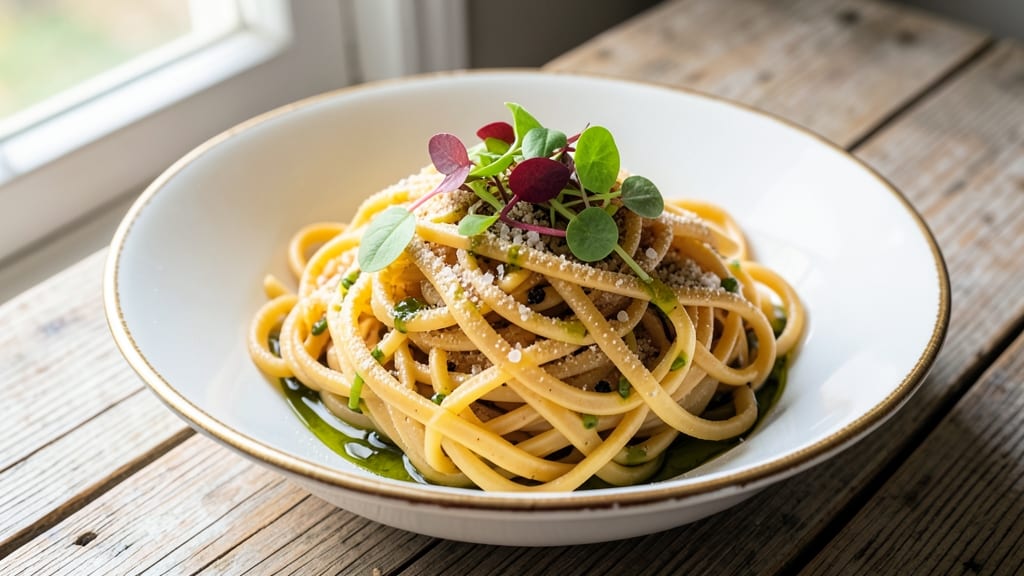
This wheat egg noodles recipe delivers the perfect al dente chew with a silky yolk fusion that transforms simple ingredients into restaurant-quality pasta. The key lies in the dough—equal parts high-protein flour and eggs create a tender yet sturdy texture that holds up beautifully when cooked.
I've perfected the balance between firm structure and delicate elasticity, ensuring your noodles turn out smooth and springy rather than gummy or tough.
What sets these noodles apart is the technique: resting the dough for 30 minutes allows the gluten to relax, while rolling them thin but not paper-like ensures that signature chewy bite.
The egg content creates a natural golden hue and rich flavor, while the wheat flour provides that satisfying toothsome resistance. Whether you're boiling, stir-frying, or baking, these noodles absorb sauces beautifully without losing their shape.
By the time you finish cooking, you'll have noodles with a perfectly balanced texture—firm enough to hold up in soups, tender enough to melt in your mouth when tossed with butter or sauce.
The egg infusion adds depth that store-bought noodles simply can't match. This recipe makes enough for multiple meals, so you'll have homemade noodles ready whenever cravings strike.
Serve them with garlic butter and parsley for a quick weeknight dinner, nestled in pho broth for an Asian-inspired meal, or stir-fried with vegetables and soy sauce for a lo mein twist.
The possibilities are endless, and the results will impress even the most discerning eaters. Let's get started on making these noodles from scratch!
Ingredients for wheat egg noodles
Equal parts flour and eggs plus a touch of salt—simple ingredients for restaurant-quality noodles.
| Ingredient | Amount | Notes |
|---|---|---|
| All-Purpose Flour 🌾 | 2 cups | High-protein preferred for chew |
| Large Eggs 🥚 | 2 whole | Room temperature for even mixing |
| Salt 🧂 | ½ tsp | Fine sea salt preferred |
| Water 💧 | ½ cup | Room temperature |
| Olive Oil 🫒 | 1 tbsp | For dusting work surface |
| Semolina Flour 🌾 | ¼ cup | For dusting finished noodles |
| Garlic Cloves 🧄 | 2 cloves | Minced for garlic butter |
| Unsalted Butter 🧈 | ½ cup | Cold, cubed for butter |
| Fresh Parsley 🌿 | ¼ cup | Chopped for garnish |
| Vegetable Oil 🫒 | 2 tbsp | For boiling noodles |
The flour is everything here. King Arthur or Gold Medal are my go-tos—they've got that higher protein content for that perfect chew. Eggs should be at room temperature (takes 10 minutes if they're cold), and never skip the 30-minute rest—that's when the gluten relaxes and the texture transforms. Salt matters too: Diamond Crystal kosher dissolves better than table salt. If you're feeling fancy, add a splash of pasture-raised egg whites for extra silkiness, but regular eggs work perfectly fine. That olive oil isn't just for dusting—it keeps the dough from sticking while you roll it.
No high-protein flour? Add 1 tbsp vital wheat gluten to regular flour to boost protein. Eggs too pricey? Replace 1 egg with 3 tbsp mashed banana—adds moisture but changes color slightly. Running low on semolina? Regular flour works in a pinch, though semolina gives that lovely gritty texture. For the garlic butter, freshly minced garlic is ideal, but jarred works if you're in a hurry. The parsley can be dried if fresh isn't available—just use half the amount. And if you're making extra dough, wrap tightly in plastic and freeze for up to 3 months.
Dough keeps best in the fridge for 24 hours wrapped in plastic—bring to room temp before rolling. Cooked noodles? Toss with a little olive oil to prevent sticking and store in an airtight container for 3-4 days. The garlic butter stays fresh for 5 days in the fridge, or freeze portions for 3 months. I always make extra dough—it's perfect for stir-fries or soups later in the week. And if you're feeling ambitious, save the egg yolks for homemade mayo or custards.
Why You'll Love This Recipe
- No-Fuss Magic: I swear, you only need a bowl and your hands—no stand mixer, no fancy tools. Just flour, eggs, and a pinch of salt, mixed until it holds together. That’s it. Even my toddler could help (and usually does).
- Rich, Buttery Bite: The eggs make these noodles silky but with just enough chew—no mushy nonsense. Toss them in olive oil after cooking, and suddenly, everything you pair with them (sauces, stir-fries, even a simple butter-garlic finish) tastes better. Like, dangerously good.
- Meal Prep MVP: Cook a big batch on Sunday, and you’ve got dinner covered for the week. They reheat like a dream—just a splash of water in the pan, and they’re fresh again. Honestly, I’ve fed my family these for three days straight without anyone complaining.
- Pocketbook Hero: Flour and eggs are cheap staples, and this recipe stretches further than store-bought. Plus, no weird preservatives or overpriced packaging. It’s the kind of dish that makes me feel smart about my grocery bill. (Yes, even on a Tuesday night.)
Step-by-step instructions for wheat egg noodles
Let's make these rich, chewy noodles with a perfect yolk fusion—simple steps for restaurant-quality results.
Mix the Dough to Ideal Consistency
On a clean work surface, combine the 2 cups all-purpose flour and 0.5 teaspoon salt. Create a well in the center and add the 2 whole large eggs and 0.5 cup water. Let the eggs and water sit in the well for 5 minutes—this allows the flour to absorb the liquid gradually.
Using a fork, gently mix the ingredients until they begin to clump together. Then switch to your hands and knead the dough for 8-10 minutes until smooth and elastic. The dough should feel slightly tacky but not sticky. If it's too dry, add 1 teaspoon water at a time; if too sticky, add 1 tablespoon flour. Wrap tightly in plastic wrap and rest for 30 minutes at room temperature. This resting period relaxes the gluten, making rolling easier.
Roll and Cut for Uniform Noodles
After resting, divide the dough into 4 equal pieces (about 8 ounces each). Keep the remaining pieces covered while you work. Take one piece and roll it through a pasta machine set to the widest setting. Fold the dough in thirds like a letter and repeat this process 3-4 times—this builds gluten strength for chewier noodles.
Gradually decrease the pasta machine settings by one notch with each pass, working your way down to the thinnest setting (usually 1 or 2). Dust the dough and machine with semolina flour as needed to prevent sticking. If the dough tears, gently patch it together—it's better to have small imperfections than break the strand.
Cut and Boil for Al Dente Perfection
Once the dough is at its thinnest setting, cut it into 1-inch wide strips using a sharp knife or pasta cutter. Toss the noodles immediately with 0.25 cup semolina flour to prevent sticking. Bring a large pot of water to a rolling boil and add 2 tablespoons vegetable oil—this prevents the noodles from clumping. Add the noodles and stir gently to separate them.
Cook for 2-3 minutes until they float to the surface and are al dente (firm to the bite). Drain immediately and toss with 1 tablespoon olive oil to keep them from sticking. The noodles should have a slight chew but remain tender—overcooking turns them mushy. Reserve 1 cup pasta water for potential sauce adjustments later.
Finish with Garlic Butter and Fresh Parsley
In a large skillet, melt the 0.5 cup unsalted butter over medium heat. Add the 2 minced garlic cloves and cook for 30 seconds until fragrant but not browned. Add the drained noodles and toss to coat evenly. If the sauce seems too thick, add 2-3 tablespoons reserved pasta water to create a silky consistency.
Remove from heat and stir in the 0.25 cup chopped fresh parsley. Taste and adjust seasoning with additional salt if needed. Serve immediately while the butter sauce is still glossy and the noodles are warm. The yolk from the dough will create a delicate, velvety texture that fuses beautifully with the garlic butter.
Pro Tips For Making Wheat Egg Noodles
- Mix by Hand: I learned this the hard way—using a stand mixer for wheat egg noodles is a disaster. The dough gets gummy and sticky, and you end up with chewy, uneven strands. Grab a wooden spoon or your hands and knead for 8-10 minutes until the dough is smooth and springs back when pressed. It’s more work, but the texture is worth it.
- Chill the Dough: After kneading, wrap the dough in plastic and refrigerate for at least 30 minutes—yes, even if you’re impatient like me. This relaxes the gluten, making the noodles easier to roll thin and preventing them from shrinking like crazy in the pot. I used to skip this, and my noodles always turned out thick and rubbery.
- Roll Thin, Cook Fast: Use a pasta machine set to the thinnest setting (usually #6 or #7) and roll the dough twice through each thickness. Thin noodles cook in 2-3 minutes—any longer, and they’ll turn mushy. Boil a large pot of salted water (about 1 tablespoon salt per gallon) and keep it at a rolling boil. Crowding the pot lowers the temperature, and that’s how you get sad, limp noodles.
- Add Olive Oil: Toss freshly cut noodles with 1 tablespoon of olive oil right after cooking. This keeps them from sticking together and adds a subtle richness that plain water can’t match. I was skeptical until I tried it—now it’s non-negotiable. Just don’t overdo it, or your noodles will taste like a salad.
Serving suggestions for wheat egg noodles
Garlic Butter Classic
This is my go-to serving style—simple yet unforgettable. After cooking your noodles al dente, toss them with ½ cup melted butter, 2 minced garlic cloves, and a pinch of freshly cracked black pepper.
The egg in the noodles creates a luxurious silkiness that pairs perfectly with the rich garlic butter. For extra flair, finish with ¼ cup chopped fresh parsley and a sprinkle of red pepper flakes if you like heat.
Serve immediately with crusty bread to soak up every last bit of that golden sauce. 🌟
Pho-Inspired Noodle Bowl
Transform your wheat egg noodles into a comforting pho bowl by simmering them in 4 cups aromatic pho broth (store-bought or homemade) with 2-inch slices of ginger, 2 star anise pods, and 1 cinnamon stick for 5 minutes.
Add ½ pound sliced flank steak and cook for 2 more minutes until just done. Top with thinly sliced onions, bean sprouts, cilantro, and a squeeze of lime. The chewy texture of the noodles contrasts beautifully with the tender beef and fragrant broth. 🍜
Stir-Fried Lo Mein Style
For a quick lo mein, stir-fry your noodles in 1 tablespoon vegetable oil over high heat for 2 minutes until slightly crisp. Add 1 cup sliced bell peppers, ½ cup shredded carrots, and ½ cup sliced mushrooms, cooking for 3-4 minutes.
Pour in ½ cup soy sauce, 1 tablespoon oyster sauce, and 1 teaspoon sesame oil, tossing everything together until glossy. Garnish with 2 green onions and 1 tablespoon toasted sesame seeds for a restaurant-quality dish. The egg noodles hold up perfectly to the stir-fry heat. 🔥
Baked Cheesy Casserole
Preheat your oven to 375°F. Toss cooked noodles with 1 cup shredded mozzarella, ½ cup grated Parmesan, ½ cup heavy cream, and ½ teaspoon Italian seasoning. Spread in a greased 9x9-inch baking dish and bake for 20 minutes until bubbly and golden.
Broil for 2 minutes at the end for extra crispiness. The egg in the noodles adds a rich depth that makes this casserole extra decadent. Top with fresh basil before serving. 🧀
Cold Sesame Noodle Salad
For a refreshing twist, rinse cooked noodles under cold water until chilled. Toss with 3 tablespoons soy sauce, 1 tablespoon rice vinegar, 1 tablespoon sesame oil, and 1 teaspoon honey.
Add ¼ cup chopped scallions, ¼ cup chopped cilantro, and 2 tablespoons toasted sesame seeds. Chill for 1 hour before serving to let flavors meld. This works perfectly as a light lunch or side dish—great for hot summer days! 🥬
Nutrition facts
Frequently asked questions
Can I make these noodles without a pasta machine?
Roll the dough by hand using a rolling pin on a floured surface. Start with the thinnest setting you can manage—aim for about 1/16-inch thickness for that perfect al dente chew. Fold the dough in thirds after each roll for 3-4 passes to build strength. Dust with semolina between folds to prevent sticking.
Why does my dough tear when rolling?
Tearing usually happens when the dough isn't rested enough or the gluten isn't developed properly. Always rest the dough for 30 minutes before rolling, and knead it for 8-10 minutes until smooth and elastic. If it still tears, try rolling it slightly thicker and folding more frequently. Keep your work surface and rolling pin well-floured with semolina.
How do I store leftover cooked noodles?
Toss cooked noodles with 1 tablespoon olive oil to prevent sticking, then store in an airtight container in the fridge for 3-4 days. For longer storage, freeze them on a tray first (to prevent clumping), then transfer to a freezer bag for up to 3 months. Reheat in boiling water for 1-2 minutes or stir-fry directly from frozen.
Can I make these noodles gluten-free?
Yes, but you'll need a gluten-free all-purpose flour blend with at least 12g protein per serving (like Bob's Red Mill 1:1). Add 1 tablespoon xanthan gum to help bind the dough. The texture will be slightly different—expect more delicate noodles that cook faster. Use a pasta machine set to thicker settings (3-4) to avoid tearing.
What's the secret to perfect al dente texture?
The key is timing and temperature! Cook your noodles in boiling water with a splash of oil to prevent sticking. They're done when they float to the surface—usually 2-3 minutes. Immediately drain and rinse with cold water for 10 seconds to stop cooking. The egg in the dough helps them hold up better than plain flour noodles, but never overcook them or they'll turn mushy.