
Sauces & Condiments
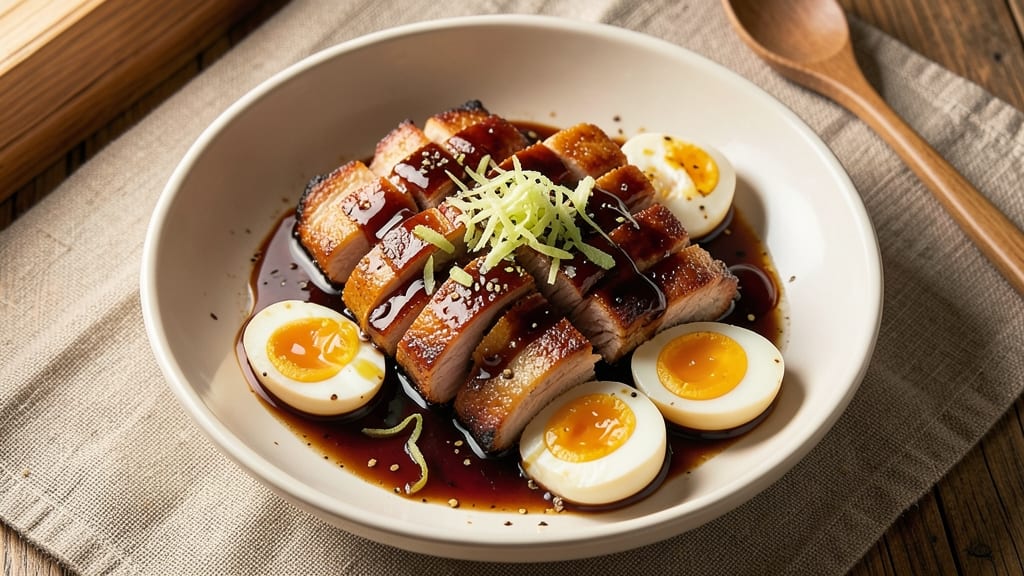
This soy sauce pork belly and egg recipe transforms humble ingredients into a dish that’s equal parts indulgent and elegant—crispy pork belly meets silky poached eggs in a symphony of textures and umami depth.
After years of perfecting the balance between rich, caramelized pork and delicate eggs, I’ve developed a method that delivers restaurant-quality results at home, with just the right amount of soy sauce to tie it all together.
The secret lies in rendering the pork belly’s fat slowly to achieve that coveted crispy skin while keeping the interior tender, then finishing with a quick sear. Meanwhile, the eggs poach in a simmering soy broth, creating silky yolks that cut through the richness.
This isn’t just another pork belly dish—it’s a harmonious bite where every element plays its part.
What you’ll end up with is a plate that’s visually stunning and impossible to resist: golden, crackling pork belly slices stacked with bright yellow eggs, all glistening with a glossy soy glaze.
The contrast of temperatures—crispy pork against runny yolks—makes each bite unforgettable. Serve it with a sprinkle of scallions and a side of quick-pickled vegetables to balance the richness.
This recipe is perfect for weekend brunches, special dinners, or impressing guests—it’s the kind of dish that feels both luxurious and effortless. Let’s get cooking! The process is simpler than it sounds, and the results will have everyone asking for seconds.
Trust me, once you try this, you’ll never go back to store-bought pork belly again.
Ingredients for soy sauce pork belly and egg
Pork belly, eggs, and soy sauce—simple ingredients that deliver restaurant-quality crispy bites.
| Ingredient | Amount | Notes |
|---|---|---|
| Pork Belly 🥓 | 1 ½ lb | Skin-on, cut into 1-inch slices |
| Large Eggs 🥚 | 4 whole | Room temperature for perfect poaching |
| Light Soy Sauce 🥢 | ½ cup | Kikkoman preferred for balance |
| Dark Soy Sauce 🥢 | 1 tbsp | For color and depth |
| Fresh Ginger 🧄 | 2 tbsp | Finely grated, aromatic |
| Sesame Oil 🫒 | 1 tbsp | Toasted, for finishing |
| Scallions 🧅 | 4 whole | Thinly sliced, for garnish |
| White Rice Vinegar 🍶 | 1 tbsp | Balances soy intensity |
| Granulated Sugar 🍚 | 1 tbsp | For caramelized glaze |
| Vegetable Oil 🫒 | ¼ cup | High smoke point for frying |
| Salt 🧂 | 1 tsp | Kosher salt for seasoning |
| Black Pepper 🌶️ | ½ tsp | Freshly cracked for heat |
| Water 💧 | 2 cups | For poaching broth |
The pork belly is non-negotiable here. Look for thick-cut pieces with good marbling—the fat is what gives you that melt-in-your-mouth texture. Whole Foods or Asian markets usually carry the best cuts, often pre-sliced for convenience. If you can't find pre-sliced, ask the butcher to cut it into 1-inch slices—thinner pieces cook too fast and dry out. The skin should be unbroken, not cracked. For the eggs, room temperature is key—cold eggs curdle in hot water. Take them out of the fridge 30 minutes before cooking. Fresh ginger loses potency fast, so buy it whole and grate only what you need—it keeps in the fridge for about 2 weeks.
No light soy sauce? Substitute with regular soy sauce plus a pinch of sugar—the balance matters. Running out of dark soy sauce? Molasses at half the amount adds depth, though it won't give the same rich color. Scallions too pricey? Green onions work fine, but they're more bitter. The sesame oil is for finishing—don't skip it, but if you're out, toasted sesame seeds sprinkled at the end give a similar nutty touch. For the poaching broth, low-sodium soy sauce is ideal—regular brands can make the eggs taste salty. If you're using pre-sliced pork belly, pat it dry with paper towels before cooking—this ensures maximum crispiness.
Pork belly slices keep in the fridge for 3 days if wrapped tightly in parchment and foil. The poached eggs are best served immediately, but you can pre-make the pork belly and reheat it gently in a 350°F oven for 10 minutes. For the soy glaze, make extra—it's perfect over rice or noodles. Store it in a jar in the fridge for up to 2 weeks. The ginger and scallions can be prepped ahead and stored in airtight containers for 5 days. Freeze the pork belly slices for up to 2 months—thaw overnight in the fridge before reheating.
Why You'll Love This Recipe
- One-Pan Magic: That’s right—just toss everything on one sheet pan. No chopping boards, no extra pots, no stress. The pork belly crisps up while the eggs poach in the same juices, and the soy sauce caramelizes into a glossy glaze. Honestly, I’ve made this while scrolling through my phone.
- Umami Bomb: Between the dark soy’s deep, molasses-like richness and the light soy’s salty punch, this dish is ridiculously flavorful. The ginger adds a bright kick, and the eggs? Perfect soft yolks that soak up all that savory goodness. Every bite tastes like a little flavor explosion.
- Leftovers for Days: This recipe actually improves the second day. The pork belly stays tender, the eggs reheat beautifully in a skillet, and you can toss it with rice or noodles for a quick lunch. I’ve packed this for work and still had people asking for seconds—no joke.
- Budget-Friendly Luxury: Pork belly feels fancy, but here it’s the star without breaking the bank. A few slices feed a family (or hungry roommates), and the eggs stretch it even further. Plus, you’re using pantry staples—soy sauce, ginger—that you probably already have. Fancy dinner for less than takeout.
Step-by-step instructions for soy sauce pork belly and eggs
Here's how to balance crispy pork belly with silky poached eggs—each step matters for that perfect texture.
Prepare the Pork Belly for Crispy Perfection
Pat the 1.5 lb pork belly dry with paper towels, removing all moisture from the skin and fat. This is non-negotiable—wet skin won't crisp. Cut into 1-inch slices, keeping the skin intact. In a bowl, mix 0.5 cup light soy sauce, 1 tbsp dark soy sauce, 1 tbsp granulated sugar, and 2 tbsp finely grated fresh ginger. Rub this marinade all over the pork belly slices, pressing it into the meat and skin. Let it marinate at room temperature for 30 minutes—this ensures deep flavor penetration and helps the skin render properly.
While marinating, heat 0.25 cup vegetable oil in a heavy skillet over medium heat. The oil should shimmer but not smoke. Arrange the pork belly slices skin-side down in the pan, leaving space between them. Cook undisturbed for 8-10 minutes until the skin is deep golden brown and crispy. Flip once and cook the other side for 4-5 minutes until the meat reaches 145°F internally. Real talk: the skin should crackle when you press it gently—if it doesn't, it's not ready yet. Transfer to a paper towel-lined plate to drain excess oil.
Create the Poaching Broth for Silky Eggs
In the same skillet (no need to clean it—the browned bits add flavor), reduce heat to low and add 2 cups water. Bring to a gentle simmer, then stir in 1 tbsp white rice vinegar and 1 tsp salt. The broth should taste like a lighter soy broth with a hint of acidity. Place a small heatproof bowl in the skillet—it should float slightly as the water simmers. Crack 1 large egg into a small ramekin for easy sliding into the broth.
Here's the thing—poached eggs rely on gentle heat and time. The water should maintain a barely simmering state, not a rolling boil. If it boils, the eggs will cook too quickly and turn rubbery. Once the water returns to a simmer, carefully slide the egg into the broth using the ramekin. Poach for 3 minutes for runny yolks or 4 minutes for firmer yolks. Remove with a slotted spoon and drain on a paper towel.
Assemble and Finish with Flavor Layers
Slice the 4 whole scallions thinly on the bias for garnish. Warm the 1 tbsp sesame oil in a small saucepan over low heat until fragrant—don't let it smoke. Stir in 0.5 tsp black pepper and remove from heat. This oil will elevate every bite with nutty depth.
To serve, arrange 1-2 slices of crispy pork belly on each plate. Place 1 poached egg on top, letting the runny yolk cascade over the pork. Drizzle with the warm sesame oil mixture and sprinkle with sliced scallions. The contrast is what makes this dish—crispy pork meets silky egg, balanced by the tangy-sweet soy marinade and aromatic sesame finish. Serve immediately while everything is at its peak texture.
Troubleshooting for Perfect Results
If the pork belly skin isn't crispy enough, increase the oil temperature slightly next time and cook longer—12-15 minutes per side for extra-crispy results. For the eggs, if the whites turn cloudy instead of translucent, your water might be too hot. Aim for a gentle simmer, not a vigorous boil. And if the pork feels dry, remember: resting is key. Let the slices rest for 5 minutes after cooking to redistribute juices before serving.
This dish is all about balance—crispy meets tender, salty meets sweet, rich meets light. Follow these steps closely, and you'll nail it every time. The secret? Pay attention to those sensory cues—the crackle of the skin, the wobble of the egg yolk, the aroma of the sesame oil. That's where the magic happens.
Pro Tips For Making Soy Sauce Pork Belly And Egg
- CRISP THE BELLY FIRST: Skip the raw pork belly straight into the pan—it’ll steam instead of sear. Cut the belly into 1.5-inch cubes, pat them bone-dry with paper towels, then hit a screaming-hot skillet with oil until the edges turn golden. I learned this the hard way: damp meat = sad, greasy pork.
- SALT THE EGGS 30 MINUTES EARLY: Crack those eggs into a bowl, add a pinch of salt, and let them sit uncovered. The whites firm up slightly, and the yolks hold their shape better when they hit the pan. My grandmother swore by this, and she was right: no more runny yolks ruining your sauce.
- DARK SOY SAUCE LAST: Add light soy sauce early to build flavor, but save the dark soy sauce until the very end. Stir it in just before serving—it’s not just for color, it adds a deeper, almost smoky richness that cuts through the pork’s fat. I was skeptical until I tried it.
- STIR THE PAN CONSTANTLY: Once the pork belly hits the pan, don’t walk away. Keep those cubes moving—especially if you’re using a nonstick or small skillet. The goal is to render fat and caramelize the edges without burning the sauce. Sounds weird, but it works: no more bitter, overcooked pork.
Make-ahead tips for leftovers
Pork Belly Prep
Slice the pork belly into 1-inch thick pieces and marinate overnight in the fridge for maximum flavor. Store the marinated slices in an airtight container lined with parchment paper to prevent sticking.
This method keeps the pork tender and allows the marinade to penetrate deeply. I always double-wrap the container with plastic wrap for extra protection. 🥓
Egg Prep Ahead
Poached eggs don't reheat well, so I recommend making them fresh each time. However, you can prep the poaching broth ahead by mixing 2 cups water, 1 tbsp white rice vinegar, and 1 tsp salt in a jar.
Store it in the fridge for up to 3 days—just reheat gently before using. For the eggs themselves, crack them into a small dish with a lid and store in the fridge for up to 24 hours before poaching.
Glaze Storage
The soy glaze made from 0.5 cup light soy sauce, 1 tbsp dark soy sauce, and 1 tbsp sugar can be stored in an airtight container in the fridge for 2 weeks. I like to make extra because it's perfect for drizzling over rice or noodles.
When reheating, warm it gently in a small saucepan over low heat—never boil it, as this can make the sauce bitter.
Reheating Pork Belly
If you need to reheat the pork belly, place the slices on a wire rack over a baking sheet and warm in a 350°F oven for 10-12 minutes. This keeps the skin crispy while gently warming the meat.
For extra crispiness, broil for 1-2 minutes at the end. Avoid microwaving—it turns the pork belly soggy and ruins the texture. 🔥
Garnish Prep
Slice the 4 scallions and store them in an airtight container with a damp paper towel to keep them fresh for up to 5 days. Toast the 1 tbsp sesame seeds in a dry skillet over medium heat for 1 minute and store them in a small jar.
This adds a nutty crunch to every bite without needing to toast them fresh each time.
Full Meal Prep
For a complete make-ahead meal, cook the pork belly and store it in the fridge for 3 days. Prep the scallions, sesame oil, and glaze as described above. On serving day, reheat the pork belly and poach the eggs fresh.
Serve with steamed rice or quick-pickled vegetables for a balanced plate. This approach saves time without sacrificing flavor or texture. ✨
Nutrition facts
Frequently asked questions
Why does the pork belly need to marinate overnight instead of just 30 minutes?
Overnight marinating (12-24 hours) allows the soy sauce and ginger to deeply penetrate the pork belly's fat and muscle, creating a more flavorful and tender result. The 30-minute marinade in the recipe works for quick prep, but overnight develops richer umami flavors and helps the skin render more evenly for that perfect crisp. Think of it like steeping tea—more time means deeper flavor infusion!
Can I substitute regular soy sauce for light soy sauce in this recipe?
You can, but expect slightly darker color and more intense saltiness. For balance, reduce the total soy sauce by 1 tablespoon and add ½ teaspoon sugar to mimic light soy's milder profile. The dish will still be delicious, but the traditional contrast between light and dark soy creates that signature restaurant-quality depth. Pro tip: Kikkoman light soy sauce is my go-to for this recipe.
How do I fix undercooked pork belly that's not crispy?
If the skin isn't crispy, increase the oil temperature to medium-high heat and cook for an additional 5-7 minutes per side until golden brown and crackling. For undercooked meat, return to the skillet for 2-3 minutes per side until reaching 145°F internally. The key is patience—rushing makes the skin chewy. For extra crispiness next time, try 12-15 minutes per side at medium heat.
Can I make this dish ahead of time for a brunch?
Cook the pork belly ahead and store it in an airtight container for 3 days. Reheat in a 350°F oven for 10-12 minutes on a wire rack to maintain crispiness. Poach the eggs fresh in the morning—they're best served immediately. Prep scallions and sesame oil the night before, and you'll have a stress-free brunch. The flavors actually meld better when components are made separately!
What's the best way to serve this dish for maximum impact?
Plate the crispy pork belly slices on a bed of steamed jasmine rice or warm noodles to soak up the soy glaze. Top with the poached egg and drizzle with the sesame oil mixture. Add quick-pickled cucumbers or radishes for acidity and toasted sesame seeds for crunch. For a fusion twist, serve with a side of miso soup or steamed bok choy. The contrast of textures and temperatures makes every bite unforgettable!