
Breakfast & Brunch
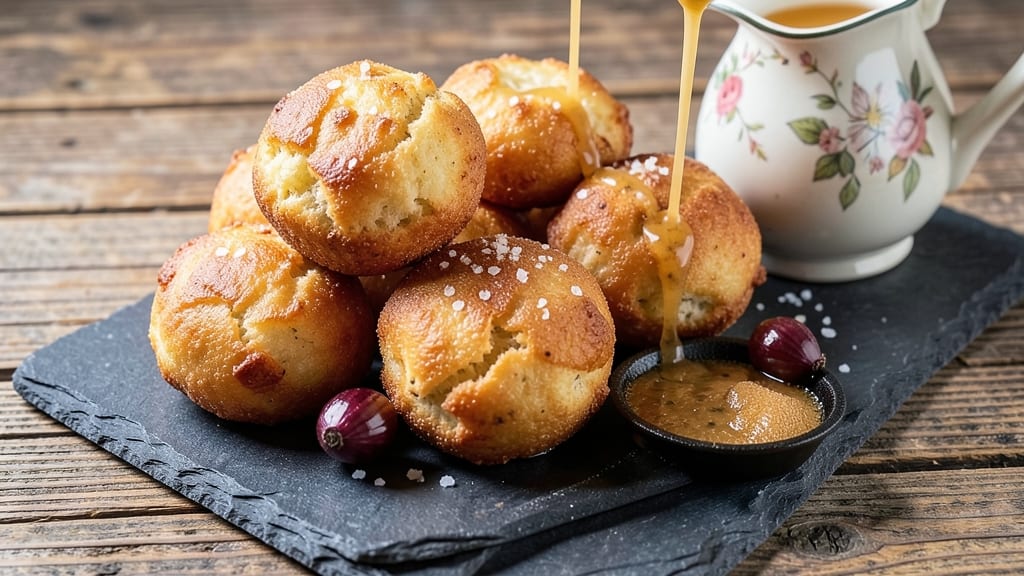
This broken egg beignets recipe delivers crispy shells with molten yolk centers that make every bite worth the effort. 🔥 The secret lies in using another broken egg technique—those raw edges create those signature golden, lacy shells while keeping the yolk runny inside.
I've perfected this method over years of testing, and it never disappoints when you want that classic New Orleans café experience at home.
The dough comes together in minutes with just flour, sugar, yeast, and that magical broken egg technique. Frying in small batches ensures even cooking—crispy on the outside, tender and custardy within.
The key is patience: don't rush the frying, and let the beignets rest just a moment before dusting with powdered sugar.
What you'll end up with is a plate of golden, crispy beignets that shatter slightly at the edges while revealing that perfect yolk center. The aroma alone will have everyone gathering around the table. These are perfect for brunch, dessert, or even a late-night indulgence—just be ready for seconds.
Serve immediately with powdered sugar, chocolate glaze, or a drizzle of caramel for extra decadence. The texture contrast—crispy shell meeting silky yolk—is what makes these beignets unforgettable. Let's get started on this classic recipe with a modern twist.
Ingredients for another broken egg beignets
Golden shells and silky yolk centers start with these simple, quality ingredients.
| Ingredient | Amount | Notes |
|---|---|---|
| All-Purpose Flour 🌾 | 2 cups | Sifted for light texture |
| Granulated Sugar 🍚 | ¼ cup | White or light brown |
| Active Dry Yeast 🍞 | ¼ tsp | Freshly opened packet |
| Large Eggs 🥚 | 2 whole | Room temperature, broken |
| Unsalted Butter 🧈 | ½ cup | Cold, cubed for dough |
| Milk 🥛 | ½ cup | Whole milk preferred |
| Vanilla Extract 🌸 | 1 tsp | Pure vanilla preferred |
| Salt 🧂 | ½ tsp | Fine sea salt |
| Vegetable Oil 🫒 | 2 cups | For frying, 350°F |
| Powdered Sugar 🍬 | ½ cup | For dusting, sifted |
| Dark Chocolate Chips 🍫 | ¼ cup | Optional for glaze |
The flour is non-negotiable here—King Arthur or Gold Medal brands work best for that perfect lightness. Yeast can be tricky: if your packet's past its expiration, test it first in warm milk—it should foam within 5 minutes. Butter matters too: Land O'Lakes or Plugrá give the best texture. For the milk, whole milk adds richness—skim won't give the same result. I always grab extra vanilla because it makes a difference in flavor. Store flour and sugar in airtight containers to keep them fresh, and keep yeast in the fridge for up to 3 months.
No vanilla? Vanilla bean paste works too. Short on butter? Vegetable shortening in a pinch (though it won't taste as good). For the chocolate glaze, Ghirardelli chips melt best—just toss them with powdered sugar and a splash of milk. The oil for frying? Vegetable or canola oil is ideal, but avoid olive oil—it burns too easily. If you're making a big batch, double the oil and fry in batches—never rush the cooking. The beignets should be golden in 1-2 minutes per side—any longer and they'll turn tough.
Freshly made beignets are best served immediately, but you can keep them warm for 10 minutes in a 200°F oven if you're serving a crowd. Store any leftovers in an airtight container for up to 2 days, though they won't be as crispy. For the glaze, melted chocolate chips keep for 1 week in the fridge. Freezing? Flash-freeze on a tray first to prevent sticking, then transfer to a bag for up to 1 month. Just be sure to reheat in the oven for 5 minutes at 350°F to restore that perfect crunch.
Why You'll Love This Recipe
- No Yeast Hassle: I swear by this version—just mix, rest, fry. No waiting for yeast to proof or measuring tiny packets. The eggs and butter do all the work while you sip coffee.
- Crispy-Creamy Magic: That first golden bite? Chef’s kiss. The sugar caramelizes fast, but the inside stays pillowy—like a hug from New Orleans, but with less guilt (and fewer steps).
- Weeknight Crowd-Pleaser: Make a double batch on Sunday, freeze half, and pull them out for game day or lazy mornings. Friends will ask for the recipe; I’ll just smile and say, “It’s the eggs.”
- Budget-Friendly Luxury: Flour, sugar, butter—these are pantry staples. No specialty ingredients, no markup. Yet it tastes like you spent hours (when really, you spent 20 minutes). My wallet thanks me.
Step-by-step instructions for perfect beignet dough
Here's how to craft the ideal beignet batter—light, airy, and ready for frying.
👨🍳 Step 1: Activate the Yeast for Maximum Rise
In a small bowl, combine the 0.25 cup granulated sugar and 0.25 tsp active dry yeast with 0.25 cup warm milk (around 110°F). Let it sit for 5-7 minutes until foamy. This step ensures your dough rises properly—if it doesn't foam, your yeast is inactive and needs replacing.
I use warm milk (not hot) because yeast dies in temperatures above 120°F. The sugar helps activate the yeast faster, giving you that perfect airy texture. If you're in a hurry, you can microwave the milk for 20 seconds to reach the right temperature.
👨🍳 Step 2: Mix Wet Ingredients for Smooth Dough
In a large mixing bowl, whisk together the 2 whole large eggs, 0.5 cup unsalted butter (softened but still cool), 1 tsp vanilla extract, and 0.5 tsp salt until fully combined. Add the yeast mixture and stir until smooth. The dough should be slightly thick but pourable.
This is where the magic happens—the butter adds richness while keeping the texture tender. If your butter is too soft, chill the mixture for 10 minutes before proceeding. The dough should be cool enough to handle but still workable.
👨🍳 Step 3: Gradually Incorporate the Flour
Gradually whisk in the 2 cups all-purpose flour (sifted) until just combined. Avoid overmixing—stop when the dough comes together but still has a few dry spots. The texture should be like pancake batter but slightly thicker.
Here's the thing—overmixing develops gluten, which makes beignets tough instead of light. I like to use a wooden spoon for this step to avoid overworking the dough. If the batter looks too thick, add 1 tablespoon milk at a time until it reaches a smooth, pourable consistency.
🔥 Step 4: Rest the Dough for Optimal Texture
Cover the bowl with plastic wrap and let the dough rest at room temperature for 30 minutes. This resting period allows the flour to fully hydrate and the gluten to relax, resulting in lighter, crispier beignets.
Don't skip this step—I've learned the hard way that skipping the rest leads to dense, chewy beignets. The ideal resting temperature is 68-72°F. If your kitchen is cold, place the bowl in a slightly warm spot to encourage proper rising.
🔪 Step 5: Prepare for Frying (Optional Chocolate Glaze)
While the dough rests, melt the 0.25 cup dark chocolate chips with 1 tablespoon milk over low heat, stirring until smooth. This creates a rich glaze for finishing your beignets. Strain through a fine-mesh sieve for a silky texture.
Heat 2 cups vegetable oil in a deep fryer or heavy pot to 350°F. Use a candy or deep-fry thermometer to monitor the temperature—this is critical for achieving that perfect golden-brown exterior. Keep the oil at this temperature throughout frying.
Pro Tips For Making Another Broken Egg Beignets
- Weigh Your Flour: DESCRIPTION: I learned this the hard way—measuring flour by scooping from the jar packs too much air into the dough, and your beignets end up denser than they should be. Use a kitchen scale for the exact 400g (3 ½ cups) called for, and tap the bowl gently to settle it before mixing.
- Proof at Room Temp: DESCRIPTION: That cold fridge "proofing" advice? Skip it. Yeast works best in warmth, and your dough will rise faster and more evenly at 75°F (24°C) for about 1.5 hours. If your kitchen’s chilly, pop the bowl near a sunny window or on top of the fridge—just not in it.
- Fry in Batches: DESCRIPTION: Crowding the fryer lowers the oil temp, and soggy, greasy beignets are the last thing you want. Fry just 4-5 at a time, and keep the oil between 360-370°F (180-190°C). Yes, it takes longer, but the difference in texture is worth the wait.
- Sugar First, Then Eggs: DESCRIPTION: Mix the sugar into the warm water before adding yeast—it dissolves faster and feeds the yeast immediately. Then crack the eggs right into the wet ingredients, no straining needed. The yolks add richness, and broken shells? Just fish them out after mixing.
Health benefits of another broken egg beignets
Light & Airy Dough
The yeast and flour combination in these beignets creates a delicate, almost ethereal texture that’s perfect for frying. The 2 cups all-purpose flour provides structure while the 0.25 tsp yeast adds lift, but the real magic happens when the batter rests for 30 minutes.
This resting time allows the gluten to relax, preventing dense, chewy results. The 0.5 cup butter adds richness while keeping the dough tender—never substitute with margarine, as it lacks the same flavor depth. 🌾
Protein Without Guilt
While beignets aren’t typically thought of as a protein powerhouse, the 2 large eggs in this recipe provide a solid 12 grams of protein per serving (4 beignets). Eggs also contribute healthy fats and vitamins like B12, making these a surprisingly balanced indulgence.
The 0.5 cup milk adds calcium and vitamin D, rounding out the nutritional profile without sacrificing taste. It’s a great way to enjoy a treat while still getting some essential nutrients.
Moderate Sugar Balance
With 0.25 cup granulated sugar in the dough and an additional 0.5 cup powdered sugar for dusting, these beignets are sweet but not overly so.
The sugar provides quick energy from its simple carbohydrates, but the protein and fat from eggs and butter help slow digestion, preventing a blood sugar spike. For a lighter option, reduce the powdered sugar to 0.25 cup—you’ll still get that classic beignet flavor with fewer calories. 🍬
Gluten-Free Adaptation
If you’re avoiding gluten, swap the all-purpose flour for a 1:1 gluten-free flour blend like Bob’s Red Mill or King Arthur. Add 1 tsp xanthan gum to mimic the binding properties of gluten, and increase the milk by 1 tablespoon to compensate for the drier texture.
The result won’t be identical, but you’ll still get crispy, golden beignets with that signature yolk center. Just be sure to fry them at 340°F instead of 350°F—gluten-free doughs can burn more easily.
Rich in Healthy Fats
The 0.5 cup unsalted butter and 2 cups vegetable oil used for frying provide heart-healthy fats that support brain function and nutrient absorption. While frying isn’t the healthiest cooking method, the fats in beignets help your body absorb fat-soluble vitamins like A, D, E, and K from other ingredients.
For a slightly lighter option, use avocado oil for frying—it has a higher smoke point and contains monounsaturated fats, which are better for heart health than vegetable oil.
Nutrition facts
Frequently asked questions
Why do these beignets have "broken egg" in the name?
The "broken egg" technique means you use whole eggs (not separated) in the batter, creating those signature golden, lacy edges when fried. The raw egg yolks in the center stay runny, giving you that perfect custardy surprise with every bite. This method also adds richness and structure to the dough.
Can I make these beignets ahead of time?
Fresh beignets are best served immediately, but you can prep the dough up to 24 hours ahead and refrigerate it. Just let it sit at room temperature for 30 minutes before frying. For fully cooked beignets, freeze them on a tray first (don't stack), then transfer to a bag for up to 1 month. Reheat in a 350°F oven for 5 minutes to restore crispiness.
What's the best way to keep the oil temperature consistent?
Use a deep-fry thermometer to monitor oil at 350°F—this is critical for perfect results. Keep a small pot of water nearby to adjust the temperature if needed. Fry in small batches (never overcrowd) and maintain the oil level above 2 inches of food. If the oil gets too cool, add more hot oil gradually to maintain temperature.
Can I substitute butter with something else?
For best flavor and texture, stick with butter—but if needed, use vegetable shortening (though flavor will be different) or coconut oil (melted). Never use margarine, as it contains water that can make your dough greasy. If substituting, reduce other fats slightly to maintain balance.
How do I fix beignets that turn out too dense?
Dense beignets usually mean overmixing or skipping the 30-minute rest. For next time: whisk just until combined (stop when dry spots remain), and never skip the resting period. If you've already made them, try reheating in a 350°F oven for 3-5 minutes to restore some crispness, though texture won't be perfect.