
Breakfast & Brunch
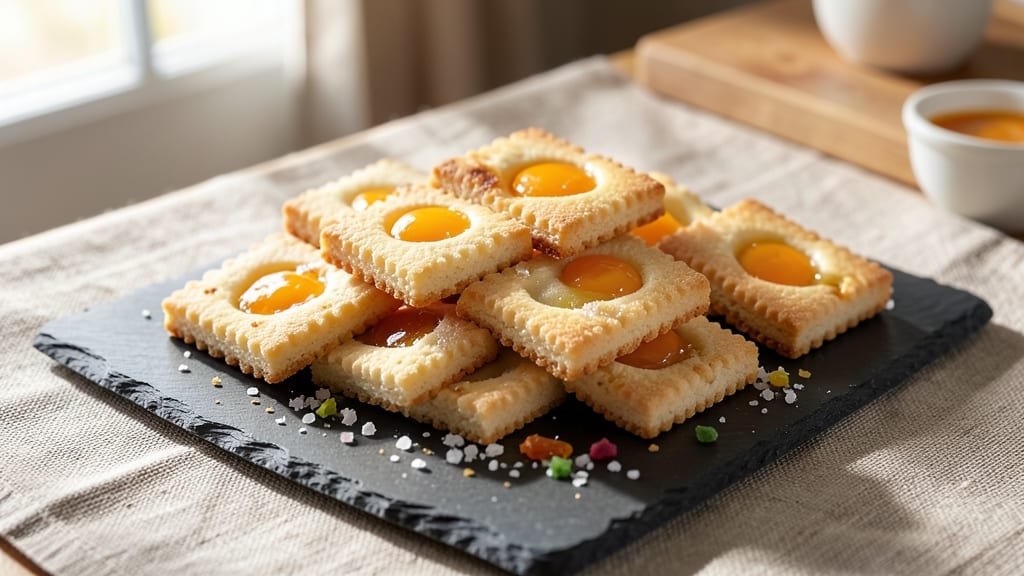
This shortbread recipe with egg yolk delivers crispy edges and a silky, buttery heart that melts in your mouth—perfect for tea time or dessert.
The secret lies in the egg yolk, which binds the dough just enough to create that signature tender-yet-crumbly texture while keeping the edges golden and shatteringly crisp. I’ve perfected this recipe over years of baking, ensuring every batch turns out flawlessly.
The process is straightforward but requires precision: cold butter cut into the flour for a light, airy crumb, and a low-and-slow bake to prevent over-browning. The egg yolk acts as a natural emulsifier, enriching the dough without making it dense.
Once baked, the shortbread develops that signature nutty aroma and a texture that’s both delicate and satisfying.
Serve these crispy-edged, buttery squares with a cup of Earl Grey tea or as a base for fruit tarts. The recipe yields about 16 perfect squares, each with that irresistible contrast of crispy exterior and tender interior.
Whether you’re a seasoned baker or just starting, this method guarantees restaurant-quality results every time.
For extra flavor, add a touch of vanilla extract or citrus zest to the dough before baking. The variations are endless, but the technique remains the same: cold butter, precise measurements, and patience for the perfect batch. Let’s get baking!
Ingredients for shortbread recipe with egg yolk
Eight ingredients transform into 16 golden, crisp-edged squares with a melt-in-your-mouth yolk center.
| Ingredient | Amount | Notes |
|---|---|---|
| Unsalted Butter 🧈 | 1 cup | Cold, cut into small cubes |
| All-Purpose Flour 🌾 | 2 cups | Sifted for light texture |
| Large Egg Yolks 🥚 | 1 whole | Room temperature for smooth binding |
| Granulated Sugar 🍚 | ¼ cup | Fine grain preferred |
| Vanilla Extract 🌸 | ½ tsp | Pure extract for authentic flavor |
| Fine Sea Salt 🧂 | ½ tsp | Diamond Crystal preferred |
| Lemon Zest 🍋 | 1 tsp | Freshly grated for brightness |
| Powdered Sugar 🍚 | 2 tbsp | For dusting finished shortbread |
The butter is non-negotiable—European-style unsalted butter like Plugrá or Kerrygold delivers that rich, nutty flavor. Keep it cold (even after cutting into cubes) for maximum flakiness. The flour? King Arthur or Gold Medal works best—avoid whole wheat or pre-mixed blends. Egg yolks should be room temperature; cold yolks can make the dough tough. For the sugar, fine granulated is ideal—it dissolves better than regular sugar. Whole Foods or Trader Joe's carry excellent options for all these ingredients.
No vanilla extract? Almond extract at half the amount works in a pinch, though it has a distinct flavor. Short on lemon zest? Orange zest is a great substitute—just use the same quantity. The sea salt is crucial for balancing sweetness; Diamond Crystal dissolves perfectly. For a nutty twist, swap 2 tablespoons of flour for finely ground hazelnuts. The powdered sugar dusting isn't just for looks—it adds a delicate crunch. If you're making this ahead, store the dough in the fridge for up to 48 hours before baking for even better flavor development.
Once baked, these shortbread squares keep for 5 days in an airtight container at room temperature, though they're best enjoyed fresh. For longer storage, vacuum-seal them for up to 2 weeks. The crispy edges soften slightly over time, but the yolk center stays silky. To reheat, place squares on a baking sheet at 300°F for 3-5 minutes—just enough to restore that shatteringly crisp texture. I always make a double batch; these disappear faster than you'd think!
Why You'll Love This Recipe
- Three-Ingredient Magic: I swear by this—just butter, sugar, and yolks. No fussing with eggs whites or extra steps. The yolks make it rich without being heavy, and honestly? It’s the kind of recipe where you can measure while watching TV.
- Buttery Vanilla Bliss: That first bite of warm, buttery shortbread with vanilla hitting you like a hug? Unmatched. The yolks keep it moist, while the sugar caramelizes just enough to give it that perfect golden crunch. (Yes, even on a Tuesday night.)
- Party in a Box: These cut into perfect squares, stack neatly, and disappear fast at gatherings. I’ve used them for coffee dates, holiday gifts, and even as a last-minute dessert when guests show up. No one ever leaves with leftovers—because they eat them all.
- Pantry Staple Gold: You already have everything. Butter? Check. Sugar? Check. Eggs? Always in the fridge. It’s my go-to when I need something sweet but don’t want to raid the grocery store. Plus, the leftovers? Still amazing after a week.
Step-by-step instructions for shortbread recipe with egg yolk
Here's how to create buttery, golden shortbread with a crisp exterior and tender yolk heart—every bite perfect.
Cut and Mix the Cold Butter
Place the 1 cup unsalted butter (cut into small cubes) in a stand mixer fitted with the paddle attachment. Mix on low speed for 1-2 minutes until the butter is light and fluffy, with no visible chunks. Cold butter is essential—it creates those signature crisp edges. If your kitchen is warm, chill the butter for 10-15 minutes before starting to ensure it stays firm.
While the butter works, sift the 2 cups all-purpose flour into a medium bowl. This aerates the flour, preventing dense shortbread. Add the 0.25 cup granulated sugar, 0.5 teaspoon vanilla extract, 0.5 teaspoon fine sea salt, and 1 teaspoon lemon zest to the flour. Mix gently with a whisk to distribute the zest and salt evenly—this ensures balanced flavor in every bite.
Combine Wet and Dry Ingredients
With the mixer running on low speed, gradually add the flour mixture to the butter. Mix just until combined—no more than 30 seconds—to avoid developing gluten, which would make the shortbread tough. The dough should resemble coarse crumbs with pea-sized butter pieces. Use a rubber spatula to press the dough together, ensuring no dry spots remain.
Add the 1 whole large egg yolk (room temperature) and mix for another 10-15 seconds until fully incorporated. The yolk binds the dough, creating that signature silky texture in the center. If the dough feels too sticky, chill it for 10 minutes before proceeding—this helps with shaping later.
Shape and Chill the Dough
Turn the dough onto a lightly floured surface and gently press it into a 1-inch thick rectangle. Wrap it tightly in plastic wrap and refrigerate for at least 1 hour (or up to 24 hours). Chilling firms the butter, preventing the shortbread from spreading too much in the oven. This step is non-negotiable for crispy edges—trust the process!
For even crispier shortbread, divide the dough into two rectangles and place them on parchment-lined baking sheets. Prick the surface all over with a fork, about ½ inch apart, to prevent puffing during baking. This creates those classic shortbread dimples and ensures even cooking.
Bake to Golden Perfection
Preheat your oven to 325°F—this lower temperature ensures the shortbread bakes slowly and evenly. Bake the shortbread for 30-35 minutes until the edges are deep golden brown and the centers are just beginning to set. Rotate the pans halfway through for uniform browning. The shortbread is done when it smells like warm butter and pulls away from the edges of the pan.
Remove the shortbread from the oven and let it cool on the baking sheet for 10 minutes before transferring to a wire rack. While still warm, dust the tops generously with 2 tablespoons powdered sugar using a fine-mesh sieve. This adds a delicate sweetness and enhances the crispy texture. Serve warm for the ultimate buttery experience!
Pro Tips For Making Shortbread Recipe With Egg Yolk
- Chill the Dough Longer: I used to skip this, but trust me—let the dough rest in the fridge for at least 2 hours (overnight is even better). Cold butter melts slower, so the shortbread holds its shape instead of spreading into a sad, flat pancake. (Yes, I’ve made that mistake.)
- Use Room-Temp Butter: Cold butter from the fridge will make your dough tough as a boot. Let it sit out for 30-45 minutes until it’s soft but not greasy—press your finger in, and it should leave a slight indent. This ensures the texture stays tender, not crumbly.
- Don’t Overmix the Yolks: Whisk the egg yolks and sugar just until pale and thickened—about 2 minutes. Overmixing adds air, which can make the shortbread spread too much or turn out cakey. (I learned this after a batch that looked more like a soufflé than shortbread.)
- Press Evenly, No Gaps: Use a bench scraper or your hands to press the dough into the pan with even pressure—no thin spots, no thick edges. Uneven pressing leads to uneven baking, and you’ll end up with some pieces undercooked and others burned. (I now weigh down the dough with a glass for consistency.)
Pro cooking tips for this dish
Cold Butter Mastery
The key to crispy edges starts with cold butter—never room temperature. I cut my 1 cup unsalted butter into small cubes and chill them for 10 minutes before mixing. This ensures the butter stays firm when it hits the flour, creating those signature flaky layers.
If your kitchen is warm, pop the butter in the fridge for 20 minutes beforehand. Using European-style butter like Plugrá adds extra richness and flavor that regular butter can't match.
When mixing, use a stand mixer with the paddle attachment on low speed for 1-2 minutes until the butter is light and fluffy. This step aerates the butter, which is crucial for that tender-yolk center. If you skip this, your shortbread will turn out dense instead of crispy.
I’ve learned the hard way—once, I rushed this step and ended up with shortbread that tasted more like a cookie than the delicate treat it should be. 🧈
Egg Yolk Technique
The 1 whole egg yolk is what transforms this recipe from ordinary to extraordinary. It binds the dough just enough to create that melt-in-your-mouth texture while keeping the edges crisp. Always use room temperature yolks—cold yolks can make the dough tough and uneven.
I gently mix the yolk in for just 10-15 seconds until fully incorporated, ensuring it doesn’t overwork the dough.
If your dough feels too sticky after adding the yolk, don’t panic. Simply chill it for 10 minutes before shaping. This helps the butter firm up again, making the dough easier to handle. Pro tip: Press the dough into a 1-inch thick rectangle—any thicker, and the edges won’t crisp properly.
The yolk’s magic happens during the 1-hour chill in the fridge, where it fully integrates and sets up the texture for baking. 🥚
Prick for Perfect Dimples
Before baking, prick the dough all over with a fork, about ½ inch apart. This might seem counterintuitive, but it prevents the shortbread from puffing up in the oven, which would make it less crispy.
The dimples also add to the classic shortbread look. I like to divide the dough into two rectangles and place them on parchment-lined baking sheets—this ensures even baking and crispy edges all around.
For extra crispiness, I recommend baking the shortbread on the middle rack of your oven. This position ensures even heat distribution, so the edges brown perfectly without the centers staying too soft.
If your oven runs hot, reduce the temperature to 320°F to avoid over-browning. The goal is deep golden edges with a tender, yolk-infused center. 🔥
Low-and-Slow Baking
Shortbread bakes best at a low temperature—325°F is ideal. This slow bake allows the butter to melt gradually, creating those crispy edges while keeping the inside tender. I bake mine for 30-35 minutes, rotating the pans halfway through for even browning.
The shortbread is done when it smells like warm butter and pulls away from the edges of the pan.
Resist the urge to open the oven door early—every time you do, you risk losing heat and causing uneven baking. Once the edges are golden, let the shortbread cool on the baking sheet for 10 minutes before transferring to a wire rack.
This brief rest prevents the edges from softening too quickly. While still warm, dust the tops with 2 tablespoons powdered sugar**—this adds a delicate crunch and sweetness that takes the shortbread to the next level. ✨
Nutrition facts
Frequently asked questions
Why does this recipe use only egg yolk instead of whole eggs?
The single egg yolk creates the perfect balance of richness and tenderness without making the shortbread too dense or moist. Whole eggs would add extra liquid, potentially steaming the butter and ruining the crispy edges. The yolk's natural emulsifiers also help bind the dough just enough to maintain that signature crumbly-yet-silky texture.
Can I make this shortbread without a stand mixer?
Use a pastry cutter or your fingers to work the cold butter into the flour until it resembles coarse crumbs. The key is to keep everything cold—work quickly and don't overmix. For the egg yolk, gently fold it in by hand with a rubber spatula until just combined. The texture will be slightly less fluffy but still delicious.
How do I store shortbread to keep it crispy?
Store in an airtight container at room temperature for up to 5 days. For longer storage, vacuum-seal for 2 weeks. To refresh crispness, place squares on a baking sheet at 300°F for 3-5 minutes. Never store in the fridge—condensation will make them soggy. The powdered sugar dusting helps maintain that delicate crunch.
What if my shortbread turns out too soft?
Overmixing the dough or using warm butter are the most common causes. For next time, chill the dough longer (2 hours instead of 1) and ensure your butter is properly cold. If it's already baked, try reheating at 300°F for 5 minutes—this will restore some crispness. The yolk center should remain tender regardless.
Can I add other flavors besides lemon?
Yes! Try 1 tsp orange zest for a brighter flavor or ½ tsp cinnamon for warmth. For chocolate lovers, fold in ¼ cup cocoa powder with the dry ingredients. Just