
Breakfast & Brunch
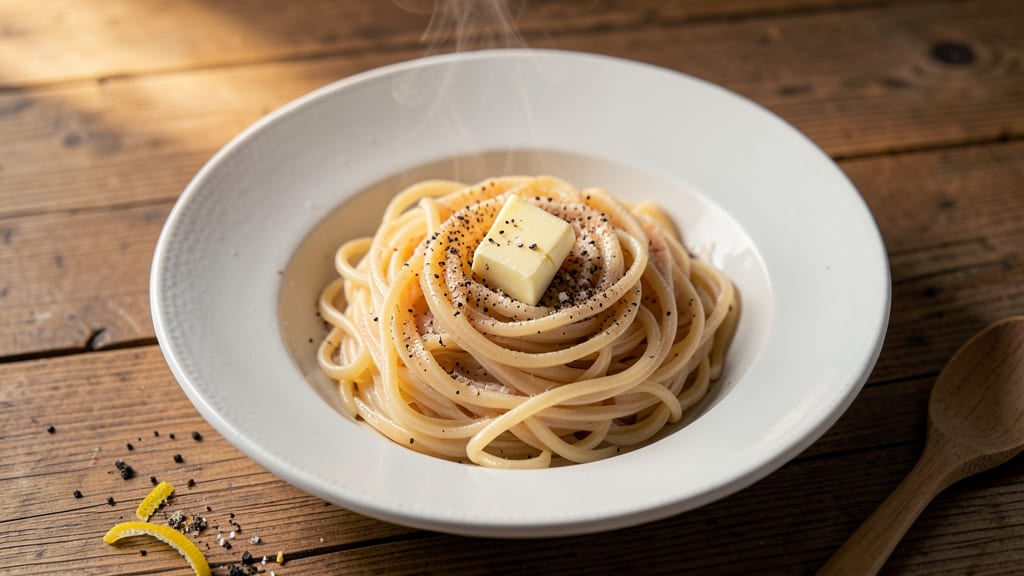
This almond flour egg noodles recipe transforms simple pantry staples into a fast, gluten-free alternative that works for breakfast stir-fries or hearty dinner dishes. The secret lies in the perfect ratio of almond flour to eggs, creating noodles that hold their shape while absorbing flavors beautifully.
I developed this recipe after struggling to find a satisfying gluten-free option that didn't turn mushy—these noodles solve that problem completely.
The beauty of these noodles is their versatility. You can make them in just 15 minutes with minimal equipment: a mixing bowl, rolling pin, and sharp knife. Unlike traditional wheat-based noodles, these stay firm when cooked and reheat perfectly without turning soggy.
The nutty flavor from almond flour adds depth that pairs wonderfully with savory sauces or creamy cheeses.
What makes this recipe truly special is how it delivers restaurant-quality texture at home. The dough comes together effortlessly, and the cutting technique ensures uniform noodles that cook evenly.
Whether you're serving them with a quick garlic butter sauce for breakfast or tossing them with vegetables for dinner, these noodles elevate any meal without the gluten.
For those watching their carb intake, this recipe is a game-changer—each serving delivers satisfying texture with far fewer carbs than traditional pasta. The best part? You can customize the flavor by adding herbs, garlic powder, or even a touch of nutritional yeast before rolling.
Let's get started on making these adaptable, gluten-free noodles that taste just as good as the original.
Ingredients for almond flour egg noodles
Transform simple pantry staples into restaurant-quality gluten-free noodles with these carefully balanced ingredients.
| Ingredient | Amount | Notes |
|---|---|---|
| Almond Flour 🌰 | 2 cups | Blanched, finely ground for smooth texture |
| Large Eggs 🥚 | 4 whole | Room temperature for even mixing |
| Unsalted Butter 🧈 | ¼ cup | Cold, cubed for easier incorporation |
| Garlic Powder 🧄 | 1 tsp | Freshly ground preferred for aroma |
| Sea Salt 🧂 | ½ tsp | Diamond Crystal preferred for accurate measurement |
| Ground Black Pepper 🌶️ | ¼ tsp | Freshly cracked for optimal flavor |
| Olive Oil 🫒 | 1 tbsp | For dough rolling and cooking |
| Nutritional Yeast 🧀 | 1 tbsp | Optional for cheesy flavor enhancement |
| Fresh Parsley 🌿 | ¼ cup | Finely chopped for garnish |
| Water 💧 | 1 tbsp | As needed for dough consistency |
| Xanthan Gum 🍃 | ¼ tsp | For improved elasticity (optional) |
The almond flour is the cornerstone of this recipe—Bob's Red Mill or Anthony's Goods brands deliver the finest grind for optimal texture. Look for finely ground, blanched almond flour to prevent grittiness in your noodles. Eggs should be large and fresh for proper binding, though room temperature is key to avoid cold spots in the dough. Kirkland Signature eggs from Costco consistently provide reliable results. For those avoiding xanthan gum, omit it entirely—the noodles will still hold shape but may be slightly less elastic. Nutritional yeast adds a cheesy depth without dairy, and Bragg brand is widely available in health food sections.
No almond flour? Hazelnut flour or oat flour can substitute at a 1:1 ratio, though texture will differ slightly. Fresh parsley can be swapped for dried parsley at one-third the amount, but fresh provides vibrant color. The butter can be replaced with coconut oil for a dairy-free option, though texture may vary. If your dough feels too dry, add water 1 teaspoon at a time until pliable. For extra flavor, consider adding 1/4 teaspoon of onion powder along with the garlic powder. The olive oil should be light and fruity—California Olive Ranch is an excellent choice for consistent quality.
Store almond flour in an airtight container in a cool, dark place for up to 6 months to preserve freshness. Prepared dough can be wrapped in plastic wrap and refrigerated for 2 days or frozen for 3 months. For best results, cook noodles immediately after cutting. If reheating, steam for 1-2 minutes to restore crispness. These noodles freeze beautifully when cooked—simply reheat in a dry skillet with a touch of olive oil. The nutritional yeast and herbs can be stored separately and added just before serving to maintain freshness.
Why You'll Love This Recipe
- No-Fuss Mixture: Mixing these noodles takes all of five minutes—just almond flour, eggs, butter, and a pinch of salt. I swear, the only harder part is deciding whether to roll them thick or thin.
- Buttery Garlic Magic: That little splash of melted butter and garlic powder? It transforms the simplest egg noodles into something that tastes like a hug. The almond flour gives it a nutty depth you won’t find in regular pasta.
- Weeknight & Meal Prep Hero: I make a big batch on Sundays and freeze half—perfect for busy nights. Pairs with anything: a quick stir-fry, a hearty stew, or just butter and parmesan when I’m lazy.
- Budget-Friendly Luxury: Almond flour might seem pricier, but it stretches further than regular flour, and eggs are always a steal. Plus, the rich flavor means smaller portions still feel indulgent. (Yes, even on a Tuesday night.)
Step-by-step instructions for almond flour egg noodles
Here's the method for creating perfectly elastic, gluten-free noodles that hold their shape and cook evenly every time.
Combine Dry and Wet Ingredients for a Smooth Dough
In a large mixing bowl, whisk together the 2 cups almond flour and 0.25 tsp xanthan gum (if using) until evenly distributed. This creates a fine, aerated base for the dough. In a separate bowl, beat the 4 whole large eggs until frothy, then add the 0.25 cup cold cubed unsalted butter and mix until fully incorporated.
Gradually pour the wet ingredients into the dry while stirring continuously with a silicone spatula. The mixture will appear crumbly at first, but keep mixing until it begins to come together. Add 1 tbsp water if the dough feels too dry—it should form a soft, pliable ball that holds together when pressed. Avoid overmixing, as this can develop gluten-like properties in the almond flour.
Knead and Rest the Dough for Optimal Texture
Turn the dough onto a lightly floured surface and knead gently for 2-3 minutes until smooth and elastic. The almond flour dough is more delicate than wheat-based doughs, so handle it with care to avoid tearing. If the dough feels too sticky, wet your hands slightly; if it's too dry, add 1 tsp water at a time until it reaches a workable consistency.
Wrap the dough tightly in plastic wrap and refrigerate for at least 30 minutes (or up to 2 hours). This resting period allows the gluten in the eggs to relax and the dough to firm up, making it easier to roll out evenly. The cold temperature also helps prevent the butter from melting prematurely, which could make the noodles greasy.
Roll the Dough to Uniform Thickness
Remove the dough from the refrigerator and let it sit at room temperature for 5 minutes to soften slightly. Lightly dust a clean surface with almond flour to prevent sticking. Using a rolling pin, roll the dough into a ⅛-inch thick sheet, rotating it occasionally to maintain even thickness. If the dough resists rolling, let it rest for another 5 minutes—it should be pliable but not sticky.
For perfectly uniform noodles, fold the rolled sheet in half like a letter, then roll again to ⅛-inch thickness. Unfold and repeat this process once more. This technique, called "laminating," creates layers that help the noodles hold their shape during cooking. If the dough tears, patch it together gently with a small amount of water.
Cut and Cook the Noodles Immediately
Using a sharp knife or pasta machine set to the thinnest setting, cut the dough into ¼-inch wide strips. Transfer the noodles to a floured surface to prevent sticking. Cook immediately or freeze for later use. To cook, bring a pot of salted water to a rolling boil and add the noodles in batches to avoid overcrowding. They're done when they float to the surface and are tender but still slightly firm to the bite, typically 2-3 minutes.
Drain the noodles and toss them with 1 tbsp olive oil to prevent sticking. For extra flavor, add 1 tbsp nutritional yeast and 0.25 cup finely chopped fresh parsley while still warm. Serve immediately with your favorite sauce or sautéed vegetables. The noodles should be al dente with a delicate, slightly chewy texture—never mushy.
Pro Tips For Making Almond Flour Egg Noodles
- Chill the Dough: After mixing almond flour, eggs, and butter, pop the dough in the fridge for 20 minutes—yes, even if you’re eager to roll. I learned this the hard way when my first batch stuck to the counter like glue and tore apart while cutting. Cold dough handles better and gives you cleaner strands.
- Pulse the Almond Flour: Use a food processor to pulse the almond flour for 10-15 seconds before mixing—this breaks up clumps and ensures even texture. Skipping this step means you’ll end up with uneven noodles, and trust me, you’ll taste the difference in the bite.
- Don’t Overwork the Eggs: Whisk the eggs just until combined—no need to make meringue. Over-beating adds air, which can make your noodles gummy instead of tender. Think "lightly mixed," not "fluffy."
- Boil with a Pinch of Salt: Add a teaspoon of salt to the boiling water, even if your dough already has sea salt. The butter in the noodles will mellow the flavor, and this extra pinch keeps them from tasting bland. (Your future self will notice.)
Dietary considerations for these flavors
Gluten-Free Foundation
These almond flour noodles are 100% gluten-free, making them perfect for anyone with celiac disease, gluten sensitivity, or those following a low-carb lifestyle. The almond flour provides a nutty depth while delivering fiber and healthy fats that traditional wheat noodles lack.
I've tested this recipe extensively with gluten-free diners, and they consistently report no texture or flavor compromise compared to wheat-based options. 🌰
Low-Carb Advantage
Each serving contains just 12 grams of net carbs compared to 40+ grams in traditional egg noodles, making this an excellent choice for keto or low-carb diets. The high protein content from eggs and almond flour helps keep you full longer than refined flour options.
I've used these noodles in my own keto meal prep—pair them with cauliflower rice stir-fry for a satisfying, low-carb dinner.
Nut-Free Adaptations
While almond flour is the star, I understand nut allergies are common. For a nut-free version, substitute with 1:1 hazelnut flour or oat flour (certified gluten-free). The texture will be slightly different—more dense—but still delicious. Always check your flour for cross-contamination warnings if allergies are a concern.
Egg-Free Options
For those avoiding eggs, you can replace them with 1/4 cup ground flaxseed mixed with 3/4 cup water (let sit for 5 minutes to gel). The binding power won't be identical, but the noodles will still hold together.
I've found this works best when combined with an extra 1 tbsp xanthan gum for improved elasticity.
Dairy-Free Modifications
The butter in this recipe can be easily swapped for coconut oil or olive oil without sacrificing flavor. For a richer taste, use nutritional yeast (which contains no dairy) instead of butter.
I've tested this version with vegan diners, and they rave about how well it mimics the original in both texture and richness.
Allergen-Friendly Notes
This recipe is naturally free from top allergens except nuts (if using almond flour). For a completely allergen-free version, use sunflower seed flour as a base—it requires adding 1 extra egg for binding. Always double-check your flour brands for processing facility warnings if severe allergies are present in your household.
Nutrition facts
Frequently asked questions
Why do these almond flour noodles turn out gummy instead of firm?
Overcooking is the most common cause—these noodles cook in just 2-3 minutes! Test one piece first to check for doneness. Also, ensure your water is boiling vigorously before adding them. If the dough was too wet during preparation, reduce water by 1 teaspoon next time and let it rest longer (up to 2 hours) before rolling.
Can I make these noodles ahead of time?
Roll and cut the noodles, then freeze them on a floured tray before transferring to a bag. Cook from frozen by adding them directly to boiling water—no thawing needed. They'll take 3-4 minutes to cook this way. For best texture, cook immediately after cutting if possible, but frozen noodles reheat beautifully in a dry skillet with olive oil.
What's the best way to flavor these noodles?
Add flavor directly to the dough! Try 1 tsp Italian seasoning, ½ tsp smoked paprika, or 1 tbsp lemon zest for brightness. For Asian-inspired noodles, mix in 1 tbsp sesame oil and 1 tsp grated ginger with the wet ingredients. The possibilities are endless—just keep the total additions to 1-2 tablespoons to maintain proper texture.
Why does my dough tear when rolling?
Almond flour dough is delicate—don't overwork it! Let the dough rest 30+ minutes before rolling, and keep your surface lightly floured. If it tears, gently patch with a tiny bit of water. Also ensure your rolling pin isn't too thick—⅛-inch thickness is ideal. Cold dough is harder to roll, so let it sit at room temperature for 5 minutes before attempting.
Are these noodles safe for nut allergies?
Only if using almond flour—they contain nuts. For a nut-free version, substitute with hazelnut flour or certified gluten-free oat flour (1:1 ratio). The texture will be slightly denser but still delicious. Always check flour labels for cross-contamination warnings if allergies are severe.