
Main Courses
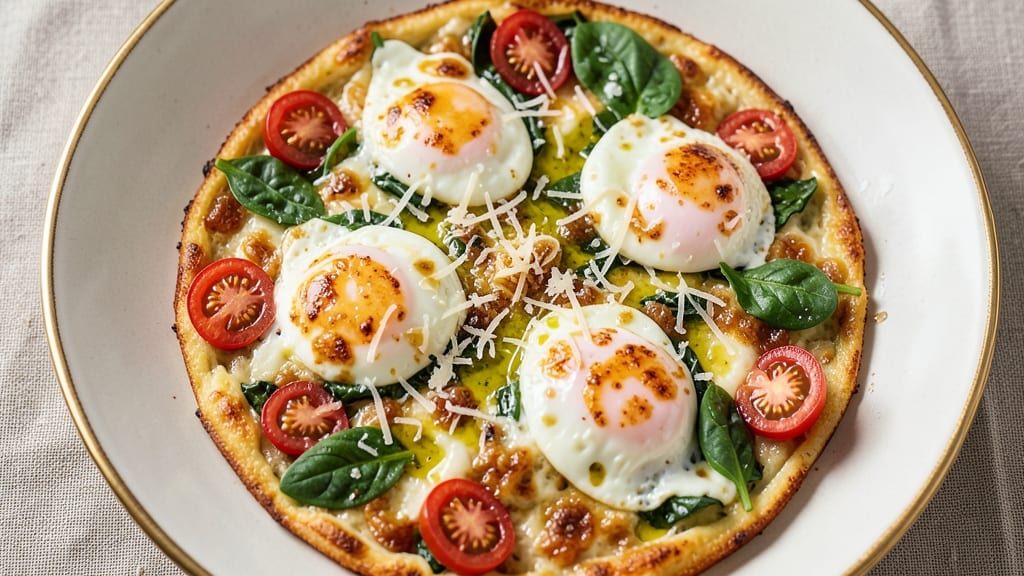
This 4-egg recipe delivers the perfect balance of crispy edges and runny yolk magic in under 20 minutes—ideal for breakfast, brunch, or even dinner.
The secret lies in a high-heat pan and a precise technique that transforms simple eggs into a restaurant-worthy frittata with golden, shatteringly crispy edges and a silky, custardy center.
I developed this recipe after years of experimenting with frittatas, and it never fails to impress, whether served as a standalone meal or paired with fresh greens and toast.
The beauty of this 4-egg frittata is its versatility—it’s vegetarian-friendly, packed with protein, and customizable with your favorite add-ins like cheese, herbs, or vegetables. The key to achieving those crispy edges while keeping the yolk perfectly runny is cooking the frittata in a preheated, well-oiled pan over medium-high heat.
This method ensures a caramelized crust without overcooking the inside, giving you that ideal texture in every bite.
What you’ll end up with is a dish that’s as satisfying as it is elegant—a golden, crispy-edged frittata with a custardy interior and a yolk that’s still vibrant and rich.
The aroma of the eggs cooking in the pan fills your kitchen with warmth, and the first bite delivers a perfect harmony of textures: crispy, creamy, and tender all at once. This recipe is perfect for when you want something quick, delicious, and foolproof.
Serve it with a side of roasted vegetables, a fresh salad, or crusty bread to soak up the remaining custard. The possibilities are endless, but the execution is simple—just four eggs, a few pantry staples, and a little patience. Let’s make this frittata!
Ingredients for 4 egg
Four eggs transform into a golden, crispy-edged frittata with silky yolk magic—just 20 minutes of magic.
| Ingredient | Amount | Notes |
|---|---|---|
| Large Eggs 🥚 | 4 whole | Room temperature for even cooking |
| Extra-Virgin Olive Oil 🫒 | 2 tbsp | High-quality, fruity variety |
| Whole Milk 🥛 | ¼ cup | Full-fat for creaminess |
| Shallots 🧅 | 2 whole | Finely minced for sweetness |
| Fresh Thyme Leaves 🌿 | ¼ cup | Or 1 tsp dried thyme |
| Parmesan Cheese 🧀 | ½ cup | Freshly grated, nutty variety |
| Salt 🧂 | ½ tsp | Diamond Crystal kosher |
| Freshly Ground Black Pepper 🌶️ | ¼ tsp | Freshly cracked preferred |
| Fresh Spinach 🌱 | 1 cup | Chopped, loosely packed |
| Cherry Tomatoes 🍅 | ½ cup | Halved, seeds removed |
| Crusty Bread 🍞 | 4 slices | For serving, optional |
| Fresh Basil Leaves 🌿 | 0.1 cup | Chopped, for garnish |
The eggs are the star, so grab room-temperature large eggs from the fridge 30 minutes before cooking—they cook more evenly. Whole milk makes this custardy, but half-and-half works too if you prefer. For the cheese, Parmigiano-Reggiano is non-negotiable—grate it yourself from a wedge. The fresh thyme at Whole Foods or your local market adds that bright, herbal note that jarred mixes can't replicate. Shallots? They’re sweeter than onions and add depth without overpowering. If you can’t find shallots, 1 small red onion minced finely does the trick.
No fresh thyme? Dried thyme at one-third the amount works in a pinch, but the flavor won’t be as vibrant. Swap the spinach for arugula or kale if you prefer a pepperier bite. Cherry tomatoes add a pop of color and sweetness—sun-dried tomatoes in oil would be a great substitute if you’re in a hurry. The olive oil is where you shouldn’t skimp: California avocado oil has a higher smoke point and won’t overpower the dish. For the crispy edges, butter-flavored cooking spray can be a backup if you forget the oil, though it won’t be as rich.
Store any leftovers in an airtight container for up to 3 days—though honestly, this disappears faster than you can say crispy edges. Reheat in a skillet over medium heat for 2-3 minutes until warmed through. The frittata reheats beautifully, making it perfect for meal prep. Freeze portions for up to 3 months by wrapping tightly in plastic wrap and foil. When reheating from frozen, add 1 extra tablespoon of milk to keep it moist—trust me on this.
Why You'll Love This Recipe
- No Chopping Needed: I swear by this when I’m too tired to dice anything. Shallots get a quick minced whirl in the food processor—no knife skills required—and the thyme just needs a little plucking. That’s it.
- Creamy Without the Fuss: The milk and olive oil blend into eggs so silky, you’ll forget how little effort it took. Honestly, the first time I made this, I expected it to taste like a shortcut—turns out, it’s the secret to restaurant-quality richness.
- Leftovers That Don’t Suck: This keeps in the fridge for days, and reheats like it was just made. I’ll be real: most egg dishes dry out or turn rubbery, but not this one. The shallots add enough depth to keep it interesting, even on day three.
- Budget Breakfast for Two: Four eggs stretch into a meal that actually fills you up—no sad little omelet here. Between us, this is my go-to when I’m feeding a guest or my kid’s friends show up hungry. Cheap, filling, and no one bats an eye.
Step-by-step instructions for breakfast frittata with crispy edges
This frittata delivers restaurant-quality texture in just 20 minutes—crispy edges, runny yolks, and perfect balance.
Prep Ingredients for Even Cooking
Start by mincing the 2 whole shallots into tiny pieces—think finer than a dice, almost like a paste. This ensures they cook quickly and distribute flavor evenly throughout the frittata. In a separate bowl, chop the 1 cup fresh spinach into bite-sized pieces and halve the 0.5 cup cherry tomatoes, removing seeds to prevent excess moisture.
While you prep, give the 4 whole large eggs a gentle whisk with the 0.25 cup whole milk, 0.5 tsp salt, and 0.25 tsp freshly ground black pepper until just combined. I like to use a fork for this—no need for a mixer. The eggs should be fully incorporated but still slightly lumpy, which helps create that signature rustic texture. Keep the 0.5 cup freshly grated Parmesan cheese and 0.25 cup fresh thyme leaves ready to fold in later.
Sear Aromatics for Deep Flavor
Heat a 10-inch oven-safe skillet over medium-high heat and add the 2 tbsp extra-virgin olive oil. Once shimmering, add the minced shallots and cook for 3-4 minutes until they turn a soft golden color. You'll smell that sweet, caramelized aroma—this is where the magic starts. Add the spinach and cook for another 1-2 minutes until just wilted, then toss in the halved cherry tomatoes and cook for 30 seconds to soften slightly but still retain their shape.
Here's the thing—don't overcrowd the pan. If your skillet is smaller, work in batches. You want the ingredients to sizzle and develop color, not steam. This step builds the flavor foundation, so take your time. When the tomatoes are just starting to blister slightly, remove the skillet from heat and set it aside.
Assemble and Bake for Crispy Perfection
Return the skillet to medium heat and carefully pour in the egg mixture. Let it sit undisturbed for 1-2 minutes—this allows the bottom to set slightly before you stir. Then, using a spatula, gently push the cooked ingredients toward the center, tilting the pan to let the raw egg flow to the edges. Repeat this motion for 2-3 minutes until the eggs are mostly set but still slightly runny on top.
Transfer the skillet to a preheated 375°F oven and bake for 8-10 minutes. Watch closely after 6 minutes—you're aiming for golden brown edges with a slightly puffed center that's still jiggly. The frittata should spring back slowly when touched, indicating it's perfectly set underneath while keeping those runny yolks intact. If the top browns too quickly, tent loosely with foil.
Finish with Cheese and Garnish
Remove the frittata from the oven and sprinkle the 0.5 cup freshly grated Parmesan cheese evenly over the top. Return it to the oven for 1-2 minutes just to melt the cheese and add that final salty punch. The cheese should bubble slightly and create a beautiful golden crust.
Let the frittata rest for 2-3 minutes before slicing—this prevents it from falling apart. Garnish with the 0.1 cup chopped fresh basil leaves right before serving. The contrast of warm frittata with cool basil adds a fresh finish. Serve immediately with the 4 slices crusty bread on the side for perfect dipping.
Pro Tips For Making 4 Egg
- Sweat Shallots Low and Slow: I learned this the hard way—dumping chopped shallots into hot oil makes them bitter. Instead, cook them over medium-low heat for 5-6 minutes until soft and translucent, stirring occasionally. Their flavor mellows out and blends better with the eggs.
- Whisk Eggs Until Ribbon-Thin: No one likes scrambled eggs with a dry, curdled texture. Beat the eggs with milk until the mixture holds a slow ribbon when you lift the whisk—about 30 seconds longer than you think. This ensures silky texture when they hit the pan.
- Salt the Milk First: Skip salting the eggs directly—dissolve a pinch of salt into the milk before mixing. The salt disperses evenly, and the eggs absorb flavor more consistently. (Yes, even if you’re impatient like me, wait 10 seconds for it to dissolve.)
- Use Thyme Early, Not Late: Toss thyme leaves into the pan before adding the eggs, not after. The heat releases their essential oils into the olive oil, infusing the dish with aroma from the start. If you add them later, they’ll just wilt into oblivion.
Troubleshooting this dish
Overcooked Edges
If your frittata edges turn rubbery or dry, you’ve likely cooked it too long or at too high a temperature. The key is medium-high heat for searing and medium heat for the egg mixture—never rush this step.
I’ve found that using a 10-inch oven-safe skillet (like a Made In cast iron) helps distribute heat evenly. Once the eggs are mostly set but still slightly runny on top, transfer to the oven at 375°F for just 8-10 minutes. 🌡️
Soggy Center
A frittata with a watery or undercooked center usually means the eggs weren’t cooked long enough or the pan wasn’t hot enough. To fix this, ensure your skillet is preheated before adding oil, and let the egg mixture sit undisturbed for 1-2 minutes after pouring to set the bottom.
If using add-ins like spinach, pat them dry before cooking to remove excess moisture. For extra insurance, bake the frittata for 1-2 minutes longer than you think it needs.
Uneven Cooking
Uneven cooking often happens when the heat source isn’t consistent. If your stovetop has hot spots, use a heat diffuser (like a Cuisinart stainless steel) to spread the heat evenly. For oven baking, place the skillet on the middle rack—this ensures even heat distribution.
If your oven runs hot, reduce the temperature to 350°F and check the frittata after 6 minutes to avoid overbrowning.
Broken Structure
If your frittata falls apart when slicing, it likely didn’t rest long enough after baking. Always let it sit for 2-3 minutes before cutting—this allows the proteins to fully set. Another common cause is overmixing the eggs.
Whisk them just until combined (a few streaks of white are fine) to maintain a rustic, slightly lumpy texture. For extra stability, sprinkle 1 tbsp extra Parmesan on top before baking to create a stronger crust.
Runny Yolks Disappearing
To preserve that perfectly runny yolk, avoid overbaking. Remove the frittata from the oven as soon as the edges are golden brown and the center still jiggles slightly. If you’re worried about doneness, cover it loosely with foil for the last 2 minutes of baking to trap heat.
Pro tip: Serve the frittata immediately—the yolks will firm up as it cools, so timing is everything. 💛
Cheese Not Melting
If your cheese stays clumpy or doesn’t melt smoothly, it’s likely not hot enough. Sprinkle the Parmesan right after removing the frittata from the oven and return it for 1-2 minutes to melt completely.
For extra creaminess, mix 1 tbsp milk into the egg mixture before baking—this helps emulsify the cheese. If using gooey cheeses like mozzarella, add them in the last 2 minutes of baking so they melt fully.
Nutrition facts
Frequently asked questions
Can I make this frittata with fewer eggs?
Yes, but the texture will change. For a 2-egg frittata, use an 8-inch skillet and reduce the milk to 2 tablespoons. The edges will be more delicate, so bake at 350°F for 6-8 minutes instead.
What are good vegetarian add-ins for this recipe?
Try sautéed mushrooms, roasted bell peppers, or caramelized onions for extra depth. For creaminess, fold in 1/2 cup ricotta or 1/4 cup crumbled feta before baking. Zucchini or asparagus work well too—just pat them dry first!
How do I reheat leftovers without drying them out?
Slice the frittata and reheat in a skillet over low heat with 1 teaspoon olive oil for 2-3 minutes per side. For oven reheating, cover with foil and bake at 325°F for 5-7 minutes. Add a splash of milk if it looks dry.
Can I make this frittata ahead of time?
Assemble it completely, then refrigerate for up to 24 hours before baking. Bake straight from the fridge at 375°F for 12-15 minutes, adding 1 extra minute to account for the cold start. For freezing, bake first, then wrap tightly and freeze for up to 3 months.
Why does my frittata stick to the pan?
This usually happens if the pan isn’t hot enough or you didn’t use enough oil. Always preheat your skillet over medium-high heat until it’s smoking hot, then add the 2 tbsp olive oil. For stubborn sticking, use a nonstick skillet or a well-seasoned cast iron pan. Never use butter—it burns too easily!