
Breakfast & Brunch
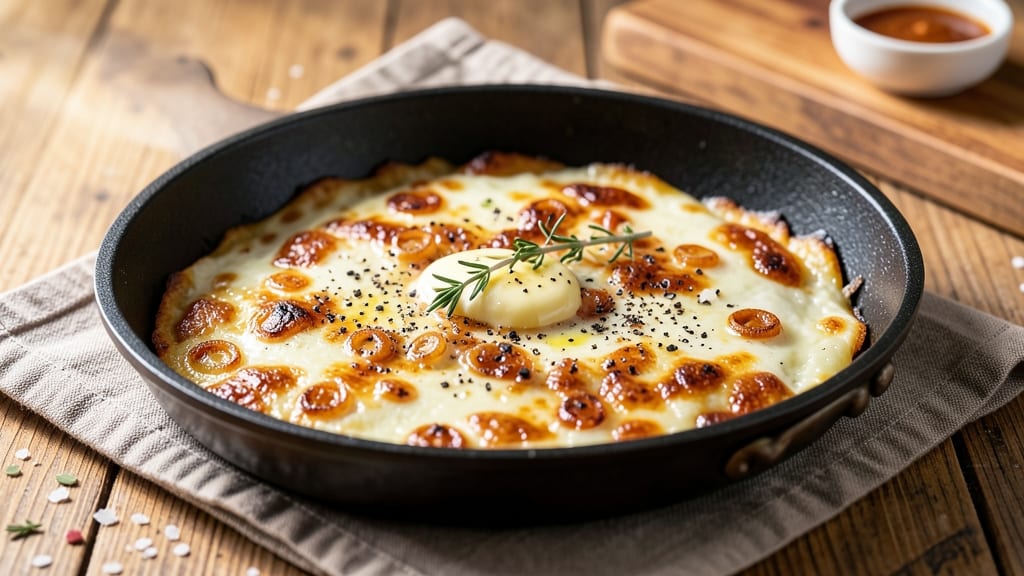
This 2-egg frittata recipe delivers restaurant-quality results with just two eggs—no wasted ingredients, no wasted effort. The secret lies in precise heat control and a technique that transforms simple eggs into a fluffy, golden masterpiece with perfectly set edges and a creamy yolk center.
I developed this method after years of experimenting with minimal-ingredient breakfasts that still deliver maximum satisfaction.
What makes this recipe special is its foolproof nature—no flipping required, no special equipment needed. A nonstick skillet handles all the work while you focus on creating the perfect texture: tender yet firm, with just enough moisture to keep each bite luscious.
The key is cooking at medium-low heat throughout, ensuring even cooking without browning before the center sets.
By the time you're done, you'll have a single-serving frittata that's rich, satisfying, and ready in just 10 minutes—ideal for busy mornings or late-night cravings. The edges develop a delicate crispness while the interior remains velvety smooth, with a yolk that stays gloriously runny when cut into.
This is breakfast elevated without the fuss.
Customize it with cheese, herbs, or vegetables while keeping the core technique intact. The possibilities are endless, but the foundation remains the same: simple, efficient, and utterly delicious. Let's get cooking!
Ingredients for 2 egg frittata
Two eggs and nine simple ingredients create a restaurant-quality frittata with perfect golden edges.
| Ingredient | Amount | Notes |
|---|---|---|
| Large Eggs 🥚 | 2 whole | Room temperature for even cooking |
| Unsalted Butter 🧈 | 1 tbsp | European-style preferred for higher smoke point |
| Shallots 🧅 | 1 small | Mince finely for sweetness |
| Extra-Virgin Olive Oil 🫒 | ½ tbsp | For finishing, fruity variety |
| Diamond Crystal Kosher Salt 🧂 | ¼ tsp | Fine grain for even distribution |
| Freshly Ground Black Pepper 🌶️ | ⅛ tsp | Cracked peppercorns preferred |
| Nutritional Yeast 🧀 | 1 tbsp | For cheesy umami depth |
| Fresh Thyme Leaves 🌿 | 2 whole | Stems removed, finely chopped |
| Chives 🌱 | 1 tbsp | Finely chopped for garnish |
| Vegetable Oil 🫒 | 1 tsp | High smoke point for skillet |
The eggs are the foundation—room temperature is critical for even cooking. Pasture-raised eggs from Vital Farms or your local farm store deliver superior texture, but any large eggs work. Shallots should be fresh and firm, not sprouting. For the butter, Plugrá or European-style brands have higher fat content, which prevents burning at medium-low heat. The nutritional yeast adds that cheesy depth without dairy—Bob's Red Mill is my go-to brand. Thyme and chives should be bright green with no wilting, indicating freshness.
No shallots? One small garlic clove minced works perfectly, though shallots add sweetness without overpowering. Substitute dried thyme at one-third the amount if fresh isn't available, but fresh delivers that bright herbal note. For the oil, avocado oil is ideal if you want to splurge—it handles high heat without flavor transfer. The vegetable oil can be any neutral oil (like canola or grapeseed), but avoid olive oil for cooking. Need a dairy-free cheese alternative? Vegan parmesan (store-bought or homemade with cashews) works beautifully when sprinkled on top before serving.
Store eggs in their carton in the coldest part of your fridge—use within 3 weeks for best texture. Fresh herbs should be wrapped in damp paper towels and stored in a sealed container for up to 5 days. The nutritional yeast keeps indefinitely in a cool, dark pantry. For the perfect frittata every time, preheat your nonstick skillet for 2 minutes before adding butter—this ensures even heat distribution. Leftovers? Reheat gently in the microwave with a splash of water to restore moisture—30 seconds is all it takes. This recipe scales perfectly for two servings if you double the eggs and adjust the pan size.
Why You'll Love This Recipe
- One-Pan Magic: I swear by this recipe because it’s literally just one pan, one bowl, and five minutes of active work. No flipping, no fuss—just crack, stir, and slide into the oven while you make coffee.
- Shallot-Kissed Richness: That caramelized shallot base? It’s the secret weapon—sweet, savory, and packed into every bite. The butter and olive oil make the eggs creamy without being greasy, and the salt? Just enough to let the eggs shine.
- Weeknight Workhorse: Between us, this is my go-to when I’m too tired to think. Two eggs mean it’s quick enough for a solo dinner or a side for a bigger meal. (Yes, even on a Tuesday night.)
- Budget Breakfast Hack: Two eggs stretch further than you’d think, especially when you’re using pantry staples like butter and shallots. It’s the kind of dish that turns a $2 grocery run into a satisfying meal—no guilt, just flavor.
Step-by-step instructions for fluffy 2-Egg frittata
Master this technique and you'll achieve restaurant-quality texture with perfectly set edges and a runny center.
Prepare the Shallots and Whisk the Egg Mixture
Finely mince the 1 small shallots using a sharp knife, aiming for pieces no larger than 1/8-inch—this ensures even cooking and sweetness throughout. Heat 1 teaspoon vegetable oil in a 7-inch nonstick skillet over medium-low heat until shimmering but not smoking. Add the shallots and cook for 3-4 minutes until soft and translucent, stirring occasionally to prevent browning.
While the shallots cook, crack the 2 whole Large Eggs into a medium bowl and whisk vigorously for 30 seconds until the yolks and whites fully combine. Add 1 tablespoon nutritional yeast, 0.25 teaspoon Diamond Crystal Kosher Salt, and 0.125 teaspoon Freshly Ground Black Pepper, whisking until evenly distributed. The nutritional yeast will add a subtle cheesy depth that elevates the dish beyond a simple egg preparation.
Cook the Egg Mixture to Custard Stage
Remove the skillet from heat and immediately pour in the egg mixture, stirring gently with a silicone spatula to distribute the shallots evenly. Return the skillet to medium-low heat and let the eggs cook undisturbed for 2-3 minutes, allowing the bottom to set while the top remains slightly jiggly. This creates the signature fluffy texture—don't rush this step or you'll end up with a dense, rubbery frittata.
After 2 minutes, gently tilt the skillet to check the underside. If it's light golden and the edges are just beginning to set, it's time to add the butter. Reduce heat to low and dot the surface with the 1 tablespoon Unsalted Butter, letting it melt and spread evenly. The butter will create steam, helping the top puff slightly while keeping the center tender.
Finish with Thyme and Achieve Golden Edges
Sprinkle the 2 whole Fresh Thyme Leaves (finely chopped) evenly over the surface, pressing them gently into the eggs. This herb will infuse the frittata with aromatic depth as it finishes cooking. Increase heat to medium-low and cook for another 3-4 minutes, watching for the edges to turn deep golden brown while the center remains slightly soft—this is the hallmark of a perfect frittata.
To ensure the top sets completely while keeping the center tender, place the skillet under a broiler for 1-2 minutes, keeping a close eye on it. The moment the edges are deep golden and the top is just set (with a slight bounce when gently pressed), remove it from heat. The center should still have a slightly custardy consistency—this is where the magic happens when you serve it.
Rest and Serve with Fresh Chives
Let the frittata rest on a wire rack for 2 minutes before sliding it onto a plate. This brief rest allows the residual heat to finish setting the center while preventing it from becoming gummy. Use a sharp knife to loosen the edges if needed, then sprinkle with 1 tablespoon finely chopped chives for a bright, fresh finish.
Serve immediately while the center is still slightly runny—this is the moment of perfection. The contrast between the fluffy edges, tender center, and golden crust makes every bite satisfying. For extra richness, drizzle with 0.5 tablespoon Extra-Virgin Olive Oil just before serving, allowing its fruity notes to complement the savory egg mixture.
Pro Tips For Making 2 Egg Frittata
- Prep Shallots Small: Dice them into 1/8-inch pieces—any larger and they’ll stay raw in the center. I learned this the hard way after eating undercooked shallots that tasted like disappointment.
- Use Butter First: Melt 1 tablespoon of unsalted butter in the pan before adding olive oil—it adds richness and prevents the eggs from sticking like glue. Yes, even for a tiny frittata, this makes a real difference.
- Salt the Eggs: Whisk the eggs with 1/4 teaspoon of kosher salt before cooking. The salt dissolves better in the liquid and seasons the whole dish, not just the top. Trust me, it’s not overkill.
- Cover the Last 2 Minutes: Once the top is set but still slightly wet, tent with foil and let it steam for 2 minutes. This guarantees a creamy interior without drying out—no more rubbery eggs. (Your future self will thank you.)
Wine and beer pairings for this recipe
Light White Wine
A crisp Sauvignon Blanc from New Zealand or Loire Valley is my go-to pairing—its bright acidity and citrus notes cut through the richness of the eggs while complementing the herbal thyme. Look for wines with 11-12% ABV to balance the frittata's delicate flavors without overpowering them.
I love Kim Crawford Sauvignon Blanc for its refreshing finish that mirrors the frittata's fresh chive garnish. 🍷
Dry Rosé
For a lighter option, a dry Provence rosé offers a perfect balance of fruitiness and acidity. The subtle berry notes harmonize beautifully with the frittata's savory shallots and nutty yeast.
Choose a rosé with 12-13% ABV and minimal sweetness—Whispering Angel or Miraval are excellent choices. The pale hue also makes it visually appealing alongside the golden frittata. ✨
Crisp Lager
If you prefer beer, a German-style Pilsner like Warsteiner or Stella Artois provides a clean, crisp contrast to the rich eggs. The effervescence cleanses your palate between bites, while the malt sweetness subtly complements the nutritional yeast.
Opt for a 4.5-5% ABV beer to avoid overwhelming the dish's delicate flavors. 🍺
Sparkling Water
For a non-alcoholic option, sparkling mineral water with a squeeze of lemon adds a refreshing contrast. The bubbles enhance the frittata's fluffy texture, while the citrus brightens the dish. I recommend San Pellegrino or Topo Chico—just chill it well for that perfect icy finish. 💫
Coffee Pairing
If you're serving this frittata for breakfast or brunch, a light roast coffee like Ethiopian Yirgacheffe enhances the meal. The floral notes in the coffee complement the thyme and chives, while the caffeine jumpstarts your day. For a richer pairing, try a flat white with velvety microfoam. ☕
Nutrition facts
Frequently asked questions
Can I make this frittata without nutritional yeast?
Yes, but you'll lose that cheesy umami depth. Substitute with 1 tablespoon grated Parmesan cheese or 1/2 teaspoon garlic powder for a similar savory boost. For a vegan option, try 1/2 teaspoon white miso paste mixed into the eggs—it adds complexity without dairy.
Why does my frittata turn out rubbery instead of fluffy?
Overcooking or too high heat causes rubbery texture. Keep heat at medium-low and cook until edges are just set (2-3 minutes for the bottom to firm up). The center should still jiggle slightly when done—this ensures that fluffy, tender bite.
Can I use this recipe for more than one serving?
Double the eggs and ingredients, but use an 8-10 inch skillet for even cooking. For 4 servings, quadruple the recipe and bake at 350°F (175°C) for 15-18 minutes in a greased baking dish. The broiler step becomes optional when baking.
What's the best way to reheat leftovers?
Reheat gently to avoid drying out. Place a slice in a microwave-safe dish, cover with a damp paper towel, and heat for 20-30 seconds on 50% power. For crispier edges, warm in a nonstick skillet over low heat for 2-3 minutes per side.
Can I add other vegetables to this recipe?
Yes! Sauté 1/4 cup finely diced bell peppers or 2 tablespoons spinach with the shallots first. For heartier additions, try 1/4 cup cooked quinoa or 2 tablespoons diced tomatoes. Just ensure veggies are fully cooked before adding the eggs to prevent a watery texture.