
Breakfast & Brunch
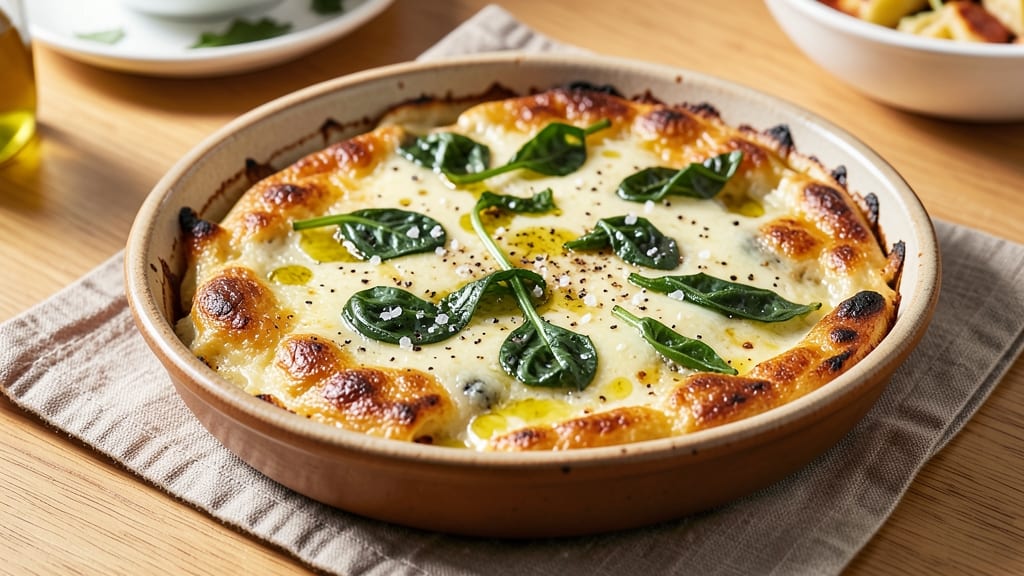
This 3-egg frittata recipe delivers restaurant-quality results with a foolproof fluffy rise and perfectly crispy top—no flipping required. 💛 The secret lies in a simple technique that transforms basic ingredients into a protein-packed breakfast that works for any meal.
I've perfected this method over years of testing, ensuring every bite is tender, flavorful, and satisfying.
What sets this frittata apart is its versatility—you can customize it with your favorite fillings like spinach, mushrooms, or cheese, all while keeping the core technique intact. The key is pre-cooking your fillings to maintain texture, then letting the eggs set gently in the oven for that signature crispy top.
It's the kind of dish that transforms a simple breakfast into a showstopper.
By the time you're done, you'll have a golden, bubbling frittata with a crispy top and fluffy interior that's easy to slice and serve. The best part? It's ready in just 20 minutes, making it ideal for busy mornings or when you need a quick dinner.
Whether you're feeding a crowd or treating yourself to a solo meal, this recipe delivers every time.
Serve it warm with a side of fresh fruit or a simple salad for a complete meal. The possibilities are endless—let's make your perfect frittata.
Ingredients for 3 egg frittata
Three eggs, one skillet, and a crispy-top secret—this frittata transforms simple ingredients into restaurant-quality breakfast magic.
| Ingredient | Amount | Notes |
|---|---|---|
| Large Eggs 🥚 | 3 whole | Room temperature for best blend |
| Unsalted Butter 🧈 | 2 tbsp | Cold, cut into small cubes |
| Whole Milk 🥛 | ¼ cup | Full-fat for creaminess |
| Diamond Crystal Kosher Salt 🧂 | ½ tsp | Fine grain preferred |
| Freshly Ground Black Pepper 🌶️ | ¼ tsp | Cracked peppercorns preferred |
| Fresh Spinach 🌱 | 1 cup | Chopped, stems removed |
| Shredded Gruyère Cheese 🧀 | ½ cup | Freshly grated from block |
| Red Bell Pepper 🍅 | ½ cup | Diced, seeds removed |
| Garlic Cloves 🧄 | 2 cloves | Minced, for depth of flavor |
| Extra-Virgin Olive Oil 🫒 | 1 tbsp | For pre-cooking fillings |
| Freshly Grated Nutritional Yeast 🍞 | 1 tbsp | For cheesy umami boost |
The eggs are non-negotiable—room temperature blends better, so pull them out 10 minutes before starting. Pasture-raised eggs from Trader Joe's or your local farm store make all the difference in flavor. Gruyère is my go-to cheese for that perfect melt and nutty depth, but Parmigiano-Reggiano works too if you're feeling fancy. Spinach needs to be dry when it hits the pan—toss it with a pinch of salt and squeeze out any moisture before adding. The red bell pepper should be freshly diced (not pre-chopped from the bag)—it keeps its crunch better that way.
No Gruyère? Fontina or sharp cheddar hold up well in the oven. Swap spinach for sautéed mushrooms or roasted cherry tomatoes—just make sure to pre-cook any veggies to avoid a soggy frittata. Running short on olive oil? Avocado oil works just as well for pre-cooking. The nutritional yeast might sound weird, but trust me—it adds that cheesy, savory depth without dairy. If you're avoiding it, just double the Gruyère. And for the love of crispy tops, don't skip the butter cubes—they create steam for that perfect rise while browning beautifully.
This frittata is best served immediately, but leftovers reheat beautifully—20 seconds in the microwave with a damp paper towel over it keeps the crisp intact. Store in an airtight container for 3 days in the fridge, or freeze portions for up to 2 months. I like to portion mine into individual slices right after baking so they're ready to grab and go. Pro tip: Preheat your serving plate before sliding the frittata onto it—it'll stay crispy longer while you slice.
Why You'll Love This Recipe
- One-Pan Magic: I swear by this—just a skillet, a splash of milk, and three eggs. No bowls, no mess, no stress. The butter melts into a golden crust while the eggs set into that perfect creamy-yet-firm texture. Honestly, it’s the kind of recipe that makes me feel like a capable adult even when I’m exhausted.
- Rich Without Effort: That splash of whole milk? Game-changer. It turns the eggs from basic to velvety, with a subtle richness that feels indulgent. A pinch of kosher salt and a crack of black pepper—no fancy seasonings needed—just pure, satisfying flavor. Between us, it’s the kind of dish that makes you want to take a second helping before anyone else gets a bite.
- Breakfast or Dinner: I’ve served this at 7 AM with toast, reheated it for a 6 PM dinner, and even packed leftovers for lunch. The beauty? It’s neutral enough to pair with almost anything—sautéed greens, a simple salad, or just on its own. My college-aged son still asks for it when he’s home, and he’s not easily impressed.
- Cheap and Reusable: Three eggs, a pat of butter, milk—this recipe costs next to nothing, and it keeps well. I make a big batch on Sundays, and it lasts me through the week. The best part? The leftovers reheat beautifully, whether I’m microwaving a slice for a quick bite or popping it under the broiler for a crispy finish. It’s my go-to for when I’m broke or busy—or both.
Step-by-step instructions for 3 egg frittata
Here's how to create a restaurant-worthy frittata with a fluffy interior and golden, crispy top.
🍳 Step 1: Prep the Fillings and Sauté Aromatics
Heat the 1 tablespoon extra-virgin olive oil in a 10-inch oven-safe skillet over medium heat. Add the 2 minced garlic cloves and cook for 30 seconds until fragrant—you'll smell that rich, toasty garlic aroma. Add the ½ cup diced red bell pepper and sauté for 2 minutes until softened but still vibrant in color.
Push the peppers to one side of the pan and add the 1 cup chopped fresh spinach. Stir gently until just wilted—about 1 minute. This quick cooking preserves the spinach's bright green color and tender texture. Remove the pan from heat and set aside, leaving the fillings in the skillet. Here's the thing—don't overcook the vegetables or they'll turn mushy and ruin the frittata's texture.
👨🍳 Step 2: Whisk the Egg Mixture to Perfection
In a medium bowl, whisk together the 3 whole large eggs, ¼ cup whole milk, ½ teaspoon Diamond Crystal kosher salt, and ¼ teaspoon freshly ground black pepper until completely combined. The mixture should be uniform with no streaks of white—this ensures even cooking and a smooth texture. Add the ½ cup shredded Gruyère cheese and 1 tablespoon freshly grated nutritional yeast, then whisk again until fully incorporated.
I like to press the cheese through a fine-mesh sieve to eliminate any large shreds that might create uneven texture. The nutritional yeast adds that savory umami depth that makes this frittata truly special. Let the mixture sit for 2 minutes while you preheat your oven to 375°F—this resting time helps the eggs blend completely.
🔥 Step 3: Pour and Cook the Frittata
Return the skillet to medium heat and pour the egg mixture evenly over the sautéed vegetables. Use a silicone spatula to gently push the fillings toward the center, creating space for the eggs to cook against the hot pan. Let the frittata cook undisturbed for 3-4 minutes until the edges begin to set and the bottom turns light golden brown—this is your signal to stop stirring.
Here's where the magic happens: transfer the skillet to your preheated 375°F oven and bake for 12-15 minutes. You're looking for a deep golden brown top with just a few soft spots in the center—this indicates the perfect balance between fluffy interior and crispy exterior. The frittata should be just set but still slightly jiggly in the middle when you shake the pan gently.
⏰ Step 4: Finish with Crispy Top and Rest
Remove the frittata from the oven and let it rest for 5 minutes before attempting to serve. This resting period allows the structure to set properly and prevents it from falling apart when you slice. For that perfect crispy top, here's my secret: while it rests, place 2 tablespoons cold unsalted butter cubes on top of the frittata and let them melt slightly from the residual heat.
Use a sharp knife to cut the frittata into 4 wedges (since this serves 2, each person gets 2 generous portions). The exterior should be crispy and golden, while the interior remains soft and custardy with pockets of melted Gruyère. Serve immediately with a sprinkle of freshly cracked black pepper—the contrast of textures and temperatures makes every bite unforgettable.
Pro Tips For Making 3 Egg Frittata
- Whisk Like You Mean It: Don’t just stir those eggs—whisk them vigorously for 30 seconds until the yolks and whites are completely unified. I learned this the hard way when my first frittata had streaks of raw yolk in the center. The milk blends in better this way, too.
- Salt the Butter First: Toss in the kosher salt with the melted butter before adding the egg mixture—it dissolves better and seasons the crust evenly. I used to sprinkle it later, and half the salt just ended up on the bottom of the pan.
- Start Hot, End Slow: Get that pan screaming hot before the eggs hit it, then immediately drop the heat to medium-low once the edges set. Rushing the heat = rubbery frittata; letting it crawl = perfect custard. (Yes, even if you’re impatient like me.)
- Poke for Doneness: The frittata’s ready when the center jiggles just slightly and pulls away from the edges—like a wobbly Jell-O. Cutting into it too soon turns it into a sad, soupy mess. (Your future self will thank you for waiting.)
Common mistakes when making your 3 egg frittata
Overcooking Fillings
I’ve ruined more frittatas than I’d like to admit by letting the fillings get soggy or mushy. The key is to sauté vegetables until just tender-crisp—about 2-3 minutes for bell peppers, 1 minute for spinach.
Overcooking releases too much moisture, which steams the eggs instead of letting them set properly. Always remove the pan from heat once the veggies are done and let them cool slightly before adding the eggs. 🌱
Skipping the Resting Time
This is a rookie mistake that leads to a crumbly, sad frittata. After baking, let it rest for 5 minutes before slicing—this allows the proteins to fully coagulate and the structure to firm up.
I’ve seen people cut into it too soon, only to watch it collapse like a soufflé. Trust the process, and you’ll get that perfect sliceable texture every time. ⏳
Using Cold Eggs
Cold eggs from the fridge won’t blend smoothly, leading to uneven cooking and potential separation. Always use room-temperature eggs—just remove them from the fridge 10 minutes before starting.
If you’re in a rush, place the eggs in a bowl of warm water for 2 minutes to speed up the process. The difference in texture is night and day. 🥚
Incorrect Heat Levels
Too much heat = rubbery eggs. Too little = a gummy mess. The stovetop should be on medium heat when cooking the eggs initially, and the oven should be preheated to 375°F.
If your oven runs hot, reduce the temperature to 350°F to prevent over-browning. I’ve learned this the hard way—once, I burned the top while the center stayed raw. 🔥
Not Using Enough Fat
The butter cubes and olive oil aren’t just for flavor—they create steam that helps the frittata rise beautifully. If you skip them or use too little, you’ll end up with a dense, flat egg cake.
I recommend 2 tbsp butter cubes on top before baking and 1 tbsp olive oil for sautéing. Don’t substitute with non-fat options—they won’t provide the same texture or moisture. 🧈
Overmixing the Eggs
Whisking the eggs too vigorously incorporates too much air, which can cause the frittata to puff up unevenly or even collapse. Gently combine the eggs, milk, and seasonings with just 10-12 strokes of the whisk—no need to go full meringue here.
The goal is a smooth, uniform mixture, not a fluffy batter. Overmixing is a silent killer of perfect frittatas. 💛
Nutrition facts
Frequently asked questions
Can I make this frittata without dairy?
Swap the Gruyère for 1/2 cup nutritional yeast and add 1/4 cup dairy-free cheese alternative like Violife or Miyoko's. For extra richness, stir in 2 tablespoons cashew cream with the egg mixture. The nutritional yeast provides that cheesy umami flavor while keeping it plant-based.
How do I adjust this recipe for 4 servings?
Double all ingredients except the oven temperature. Use a 12-inch oven-safe skillet and increase baking time to 15-18 minutes at 375°F. The key is to maintain the same egg-to-filling ratio—3 eggs per 2 servings keeps the texture perfect. For 4 servings, you'll need 6 eggs total.
Why did my frittata turn out rubbery?
Rubbery texture usually means the eggs cooked too long at high heat. Keep stovetop on medium heat and bake at 375°F—never exceed 400°F. Also check your eggs: if they were cold, they won't blend properly. Room temperature eggs are crucial for silky results.
Can I make this ahead of time?
Yes! Assemble the frittata up to 12 hours ahead and refrigerate uncovered. When ready to bake, remove from fridge 30 minutes before cooking to equalize temperature. The cold start helps create a firmer texture when baked. For freezing, bake first, then slice and freeze portions for up to 2 months. Reheat in 20-second bursts in the microwave.
What's the best way to reheat leftovers?
For crispy results, reheat in a 350°F oven for 5-7 minutes with a splash of water in the pan. For quick reheating, use 20-second microwave bursts covered with a damp paper towel. Never microwave uncovered—it dries out the top. The damp towel helps restore some crispness while keeping the interior warm.