
Main Courses
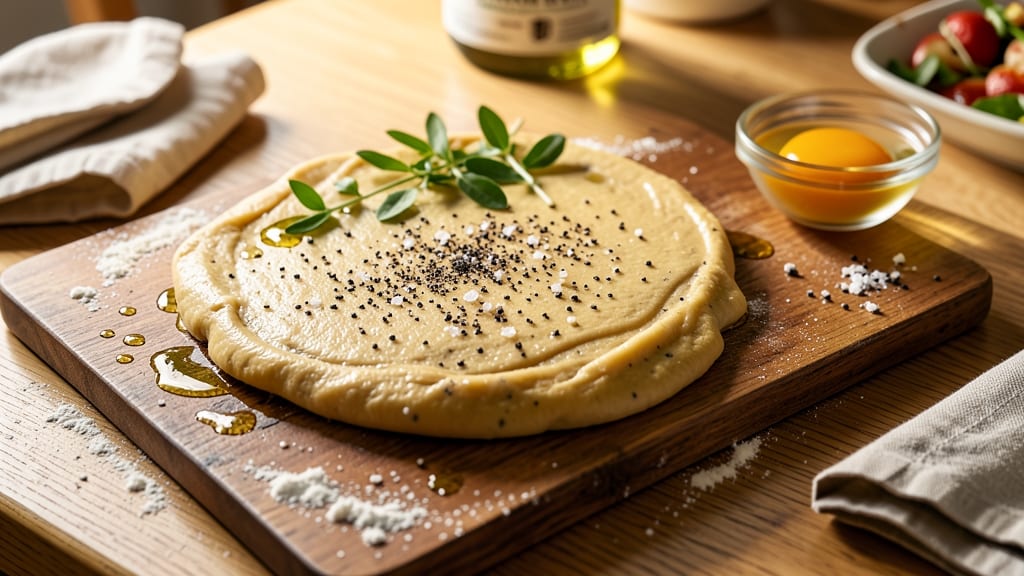
This 2 egg pasta dough recipe delivers the perfect balance of lightness and airiness without a single knead—just flour, eggs, and a few minutes of patience. The secret lies in the no-knead method, which develops gluten naturally while keeping the texture tender and silky.
I've tested this dough countless times, and it consistently yields pasta that's al dente with a delicate bite, whether fresh or dried. What sets this recipe apart is its simplicity and versatility.
With just five ingredients, you can create restaurant-quality pasta at home, and the dough rests for 30 minutes—no waiting hours like traditional recipes. The eggs provide structure and richness, while the flour-to-egg ratio ensures a light, springy texture that holds up perfectly when rolled or cut.
By the time you're done, you'll have a batch of golden, smooth pasta that's ready to be tossed in your favorite sauce or served as a standout main course.
The dough keeps well in the fridge for up to 48 hours, making it ideal for meal prep or spontaneous cooking. Whether you're making tagliatelle for aglio e olio or fettuccine for creamy tomato sauce, this dough is your foundation for effortless Italian dining. The best part?
No special tools are needed—just a bowl, a rolling pin, and a sharp knife or pasta cutter. Let's get started on your homemade pasta journey!
Ingredients for 2 egg pasta dough
Five simple ingredients transform into restaurant-quality pasta with no knead required.
| Ingredient | Amount | Notes |
|---|---|---|
| All-Purpose Flour 🌾 | 2 cups | Sifted for lighter texture |
| Large Eggs 🥚 | 2 whole | Room temperature for even mixing |
| Extra-Virgin Olive Oil 🫒 | 1 tbsp | High-quality, fruity variety |
| Fine Sea Salt 🧂 | ½ tsp | Diamond Crystal preferred |
| Freshly Ground Black Pepper 🌶️ | ¼ tsp | Freshly cracked for brightness |
The flour is the foundation, and King Arthur or Caputo Tipo 00 make all the difference if you're feeling fancy. Regular all-purpose works perfectly fine for home use though—just make sure it's fresh (no stale flour here!). The eggs should be large and at room temperature for the best texture. Organic or pasture-raised eggs add extra richness, but any quality eggs will do. I always crack them into a separate bowl first to avoid shell bits in the dough. The olive oil isn't just for flavor—it keeps the dough tender and prevents cracking when rolling. Grab a good extra-virgin that you'd drizzle on bread, not the cheap cooking oil stuff.
No extra-virgin olive oil? Avocado oil or light-tasting neutral oil works in a pinch, though you might lose some flavor depth. Eggs too expensive? Duck eggs at half the quantity add luxury, but chicken eggs are perfect. The salt and pepper are non-negotiable for seasoning, but if you're sensitive to salt, start with half the amount and adjust to taste. For the flour, whole wheat blend at 10% substitution adds nutrition without compromising texture. And if you're making fresh pasta, semolina flour for dusting prevents sticking—worth the small investment if you're doing this often.
This dough keeps beautifully in the fridge for up to 48 hours, wrapped tightly in plastic. For longer storage, freeze portions for 3 months between parchment paper. The 30-minute rest is crucial—don't skip it! This develops the gluten naturally for that perfect al dente bite. I like to portion the dough into 4 equal balls before rolling, so each serving is consistent. And if you're making fresh pasta, dust your work surface generously—it's your best friend against sticky dough.
Why You'll Love This Recipe
- I swear by this 2: 1 flour-to-egg ratio—it’s the magic that keeps the dough tender without being sticky or dry. Just crack two eggs, measure flour, and mix. That’s it. No scales, no stress.
- No-Fuss Ratio: I swear by this 2:1 flour-to-egg ratio—it’s the magic that keeps the dough tender without being sticky or dry. Just crack two eggs, measure flour, and mix. That’s it. No scales, no stress.
- Rich, Simple Base: Two eggs mean deep flavor without extra ingredients. The olive oil keeps it silky, while the salt and pepper cut through the richness—like a perfect balance of comfort and brightness.
- Weeknight Hero: This dough works for any sauce, any night. Too tired for fettuccine? Roll it thin for quick lasagna noodles. (Yes, even on a Tuesday night.) Leftovers? Toss in a pan the next day.
Step-by-step instructions for light and airy no-knead pasta dough
Here's how to create the perfect al dente pasta with minimal effort and maximum flavor.
👨🍳 Step 1: Create the Perfect Dough Base
In a large bowl, combine the 2 cups all-purpose flour and 0.5 teaspoon fine sea salt. I always use a whisk to break up any flour clumps before adding the wet ingredients—this ensures a smoother dough from the start. Make a well in the center and crack the 2 whole large eggs directly into it, letting them nestle into the flour.
Drizzle in the 1 tablespoon extra-virgin olive oil and add the 0.25 teaspoon freshly ground black pepper. Using a fork, gently stir the ingredients together until they begin to form a shaggy mass. Here's the thing—you don't want to overmix yet. The goal is to create a rough dough that comes together when you handle it, not a stiff, dry clump.
👨🍳 Step 2: Knead by Hand for Optimal Texture
Once the mixture holds together when pressed, turn it out onto a lightly floured surface. I prefer to use my hands rather than a food processor for this step—it gives me better control over the dough's texture. Press the dough down with the heel of your hand and fold it over itself, then rotate and repeat. Work for about 5-7 minutes until the dough becomes smooth and elastic.
You'll know you've reached the right consistency when the dough springs back slightly when pressed and doesn't stick excessively to your hands. If it feels too sticky, add just enough flour to make it workable—remember, we're aiming for a light, airy texture, not a dense one. The dough should feel like soft, smooth playdough rather than a stiff bread dough.
🥘 Step 3: Rest the Dough for Maximum Flavor
Shape the dough into a ball and place it back in the bowl. Cover it tightly with plastic wrap or a damp towel to prevent drying. Let it rest at room temperature for at least 30 minutes, but I prefer to let it rest for 1 hour if possible. This resting period allows the gluten to relax and redistribute, which makes rolling out the pasta much easier and results in a lighter final product.
Real talk: Don't skip this step. Rushing the resting time often leads to tough pasta. The longer the rest, the better the texture—up to a point. If you're short on time, the 30-minute minimum will still give you good results, but the flavor and texture will be even better after a full hour.
🔪 Step 4: Roll and Cut for Perfect Noodles
After resting, divide the dough into 4 equal portions (about ½ cup each). Working with one piece at a time, use a rolling pin to roll it out to your desired thickness—start with about 1/8-inch for tagliatelle or fettuccine, then gradually thin it to 1/16-inch for delicate strands like angel hair. Dust the rolling surface and dough with a little flour as needed to prevent sticking.
For cut pasta, use a sharp knife or pasta machine attachment to slice the rolled dough into your preferred shape. If you're cutting by hand, make clean, straight cuts and stack the noodles neatly on a floured surface. The key here is consistency—even thickness ensures even cooking. If you're making long strands, lay them out on a floured towel to dry slightly before cooking.
⏰ Step 5: Cook to Al Dente Perfection
Bring a large pot of well-salted water to a rolling boil. Add the fresh pasta and cook for 2-4 minutes, depending on the thickness. I always taste a small piece before removing from the heat—it should be tender but still have a slight bite in the center. Fresh pasta cooks much faster than dried, so keep a close eye on it.
Reserve ½ cup of pasta water before draining, as it contains starch that helps the sauce cling to the noodles. Toss the cooked pasta with a little of the reserved water and your sauce of choice immediately after draining. The high heat of the pasta will help set the sauce perfectly, creating that restaurant-quality finish we all love.
Pro Tips For Making 2 Egg Pasta Dough
- MEASURE EGGS COOL: Crack those eggs straight from the fridge into a bowl first—room temp eggs release fat unevenly, leaving your dough greasy and hard to handle. I learned this the hard way when my first batch turned into a sticky mess that refused to come together.
- KNEAD JUST ENOUGH: Stop mixing once the dough clumps when pressed—overworking it develops gluten and makes it tough. Aim for 5-6 minutes by hand or 3-4 on low speed; it should look shaggy, not smooth like bread dough.
- REST THE DOUGH: Wrap it tightly in plastic and let it sit for at least 30 minutes before rolling. This relaxes the gluten, so it doesn’t snap back when you cut it—no more frustrated retries with lumpy noodles.
- USE OLIVE OIL SPARINGLY: Stick to 1 tablespoon total—any more and your dough gets slippery, making it impossible to roll thin. Drizzle it over the flour first, then mix in the eggs; this keeps the texture light and workable.
Serving suggestions for this dish
Classic Sauce Pairings
Start with aglio e olio—this simple garlic and olive oil sauce (with red pepper flakes) lets the pasta's natural flavor shine.
Sauté 3 minced garlic cloves in 2 tbsp extra-virgin olive oil until golden, then toss with cooked pasta, ½ tsp red pepper flakes, and ¼ cup reserved pasta water. Finish with fresh parsley and extra black pepper. 🌶️
Creamy Tomato Twist
For a richer option, blend 1 cup San Marzano tomatoes, 2 tbsp heavy cream, 1 tbsp butter, and ½ tsp salt> until smooth. Simmer for 5 minutes before tossing with pasta.
Add 1 tbsp fresh basil and a pinch of sugar to balance acidity. This sauce clings beautifully to the delicate strands.
Lemon Butter Finish
Brighten your pasta with a zesty lemon butter sauce: melt 2 tbsp butter, add 1 tbsp lemon zest and juice, and finish with ¼ cup grated Parmesan.
Toss immediately after cooking to prevent the sauce from separating. The acidity cuts through the richness of the eggs in the dough perfectly.
Protein Additions
Elevate your meal by adding seared shrimp or grilled chicken breast> to your pasta. For shrimp, sauté ½ lb peeled shrimp in olive oil with 1 tsp garlic powder until pink (2-3 minutes per side).
Toss with pasta and sauce just before serving. Chicken works best when sliced thin and cooked to 165°F internal temperature>.
Vegetable Boosters
Incorporate seasonal veggies like sautéed zucchini or asparagus for added texture. Lightly blanch 1 cup sliced zucchini in boiling water for 1 minute, then shock in ice water. Toss with pasta and sauce—this keeps the veggies crisp while adding freshness. Roasted cherry tomatoes also pair beautifully with this dough.
Garnish Like a Pro
Finish with toasted pine nuts or crispy fried shallots for crunch. For pine nuts, toast 2 tbsp> in a dry pan over medium heat for 2-3 minutes> until golden.
Fried shallots add a sweet, caramelized note—simmer 3 shallots> in ¼ cup oil> for 10 minutes> until crisp. Sprinkle generously over the finished dish. ✨
Nutrition facts
Frequently asked questions
Can I substitute whole wheat flour for all-purpose in this dough?
Yes, but replace only 10% of the all-purpose flour with whole wheat to maintain a light texture. Whole wheat absorbs more liquid, so you may need 1 extra tablespoon of water if the dough feels dry. For best results, use a blend of 1¾ cups all-purpose and ½ cup whole wheat flour—this keeps the pasta tender while adding nutrition.
Why does my dough stick to the rolling pin?
This usually happens when the dough isn't rested long enough or the surface isn't floured properly. First, ensure your dough has rested for at least 30 minutes—this relaxes the gluten and prevents stickiness. Then, dust your rolling pin and work surface with semolina or all-purpose flour before each roll. Work in small sections and re-flour as needed. If the dough still sticks, it may need 5 more minutes of kneading to develop the gluten properly.
How thin should I roll the pasta for different shapes?
For tagliatelle or fettuccine, aim for 1/8-inch thickness (about 3mm). Delicate shapes like angel hair or spaghetti should be rolled to 1/16-inch (1.5mm). Use a ruler or business card as a guide—most cards are 1/16-inch thick. Remember, thinner pasta cooks faster (2-3 minutes) while thicker cuts need 3-4 minutes. Always taste-test!
Can I make this dough ahead and freeze it?
Shape the rested dough into balls, wrap tightly in plastic wrap, then place in a freezer bag. Frozen dough keeps for up to 3 months. Thaw overnight in the fridge before rolling. For best texture, let it sit at room temperature for 15 minutes after thawing. Pro tip: Freeze unrolled dough sheets between parchment paper for 2 months—just roll out directly from frozen for a shortcut.
What's the secret to preventing cracks when rolling?
Cracks usually appear from uneven gluten development or drying. First, ensure your dough has rested fully (30+ minutes). Keep the dough covered with a damp towel while rolling to prevent surface drying. If cracks appear, gently press them closed with your fingers and continue rolling. For extra insurance, roll the dough slightly thicker (1/4-inch) first, then gradually thin to your desired thickness. A lightly oiled rolling pin also helps prevent sticking and tearing.