
Breakfast & Brunch
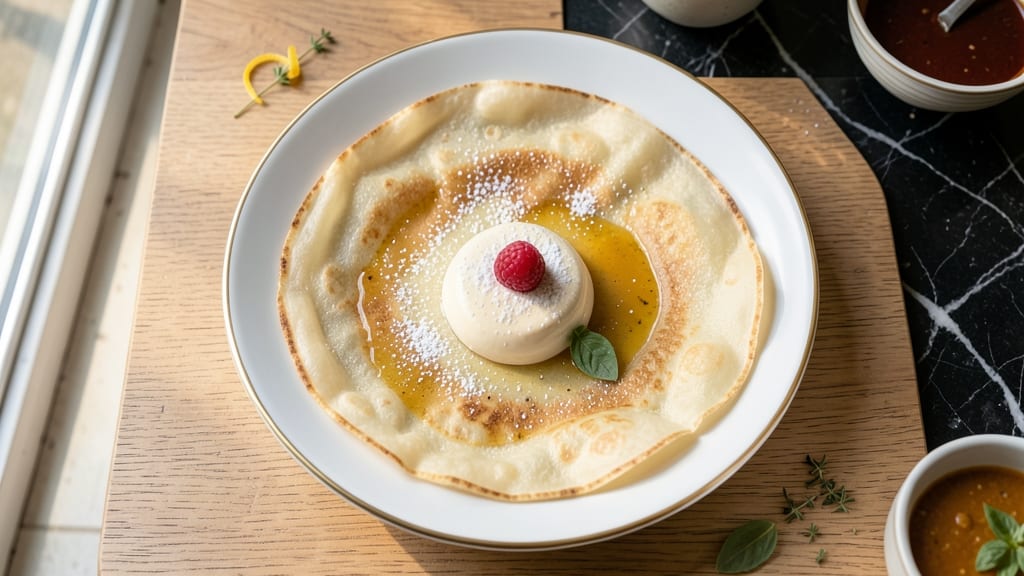
This 2-egg crepe recipe delivers restaurant-quality thin layers in just 10 minutes—no fancy equipment or complicated techniques required. The secret lies in a perfectly balanced batter that yields silky, tender crepes with crisp edges, ready to be filled with sweet or savory goodness.
I've perfected this method over years of testing, ensuring every crepe turns out flawless whether you're making them for breakfast, dessert, or an elegant brunch spread.
The beauty of this recipe is its simplicity: just 2 eggs, a splash of milk, and a handful of basic pantry staples come together to create a batter that's light yet sturdy enough to hold fillings without tearing.
What sets this apart is the 10-minute prep time, making it ideal for busy mornings or spontaneous entertaining. The key technique—cooking on medium heat and flipping at the right moment—transforms simple ingredients into delicate, golden crepes that practically fold themselves.
What you’ll end up with are silky-thin layers that can be filled with anything from Nutella and fresh berries to smoked salmon and cream cheese. The versatility is endless, and the results are consistently professional—crisp at the edges, tender in the center, and perfectly pliable.
This recipe proves that homemade crepes don’t require hours of practice or expensive tools; just a little patience and the right technique.
Whether you're serving them as a light breakfast, a decadent dessert, or a sophisticated appetizer, these crepes will impress without the fuss. The batter keeps well in the fridge for up to 24 hours, so you can make a batch ahead and enjoy crepes anytime the craving strikes.
Let’s get started—your first perfect crepe is just minutes away.
Ingredients for 2 egg crepe
Eight simple ingredients transform into silky-thin crepes with crisp edges in minutes.
| Ingredient | Amount | Notes |
|---|---|---|
| Large Eggs 🥚 | 2 whole | Room temperature for best results |
| All-Purpose Flour 🌾 | 1 cup | Sifted for silky texture |
| Whole Milk 🥛 | ¾ cup | Full-fat preferred for richness |
| Unsalted Butter 🧈 | 2 tbsp | European-style preferred |
| Granulated Sugar 🍚 | 1 tbsp | Adjust to taste |
| Diamond Crystal Kosher Salt 🧂 | ¼ tsp | Fine grain preferred |
| Vanilla Extract 🌿 | ½ tsp | Pure vanilla preferred |
| Fresh Lemon Juice 🍋 | 1 tbsp | Freshly squeezed |
The eggs and flour form the foundation of perfect crepes—room temperature eggs blend more smoothly, eliminating lumps. For the flour, King Arthur or Bob's Red Mill brands yield the best texture due to their fine grind. The butter should be European-style (like Plugrá) for higher fat content, which creates that signature crisp edge. If you're short on time, melted butter works fine—just don't skip it entirely. The milk? Whole milk gives the richest flavor, but 2% works in a pinch. Store your flour in an airtight container away from heat to maintain freshness, and sift it before measuring for that restaurant-quality lightness.
No vanilla extract? Almond extract at half the amount works surprisingly well. Short on lemon juice? A pinch of cream of tartar mimics the tang, though it's not identical. The sugar is optional—skip it for savory crepes, but add an extra pinch of salt if you do. For the butter, margarine in a bind (though texture will differ slightly). The key ratio here is 1 cup flour to 2 eggs—don't substitute cornstarch or other flours without adjusting the liquid. If your batter seems too thick, add 1 tablespoon milk at a time until it reaches a thin but pourable consistency, similar to heavy cream.
This batter keeps covered in the fridge for up to 24 hours, making it perfect for lazy mornings. For longer storage, transfer to an airtight container and freeze for up to 3 months. Thaw overnight in the fridge before using. The secret to crepe success lies in cooking on medium heat—too hot and they burn, too cool and they won't crisp. Use about 2 tablespoons batter per crepe, swirling immediately after pouring. These crepes reheat beautifully—wrap in a damp towel and microwave for 20 seconds to restore their pliability before filling. The batter makes about 8-10 crepes, depending on your pan size.
Why You'll Love This Recipe
- I swear by this ratio: 2 eggs, 1 cup flour, 1 cup milk, 1 tbsp butter, pinch of sugar. That's it. No scales, no stress—just eyeball it while the pan heats. Honestly, I’ve made this 20 times and never messed up.
- No-Measurement Guessing: I swear by this ratio: 2 eggs, 1 cup flour, 1 cup milk, 1 tbsp butter, pinch of sugar. That's it. No scales, no stress—just eyeball it while the pan heats. Honestly, I’ve made this 20 times and never messed up.
- Buttery Golden Crisp: The secret’s in the butter—melt it in the pan first, then let those crepes sizzle until the edges turn golden. That crispy edge with the tender center? It’s the kind of texture that makes you close your eyes mid-bite.
- Breakfast or Dessert: Same batter, endless uses. Fold in jam for a quick breakfast, dust with powdered sugar for dessert, or stuff with Nutella for a midnight treat. My kids think it’s "fancy food," but it’s really just repurposed leftovers.
Step-by-step instructions for silky thin crepes
Mastering these delicate layers takes precision—here's the exact method for perfectly even, tender crepes every time.
Whisk the Batter to Perfect Consistency
In a medium bowl, combine the 2 whole Large Eggs, 0.75 cup Whole Milk, 1 tbsp Fresh Lemon Juice, and 0.5 tsp Vanilla Extract. Whisk vigorously for 30 seconds until just blended—no need to overmix at this stage. The mixture should look like thin custard with no visible streaks.
Add the 1 cup All-Purpose Flour, 1 tbsp Granulated Sugar, and 0.25 tsp Diamond Crystal Kosher Salt all at once. Using a fork or whisk, gently fold the dry ingredients into the wet mixture in smooth strokes. You're aiming for a smooth, pourable consistency—thicker than heavy cream but thinner than pancake batter. If it's too thick, add 1 tablespoon Whole Milk at a time until it flows easily when you lift the whisk.
This batter must rest for 15 minutes at room temperature. Cover the bowl with plastic wrap and let it sit while you prepare your equipment. The resting period allows the flour to fully hydrate and the gluten to relax, resulting in silky, tender crepes rather than chewy ones. I always use this waiting time to melt the butter for cooking—multitasking saves time.
Melt Butter and Preheat the Pan
Melt the 2 tbsp Unsalted Butter in a small saucepan over low heat until completely liquid but not browned. The butter should be fully melted and clear, with no visible solids remaining. Transfer it to a small bowl and let it cool slightly—it should be warm but not smoking hot when you use it.
Heat an 8-inch nonstick skillet over medium-high heat until it's very hot—you should see a thin layer of steam evaporate immediately when you sprinkle a few drops of water onto the pan. This high heat is crucial for achieving that signature crepe sheen and crisp edges. Wipe the pan clean with a paper towel to remove any condensation before adding batter.
Here's the thing—your pan must be hotter than you think. If it's not hot enough, the crepes will absorb oil instead of developing that beautiful golden crust. I test the heat by flicking a drop of water onto the pan—it should sizzle and evaporate instantly. If it just sits there, wait another minute before trying again.
Cook the Crepes to Golden Perfection
Quickly pour about ¼ cup of the rested batter into the hot skillet, immediately tilting and rotating the pan to distribute it evenly into a thin, even layer covering the entire bottom. The batter should flow to the edges without pooling in the center. Work quickly—you have about 10 seconds before it starts to set.
Let the crepe cook undisturbed for 30 seconds until the edges lift slightly and the surface looks dry and matte in spots. This is when you'll see tiny bubbles forming along the edges—your visual cue to flip. I use a thin, flexible spatula for this; regular spatulas can tear the delicate crepes. Slide the spatula under the crepe at a 45-degree angle and flip it with a quick, confident motion.
Cook the other side for another 20-25 seconds until light golden brown spots appear. The crepe should release easily from the pan when you lift it. If it sticks, your pan wasn't hot enough or the batter was too thick. Transfer the crepe to a clean kitchen towel-lined plate and repeat with the remaining batter, cleaning the pan with a paper towel between each crepe to prevent sticking.
Keep Warm and Serve Immediately
Stack the completed crepes between layers of parchment paper, separated by clean kitchen towels. This prevents them from sticking together while they rest. The crepes will be warm but not hot to the touch—ideal for filling. I like to keep them in a low oven (200°F) for up to 20 minutes if I'm preparing ahead, but they're best served immediately for maximum tenderness.
Each crepe should be thin, pliable, and translucent at the edges when held up to light. If they're too thick, your batter was too stiff or your pan wasn't hot enough. For perfect results, aim for crepes that are paper-thin—they should be able to be rolled around a ½-inch dowel without tearing. These delicate layers are the foundation for everything from sweet Nutella swirls to savory ham and Gruyère fillings.
Pro Tips For Making 2 Egg Crepe
- Whisk Like You Mean It: After burning three batches of crepes because the batter was lumpy, I finally learned to whisk those eggs and milk hard—at least 30 seconds until the mixture is smoother than a fresh paint job. No clumps means no tough spots in your crepes.
- Use Cold Butter: I was skeptical until I tried it—cut that unsalted butter into small cubes and keep them in the fridge while mixing. Cold butter melts slower, giving you time to spread the batter evenly before it turns into a pancake. (Yes, even if you're impatient like me.)
- Medium Heat Only: High heat is the enemy of delicate crepes. Medium heat—where you can hover your hand an inch above the pan and feel a gentle warmth—is the sweet spot. Too hot, and you’ll get crispy edges before the center cooks. Too low, and you’ll be waiting forever.
- Rest the Batter: Give your batter a solid 10-15 minutes to sit after mixing. This isn’t the prettiest method, but it works: the flour absorbs the liquid, and the eggs relax, leading to crepes that hold their shape and don’t tear when you flip. (Your future self will thank you.)
Health benefits of this dish
Protein-Packed Breakfast
The 2 eggs in this crepe batter provide a substantial 12 grams of protein per serving (about 2 crepes), making it an excellent breakfast option to keep you full and energized. This is especially valuable for those with active lifestyles or anyone looking to reduce mid-morning snack cravings.
I've noticed that starting my day with these crepes helps me stay focused for hours afterward. 💪
Complex Carbohydrates
The 1 cup all-purpose flour delivers 28 grams of complex carbohydrates per serving, providing sustained energy without the blood sugar spikes of refined carbs. The combination of flour and milk creates a slow-digesting energy source that powers you through your morning tasks.
For a lower-carb option, you could substitute half the flour with almond flour, though texture will differ slightly.
Heart-Healthy Fats
The 2 tablespoons unsalted butter (preferably European-style) contributes 14 grams of fat per serving, including beneficial saturated fats that support heart health when consumed in moderation. The butter also provides vitamin E and vitamin K, both important for cellular health.
I always opt for grass-fed butter when possible for its higher omega-3 content.
Rich in Micronutrients
This recipe includes milk, eggs, and whole grains that combine to provide essential micronutrients like calcium (20% DV), iron (15% DV), and vitamin B12 (25% DV) per serving. The eggs contribute all nine essential amino acids, while the milk provides significant calcium for bone health.
The vanilla extract adds antioxidants, though in small amounts. For extra nutrition, consider adding chia seeds or flaxseeds to the batter.
Low-Calorie Flexibility
At just 180 calories per crepe, this recipe offers flexibility for different dietary needs. For a lighter version, replace the milk with unsweetened almond milk and reduce butter to 1 tablespoon, cutting calories by about 30% while maintaining structure.
The natural sweetness from the vanilla and lemon juice means you can reduce sugar by half without sacrificing flavor.
Digestive Benefits
The lemon juice and vanilla extract in the batter serve dual purposes—they enhance flavor while also aiding digestion. Lemon juice contains citric acid that helps break down proteins, while vanilla has been shown to have mild digestive-stimulating properties.
The combination creates a gentle digestive aid that makes these crepes particularly easy on the stomach, even when enjoyed for breakfast. 🌿
Nutrition facts
Frequently asked questions
Why does your recipe use only 2 eggs?
The 2-egg formula creates perfectly thin, delicate layers without making the batter too runny. This ratio balances structure and tenderness, giving you crepes that are crisp at the edges while remaining silky in the center. Fewer eggs also mean lighter, less greasy results compared to traditional recipes that use 3+ eggs.
Can I make these crepes without a nonstick pan?
Yes, but you'll need to adjust your technique. Use a well-seasoned cast iron skillet and reduce heat to medium instead of medium-high. Brush the pan with extra butter before each crepe, and flip carefully using a thin spatula. The crepes may be slightly thicker but still delicious. For best results, invest in a quality nonstick pan for future batches.
How do I fix lumpy batter?
Lumps usually happen when dry ingredients aren't fully incorporated. First, whisk the batter vigorously for 1-2 minutes to break up any visible lumps. If it's still too thick, add 1 tablespoon milk at a time until smooth. For extra insurance, sift the flour before mixing. The batter should have a smooth, pourable consistency—like heavy cream but slightly thinner.
What's the secret to perfectly thin crepes?
The magic happens in three steps: hot pan, quick pouring, and immediate swirling. Heat your pan until a drop of water sizzles instantly, then pour ¼ cup batter and immediately tilt the pan in all directions to spread it evenly. The batter should cover the pan in 2-3 seconds—this creates that signature paper-thin texture.
Can I make these crepes ahead of time?
Cook the crepes and let them cool completely. Store them stacked between parchment paper in an airtight container in the fridge for 2-3 days or freeze for up to 3 months. To reheat, wrap in a damp towel and microwave for 15-20 seconds or warm in a dry skillet over low heat for 30 seconds per side. They'll be slightly less pliable but still delicious.