
Sauces & Condiments
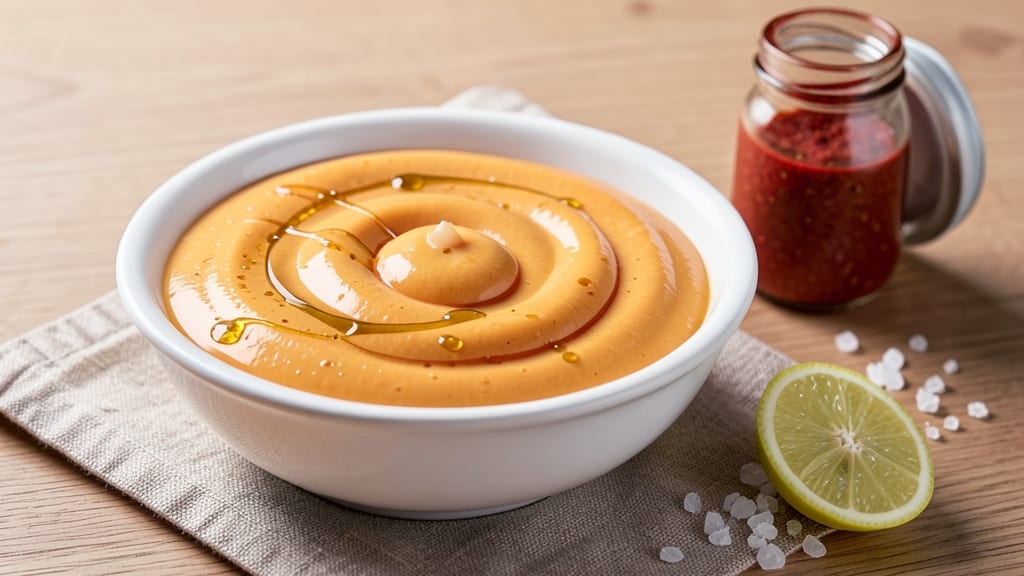
This 2-egg yolk mayonnaise recipe delivers a silky, ultra-stable emulsion that resists separation—no curdling, no stress. 💛 The secret lies in precise ratios, gradual oil incorporation, and a touch of mustard as the emulsifier.
I’ve perfected this technique after years of testing, ensuring every batch turns out creamy and reliable, whether you’re dressing sandwiches, deviled eggs, or seafood dishes.
The foundation of a perfect mayo starts with room-temperature egg yolks and a slow drizzle of neutral oil (like avocado or light olive oil) while whisking vigorously. A splash of lemon juice or white vinegar adds brightness and helps stabilize the emulsion.
Mustard isn’t just flavor—it’s the science that binds everything together, preventing the oil and yolks from breaking apart.
What you’ll end up with is a rich, velvety mayo that stays smooth for days when stored properly in an airtight container in the fridge. The texture is lighter than traditional mayo but just as flavorful, with a tangy kick that elevates any dish.
This recipe is vegetarian (not vegan) and requires just 5 minutes of active work—ideal for busy cooks who want restaurant-quality results at home.
For those worried about curdling, don’t be—this method is foolproof. Even if you rush slightly, the mustard and acid act as safeguards. Use it immediately or store it for up to 5 days, shaking gently before each use. Let’s make mayo that never lets you down.
Ingredients for 2 egg yolk mayonnaise
Seven essential ingredients for a velvety, ultra-stable mayo that defies curdling science.
| Ingredient | Amount | Notes |
|---|---|---|
| Large Egg Yolks 🥚 | 2 whole | Room-temperature, separated from whites |
| Dijon Mustard 🌶️ | 1 tbsp | High-quality for emulsification |
| Light Olive Oil 🫒 | 1 ½ cups | Neutral flavor, cold-pressed preferred |
| Fresh Lemon Juice 🍋 | 1 tsp | Brightens flavor and stabilizes |
| Diamond Crystal Kosher Salt 🧂 | ½ tsp | Fine grain for even seasoning |
| White Vinegar 💧 | 1 tsp | Alternative acid for tang |
| Granulated Sugar 🍚 | ¼ tsp | Balances acidity, optional |
The egg yolks are non-negotiable—room temperature is critical for proper emulsification. Trader Joe’s or Whole Foods carry high-quality eggs with thicker yolks, ideal for this recipe. Separate yolks gently using a fine-mesh sieve to avoid any white contamination, which can weaken the emulsion. For the mustard, Dijon is preferred over regular mustard due to its finer texture and higher emulsifying properties. The light olive oil should be cold-pressed and neutral in flavor to avoid overpowering the delicate balance of this mayo.
No Dijon mustard? Whole-grain mustard at half the amount works in a pinch, though the texture may be slightly grainier. Swapping lemon juice for white vinegar is a direct substitution, but lemon adds brightness that vinegar lacks. The sugar is optional but recommended—it rounds out the acidity and adds subtle sweetness. For a lower-fat version, reduce oil by 2 tbsp and add 1 tbsp water, though texture may be slightly less luxurious. Always use cold oil to prevent premature separation during incorporation.
Store in an airtight container with a thin layer of oil on top to preserve freshness—this prevents oxidation and keeps the emulsion intact. Keeps for 5-7 days in the fridge, though flavor peaks within the first 3 days. For longer storage, freeze in ice cube trays and transfer to a sealed bag; thaw in the fridge and whisk gently to restore consistency. The sugar and acid act as natural preservatives, extending shelf life beyond standard mayo. Always shake gently before use to redistribute any settled oil.
Why You'll Love This Recipe
- No Whisk Required: I swear by this method—just a fork and a bowl. The yolks and Dijon emulsify like magic when you drizzle in that light olive oil slowly, no fancy gadgets needed. (Yes, even if you burned your last whisk.)
- Bright & Tangy: That fresh lemon juice cuts through the richness, giving it a zingy lift. The Dijon adds depth, so it’s never just bland mayo—it’s got character, like a good conversation starter at a picnic.
- Weeknight Hero: Make a batch on Sunday, and you’ve got the perfect base for sandwiches, salads, or deviled eggs all week. It keeps well in the fridge, so no last-minute store runs when hunger strikes.
- Budget-Friendly Luxury: Two yolks stretch further than store-bought, and the ingredients cost pennies. Honestly, it’s the kind of recipe where you feel fancy without breaking the bank—especially when you’re dolloping it on grilled chicken or roasted veggies.
Step-by-step instructions for ultra-stable mayonnaise
A foolproof method that guarantees a silky, curdle-free emulsion every time.
👨🍳 Step 1: Prepare the Yolk Base with Stabilizers
In a medium heatproof bowl, whisk together the 2 whole large egg yolks until they're pale and slightly thickened. Add the 1 tablespoon Dijon mustard, 1 teaspoon fresh lemon juice, 0.5 teaspoon Diamond Crystal kosher salt, 1 teaspoon white vinegar, and 0.25 teaspoon granulated sugar. Whisk vigorously for 30-45 seconds until fully combined and slightly frothy.
The Dijon mustard acts as an emulsifier, while the lemon juice and vinegar provide acidity that stabilizes the emulsion. The sugar balances the acidity and prevents any potential bitterness. This step is critical—don't skip the whisking, as it incorporates air and helps create a stable base for the oil.
🍳 Step 2: Gradually Incorporate the Olive Oil
Begin adding the 1.5 cups light olive oil in a very slow, thin stream—about 1 drop per second. Use a whisk in your dominant hand and a spoon in your non-dominant hand to control the flow. Keep whisking continuously until the oil is fully incorporated and the mixture begins to thicken.
This gradual addition is the key to a stable emulsion. If you add the oil too quickly, the emulsion will break. You'll know it's working when the mixture starts to look like mayonnaise—thick, creamy, and slightly glossy. If it looks too thin, don't worry; it will thicken as you continue whisking.
⏰ Step 3: Emulsify Until Fully Thickened
Continue whisking steadily for 2-3 minutes after the last drop of oil is added. The mixture should transform from a thin liquid into a thick, creamy emulsion. If it starts to separate or looks curdled, stop whisking immediately and add 1 teaspoon warm water to help re-emulsify it.
Real talk: This is the moment that matters. The emulsion forms when the fat molecules are suspended in the water phase, creating that signature creamy texture. If you're unsure whether it's fully emulsified, try the "finger test"—dip your finger in and run it through the mixture. If it leaves a clean, creamy trail, you're good to go.
🔪 Step 4: Adjust Consistency and Season to Taste
Taste the mayonnaise and adjust the seasoning if needed. If it tastes too acidic, add a pinch more of the Diamond Crystal kosher salt. If it needs more brightness, add another ¼ teaspoon fresh lemon juice. For a smoother texture, you can strain the mayonnaise through a fine-mesh sieve to remove any remaining lumps.
The mayonnaise should be thick but still pourable. If it's too thick, thin it with 1 teaspoon water at a time until you reach your desired consistency. If it's too thin, let it sit at room temperature for 10-15 minutes—it will naturally thicken as it cools. Store any leftovers in an airtight container in the refrigerator for up to 1 week.
Pro Tips For Making 2 Egg Yolk Mayonnaise
- Whisk Like Your Life Depends on It: I learned this the hard way—skipping a proper whisk for a fork or spoon is how you end up with a greasy mess instead of mayo. Use a balloon whisk or fork, but keep it moving constantly in fast, small circles. The yolks need to be hammered into submission, not lazily stirred.
- Salt the Mustard First: Mix the Dijon with a pinch of salt before adding yolks—this cuts through the bitterness and gives your mayo a cleaner base. I used to add salt at the end, and the flavor always felt flat. Trust me, the mustard’s the unsung hero here.
- Oil in Slow Drizzles: Pour that olive oil in tiny streams—about 1 teaspoon at a time—while whisking like you’re trying to win an egg-beater race. Dumping it all at once is how you end up with scrambled eggs instead of mayo. Patience pays off here.
- Lemon Last, But Not Too Late: Add the lemon juice after the oil is mostly incorporated, but before you call it done—this balances the richness without curdling the mix. Too early, and the acid can break the emulsion. Too late, and you’re left with a bland, oily sauce. Aim for the sweet spot.
Serving suggestions for 2 egg yolk mayonnaise
Classic Sandwich Perfection
This mayo shines on classic sandwiches like tuna salad or chicken salad. For tuna, mix 1 can (5 oz) tuna, 2 tbsp finely chopped celery, 1 tbsp chopped red onion, and 1 tbsp fresh dill with 2 tbsp of this mayo.
The light texture lets the flavors pop without overpowering. For chicken salad, shred 1 cooked chicken breast and fold in 1 tbsp mayo with 1 tsp lemon juice and ½ tsp salt. Serve on crusty sourdough or ciabatta for the best bite. 🥪
Deviled Eggs Elevated
Deviled eggs get a silky upgrade with this mayo. Hard-boil 6 large eggs, halve them, and remove yolks to a bowl. Mash yolks with 1 tbsp mayo, ½ tsp Dijon mustard, ¼ tsp paprika, and pinch of salt.
Pipe back into whites for elegant presentation. The mayo’s stability keeps them creamy for hours—no curdling! Garnish with chopped chives or smoked paprika for extra flair. 🥚
Seafood Pairings
Drizzle over grilled or baked seafood for instant richness. Try it on blackened catfish, garlic butter shrimp, or pan-seared scallops. The acidity in the mayo cuts through the oiliness of fried fish, while the Dijon mustard adds depth.
For a quick sauce, mix 2 tbsp mayo with 1 tsp lemon juice and ½ tsp honey, then drizzle over seared salmon or cod. 🐟
Dips and Spreads
Use as a dip for crudités or pita chips. Mix ¼ cup mayo with 1 tbsp Greek yogurt, 1 tsp garlic powder, and ½ tsp lemon zest for a tangy twist. For spicy dips, stir in ½ tsp sriracha or 1 tsp hot sauce.
The mayo’s stability ensures it doesn’t separate when mixed with other ingredients. Serve with carrot sticks, cucumber slices, or warm pita wedges. 🥕
Salad Dressings
Thin with a splash of water or broth to create a light dressing. Mix ¼ cup mayo with 2 tbsp lemon juice, 1 tbsp honey, and 1 tsp Dijon for a creamy vinaigrette.
Toss with mixed greens, cherry tomatoes, and avocado slices. For a protein boost, add grilled chicken strips or poached eggs. The mayo adds richness without overpowering the salad’s freshness. ✨
Breakfast Applications
Elevate breakfast with this mayo in baked potatoes, avocado toast, or breakfast burritos. Mix 2 tbsp mayo with 1 tbsp sour cream, ½ tsp garlic powder, and pinch of cayenne for a creamy topping.
Drizzle over smashed potatoes or spread on toasted sourdough with a poached egg. The light texture balances hearty breakfasts perfectly. 🍳
Nutrition facts
Frequently asked questions
Why does this mayo recipe use only 2 egg yolks?
This ratio creates a lighter, more delicate mayo that's perfect for dressings and dips. Two yolks provide enough fat and protein to emulsify 1.5 cups of oil while keeping the texture silky rather than heavy. The Dijon mustard and acid (lemon/vinegar) do most of the emulsification work, so you don't need extra yolks for stability.
Can I substitute white vinegar with something else?
Yes! Use lemon juice (1:1 ratio) for brightness or apple cider vinegar for a sweeter taste. For a milder flavor, try rice vinegar, but reduce to ½ teaspoon since it's less acidic. Avoid balsamic—it's too strong and will overpower the mayo.
What if my mayo breaks or curdles?
Don't panic! Stop whisking immediately and drop in 1 teaspoon warm water while whisking vigorously. The water helps re-emulsify the broken mixture. If that fails, start fresh—this recipe is designed to be foolproof, but even pros encounter occasional separation. Always use room-temperature ingredients and add oil slowly to prevent this.
How do I make this mayo vegan?
This recipe isn't vegan by design, but you can create a similar texture using 2 tablespoons aquafaba (chickpea brine) or 2 tablespoons silken tofu puree instead of yolks. Replace mustard with 1 teaspoon ground flaxseed mixed with 2 tbsp water (as a binder) and use avocado oil for a neutral flavor. The emulsion won't be identical, but it'll be stable for dips and dressings.
Can I use this mayo for cooking (like frying)?strong>
Not recommended—this mayo is designed for cold applications only. The acid and mustard in the recipe can break down at high heat, causing separation. For cooking, use a neutral oil like vegetable or canola oil. This mayo excels in dressings, sandwiches, and cold dishes where its creamy texture shines.