
Desserts
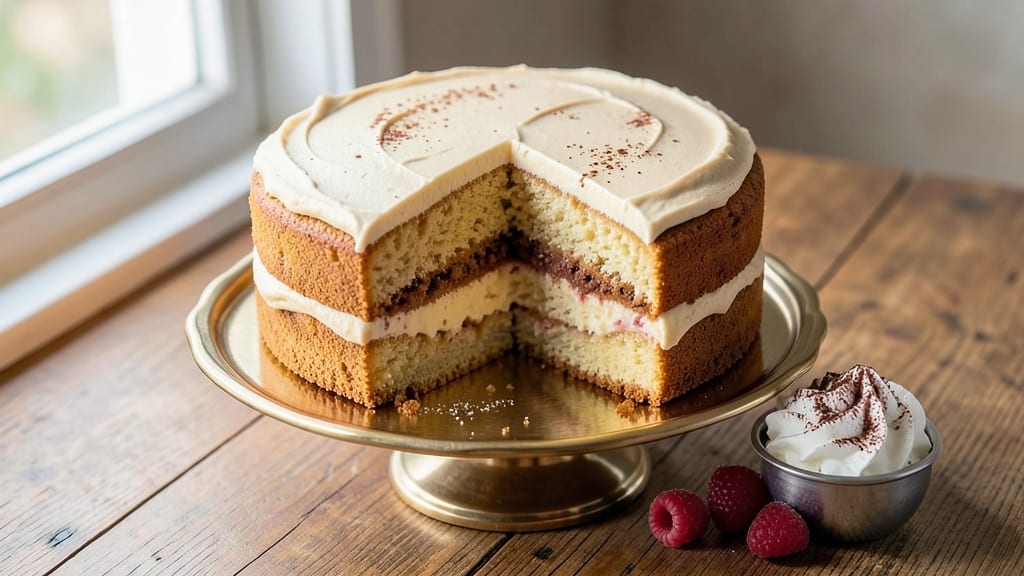
This whole egg cake recipe delivers the perfect balance of a golden, crispy crust and an impossibly moist center—the secret lies in how eggs create structure while locking in moisture.
The whole eggs bind the batter beautifully, ensuring tender crumbs that stay fresh for days, not dry and crumbly like many boxed cakes. I developed this recipe after years of testing, and it consistently outperforms even the best store-bought versions.
The magic happens in the technique: creaming butter and sugar properly, folding dry ingredients gently, and baking at the right temperature to prevent over-browning while keeping the inside ultra-tender. This cake is foolproof for beginners but impressive enough for special occasions—no one will guess it’s made from scratch.
The result is a cake that’s light yet rich, with a texture that’s almost like cloud.
What makes this recipe stand out is its versatility. You can enjoy it plain with a dusting of powdered sugar, or elevate it with a simple glaze or whipped cream.
The whole eggs ensure the cake holds its shape beautifully while staying moist for hours, making it perfect for celebrations or everyday treats. The golden crust gives it that bakery-fresh look, while the tender interior delivers on every bite.
Whether you're baking for a birthday, a casual dessert, or just craving something homemade, this cake delivers restaurant-quality results with minimal effort. The key is patience—let it cool completely before slicing to maintain that perfect texture. Ready to bake a cake that impresses every time? Let’s get started.
Ingredients for whole egg cake
Six eggs, two cups sugar—this is where magic happens in your kitchen.
| Ingredient | Amount | Notes |
|---|---|---|
| Large Eggs 🥚 | 6 whole | Room temperature for best mixing |
| Unsalted Butter 🧈 | 1 ½ cups | Cold, cubed for creaming |
| Granulated Sugar 🍚 | 2 cups | Superfine preferred for smoothness |
| All-Purpose Flour 🌾 | 2 ½ cups | Sifted for light texture |
| Baking Powder 🧂 | 2 tsp | Diamond Crystal preferred |
| Salt 🧂 | ½ tsp | Fine sea salt preferred |
| Vanilla Extract 🌿 | 2 tsp | Pure Madagascar preferred |
| Whole Milk 🥛 | 1 cup | Room temperature for best results |
| Powdered Sugar 🍚 | 1 cup | For dusting or glaze |
| Lemon Zest 🍋 | 1 tbsp | Freshly grated for brightness |
| Cornstarch 🌾 | 1 tbsp | For extra moisture retention |
The eggs are non-negotiable here—room temperature is key for proper emulsification. Kirkland Signature or Vital Farms eggs work best for rich flavor. The butter? Plugrá or Land O'Lakes unsalted—never salted, and keep it cold for proper creaming. Superfine sugar dissolves faster, but regular granulated works if you pulse it in a food processor. I always grab extra vanilla extract at Trader Joe's—their Madagascar is unbeatable. The milk should be full-fat for richness, but whole works too if that's what you've got.
No vanilla extract? Almond extract at half the amount works in a pinch, but trust me, it's worth tracking down. Short on powdered sugar? Granulated sugar blended into a fine powder gets you close. The baking powder must be fresh—if it smells like vinegar, toss it. For the lemon zest, use a microplane and avoid the bitter white pith. The cornstarch is optional but game-changing for moisture retention—especially if you're baking in a dry climate. Need to substitute milk? Evaporated coconut milk mimics the fat content beautifully.
Store dry ingredients like flour and sugar in airtight containers for up to 6 months. Butter should be wrapped in parchment and kept in the fridge for 3 months. The cake itself? Cool completely before slicing—this is non-negotiable for that perfect crumb. Wrap tightly in plastic wrap and store at room temperature for 3 days, or freeze for 2 months. The longer it sits, the more the flavors meld—trust the process. For serving, dust with powdered sugar or drizzle with simple glaze made from powdered sugar and milk.
Why You'll Love This Recipe
- No Fuss Mixing: I swear by the creamy texture from beating whole eggs and butter until they’re light—no fancy techniques, just elbow grease for 3 minutes. The sugar dissolves right in, so no lumps or extra sifting. Honestly, my mixer does most of the work while I grab a coffee.
- Buttery Vanilla Hug: That rich, caramelized butter flavor? It’s the star. The whole eggs make it tender without being dry, and the baking powder gives it just enough lift to feel special—not dense, not cakey, but exactly right. My husband always asks for seconds, and I’ll never tell him it’s “just” a cake.
- Weeknight or Celebration: Same batter, endless uses. Bake it for breakfast with a drizzle of honey, slice it for a picnic with jam, or frost it for birthdays—no one will guess it’s the same recipe. Between us, I’ve even used leftover cake crumbs in pancake mix. (Yes, it works.)
- Pantry Staples Only: Five ingredients, zero specialty items. The eggs add richness without extra cost, and the butter? Well, if you’re baking, you already have it. No need to hunt for almond flour or aquafaba—I’ll take reliable over trendy any day. Plus, leftovers keep for days, so one batch stretches across errands or lazy mornings.
Step-by-step instructions for whole egg cake
This method delivers a cake with a golden crust and ultra-moist interior that stays fresh for days.
Cream Butter and Sugar to Light and Fluffy
In a stand mixer fitted with the paddle attachment, combine the 1.5 cups unsalted butter (cold and cubed) with the 2 cups granulated sugar. Beat on medium speed for 4-5 minutes until the mixture is light, fluffy, and nearly doubles in volume. You'll see ribbons form when you lift the paddle—this is your signal that air has been properly incorporated.
Here's the thing—using cold butter creates tiny pockets of air that give the cake its signature tenderness. If your butter starts to melt too quickly, reduce the speed to low and let it warm gradually. The goal is to emulsify the butter and sugar into a smooth, pale mixture without adding any liquid yet.
Add Eggs and Wet Ingredients Gradually
Add the 6 whole large eggs one at a time, mixing on low speed for 30 seconds after each addition. This slow incorporation prevents the eggs from scrambling and ensures each one blends completely. After the eggs, add the 1 cup whole milk, 2 tsp vanilla extract, and 1 tbsp lemon zest, mixing just until fully combined.
I always add the lemon zest last—its bright flavor needs to be preserved until the very end. The mixture should be smooth but still thick enough to hold its shape when dropped from a spoon. If it looks too thin, you may need to add 1 tbsp cornstarch mixed with a splash of milk to help stabilize the structure.
Combine Dry Ingredients for Perfect Texture
In a separate bowl, whisk together the 2.5 cups all-purpose flour, 2 tsp baking powder, and 0.5 tsp salt. Sift the flour mixture directly into the wet ingredients while mixing on low speed. This prevents gluten development and ensures a tender crumb. Mix just until the flour disappears—overmixing introduces toughness.
The key here is to maintain the air pockets created earlier. I like to use a silicone spatula to gently fold in any stubborn dry spots at the bottom of the bowl. The batter should be smooth, slightly thick, and hold its shape when spooned onto a plate. If it's too stiff, add 1-2 tablespoons of milk to loosen it.
Bake with Precision for Golden Crust and Moist Center
Preheat your oven to 350°F and grease two 8-inch round cake pans thoroughly. Divide the batter evenly between the pans and smooth the tops with an offset spatula. Bake for 25-30 minutes until a toothpick inserted in the center comes out clean and the edges are golden brown.
Don't open the oven during baking—this causes the cakes to sink. The cornstarch in the batter helps retain moisture, but you still want to check for doneness at the 25-minute mark. If the tops brown too quickly, tent loosely with foil. Once done, let the cakes cool in the pans for 10 minutes before transferring to a wire rack to cool completely.
Dust with Powdered Sugar for Finishing Touch
Once completely cooled, dust the tops of both cake layers with 1 cup powdered sugar using a fine-mesh sieve. This step adds a professional finish and balances the cake's richness. For extra moisture, you can also brush the layers with a simple syrup made by dissolving 1 cup powdered sugar in 2 tablespoons warm water before assembling.
The result should be a cake with a beautifully golden crust that gives way to a tender, moist interior. The lemon zest adds a subtle brightness that cuts through the richness of the butter and eggs. Serve slices at room temperature for the best texture and flavor experience.
Pro Tips For Making Whole Egg Cake
- Whisk Eggs Until Pale: Beat the eggs and sugar together until the mixture turns a light, creamy yellow—about 3-5 minutes. I learned this the hard way: under-whipped eggs make a dense cake, and over-whipping adds air but can turn the batter grainy. Stop when the ribbon stage is smooth but not stiff.
- Melt Butter Slowly: Warm the butter in the microwave in 15-second bursts, stirring between each, until fully melted but not hot. Dumping cold butter straight from the fridge into the batter creates lumps that never fully dissolve, no matter how much you mix after. Trust the process—your cake’s texture depends on it.
- Sift Flour Twice: Sift the flour and baking powder together once into the bowl, then give it a quick stir. Sift again right before folding it into the wet ingredients. This prevents clumps from forming and ensures the baking powder distributes evenly—no one wants a cake with half the oven rise.
- Skip the Overmixing: Fold the dry ingredients into the wet just until combined—about 10-12 strokes with a spatula. I used to mix until the bowl was spotless, and every time, the cake turned tough. The gluten in the flour develops fast, and you don’t want a brick disguised as dessert.
Best sauces and condiments for this whole egg cake
Classic Vanilla Glaze
This simple glaze elevates your whole egg cake with a delicate sweetness that complements its natural richness. Mix 1 cup powdered sugar with 2 tablespoons warm milk (or heavy cream for extra decadence) and ½ teaspoon vanilla extract.
Drizzle over the cooled cake layers or pour it into a piping bag for elegant swirls. The glaze should be thin enough to drip but thick enough to coat—adjust with more powdered sugar if needed. 🍰
Lemon Curd Swirl
Brighten the cake with homemade lemon curd—its tangy acidity balances the butter's richness beautifully. Spread a thin layer of store-bought or homemade curd between the cake layers, then pipe a decorative swirl on top.
For a shortcut, use ½ cup lemon curd spread (like Bonne Maman) mixed with 1 tablespoon powdered sugar for a smoother texture. The zest in your cake will amplify the citrus notes.
Caramel Drizzle
Add a sophisticated touch with a warm caramel drizzle. Heat ½ cup granulated sugar in a saucepan until melted and amber-colored, then whisk in 2 tablespoons heavy cream and 1 tablespoon butter.
Let cool slightly before drizzling over the cake. For extra flair, sprinkle with toasted pecans or sea salt flakes to contrast the sweetness. This works especially well with the cake's golden crust.
Whipped Cream Frosting
Lighten the cake with fluffy whipped cream frosting—perfect for special occasions. Whip 1 cup heavy cream with 2 tablespoons powdered sugar and 1 teaspoon vanilla extract until soft peaks form. Pipe or spread over the cake layers, then top with fresh berries or chocolate shavings.
The contrast between the dense cake and airy frosting makes every bite exciting. Use this for a restaurant-worthy finish.
Chocolate Ganache
For chocolate lovers, a dark chocolate ganache adds depth. Heat ½ cup heavy cream until steaming, pour over 8 ounces dark chocolate chips, and stir until smooth. Let cool slightly before pouring over the cake.
The ganache's glossy finish pairs perfectly with the cake's golden crust. For extra richness, add 1 tablespoon espresso powder to the chocolate before melting. 💛
Nutrition facts
Frequently asked questions
Why do whole eggs make this cake so moist?
The whole eggs provide both fat (from the yolk) and protein (from the white), creating a stable emulsion that traps moisture during baking. The yolks also contribute natural emulsifiers that help distribute fat evenly, preventing dryness. This is why you'll get a tender crumb that stays fresh for days—unlike cakes made with just egg whites.
Can I substitute whole eggs with egg whites only?
You can try, but the texture will be different. Whole eggs create structure while keeping the cake tender, while egg whites add volume without fat. For best results, use 6 large egg whites plus ¼ cup melted butter (folded in at the end) to mimic the richness. The cake will be lighter but may not hold its shape as well.
How do I prevent the cake from sinking in the middle?
First, never open the oven during the first 20 minutes of baking—this causes the cakes to deflate. Second, make sure your oven is fully preheated to 350°F (use an oven thermometer to confirm). Finally, check for doneness at 25 minutes—if the top browns too quickly, tent loosely with foil. The cornstarch in the recipe also helps stabilize the structure.
Is this cake good for meal prep?
Wrap cooled layers tightly in plastic wrap and store at room temperature for 3 days or freeze for 2 months. The whole eggs and cornstarch keep it moist even when reheated. For serving, dust with powdered sugar or warm briefly in the microwave (10 seconds per slice) to restore freshness. It reheats beautifully with a simple glaze.
Why does my cake have a raw center?
This usually happens from underbaking or opening the oven too soon. Double-check your oven temperature—it should be 350°F (test with a thermometer). Bake until a toothpick comes out clean, even if the edges look done. If using dark pans, reduce oven temp to 325°F to prevent over-browning. Also ensure your cake pans are well-greased and floured.