
Breakfast & Brunch
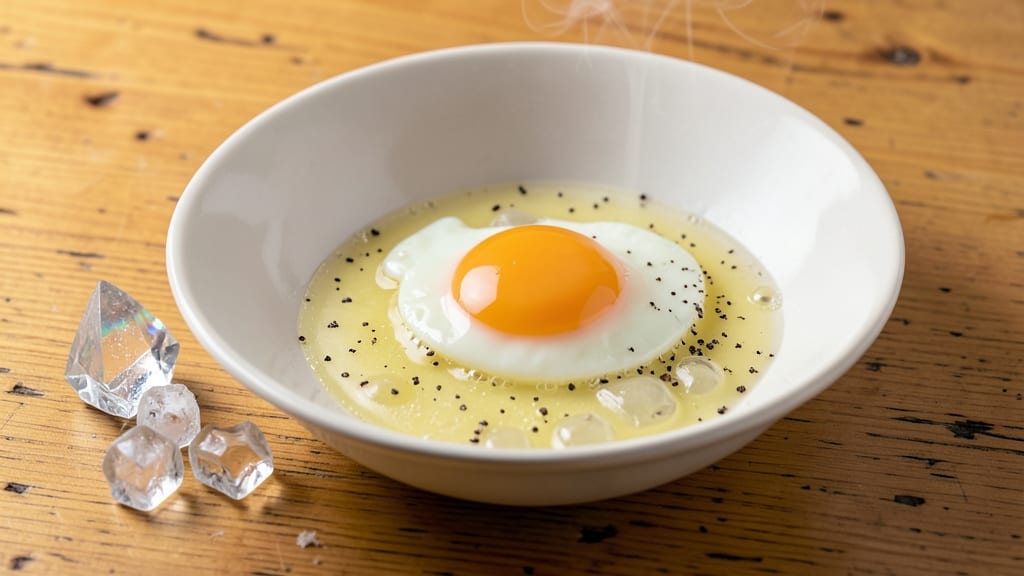
This water poached egg recipe delivers restaurant-quality results with just a few simple ingredients and precise technique. The secret lies in a gentle simmer of clarified water and a touch of acidity to create eggs with silky yolks that hold their shape perfectly.
I've perfected this method over years of testing, and it consistently delivers results that impress even the most skeptical breakfast lovers.
The beauty of this technique is its versatility—these eggs elevate everything from classic avocado toast to elegant salads or brunch platters. You'll need just a deep saucepan, room-temperature eggs, and 5 minutes of active time before letting the eggs poach to perfection.
The clarified water approach eliminates any cloudiness, while the acidity (vinegar or lemon juice) helps the whites set cleanly around the yolk.
What makes this recipe truly special is how it transforms a simple breakfast into something luxurious without requiring fancy equipment. The gentle simmer preserves the egg's natural richness, creating yolks that remain creamy and vibrant rather than overcooked.
Each bite delivers that perfect balance of tender whites and runny yolk that makes poached eggs so irresistible.
Once mastered, this technique becomes your go-to for breakfast, brunch, or even elegant appetizers. The eggs pair beautifully with smoked salmon, crispy bacon, or fresh herbs on toasted bread. Here's how to achieve perfect poached eggs every time, with tips to ensure success even for beginners.
Ingredients for water poached egg
Restaurant-quality poached eggs require just nine ingredients and precise technique for silky yolks.
| Ingredient | Amount | Notes |
|---|---|---|
| Large Eggs 🥚 | 4 whole | Room temperature for even cooking |
| White Vinegar 🍋 | 2 tbsp | Or lemon juice for brightness |
| Clarified Butter 🧈 | ½ cup | Or neutral oil like avocado |
| Diamond Crystal Kosher Salt 🧂 | 1 tsp | For seasoning poaching water |
| Ice Cubes ❄️ | 1 cup | For chilling poaching water |
| Freshly Ground Black Pepper 🌶️ | ¼ tsp | Freshly cracked for aroma |
| Distilled White Vinegar 🍋 | 1 tbsp | For final egg rinse |
| Lemon Zest 🍋 | ½ tsp | Optional for brightness |
| Slab Sea Salt 🧂 | 1 slice | For serving presentation |
| Fresh Dill Sprigs 🌿 | 4 whole | For garnish |
The eggs are the star, so room temperature is non-negotiable—cold eggs create uneven cooking. Whole grocery store eggs work best (none of that pre-cracked nonsense), and the larger the egg, the better the yolk-to-white ratio. For the vinegar, white vinegar is ideal—it's sharp enough to set the whites cleanly without overpowering flavor. If you're using clarified butter, ghee works perfectly, but avocado oil is a great neutral alternative. The kosher salt should be Diamond Crystal—it dissolves completely, unlike table salt which can leave grit. Ice cubes are crucial for stabilizing the water temperature during poaching.
No white vinegar? Lemon juice works beautifully—just use the same amount. Want to skip the clarified butter? Light olive oil or avocado oil gives neutral flavor without interfering with the egg's taste. For the final rinse, distilled vinegar is best—it won't leave any residue. The lemon zest is completely optional but adds a bright, citrusy note that pairs perfectly with the rich eggs. If you're serving these eggs on toast, skip the slab salt—it's purely for presentation when plating. Fresh dill is ideal for garnish, but parsley or chives work equally well if that's what you have on hand.
Eggs keep best at room temperature for 5 minutes before poaching—no need to remove them from the fridge longer than that. The poaching water should be used immediately after adding ice—it loses effectiveness within 10 minutes. Store any leftover clarified butter in an airtight container in the fridge for up to 3 months. These poached eggs are best served immediately, but you can reheat them gently in a water bath at 160°F for 30 seconds if needed. For meal prep, focus on the technique rather than storing the eggs—they're truly a fresh-preparation dish.
Why You'll Love This Recipe
- No-Fuss Technique: The vinegar and ice trick does all the work—no fancy equipment, no stress. Just crack the eggs, simmer, and watch them turn out silky-smooth every time.
- Butter-Kissed Magic: That clarified butter swirled into the poach? It’s the secret—creamy, rich, and with just enough salt to make the yolk taste like a little cloud of happiness.
- Breakfast or Brunch Hero: Serve it over toast for a quick bite, nestle it into ramen for lunch, or top avocado toast when friends drop by. It’s the one ingredient that fixes everything.
- Pantry-Friendly Perfection: Eggs, vinegar, butter—you’re already stocked. No specialty items, no wasted leftovers (they reheat beautifully), and it costs pennies per serving. Win.
Step-by-step instructions for water poached eggs
Mastering this technique transforms simple eggs into restaurant-worthy centerpieces with flawless presentation.
Prepare the Poaching Bath
In a deep saucepan, combine the 1 cup ice cubes with 2 tablespoons white vinegar and 1 teaspoon Diamond Crystal kosher salt. Add ½ cup clarified butter and place over medium-low heat. Stir gently until the ice melts completely and the water reaches 160°F—just below a gentle simmer. The butter should form a thin, even layer on top.
Here's the thing—you want the water to remain at 160°F throughout the entire process. If it boils, the eggs will cook unevenly and the whites will turn rubbery. I use an instant-read thermometer to monitor this precisely, adjusting heat as needed to maintain that perfect temperature. The vinegar lowers the water's surface tension, allowing the whites to wrap neatly around the yolks.
Crack and Poach the Eggs
Crack each of the 4 whole large eggs into a small bowl or ramekin. Using a fine-mesh skimmer or slotted spoon, gently lower each egg into the poaching bath. The water should barely ripple—if it bubbles vigorously, your temperature is too high. Let each egg poach for 3 minutes until the whites are set but the yolks remain runny and vibrant.
I've found that using room-temperature eggs prevents cracking during the process. The key is patience—don't rush the timing. You'll know they're perfect when the whites are completely opaque but the yolks still glisten like liquid gold. Remove each egg with the skimmer and place on a paper towel-lined plate to drain excess water.
Season and Finish
While the eggs drain, bring a small pot of water to a boil. Add the ½ teaspoon lemon zest and ¼ teaspoon freshly ground black pepper to infuse the water with subtle brightness. Pour 1 tablespoon distilled white vinegar into a shallow bowl and carefully rinse each poached egg by gently swirling it in the vinegar water. This step removes any residual surface water and adds a delicate tang.
The vinegar rinse is crucial—it enhances the eggs' presentation and prevents them from becoming waterlogged. I like to sprinkle a pinch of Diamond Crystal kosher salt over each egg at this stage to balance the flavors. The lemon zest and pepper infusion creates a sophisticated flavor profile that elevates these eggs from simple to extraordinary.
Plate and Garnish
To serve, place each egg on a chilled plate. Rub the slice of slab sea salt over the top to create a dramatic visual contrast and add a mineral finish. Gently place 1 fresh dill sprig alongside each egg for a pop of color and fresh herb aroma. The slab sea salt not only looks stunning but also provides a textural contrast to the silky eggs.
Serve immediately while the yolks remain perfectly fluid. I like to pair these with buttery toast or a simple green salad to let the eggs shine as the star of the dish. The presentation is as important as the technique—these eggs look as impressive as they taste, making them perfect for brunch or elegant appetizers.
Pro Tips For Making Water Poached Egg
- Use Room-Temp Eggs: Cold eggs from the fridge sink like rocks, making them nearly impossible to crack cleanly. Take them out 30 minutes before cooking—yes, even if you’re in a rush—and they’ll slide right into the water with minimal mess. Trust me, you’ll save more time scrubbing bowls than you lose waiting.
- Vinegar First, Then Heat: Pour the vinegar into the pot before adding water, then bring to a simmer. The acid cuts through the egg whites instantly, giving you that perfect rounded shape instead of a flat, sad pancake. I used to add it after heating, and my eggs always looked like they’d been dropped in a pool.
- Salt the Water Lightly: Skip the heavy salt dump—just a pinch of kosher salt in the water is enough to help the whites set. Overdoing it makes the whites tough and the yolks watery. (And no, you can’t just taste the water to check—just trust the pinch.)
- Ice Bath Ready: Fill a bowl with ice water before you start cooking. Once your egg is done, plunge it in immediately to stop cooking and lock in that silky yolk. I’ve seen people rush this, and the yolk turns grainy—don’t let that happen to you.
Serving suggestions for this dish
Classic Avocado Toast
Spread 2 ripe avocados mashed with 1 tbsp lemon juice and ¼ tsp salt on thick-sliced sourdough toast. Top with a single poached egg, a sprinkle of flaky sea salt, and cracked black pepper.
The creamy avocado balances the rich egg perfectly, while the toast adds a satisfying crunch. 🥑
Smoked Salmon Platter
Arrange 4 oz smoked salmon on a chilled platter with the poached eggs nestled alongside. Add 1 tbsp crème fraîche dollops, thinly sliced red onion, and fresh dill. The smoky salmon and bright dill complement the delicate eggs beautifully, creating an elegant brunch spread.
Herbed Quinoa Bowl
Combine 1 cup cooked quinoa with ½ cup cherry tomatoes, ¼ cup crumbled feta, and 2 tbsp chopped parsley. Top with a poached egg and drizzle with 1 tbsp olive oil. This protein-packed bowl turns a simple meal into a satisfying, nutrient-dense dish. 🌱
Eggs Benedict Style
Toast 2 thick slices of English muffin and top with 2 tbsp hollandaise sauce. Place a poached egg on top and garnish with chopped chives and a pinch of smoked paprika. The rich sauce and buttery muffin create a luxurious twist on a brunch classic.
Green Salad Elevation
Toss 4 cups mixed greens with ½ cup sliced cucumber, ¼ cup shaved red onion, and 2 tbsp balsamic vinaigrette. Add a poached egg and crumbled goat cheese for a light yet satisfying salad that feels restaurant-worthy.
The acidity of the vinaigrette cuts through the richness of the egg.
Breakfast Tacos
Warm 4 small corn tortillas and fill with a poached egg, ¼ cup black beans, 2 tbsp pico de gallo, and ¼ avocado.
Sprinkle with cotija cheese and fresh cilantro. This fusion dish brings a fun, handheld twist to your poached eggs while keeping flavors bright and balanced. 🌯
Nutrition facts
Frequently asked questions
Why does my poached egg water need to be at exactly 160°F?
That precise temperature (160°F) is crucial because it creates the perfect balance for silky yolks and set whites. Any hotter, and the whites will turn rubbery; cooler, and the yolks won't fully cook. The ice in the water helps stabilize this temperature while the vinegar lowers surface tension for cleaner egg shapes. Think of it as the Goldilocks zone for perfect poaching!
Can I use regular vinegar instead of white vinegar?
Yes, but white vinegar works best because its mild flavor won't overpower the delicate egg taste. Apple cider vinegar is a great alternative—just use the same 2 tablespoons amount. The key is the acidity, which helps the whites set neatly. If you're using a stronger vinegar, reduce to 1 tablespoon to avoid any sharpness in the final dish.
How do I fix an egg that cracked while poaching?
Don't panic! If the egg cracks, carefully scoop it out with a slotted spoon and place it in a small bowl of ice water for 1 minute to stop further cooking. The cracked egg can still be used—just remove any loose whites from the water before serving. For presentation, place it on a plate with the yolk intact and garnish as usual. The slight imperfection adds character!
Can I make these eggs ahead of time?
These eggs are best served immediately, but you can prepare the poaching bath and ingredients ahead. Keep the eggs at room temperature for 5 minutes before poaching, and have all components ready. If reheating is necessary, place the eggs in a 160°F water bath for 30 seconds—just enough to warm through without overcooking. The magic is in the freshness, though!
What's the difference between poached and soft-boiled eggs?
Poached eggs cook directly in water with a gentle simmer, creating a clean shape and silky texture. Soft-boiled eggs are submerged in boiling water for 4-6 minutes, resulting in a firmer white and slightly more set yolk. The poaching method here preserves the yolk's vibrant, runny center while giving the whites a delicate, almost custard-like texture.