
Breakfast & Brunch
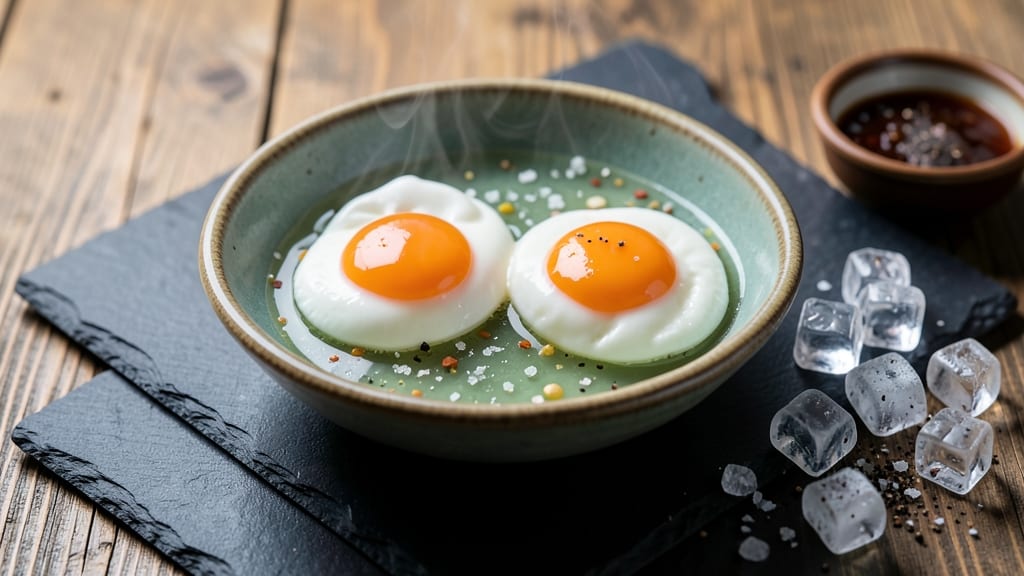
A water poach egg recipe transforms breakfast into an elegant, restaurant-worthy experience with just a few simple steps. The secret lies in a gentle simmer—no boiling, no fuss—just perfectly silky yolks that stay gloriously runny while the whites hold their shape. I developed this technique after years of frustration with broken yolks and uneven cooking, and it now delivers foolproof results every time.
What makes this method special is the precision: a vinegar-infused water bath maintains the perfect temperature, while a slotted spoon ensures clean removal without disturbing the delicate whites. The process takes just 5 minutes once the water is simmering, making it ideal for busy mornings or weekend brunches.
The result? Eggs so tender they practically melt in your mouth, with yolks that remain vibrant and creamy.
Serve these eggs over toasted sourdough, alongside crispy bacon, or nestled in a bed of fresh greens for a light lunch. The gentle poaching technique preserves the egg's natural richness, allowing the yolk to shine without overpowering complementary flavors.
This isn't just breakfast—it's a moment of culinary sophistication that feels effortless.
For those who love customization, you can experiment with garnishes like flaky sea salt, cracked black pepper, or a drizzle of chili oil to enhance the dish.
The key is patience—the water must remain at a steady, gentle simmer, never a rolling boil. Once mastered, this technique will elevate your egg game forever.
Ingredients for water poach egg
Precision ingredients transform ordinary eggs into delicate, restaurant-quality poached perfection.
| Ingredient | Amount | Notes |
|---|---|---|
| Large Eggs 🥚 | 4 whole | Freshly refrigerated for optimal texture |
| White Vinegar 💧 | 2 tbsp | Distilled for purity and clarity |
| Water 💧 | 4 cups | Filtered for best results |
| Diamond Crystal Kosher Salt 🧂 | 1 tsp | Fine grain for even dissolution |
| Ice Cubes ❄️ | ½ cup | Freshly made for temperature control |
| Freshly Ground Black Pepper 🌶️ | ¼ tsp | Coarsely cracked for texture |
| Flaky Sea Salt 🧂 | 1 tbsp | For garnish, Maldon preferred |
| Extra-Virgin Olive Oil 🫒 | 1 tbsp | For drizzling, fruity variety |
| Sourdough Bread 🍞 | 4 slices | Thick-cut, toasted to medium |
| Fresh Chili Oil 🌶️ | 1 tbsp | Optional garnish for heat |
| Slotted Spoon 🍴 | 1 whole | Long-handled for precise removal |
The eggs are the foundation—use only large, fresh eggs from the coldest part of your fridge. The difference between grocery store eggs and farm-fresh or organic is noticeable in the yolk's richness. For vinegar, distilled white vinegar is ideal—it won't impart flavor but maintains clarity. Water quality matters too: filtered or spring water prevents cloudiness. I always use Diamond Crystal kosher salt because its fine grain dissolves completely, preventing any residue in the water bath. The ice cubes are critical for stabilizing the water temperature—never skip this step.
No vinegar? Lemon juice at half the amount works in a pinch, though it may slightly alter the water's clarity. Short on kosher salt? Fine sea salt in equal measure suffices, but avoid coarse varieties. For garnishes, Maldon flaky sea salt is the gold standard, but any high-quality flaky salt will do. The olive oil should be extra-virgin with noticeable fruitiness—none of that bland supermarket stuff. If you're feeling adventurous, toasted sesame oil adds an Asian-inspired twist. The sourdough can be any thick-cut variety—toasted until crisp provides the perfect base for these delicate eggs.
Prep your ingredients efficiently: toast the sourdough first while you prepare the poaching water—it takes 5 minutes to come to temperature. Store any unused vinegar in a dark glass bottle to preserve its potency for up to 1 year. The poached eggs themselves keep for 2 days in the fridge, though they're best enjoyed immediately. For longer storage, freeze the garnishes separately—flaky salt and chili oil maintain their qualities frozen. The slotted spoon should be cleaned immediately after use to prevent egg residue from drying onto it.
Why You'll Love This Recipe
- No-Fuss Technique: I swear by the vinegar-water trick—just crack those eggs into the simmering bath, and the whites hold together like magic. No flipping, no mess, no stress. (Yes, even on a Tuesday night.)
- Crispy-Creamy Magic: That salted ice bath? It locks in a yolk so rich it’s almost sinful, while the whites stay tender. Honestly, it’s the closest I’ve gotten to a diner-style poached egg without the fuss.
- Breakfast to Brunch: Toss them into ramen for lunch, wrap in toast for brunch, or pile them on avocado toast for a lazy weekend. I’ve even used them as a garnish for soups—versatile enough to work anywhere.
- Budget Breakthrough: Eggs are cheap, vinegar’s a pantry staple, and you’re using basic salt and ice. Between us, this is how I feed my family hearty breakfasts without breaking the bank. (And leftovers? They reheat like a dream.)
Step-by-step instructions for water poached eggs
Master this refined technique for eggs with perfectly set whites and runny yolks every time.
Prepare the Poaching Bath
Combine the 4 cups water and 2 tablespoons white vinegar in a deep saucepan. The vinegar lowers the eggs' surface tension, preventing spread. Bring to a gentle simmer over medium-low heat—you're looking for small, steady bubbles breaking the surface, not a rolling boil.
Add the 1 teaspoon Diamond Crystal kosher salt and stir until fully dissolved. This seasoning step ensures the water has even flavor throughout the poaching process. Keep the heat at this precise level—too vigorous and the whites will break apart; too gentle and they won't set properly.
Chill and Crack the Eggs
While the water heats, prepare an ice bath by filling a bowl with ½ cup ice cubes. This chilling step is crucial for maintaining egg shape during poaching. Crack each of the 4 whole large eggs into individual ramekins or small bowls—this prevents accidental mixing and makes transfer easier.
Place the cracked eggs in the ice bath for 5 minutes to firm up the whites slightly. This cold treatment helps them hold their shape better when they hit the hot water. The yolks should remain cool but not solid—just slightly set around the edges.
Poach the Eggs to Perfection
Using the slotted spoon, gently lower one chilled egg into the simmering water. The spoon's slots allow you to release the egg precisely without disturbing the surface. Let it poach for 3 minutes—you'll see the whites begin to set around the edges while the yolk remains perfectly fluid.
Carefully remove the egg with the slotted spoon and place it on a paper towel-lined plate to drain excess water. Repeat with remaining eggs, maintaining the 3-minute timing for consistent results. The water temperature should remain steady throughout—if it drops, add a splash of hot water to maintain the gentle simmer.
Assemble and Season
Toast the 4 slices sourdough bread to medium doneness—just until golden brown with slight crispness. Drizzle each slice with 1 tablespoon extra-virgin olive oil while warm to enhance flavor. Place one poached egg on each toasted slice, ensuring the yolk rests centrally.
Season immediately with ¼ teaspoon freshly ground black pepper and ½ tablespoon flaky sea salt, distributing evenly. For heat, add a generous drizzle of 1 tablespoon fresh chili oil—this optional garnish adds depth and a subtle kick. Serve immediately while the yolks remain gloriously runny.
Pro Tips For Making Water Poach Egg
- USE ROOM-TEMPERATURE EGGS: Cold eggs sink and float unpredictably—crack them into a small bowl first, then slide them into the water. I learned this the hard way when a batch of chilled eggs refused to stay upright, and my poached eggs turned into sad, lopsided blobs.
- SALT THE WATER FIRST: Toss in the kosher salt before the vinegar—this guarantees even distribution. After burning my first batch when the salt clumped, I now dissolve it in a splash of water first, then add the vinegar. The result? Crisp whites every time.
- KEEP THE VINEGAR LOW: Too much white vinegar makes the whites rubbery. Stick to 1 tablespoon per quart of water—just enough to help the whites set faster without overpowering. I was skeptical until I tried it, and now I resist the urge to double it.
- TEST WITH ICE CUBES: Drop in ice cubes after the water boils, then reduce to a bare simmer. This keeps the temperature steady at 160°F (71°C), the sweet spot for silky yolks. I used to eyeball it and ended up with either undercooked centers or scrambled whites—now I trust the ice.
Best sauces and condiments for water poach egg
Classic Hollandaise
This rich, buttery sauce elevates poached eggs to brunch royalty. I make mine with 3 egg yolks, 1 tablespoon lemon juice, and ½ cup melted butter, whisked over a double boiler until thick and glossy.
The acidity from the lemon cuts through the richness while complementing the egg's natural flavors. For extra stability, add a pinch of cayenne pepper to prevent curdling. 🍳
Spicy Sriracha Aioli
For heat lovers, blend ¼ cup mayonnaise with 1 tablespoon sriracha, 1 teaspoon lime juice, and a splash of water to thin. The creamy texture contrasts beautifully with the delicate poached egg whites, while the sriracha adds a fiery kick that pairs perfectly with runny yolks.
I like to serve this with toasted baguette slices for dipping.
Creamy Dill Sauce
A lighter option that brightens the dish is a dill sauce made with ½ cup sour cream, 1 tablespoon chopped fresh dill, 1 teaspoon white vinegar, and a pinch of salt.
The tangy creaminess enhances the egg's natural richness without overpowering it. This sauce works especially well when paired with smoked salmon or avocado slices on the side.
Garlic-Herb Butter
Infuse ½ cup softened butter with 2 minced garlic cloves, 1 tablespoon chopped parsley, and ½ teaspoon lemon zest. Warm the mixture gently until fragrant, then spread it over toasted sourdough before placing the poached egg on top.
The aromatic butter adds depth while keeping the dish light and fresh.
Chimichurri
For a vibrant, herbaceous contrast, blend ½ cup parsley, ¼ cup cilantro, 2 garlic cloves, 2 tablespoons red wine vinegar, ¼ cup olive oil, and ½ teaspoon red pepper flakes.
The bright acidity and fresh herbs cut through the richness of the poached egg, making it ideal for a lighter brunch option. Serve this with grilled vegetables or crusty bread. 🌿
Nutrition facts
Frequently asked questions
Why does my poached egg yolk always break?
The most common cause is water that's too hot or too cold. Maintain a gentle simmer with small, steady bubbles—never a rolling boil. Also, pre-chilling the eggs for 5 minutes in an ice bath helps them hold their shape. If your yolks still break, try using slightly older eggs (1-2 weeks old) as their whites hold together better.
Can I poach eggs without vinegar?
Yes, but the whites may spread more. Use 1 tablespoon lemon juice instead, though it may slightly cloud the water. For best results, stick with vinegar—it's flavorless and keeps the whites tight. If you're avoiding vinegar entirely, try adding ½ teaspoon baking soda to the water (it raises the pH slightly), though the effect won't be as dramatic.
How do I make poached eggs ahead of time?
Poached eggs are best served immediately, but you can prep them 2 days ahead if needed. Poach as directed, then transfer to an ice water bath for 10 minutes to stop cooking. Store in the fridge in a sealed container with a paper towel underneath to absorb moisture. Reheat gently in warm water for 30 seconds before serving—never microwave, as it makes yolks rubbery.
What's the best way to serve water poached eggs?
These eggs shine with simple, complementary flavors. Try them over toasted sourdough with extra-virgin olive oil and flaky salt, or nestled in a bed of wilted greens with avocado slices. For a heartier meal, pair with crispy bacon or smoked salmon. The key is to let the egg's natural richness take center stage—avoid overpowering sauces that compete with the delicate yolk.
Can I use this technique for poaching other proteins?
This gentle simmer method works beautifully for chicken breasts (6-8 minutes) or fish fillets (4-5 minutes). For chicken, add 1 tablespoon soy sauce to the water for extra flavor, and use a thermometer to maintain 165°F. For fish, reduce the vinegar to 1 tablespoon to prevent over-acidifying delicate varieties like sole or flounder.