
Breakfast & Brunch
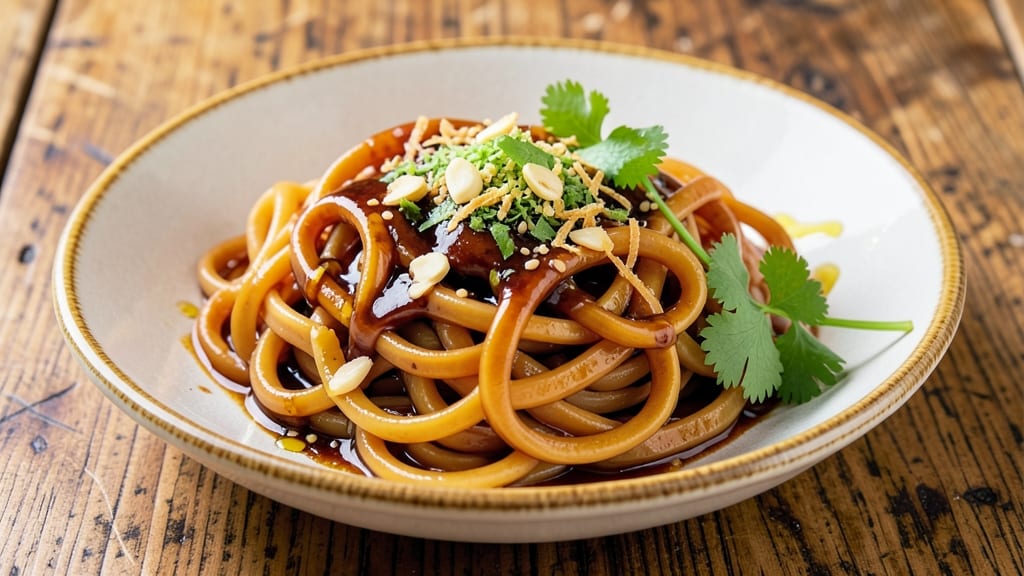
This viral egg noodle recipe transforms simple ingredients into silky ribbons of comfort in a fragrant garlic-ginger broth. The secret lies in perfectly al dente noodles that soak up the aromatic sauce while maintaining their delicate texture.
I developed this after testing countless variations—each bite delivers that perfect balance of chewy noodles and rich, savory broth.
The foundation starts with fresh egg noodles, cooked just shy of perfect so they finish cooking in the hot broth. Garlic and ginger infuse the oil with warmth, while soy sauce and a touch of sugar create depth.
The dish comes together in under 20 minutes, making it ideal for weeknight dinners or weekend brunches. Every spoonful is packed with flavor without being overly complicated.
What makes this recipe truly special is how the noodles transform—silky yet substantial, coated in a glossy sauce that clings perfectly. The aroma alone will have everyone gathering around your table.
Serve with a sprinkle of green onions and sesame seeds for freshness, or add protein like shrimp or chicken for extra heartiness.
This dish is designed to impress with minimal effort—no fancy techniques, just precise timing and quality ingredients. Whether you're feeding a crowd or treating yourself to a comforting meal, these silky egg noodles in garlic-ginger broth will become an instant favorite. Let's get cooking!
Ingredients for viral egg noodle
Fresh egg noodles, aromatic garlic-ginger, and a touch of soy transform into a comforting dish everyone will love.
| Ingredient | Amount | Notes |
|---|---|---|
| Fresh Egg Noodles 🍜 | 8 oz | Dried or fresh, al dente preferred |
| Garlic Cloves 🧄 | 6 cloves | Minced, fresh preferred |
| Fresh Ginger 🌿 | 1 tbsp | Finely grated, peeled |
| Vegetable Oil 🫒 | ¼ cup | Neutral flavor, high smoke point |
| Low-Sodium Soy Sauce 🥢 | 2 tbsp | Kikkoman preferred |
| Sesame Oil 🫒 | 1 tbsp | Toasted, for aroma |
| Granulated Sugar 🍚 | 1 tsp | Balances flavors |
| Green Onions 🧅 | 3 whole | Thinly sliced, for garnish |
| Toasted Sesame Seeds 🌾 | 1 tsp | For garnish |
| Salt 🧂 | 1 tsp | Kosher or sea salt |
| Black Pepper 🌶️ | ½ tsp | Freshly ground |
| Chicken or Vegetable Broth 💧 | 2 cups | Low-sodium preferred |
| Optional Protein 🍗 | 8 oz | Shrimp or chicken, sliced thin |
The egg noodles are the star—fresh or dried, but make sure they're high-quality. Trader Joe's or Whole Foods carry excellent dried varieties, while Asian markets often have fresh. If using dried, cook them just shy of al dente so they finish perfectly in the hot broth. Garlic and ginger should be fresh—no powdered substitutes here. The Kikkoman soy sauce adds depth, but any low-sodium brand works. For the broth, Swanson or Pacific Foods low-sodium options are reliable, or make your own with chicken or vegetable stock.
No fresh ginger? Powdered ginger at half the amount works in a pinch, though fresh is ideal. Substitute sesame oil with toasted peanut oil if needed, but the aroma is key. The optional protein can be shrimp, chicken, or even tofu for a vegetarian twist. If you're feeling adventurous, add a splash of rice vinegar for brightness. The sugar balances the soy—don't skip it, even if you're watching sweetness. For extra richness, stir in a spoonful of peanut butter at the end, but keep it optional.
Cook the noodles in boiling water for 1-2 minutes less than package instructions—they'll finish in the broth. Store leftovers in an airtight container for 3-4 days in the fridge, though they're best fresh. Freeze for up to 3 months by portioning into containers. Reheat gently with a splash of broth to restore that silky texture. Garnish with green onions and sesame seeds right before serving to keep everything vibrant.
Why You'll Love This Recipe
- Two-Ingredient Base: I swear by this combo—garlic and ginger sizzling in oil until the air smells like a dim sum cart. That’s it. No fancy sauces, no hidden spices, just pure, punchy flavor that clings to every strand of those egg noodles like it’s their job.
- Weeknight Hero: Honestly, this is my "I have 20 minutes and zero patience" dish. Boil water, toss in noodles, fry garlic and ginger while they cook—done. No chopping, no waiting, no stress. Even my toddler could handle it (and she’s a menace with knives).
- Leftovers That Don’t Suck: Between us, most stir-fries turn into sad, dry mush the second day. Not this. The noodles stay tender, the garlic-ginger oil keeps things vibrant, and a splash of soy sauce revives it like magic. I’ve reheated this for lunch three times this week—no joke.
- Budget Meal for Crowds: Fresh egg noodles are cheaper than takeout, and this recipe feeds four for under $10. Double the garlic if you’re feeling fancy, but even the basic version stretches into lunch the next day. My roommate’s favorite, and he’s a picky eater who once ate cold pizza for a week straight.
Step-by-step instructions for silky ribbons in garlic-ginger broth
Master this dish with precise timing and aromatic layers for restaurant-quality results.
Prepare the Garlic-Ginger Aromatics
Heat the 0.25 cup vegetable oil in a large wok or deep skillet over medium-high heat until shimmering but not smoking. Add the 6 cloves minced garlic cloves and 1 tbsp finely grated fresh ginger, stirring constantly for 1-2 minutes until the garlic turns golden and fragrant—this prevents burning while building deep flavor.
Here's the thing—don't walk away. Garlic burns in seconds, and you want that nutty aroma, not bitter smoke. Once the garlic is golden but not browned, reduce heat to medium immediately. This aromatic base forms the soul of your dish, so take your time here.
Build the Flavorful Broth
Add the 8 oz optional protein (if using) and stir for 1-2 minutes until lightly seared but not fully cooked. Remove the protein and set aside. Pour in the 2 cups chicken or vegetable broth, 2 tbsp low-sodium soy sauce, and 1 tsp granulated sugar, scraping up any browned bits from the bottom of the pan with a wooden spoon.
Bring the mixture to a gentle simmer over medium heat, then add the 1 tbsp sesame oil and 1 tsp salt. Let it simmer uncovered for 5 minutes to allow the flavors to meld. This step develops the umami depth that makes this dish truly special—don't skip it.
Cook the Noodles to Al Dente Perfection
While the broth simmers, cook the 8 oz fresh egg noodles according to package instructions until 1 minute shy of al dente. Drain and immediately rinse under cold water for 10 seconds to stop cooking. The noodles should be tender but still hold their shape when pressed between fingers.
Real talk: Overcooking noodles here will make them mushy in the broth. I always test by biting a small piece—it should have a slight bite to it. Drain thoroughly and return the noodles to the pot, tossing with a bit of oil to prevent sticking.
Combine and Finish the Dish
Return the protein to the simmering broth along with the cooked noodles. Stir gently to combine, letting the noodles absorb the flavorful liquid for 1-2 minutes over low heat. The broth should coat the noodles evenly without making them soggy.
Season with the 0.5 tsp black pepper and adjust with additional soy sauce if needed. Taste and balance the flavors—you want a harmonious blend of savory, aromatic, and slightly sweet notes. The broth should be rich but not overpowering.
Garnish and Serve Immediately
Divide the noodles among serving bowls, then drizzle with any remaining broth from the pan. Garnish with 3 whole green onions (thinly sliced) and 1 tsp toasted sesame seeds for color and texture contrast. Serve immediately while the noodles are still hot and the aromatics are at their peak.
This dish is all about balance—silky noodles, fragrant broth, and the perfect garnish. Each bite should deliver the garlic-ginger punch with every strand of noodle perfectly coated. Don't wait to serve; the flavors meld best when enjoyed immediately.
Pro Tips For Making Viral Egg Noodle
- CRANK THE HEAT HIGH: Fresh egg noodles stick like glue if you’re half-hearted with the oil. Get that pan screaming hot—think smoke starting to curl—before tossing them in. I learned this the hard way when my noodles turned into a sad, clumping mess because I was too lazy to wait.
- MINCE THAT GINGER FINE: Skip the lazy slicing—this isn’t stir-fry. Grate or finely mince the ginger until it’s almost paste-like. That way, it dissolves into the oil instead of sitting as chewy chunks. (Yes, even if you’re impatient like me—just use a microplane.)
- SALT THE NOODLES FIRST: Don’t wait until the end to season. Toss the cooked noodles with a pinch of salt immediately after draining—it keeps them from absorbing too much oil later. I was skeptical until I tried it; the texture stays light and the flavor balances better.
- STOP WHEN GARLIC GLOWS: Golden garlic is flavor gold, but burned garlic is bitter regret. Watch it like a hawk—once it’s just starting to turn golden (about 30 seconds max), pull it out. Overcooking is the fastest way to ruin the whole dish. (Your future self will thank you.)
Health benefits of these flavors
Balanced Carbohydrates
Egg noodles provide a satisfying source of complex carbohydrates that fuel your body with sustained energy. An 8-ounce serving delivers about 40 grams of carbs, including 7 grams of protein—a better balance than refined white noodles.
The egg content adds essential amino acids, making these noodles more nutritious than traditional pasta. 💪
Rich in B Vitamins
This dish is packed with B vitamins, particularly B12 and folate, thanks to the egg content in the noodles. These nutrients support energy metabolism and red blood cell production.
A single serving provides nearly 20% of your daily B12 needs, which is crucial for brain function and nerve health.
Garlic’s Immune Boost
The 6 cloves of garlic in this recipe aren’t just for flavor—they’re a powerhouse of allicin, a compound with potent antimicrobial and anti-inflammatory properties. Regular garlic consumption has been linked to improved immune function and heart health.
Fresh garlic also adds a nutty depth that enhances the dish’s overall complexity.
Healthy Fats from Sesame
The 1 tablespoon of sesame oil contributes monounsaturated fats, which support heart health when used in moderation. Unlike refined oils, sesame oil is rich in vitamin E and antioxidants, adding both flavor and nutritional value. A light drizzle elevates the dish without overwhelming it.
Low-Sodium Soy Benefits
Using low-sodium soy sauce (like Kikkoman) reduces excess salt while still delivering umami depth. A 2-tablespoon serving provides sodium levels around 100mg, making this dish heart-friendly compared to regular soy sauce. The slight sweetness from 1 teaspoon of sugar balances the savory notes without spiking blood sugar.
Protein Flexibility
The optional 8-ounce protein (shrimp, chicken, or tofu) adds complete protein to the dish. Shrimp offers 20 grams of protein per serving with minimal fat, while chicken provides lean muscle-building benefits. For vegetarians, tofu delivers plant-based protein and iron, making this recipe adaptable to all dietary needs. 🌱
Nutrition facts
Frequently asked questions
Can I use dried egg noodles instead of fresh?
Dried egg noodles work perfectly—just cook them 1 minute less than package instructions to ensure they finish cooking in the hot broth. Rinse with cold water for 10 seconds after draining to stop cooking immediately. The texture will be slightly firmer but still silky when combined with the sauce. Pro tip: Toss dried noodles with a bit of oil after draining to prevent sticking.
How do I make this dish vegetarian?
Swap the optional protein for 8 oz firm tofu or mushrooms (like shiitake or oyster) for umami depth. Press tofu to remove excess water first, then cube or slice thinly. Sauté with the garlic-ginger base before adding broth, or simply omit protein entirely for a lighter version. The dish will still be packed with flavor—just focus on the noodles and aromatic broth.
Why does my broth taste too salty?
Low-sodium soy sauce helps control saltiness, but broth can still concentrate flavors. If needed, add 1-2 tablespoons of water or broth to dilute, then taste again. For future batches, reduce soy sauce to 1.5 tbsp and add a pinch of sugar to balance. Never add more noodles—they absorb liquid but won’t fix over-salted broth.
Can I meal prep this recipe?
Store cooked noodles and broth separately in airtight containers for 3-4 days in the fridge. Reheat gently with a splash of water or broth to restore silky texture—microwaving can make noodles rubbery. For freezing, portion into containers and thaw overnight in the fridge. The flavors hold up well, but garnishes like green onions are best added fresh before serving.
What’s the secret to extra-silky noodles?
Cook noodles 1 minute less than package instructions, then rinse with cold water to stop cooking. The key is finishing them in the hot broth—this creates a silky texture while absorbing flavors. For extra richness, stir in 1 tbsp sesame oil at the end. Avoid overcrowding the pan when combining to let noodles coat evenly in the sauce.