
Breakfast & Brunch
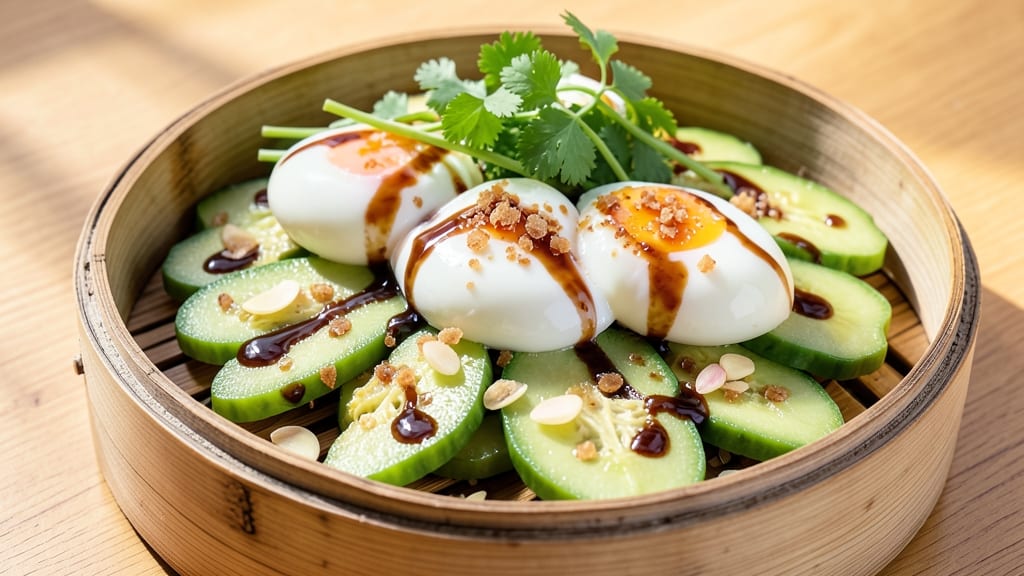
This Vietnamese bitter melon and egg recipe delivers the perfect balance of crispy fried eggs and bitter-sweet melon in every bite. The secret lies in stir-frying the melon just until tender—never mushy—while achieving that signature runny yolk and golden crust on the eggs.
I first discovered this dish at a Hanoi street market stall, where the vendor swore by the harmony of textures and flavors.
The magic happens when you properly prepare the bitter melon—peeling, slicing, and blanching it first to remove bitterness while preserving its signature crunch. A light soy sauce and garlic marinade enhances its natural flavor without overpowering the dish.
The eggs are fried to a crispy exterior while keeping the yolks perfectly runny, creating a luxurious contrast.
What you'll end up with is a dish that's both comforting and sophisticated—crispy fried eggs resting on tender bitter melon, all tied together with a savory-sweet sauce. The bitterness of the melon is beautifully balanced by the richness of the eggs and the umami from the soy and garlic.
It's the kind of dish that transforms a simple breakfast into a memorable meal.
Serve with steamed jasmine rice or fresh herbs for the complete Vietnamese experience. The crispy texture and bold flavors make this dish equally satisfying for brunch or a light dinner. Let's get cooking!
Ingredients for vietnamese bitter melon egg
Crispy eggs, tender melon, and savory-sweet balance—here's what you need for this Hanoi street market classic.
| Ingredient | Amount | Notes |
|---|---|---|
| Large Eggs 🥚 | 4 whole | Fresh, room temperature preferred |
| Bitter Melon 🍉 | 2 lb | Fresh, organic preferred |
| Light Soy Sauce 🥫 | ¼ cup | Vegan-friendly brand recommended |
| Garlic Cloves 🧄 | 4 cloves | Freshly minced for best flavor |
| Vegetable Oil 🫒 | ½ cup | High smoke point for frying |
| Brown Sugar 🍚 | 1 tbsp | Lightly packed for balance |
| Rice Vinegar 🍶 | 1 tbsp | White or seasoned preferred |
| Fresh Cilantro 🌿 | ¼ cup | Chopped, for garnish |
| Green Onions 🧅 | 3 whole | Sliced thin for garnish |
| Salt 🧂 | 1 tsp | Kosher or sea salt |
| Black Pepper 🌶️ | ½ tsp | Freshly ground |
| Jasmine Rice 🍚 | 2 cups | Uncooked, for serving |
| Sesame Oil 🫒 | 1 tsp | Toasted, for finishing |
The bitter melon is the star—look for firm, vibrant green ones at your local Asian market. Whole Foods or H Mart usually carry the best quality. If you can't find fresh, frozen works in a pinch (thaw and pat dry). The eggs? Room temperature makes all the difference for that perfect runny yolk. I always grab free-range eggs from the store—they fry up with richer yolks. Skip the pre-minced garlic packets too; fresh garlic adds depth the jarred stuff can't match.
No bitter melon? Substitute with zucchini or eggplant—they'll give you a milder flavor but similar texture. Running low on soy sauce? Coconut aminos or tamari work in a pinch, though the flavor will be slightly different. The brown sugar adds just enough sweetness to balance the bitterness—don't skip it. For extra crunch, toast the sesame seeds separately and sprinkle on top. And if you're feeling fancy, add a dash of chili flakes for heat (but trust me, the dish is bold enough without it).
Bitter melon keeps for about 5 days in the fridge—wrap it in paper towels to absorb moisture. The eggs? Use within 3 days for best texture. Cooked melon reheats beautifully—just toss with a little oil and pan-fry until crispy again. Store the cooked rice in an airtight container for 3 days or freeze for up to 3 months. Pro tip: Fry the eggs fresh when serving—they lose their crispiness when reheated. Leftovers? I always save them for fried rice the next day.
Why You'll Love This Recipe
- No Chopping Chaos: I swear, this recipe only needs a knife for the bitter melon—and even then, just slicing it in half. The rest? Garlic gets minced in seconds, eggs crack straight into a bowl, and you’re done. My lazy Sundays approve.
- Umami Bomb: That light soy sauce and garlic combo? It transforms the bitter melon from "eh" to "holy craving." The eggs soak up the flavor like sponges, giving you a dish that’s salty, savory, and just a little addictive. (Yes, even my picky husband asks for seconds.)
- Lunchbox Hero: Pack this for work or school—it reheats like a dream and keeps for days. The bitter melon stays slightly crisp, the eggs stay tender, and you’ll be the office snack savior. Honestly, I’ve sent this in containers more times than I can count.
- Pocketbook Performer: Bitter melon’s cheap, eggs are dirt cheap, and a little soy sauce stretches forever. This feeds four for under $5, and leftovers? They taste just as good cold the next day. My wallet and I both give it two thumbs up.
Step-by-step instructions for Vietnamese bitter melon and egg dish
Here's how to balance crispy fried eggs with bitter melon's unique flavor—simple steps for perfect texture every time.
Prepare the Bitter Melon for Cooking
Start by washing the 2 lb bitter melon thoroughly under cold water to remove any grit. Using a sharp chef's knife, carefully slice off both ends, then cut the melon lengthwise into halves. Scoop out and discard the spongy seeds with a spoon—this is where most of the bitterness hides. Now, slice the melon into ½-inch thick half-moons and set them aside in a colander.
Here's the thing—bitter melon releases water when cut, so pat the slices dry with paper towels. This prevents them from steaming in the pan instead of crisping up. I like to sprinkle them lightly with 1 tsp salt and ½ tsp black pepper right away, letting them sit for 10 minutes while you prep the rest. This draws out extra moisture and enhances their flavor.
Create the Sweet-Savory Marinade
In a small bowl, whisk together ¼ cup light soy sauce, 1 tbsp rice vinegar, 1 tbsp brown sugar, and 1 tsp sesame oil. This marinade cuts through the bitterness while adding depth. Pour it over the dried bitter melon slices and toss gently to coat evenly. Let them marinate for 15-20 minutes at room temperature—this ensures the flavors penetrate the melon without making it soggy.
While the melon marinates, mince the 4 cloves garlic cloves finely. I use the flat side of my chef's knife for this—it gives you more control than a garlic press. Set the minced garlic aside; you'll need it in just a minute. The garlic will add aromatic warmth that balances the dish's complex flavors perfectly.
Fry the Bitter Melon Until Crispy
Heat ½ cup vegetable oil in a large skillet over medium-high heat until it shimmers but doesn't smoke. Add the marinated bitter melon slices in a single layer, leaving space between each piece. Cook undisturbed for 3-4 minutes until the edges turn golden brown and the melon releases its aroma—this is your signal to flip carefully.
Flip the melon slices and cook another 2-3 minutes until both sides are crispy and slightly caramelized. If the oil starts smoking too much, reduce the heat slightly. Remove the melon to a paper towel-lined plate to drain excess oil. Here's where it gets fun—toss the cooked melon with the minced garlic and let it sit for 1 minute to absorb those aromatic flavors.
Fry the Eggs to Crispy Perfection
In the same skillet (no need to clean it—the fond adds flavor), increase the heat to medium-high and add 1 tablespoon vegetable oil. Crack the 4 whole large eggs into the hot pan, one at a time, spacing them evenly. Let them sit undisturbed for 2-3 minutes until the whites set but the yolks remain runny and the edges turn deep golden brown. This crispy edge is what makes this dish special.
Flip the eggs carefully and cook another 1-2 minutes until the whites are fully set but the yolks are still vibrant. The eggs should release easily from the pan when ready. Transfer them to a plate and tent loosely with foil to keep warm while you finish the dish.
Assemble and Garnish
Return the fried bitter melon to the skillet and stir in ½ cup chopped fresh cilantro and 3 sliced green onions. Cook for 30 seconds to wilt the greens slightly and release their fresh aroma. Divide the 2 cups cooked jasmine rice among serving plates, then arrange the crispy bitter melon and fried eggs on top.
Drizzle each serving with any remaining pan juices and a final touch of 1 tsp toasted sesame oil. The contrast of crispy eggs, tender melon, and fragrant rice creates the perfect balance of textures and flavors. Serve immediately while everything is hot and the eggs are at their best—each bite delivers that satisfying crunch followed by creamy yolk and slightly sweet melon.
Pro Tips For Making Vietnamese Bitter Melon Egg
- SEAR THE GARLIC FAST: Toss the minced garlic into the hot oil right after the bitter melon strips hit the pan—no waiting. I used to let it sit too long, and it’d turn bitter before the eggs even cracked. Get it golden in 30 seconds or less, then remove it immediately. That’s the difference between aromatic and burnt.
- SALT THE BITTER MELON: Sprinkle the raw bitter melon slices with a pinch of salt and let them sit for 10 minutes before cooking. This pulls out the bitter juices and softens the texture just enough. Skip this, and you’ll end up with a mouthful of bitterness instead of a balanced bite.
- CRACK EGGS IN HOT OIL: The oil should be smoking hot when you drop in the raw eggs—no testing with a drop of water. The high heat sets the edges instantly while keeping the center runny. I learned this the hard way after making scrambled eggs instead of soft-boiled ones twice.
- USE LESS SOY SAUCE: Start with just 1 tablespoon of light soy sauce, then taste as you go. The bitter melon and garlic already pack a punch, and too much soy can make the dish taste flat. Add it gradually—you can always add more, but you can’t take it out.
Common mistakes when making great vietnamese bitter melon egg
Overcooking the Melon
Bitter melon turns mushy and bitter when overcooked—this is the #1 mistake I see. The goal is tender-crisp, not soft. Cook the slices for only 3-4 minutes per side over medium-high heat.
Watch for golden edges, not color change. If you notice the melon releasing too much water, it's overdone. 🌶️
Pro tip: Remove melon from the pan immediately when edges crisp. Let it rest 2 minutes before adding eggs—this prevents soggy textures when combined.
Skipping the Blanching
Many home cooks forget to blanch the bitter melon first, which removes excess bitterness. I recommend a 30-second dip in boiling water before slicing. This step makes all the difference in flavor balance. Without it, the dish tastes harsh rather than complex.
For extra safety, wear gloves when handling raw bitter melon—it can irritate skin. Some markets sell pre-blanched melon; if available, use it to save time.
Using Cold Eggs
Room-temperature eggs are crucial for that perfect runny yolk. Cold eggs take longer to cook through and often release before the whites set properly. Take your eggs out of the fridge 30 minutes before frying or run them under warm water for 1 minute to bring them to temperature.
I've ruined countless eggs by skipping this step—don't make my mistake! The yolk should be vibrant orange and still slightly wobbly when done.
Overcrowding the Pan
Crowding the skillet causes steaming instead of crisping. The bitter melon needs space to develop those golden-brown edges. Cook in single layers with at least ½-inch gaps between slices. If you need to cook in batches, that's perfectly fine—just maintain consistent heat between batches.
Same rule applies to eggs: fry them one at a time in the same pan. The residual heat keeps the pan hot enough for perfect eggs without needing extra oil.
Ignoring the Marinade Time
The 15-20 minute marinade is non-negotiable for flavor balance. Rushing this step means the soy-garlic-vinegar mixture won't penetrate the melon properly, leaving it tasting flat. Let the melon sit at room temperature while marinating—cold melon absorbs flavors poorly.
Don't double the marinade either; the melon absorbs liquid quickly. You want it coated but not swimming in the sauce.
Wrong Oil Temperature
Too hot and the melon burns before crisping; too cool and it steams. The oil should be shimmering but not smoking—around 350°F. Use a thermometer if you're unsure. I've seen home cooks use low heat and end up with sad, limp melon slices.
For eggs, maintain medium-high heat throughout. If the pan isn't hot enough, the whites will cook before the yolks set properly.
Nutrition facts
Frequently asked questions about Vietnamese bitter melon egg dish
Why does bitter melon taste so bitter?
Bitter melon contains natural compounds called cucurbitacins that create its signature bitter flavor. However, the bitterness can be reduced by blanching (boiling briefly) before cooking and using the marinade of soy, vinegar, and sugar from the recipe. Younger, smaller melons tend to be less bitter than larger ones.
Can I make this dish ahead of time?
For best results, cook the bitter melon and eggs fresh when serving. The crispy texture softens when reheated, but you can prep components ahead: marinate the melon (up to 4 hours in fridge) and cook the rice (1 day ahead). Fry eggs just before serving to maintain that perfect runny yolk.
What's the best way to substitute bitter melon?
If you can't find bitter melon, try zucchini or eggplant—they provide a similar texture when cooked properly. For flavor, add 1 tsp lemon juice to the marinade to mimic bitterness. Avoid cucumbers—they're too mild and watery for this dish's structure.
How do I know when the eggs are cooked perfectly?
The eggs are done when the whites are fully set but the yolks remain vibrant orange and slightly wobbly. Look for deep golden-brown edges that release easily from the pan. The center should still jiggle gently when you shake the pan—this ensures that creamy texture we all love.
What sides pair well with this dish?
This dish shines with steamed jasmine rice, fresh herb salads, or pickled vegetables. For extra authenticity, serve with banh mi rolls or rice paper wraps. The crispy textures and bold flavors make it a complete meal on its own, but these additions balance the dish beautifully.