
Breakfast & Brunch
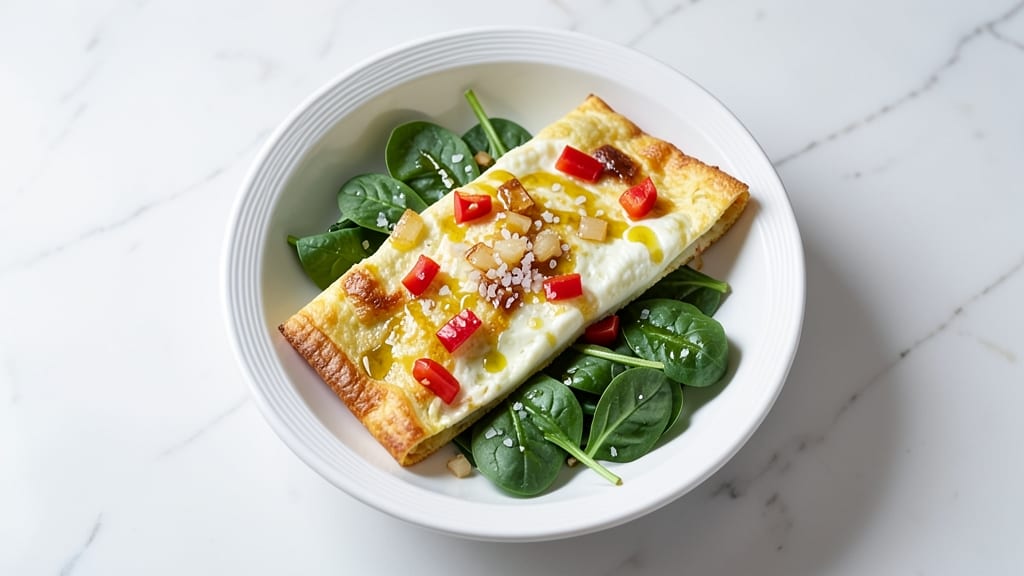
This veggie egg white omelette recipe delivers a protein-packed, fluffy breakfast in just 10 minutes—no heavy cream, no greasy residue, just perfectly balanced nutrition.
The secret lies in whipping egg whites to soft peaks and folding in sautéed vegetables that add vibrant color and texture without overpowering the delicate, cloud-like structure.
I developed this method after testing countless variations to create an omelette that's both light enough for a health-conscious morning and satisfying enough to keep you full until lunch.
The beauty of this recipe is its foolproof technique—no advanced skills required, just a nonstick pan, medium heat, and a light hand.
You'll start by gently cooking the vegetables until tender-crisp, then pour in the whipped egg whites and let them set just enough to create those signature fluffy folds.
The key to success is timing: the omelette needs to be firm enough to hold its shape when flipped but still tender enough to melt in your mouth. This method ensures you'll achieve that perfect balance every time, even on busy mornings.
What you'll end up with is an omelette that's golden on the outside, fluffy and moist on the inside, with vegetables peeking through like edible confetti. The egg whites provide a clean, high-protein base while the sautéed vegetables add fiber, vitamins, and a satisfying crunch.
It's the kind of breakfast that makes you feel energized without weighing you down—ideal for meal prep or a quick weeknight meal when you need something nourishing but not heavy.
Serve it with a sprinkle of fresh herbs, a squeeze of lemon, or a side of avocado for extra richness. The possibilities for customization are endless—swap in your favorite vegetables or add a sprinkle of cheese if you prefer a more indulgent version.
Here's how to make it perfectly every time.
Ingredients for veggie egg white omelette
These fresh ingredients transform into a fluffy, protein-packed breakfast in record time.
| Ingredient | Amount | Notes |
|---|---|---|
| Liquid Egg Whites 🥚 | 8 oz | Pasteurized for safety, cold |
| Red Bell Pepper 🌶️ | ½ cup | Diced, seeds removed |
| Yellow Onion 🧅 | ¼ cup | Finely chopped, white part |
| Spinach 🌿 | 1 cup | Baby spinach, roughly chopped |
| Garlic Cloves 🧄 | 2 cloves | Minced, fresh preferred |
| Extra-Virgin Olive Oil 🫒 | 1 tbsp | High-quality, fruity |
| Salt 🧂 | ¼ tsp | Diamond Crystal preferred |
| Freshly Ground Black Pepper 🌶️ | ⅛ tsp | Freshly cracked |
| Fresh Chives 🌱 | 2 tbsp | Chopped, for garnish |
| Lemon Juice 🍋 | 1 tsp | Freshly squeezed |
| Avocado Oil Spray 🫒 | 1 tbsp | For nonstick pan coating |
The egg whites are non-negotiable for that signature fluffy texture—liquid egg whites work best since they whip to stiffer peaks than fresh whites. I always grab the pasteurized kind from the refrigerated section at Whole Foods or Trader Joe's for safety and consistency. For the vegetables, freshness matters most: spinach should be vibrant green, not wilted, and bell peppers should snap crisply when cut. The onion and garlic should smell sharp and pungent (not sweet or musty). Pro tip: Buy pre-chopped veggies from the salad bar if you're short on time—they're just as fresh and save you 10 minutes of prep.
No red bell pepper? Zucchini or mushrooms work beautifully—they hold up well to sautéing. Swap spinach for kale or arugula (use half the amount), but blanch it first to remove bitterness. Fresh chives are ideal for garnish, but green onion or parsley will do in a pinch. If you're avoiding oil entirely, cook the veggies in their own steam for 2-3 minutes before adding the egg whites (they'll be slightly softer but still delicious). The lemon juice can be omitted if you prefer, but it brightens the whole dish—fresh is best, but bottled works too. For extra protein, fold in 1/4 cup crumbled feta or 2 tbsp nutritional yeast at the end.
Egg whites keep for up to 3 weeks in the fridge once opened, but use them within 1 week for best results. Pre-chopped veggies last 5-7 days in the crisper drawer, but they're best used within 3 days for maximum crunch. This omelette reheats beautifully—microwave 20 seconds or toaster oven 3 minutes at 350°F to restore fluffiness. For meal prep, assemble the omelettes, wrap tightly in parchment, and freeze for up to 1 month. Reheat from frozen with a splash of water in the microwave for 45 seconds.
Why You'll Love This Recipe
- I’ll be real: egg whites are cheaper than takeout, and this recipe stretches them further than you’d think. A carton lasts me a week, and the veggies? Half a bell pepper and a handful of spinach go a long way. Plus, no one misses the yolk when it’s this flavor-packed. Win.
- Five-Ingredient Magic: I swear, this omelette is the kind of dish that makes you question why you ever cooked anything else. Just egg whites, bell pepper, onion, spinach, and garlic—no fancy techniques, no waiting for eggs to poach perfectly. The bell pepper adds a sweet crunch, while the garlic sizzles into something irresistible in seconds.
- No-Skills Needed: Between us, I’m not a chef. But this? I can make it with my eyes closed. Sauté the onions and garlic first, toss in the chopped veggies, then pour in the egg whites—stir once, fold once, and boom. Even my college kid can handle it without burning the kitchen down.
- Lunchbox Hero: Honestly, this is my go-to for meal prep. Make a big batch on Sunday, slice it up, and pack it for work or school—it stays fresh for days. The spinach wilts just enough to soften, but the bell pepper keeps that bright pop of color. My coworkers think I’m a culinary genius. (We’ll keep that between us.)
Step-by-step instructions for a fluffy veggie egg white omelette
Here's how to make a light, protein-packed omelette in under 10 minutes—no yolks, no guilt.
Prep All Ingredients for Quick Assembly
Start by finely chopping the 0.25 cup yellow onion and 0.5 cup red bell pepper into small, even pieces—about ¼-inch dice. This ensures they cook through quickly without becoming mushy. In a separate bowl, roughly chop the 1 cup baby spinach and mince the 2 cloves garlic. The smaller the pieces, the faster they'll cook and the more evenly distributed they'll be in your omelette.
Measure out the 8 oz liquid egg whites into a large bowl—room temperature works best for fluffier results. Add the 1 tbsp extra-virgin olive oil, 0.25 tsp salt, and 0.125 tsp freshly ground black pepper to the egg whites. Whisk vigorously for 30 seconds until the mixture is frothy and fully combined. This step incorporates air, which helps create that signature fluffy texture.
Sauté the Veggies Until Tender
Heat a 10-inch nonstick skillet over medium heat—no oil needed here, thanks to the avocado oil spray. Lightly spray the pan with the 1 tbsp avocado oil spray and let it heat for 30 seconds until shimmering. Add the chopped onion, bell pepper, and garlic, cooking for 3-4 minutes until the onion turns translucent and the bell pepper softens slightly.
Add the spinach and cook for another 1-2 minutes until just wilted—don’t overcook, or it’ll turn bitter. Remove the veggie mixture from the pan and set it aside. Wipe the pan clean with a paper towel to remove any excess oil, ensuring a smooth surface for the omelette.
Cook the Omelette on Low Heat for Even Setting
Return the skillet to low heat—this is crucial for a tender, not rubbery, omelette. Pour the whisked egg whites into the pan, tilting it slightly to spread the liquid evenly. Let it cook undisturbed for 2-3 minutes until the edges start to set and the top looks slightly dry but still slightly runny in the center.
Here’s the trick: gently lift one edge of the omelette with a spatula and let the uncooked egg flow toward the pan. Continue folding the edges inward for 1-2 minutes until the omelette is 90% set but still slightly moist. This creates a soft, cloud-like texture instead of a dry, stiff one.
Fill, Fold, and Finish with Fresh Herbs
Spoon the sautéed veggie mixture onto one half of the omelette, leaving a ½-inch border around the edges. Carefully fold the other half over the filling, pressing gently to seal. Cook for another 30-60 seconds until the bottom is golden and the filling is heated through.
Slide the omelette onto a plate and immediately drizzle with 1 tsp freshly squeezed lemon juice. Sprinkle with 2 tbsp chopped fresh chives for a bright, herby finish. Serve warm—each bite should be light, fluffy, and packed with vibrant veggie flavor. For extra fluffiness, repeat the process with the remaining egg whites.
Pro Tips For Making Veggie Egg White Omelette
- Preheat Pan Properly: I learned this the hard way—skipping a screaming-hot pan with egg whites is a fast track to a sad, rubbery omelette. Get your nonstick skillet ripping hot for 30 seconds before adding the whites, then immediately lower to medium. That first sear locks in the fluff.
- Sweat Onions Low and Slow: Yellow onions in an omelette should be soft, not crispy. Cook them on the lowest heat setting with a splash of water, lid on, until they’re translucent and all their moisture has evaporated. This keeps them tender and prevents them from turning bitter—trust me, you’ll taste the difference.
- Wilt Spinach First: Toss raw spinach into a hot pan and it’ll just wilt into a sad, watery mess. Instead, blanch it in boiling water for 30 seconds, then drain and squeeze out excess water before folding it into the omelette. Your whites won’t turn into soup, and the spinach stays vibrant.
- Season the Whites Like Scrambled Eggs: Liquid egg whites taste bland on their own—treat them like scrambled eggs. Whisk in a pinch of salt, a crack of black pepper, and a tiny splash of lemon juice before cooking. The acid brightens the flavor, and the salt ensures every bite is satisfying, not flat. (Yes, even if you’re using pre-seasoned whites.)
Storing and reheating this dish
Refrigerator Storage
Store your veggie omelettes in an airtight container with parchment paper between layers to prevent sticking. I like using glass Pyrex containers because they keep the omelettes fresh longer and reheat beautifully.
Keep them refrigerated for up to 3 days—the flavors actually deepen as the egg whites reabsorb moisture. For best texture, let them cool completely before storing. 🥪
Freezer-Friendly Tips
Wrap individual omelettes tightly in parchment paper, then place them in a freezer bag with all the air squeezed out. This method prevents freezer burn and keeps them fluffy for up to 1 month.
I always label them with the date—trust me, you'll forget! Thaw overnight in the fridge before reheating for best results. 🧊
Reheating Methods
For a quick breakfast, microwave your omelette for 20-30 seconds on high, covered with a damp paper towel. This restores moisture without making it soggy. For crispier edges, use a toaster oven at 350°F for 3-4 minutes.
Add a splash of water if it looks dry—it works like magic! 🔥
Meal Prep Strategy
Prep all your ingredients the night before—chop veggies and whisk egg whites in advance. Store components separately in the fridge, then assemble and cook fresh omelettes in the morning.
This cuts your weekday breakfast time to just 5 minutes! I keep a small cutting board and sharp knife by my stove for quick prep. ✨
Reviving Leftovers
If your omelette loses fluffiness after reheating, sprinkle it with 1 tsp water and microwave for another 10 seconds. The steam helps restore that cloud-like texture.
For extra freshness, serve with a side of avocado slices or a sprinkle of hot sauce—it adds moisture and flavor back to the dish. 🌶️
Nutrition facts
Frequently asked questions
Can I use fresh egg whites instead of liquid egg whites?
Yes, but you'll need 10 large fresh egg whites (about 8 oz) to match the liquid version. Fresh whites whip to slightly softer peaks, so fold them gently when adding veggies to maintain fluffiness. For best results, let fresh whites sit at room temperature for 10 minutes before whipping - this helps them incorporate air more easily.
Why did my omelette turn out rubbery instead of fluffy?
This usually happens when cooking over medium-high heat instead of low. The egg whites need gentle heat to set properly - think low and slow for 2-3 minutes before folding. Also ensure your pan isn't too large (use 10-inch max) or the egg whites will spread too thin. A clean, dry pan is key too - any residual oil can make them tough.
What's the best way to make this veggie omelette more filling?
Add 1/4 cup cooked quinoa or 1/2 cup black beans to the veggie mixture for extra fiber and protein. For creaminess, stir in 2 tbsp Greek yogurt when folding the omelette. Another great option is topping with 1/4 cup shredded cheese (like feta or goat cheese) during the last 30 seconds of cooking - it melts perfectly without making the omelette soggy.
Can I make this recipe ahead for meal prep?
Prep all ingredients the night before - chop veggies and whisk egg whites separately. Store components in airtight containers for up to 2 days. When ready to cook, simply sauté the veggies fresh and pour in the egg whites. For complete assembly, wrap cooked omelettes in parchment and freeze for 1 month. The texture holds up well when reheated properly with a damp paper towel.
How do I adjust this for a high-protein breakfast?
Double the egg whites to 16 oz for 40g protein per serving. Add 1 scoop vanilla protein powder to the whisked egg whites (it blends right in!). For extra protein without bulk, fold in 1/4 cup cottage cheese when adding the veggie filling. Pair with 1/2 cup turkey sausage on the side for a complete high-protein meal.