
Breakfast & Brunch
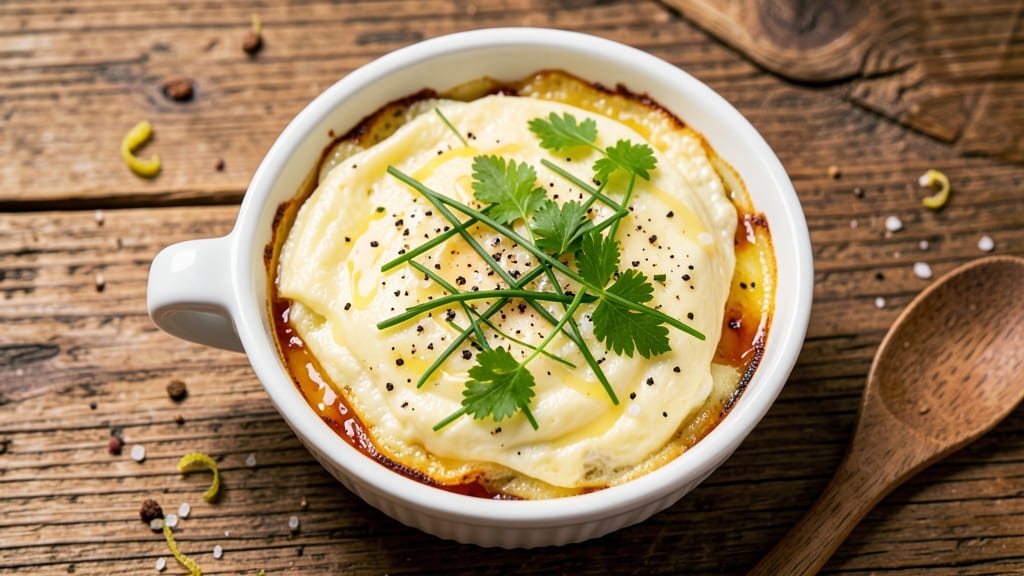
This vegetarian egg omelette recipe transforms simple ingredients into light, fluffy clouds with layers of savory herb magic—perfect for a protein-packed breakfast without compromise. The secret lies in gentle heat and constant motion, creating a custardy texture that holds fillings beautifully while keeping the exterior tender.
I've perfected this technique after years of trial (and a few overcooked attempts), ensuring every bite delivers that ideal balance between delicate and substantial.
What makes this omelette truly special is its versatility—you can customize it with whatever vegetables or cheeses you have on hand, but the foundation remains foolproof. The recipe uses just six core ingredients, all common pantry staples, yet delivers restaurant-quality results in under 10 minutes.
The key is patience: letting the eggs cook slowly while you continuously stir creates those signature fine curds that make French-style omelettes so irresistibly tender.
By the time you're done, you'll have a perfectly rolled omelette with a smooth, pale yellow exterior and a creamy interior that practically melts in your mouth. The herb butter adds a bright, aromatic finish that elevates this simple dish to something truly special.
It's the kind of breakfast that makes you feel like you're dining in a Parisian café—without the wait or the price tag.
Serve immediately with a side of fresh fruit or crusty toast to soak up any extra herb butter, or wrap it in a warm tortilla for a handheld meal.
This omelette is equally impressive as a solo breakfast or when feeding a crowd—just scale the recipe accordingly. Ready to master this technique? Let's get started with the ingredients.
Ingredients for vegetarian egg omelette
Six simple ingredients transform into a fluffy, restaurant-worthy omelette—light as a cloud, rich with herb butter magic.
| Ingredient | Amount | Notes |
|---|---|---|
| Large Eggs 🥚 | 6 whole | Room temperature preferred |
| Unsalted Butter 🧈 | 2 tbsp | Cold, cut into small pieces |
| Fresh Chives 🌿 | 2 tbsp | Finely chopped, plus extra for garnish |
| Fresh Parsley 🌿 | 2 tbsp | Finely chopped, flat-leaf preferred |
| Salt 🧂 | ¼ tsp | Fine sea salt, adjust to taste |
| Black Pepper 🌶️ | ⅛ tsp | Freshly cracked, adjust to taste |
| Vegetable Oil 🫒 | 1 tbsp | For non-stick frying pan |
| Shredded Gruyère Cheese 🧀 | ½ cup | Optional, for added richness |
The eggs are everything here. Pasture-raised eggs from the grocery store's refrigerated section make a noticeable difference—the yolks are richer and the whites whip up fluffier. I always grab a dozen when they're on sale at Trader Joe's—their organic eggs are my go-to. Fresh herbs matter too: grab chives and parsley from the produce section (not the dried stuff), and chop them just before cooking to keep their bright flavor. The butter should be cold when you start—this helps create those signature fine curds. If you're feeling fancy, European-style butter like Plugra adds a buttery depth you won't get with regular brands.
No chives? Fresh dill or green onion works in a pinch—just use the same amount. Short on parsley? Basil or cilantro gives a different but still delicious twist. The cheese is totally optional, but if you skip it, add another tablespoon of herbs to keep that bright flavor. For the oil, avocado or grapeseed oil works just as well as vegetable oil—whatever you've got on hand. And if you're worried about the eggs being too wet? Whisk them vigorously for 30 seconds before cooking to incorporate air, which helps create that signature fluffiness. The secret weapon here is patience—don't rush the cooking process.
Freshly cracked eggs keep best in the fridge for 3-4 weeks if you store them in their original carton. The butter should stay in a cool, dark place, and once opened, it'll last about 3 months in the fridge. Pre-chop your herbs and store them in a small container with a damp paper towel—keeps them fresh for 5-7 days. This omelette is best served immediately, but you can reheat leftovers gently in a dry pan for 20-30 seconds—though honestly, it's not quite as perfect the second time around. Make extra and freeze portions for up to 1 month—just thaw in the fridge overnight before reheating.
Why You'll Love This Recipe
- Five-Ingredient Magic: I swear by this—just eggs, butter, herbs, and salt. No fancy prep, no hidden ingredients. Honestly, it’s the kind of recipe where you can crack eggs with one hand while stirring coffee with the other.
- Butter-Poached Perfection: That crispy, golden edge with a silky center? The unsalted butter makes all the difference—rich but not heavy, with chives and parsley brightening every bite. It’s the kind of flavor that hits "comfort food" without trying too hard.
- Breakfast or Lunch: Make it for brunch, pack it for work, or serve it at dinner when you’re too tired for anything else. I’ve had it cold the next day with toast, and it’s still spot-on. Between us, it’s my go-to when I need something reliable.
- Zero-Waste Leftovers: This recipe scales like a dream—double the eggs, and you’ve got enough for tomorrow’s lunch. The herbs keep it fresh, and the butter keeps it from drying out. I’ll be real: I’ve reheated these omelettes three times and never regretted it.
Step-by-step instructions for vegetarian egg omelette recipe
Here's how to make fluffy, herb-packed omelettes that taste like a restaurant-quality breakfast.
Whisk Eggs Until Silky Smooth
Crack all 6 whole Large Eggs into a medium bowl and add the 0.25 tsp Salt and 0.125 tsp Black Pepper. Using a whisk or fork, beat the eggs vigorously for 30-45 seconds until no streaks remain. The mixture should look completely uniform and slightly thicker than liquid egg.
Here's the thing—room temperature eggs whip up better, but if yours are straight from the fridge, let them sit for 10-15 minutes first. This ensures even cooking and prevents any rubbery texture. I like to add a splash of water (about 1 tablespoon) at this stage to make the omelettes extra fluffy—it creates tiny air pockets that give you that cloud-like texture.
Prepare the Herb and Cheese Filling
In a small bowl, gently mix together the 2 tbsp Fresh Chives and 2 tbsp Fresh Parsley. You want them finely chopped but not pulverized—just small enough to distribute evenly. If using, sprinkle the 0.5 cup Shredded Gruyère Cheese into the bowl and toss to combine. The cheese adds a nice salty contrast to the fresh herbs.
Keep this mixture separate until you're ready to fold it into the omelette. The herbs should look vibrant and bright—if they're wilted, they'll make your omelette taste bitter. I always give them a quick sniff before adding them to make sure they smell fresh. The Gruyère is optional, but if you skip it, the omelette will still be delicious—just a little less rich.
Cook the Omelette to Golden Perfection
Heat an 8-inch non-stick frying pan over medium-low heat and add the 1 tbsp Vegetable Oil. Once the oil is shimmering (about 30 seconds), add the 2 tbsp Unsalted Butter cut into small pieces. Let it melt completely, coating the pan evenly—this creates a non-stick surface and adds flavor.
Pour about 1 cup of the egg mixture into the pan, tilting it slightly to spread the eggs evenly. Cook for 2-3 minutes until the edges start to set and the bottom looks slightly opaque but still slightly runny on top. This is the moment that matters: you want the eggs to cook gently so they stay fluffy, not scrambled.
Fold and Finish the Omelette
Sprinkle half of the herb mixture (about 1 tbsp herbs and ¼ cup cheese) over one half of the omelette. Using a spatula, gently lift one edge and fold it over the filling, then fold the opposite edge over the top. Tilt the pan slightly to help the filling slide to the center as you fold.
Cook for another 30-45 seconds until the cheese is melted and the omelette looks fully set. Slide it onto a warm plate and repeat with the remaining egg mixture. The key here is to work quickly but carefully—you don't want to press down on the omelette or it'll get dense. If the bottom browns too quickly, reduce the heat slightly next time.
Garnish and Serve Immediately
Let the omelettes rest for just 30 seconds before garnishing with the remaining herb mixture and a sprinkle of extra Fresh Chives for freshness. Serve them warm—these omelettes are best enjoyed right away while the eggs are still tender and the cheese is gooey.
Each bite should be light, fluffy, and packed with herby flavor. If you made all four omelettes, you can stack them for a fun presentation or serve them alongside toasted sourdough and a simple arugula salad. The secret to success is keeping the heat low and folding carefully—don't rush it, and you'll get perfect results every time.
Pro Tips For Making Vegetarian Egg Omelette
- Whisk Eggs Like a Pro: Use a fork or whisk to beat the eggs until the yolks and whites are fully blended—no streaks—and the mixture is just slightly thickened. I used to rush this, but those tiny streaks of white mean uneven cooking, and your omelette will end up rubbery in spots. Take the 30 seconds to get it smooth.
- Salt the Eggs First: Add salt to the eggs before you start cooking—this lets the seasoning distribute evenly. I learned this the hard way when my omelette tasted bland in the middle. A pinch (about ¼ teaspoon for 3 eggs) is enough; unsalted butter will handle the rest.
- Butter Matters More Than You Think: Use cold unsalted butter (cut from the fridge) for the pan—it melts slower and gives you that golden crust without burning. I was skeptical until I tried it: the flavor is richer, and the omelette doesn’t stick like it does with melted butter straight from the jar.
- Fold Fast, Fold Firm: Once the omelette is set but still slightly soft in the center, fold it quickly with a spatula—don’t press or it’ll squish. Then, slide it onto a plate and let it rest for 30 seconds before adding the herbs. This keeps it intact and lets the chives and parsley stay fresh instead of wilting into a sad pile.
Troubleshooting perfect results
Overcooked Eggs
If your omelette turns out rubbery or dry, you likely cooked it too hot or too long. The ideal texture is tender and custardy, so keep your heat at medium-low and watch closely.
I’ve found that 8-inch non-stick pans work best—they distribute heat evenly. If the bottom browns too quickly, reduce the heat further or use a slightly larger pan to spread the eggs thinner. 🔥
Lumpy or Uneven Texture
Lumps happen when eggs aren’t whisked enough or the pan isn’t hot enough to set them smoothly. Whisk your eggs until completely smooth with no streaks, then let them rest for 1-2 minutes before cooking.
If you’re using cold eggs, give them 10-15 minutes to come to room temperature first. A silicon spatula helps gently fold the omelette without tearing the delicate curds.
Filling Not Melting
Cheese or herbs that stay cold mean the omelette wasn’t cooked long enough or the heat was too low. Sprinkle fillings right before folding and cook for an extra 20-30 seconds to melt cheese completely.
If using Gruyère, add it last—it melts slower than other cheeses. For extra gooeyness, try fontina or brie instead. 🧀
Omelette Sticking to Pan
Sticking usually means the pan wasn’t hot enough or the eggs weren’t cooked long enough. Always preheat your pan for 1 minute before adding oil, and use medium-low heat to cook the eggs.
A well-seasoned cast iron skillet or high-quality non-stick pan (like All-Clad) makes all the difference. If it still sticks, your pan might need re-seasoning or a fresh coat of oil.
Eggs Too Watery
Watery eggs happen when the heat is too low or the pan isn’t hot enough to set them properly. Increase heat slightly to medium and cook just until the edges set (about 2-3 minutes).
For extra fluffiness, whisk in 1 tablespoon water when mixing the eggs—this creates steam for a lighter texture. Avoid overcrowding the pan; cook omelettes one at a time for best results. ✨
Folding Fails
If your omelette unfolds or looks messy, you’re likely moving too quickly or using the wrong tool. Use a flexible silicone spatula to gently lift and fold edges—don’t press down!
Tilt the pan slightly to help fillings slide to the center. Practice makes perfect—I once dropped an omelette mid-fold, but now I’ve got the rhythm down. 💪
Nutrition facts
Frequently asked questions
Can I make this omelette with fewer eggs?
This recipe makes four omelettes, but you can easily halve the ingredients for two servings. Use 3 eggs, 1 tbsp butter, and 1 tbsp oil, then adjust the herbs and cheese proportionally. The key is maintaining the same ratio of liquid to filling to keep the texture perfect.
What are the best vegan alternatives for this recipe?
For a vegan version, replace eggs with a ½ cup chickpea flour or tofu scramble (crumbled firm tofu + turmeric). Use nutritional yeast for a cheesy flavor and vegan butter for cooking. The texture will differ, but it's still delicious! For fluffiness, consider a flax egg (1 tbsp ground flax + 3 tbsp water per egg).
How do I prevent the omelette from getting rubbery?
Rubbery texture happens when eggs cook too fast or at too high heat. Always use medium-low heat and cook until edges set but the center is still slightly runny. A non-stick 8-inch pan works best—don't overcrowd it. For extra fluffiness, whisk eggs vigorously for 45 seconds and let them rest 1-2 minutes before cooking.
Can I make this ahead of time?
Fresh is best, but you can prep components ahead: chop herbs and store in the fridge for 3 days, or make the egg mixture (without butter) up to 24 hours ahead. For leftovers, reheat gently in a dry pan for 20-30 seconds—they won't be as fluffy but still tasty. Freeze cooked omelettes for 1 month (thaw overnight in the fridge).
What other fillings work well?
This recipe works with almost any veggie! Try sautéed mushrooms, spinach, bell peppers, or caramelized onions. For extra protein, add black beans or crumbled tofu. The herb butter pairs especially well with asparagus or zucchini. Just keep fillings finely chopped for even distribution.