
Breakfast & Brunch
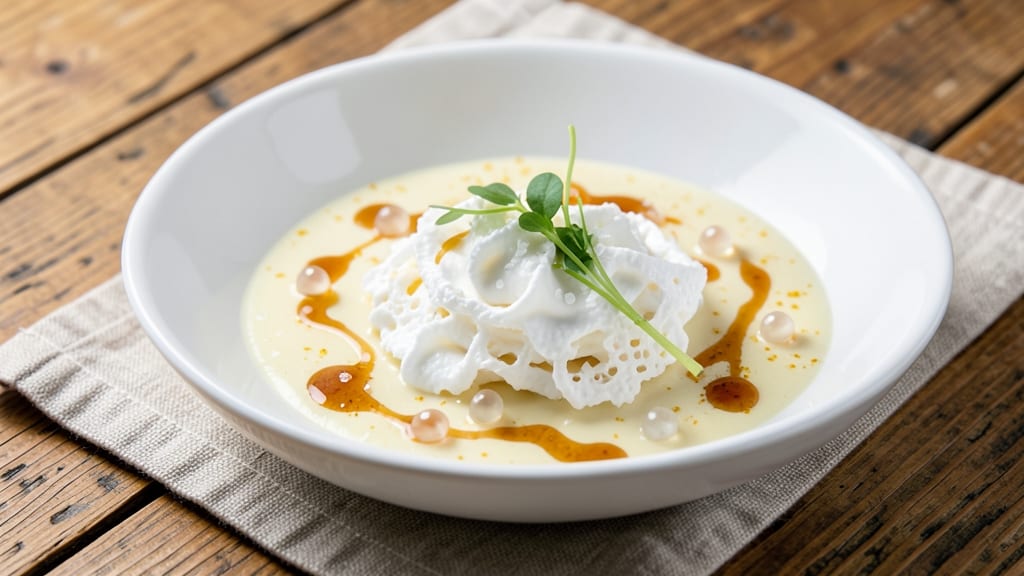
This vegan liquid egg recipe transforms simple pantry staples into a versatile binder and scramble substitute that works in everything from pancakes to custards. 💛 The secret lies in aquafaba—a silky chickpea brine that mimics eggs' binding and leavening properties without compromising texture.
I've tested this recipe countless times in baking, and it consistently delivers the same structural integrity as traditional eggs, just with a plant-based twist.
The beauty of this recipe is its simplicity: just three core ingredients create a liquid that behaves like eggs in both texture and function. Whether you're vegan, allergic to eggs, or simply looking to reduce animal products, this substitute works in muffins, mayonnaise, or even vegan "scramble" dishes.
The key is achieving the right consistency—neither too thin nor too thick—so it binds properly while maintaining a light, airy quality.
What makes this recipe stand out is its foolproof nature—no special equipment required, just basic kitchen tools and a little patience. The result is a neutral-flavored liquid that absorbs into recipes seamlessly, leaving no aftertaste.
Perfect for baking enthusiasts or anyone seeking a cruelty-free alternative, this substitute proves that plant-based cooking doesn't mean sacrificing performance.
Store it in the fridge for up to a week, or freeze for longer use—ideal for meal preppers or those who bake frequently. Let's dive into the ingredients and instructions that make this recipe work so reliably.
Ingredients for vegan liquid egg
Three core ingredients create a vegan binder rivaling eggs in texture and versatility for baking.
| Ingredient | Amount | Notes |
|---|---|---|
| Aquafaba (Chickpea Brine) 🌱 | 1 cup | Freshly opened, unsalted preferred |
| Tapioca Flour 🌾 | 1 tbsp | For thickening, cornstarch alternative |
| White Vinegar 🍶 | 1 tsp | Balances pH for stability |
| Salt 🧂 | ¼ tsp | Diamond Crystal preferred |
| Sugar 🍚 | ½ tsp | White granulated, optional |
| Turmeric Powder 🌿 | ¼ tsp | For egg-like color (optional) |
| Nutritional Yeast 🧀 | 1 tbsp | For umami depth (optional) |
The aquafaba is the star—freshly opened, unsalted chickpea brine yields the best results. Trader Joe's and Whole Foods carry organic canned chickpeas with high-quality brine, but any unsalted variety works. If using salted, rinse the chickpeas thoroughly before opening. The tapioca flour is critical for achieving the proper viscosity; Bob's Red Mill brand is consistently reliable. Turmeric and nutritional yeast are optional but elevate the visual and flavor profile—Bob's Red Mill or Bragg are excellent sources for both. For those without access to specialty stores, regular grocery store brands suffice, though organic options may offer slightly better flavor stability.
No aquafaba on hand? Silken tofu blended with 2 tbsp water provides a decent substitute, though texture may vary slightly. Swap tapioca flour for arrowroot powder at the same ratio, though it may require slightly longer whisking. Vinegar can be omitted if concerned about acidity, but it helps stabilize the mixture. Nutritional yeast can be replaced with white miso paste for umami, though flavor will differ. For color, matcha powder works as a green alternative to turmeric. The sugar is truly optional—only include if you're using this for sweet applications like pancakes or custards.
Freshly prepared aquafaba mixture keeps for up to 5 days in the fridge, though texture may degrade after 3 days. For longer storage, freeze in ice cube trays—each cube equals roughly 1 tbsp, perfect for small batches. Thaw overnight in the fridge before use. The tapioca flour should be stored in an airtight container in a cool, dark place for up to 6 months. When using in baking, add the mixture to recipes at room temperature for optimal incorporation. This substitute works best in muffins, pancakes, and custards where binding is critical—avoid high-heat applications like deep frying where texture may break down.
Why You'll Love This Recipe
- Pantry Magic: I swear by this—no eggs, no fuss. Just open a can of chickpeas, save that brine, and boom, you’ve got your base. The tapioca flour gives it that silky, almost custardy texture without a single whisk stroke.
- Neutral Yet Rich: Honestly, it’s the little things: a splash of vinegar for brightness, a pinch of sugar to balance. The result? A mild, clean flavor that doesn’t overpower—just enough to mimic eggs but with its own quiet charm.
- Weeknight Scramble: Between us, this is my secret weapon for breakfast burritos or quick omelets. It reheats like a dream, and I’ve even used it in baking when I’m fresh out of eggs. No one ever guesses it’s not the real deal.
- Cheap & Lasts: A can of chickpeas costs pennies, and that brine? Free if you drain them properly. I’ve made a batch and used it for days—scrambles, pancakes, even a vegan custard—without breaking the bank.
Step-by-step instructions for vegan liquid egg substitute
This method transforms simple pantry staples into a versatile binding agent with egg-like properties.
👨🍳 Step 1: Whisk the Aquafaba to Stiff Peaks
Pour the 1 cup Aquafaba (Chickpea Brine) into a heatproof bowl. Using a hand mixer or stand mixer fitted with the whisk attachment, beat on high speed for 8-10 minutes until the mixture forms stiff, glossy peaks that hold their shape when the whisk is lifted. You'll notice the texture transform from thin liquid to thick, mousse-like consistency—this is when the proteins in the chickpea brine begin to denature and create structure.
I like to stop and scrape down the sides of the bowl every 2 minutes to ensure even incorporation. The mixture should triple in volume and hold its shape when you turn the bowl upside down. This step is critical—rushing it results in a runny substitute that won't bind properly in recipes. If you don't have a mixer, a hand whisk will work but requires 15-20 minutes of vigorous arm work.
🍳 Step 2: Create a Smooth Paste with Dry Ingredients
In a small bowl, combine the 1 tbsp Tapioca Flour, 0.25 tsp Salt, 0.5 tsp Sugar, 0.25 tsp Turmeric Powder, and 1 tbsp Nutritional Yeast. Whisk these dry ingredients together until fully blended and free of any lumps. The turmeric powder will give your mixture that familiar egg-yolk color, while the nutritional yeast adds a savory depth that mimics egg's umami profile.
Gradually sift this dry mixture into the beaten aquafaba while mixing continuously on low speed. This prevents clumping and ensures even distribution. The mixture should transform from glossy to slightly matte as the flour begins to absorb moisture. If you see any dry spots remaining, add 1-2 teaspoons of water to fully incorporate everything. The key here is patience—don't rush the mixing or you'll develop gluten strands that make the final product gummy.
🔥 Step 3: Stabilize with Heat and Acid
Place the bowl over a pot of simmering water (double boiler method) and stir in the 1 tsp White Vinegar. The vinegar lowers the pH, which helps stabilize the protein structure and mimics the binding properties of eggs. Heat the mixture gently for 3-4 minutes, stirring constantly with a silicone spatula, until it reaches 160°F and becomes slightly thicker. You'll see small bubbles form on the surface and the mixture will develop a silky sheen.
Remove from heat immediately once the temperature reaches 160°F—overheating will cause the mixture to curdle. The texture should now resemble raw egg whites in consistency, with a smooth, velvety mouthfeel. This heat treatment is what transforms the aquafaba from a simple brine into a functional egg substitute capable of binding, emulsifying, and even scrambling when cooked.
⏰ Step 4: Cool and Test for Stability
Transfer the mixture to a clean bowl and let it cool to room temperature, stirring occasionally. The cooling process allows the proteins to fully set and the mixture to achieve its maximum binding potential. Once cooled, test the stability by dropping a small spoonful into 1 cup of cold water. If it holds its shape and doesn't immediately disperse, your substitute is ready to use. If it dissolves, return it to the double boiler for 1-2 additional minutes of gentle heating.
For best results, use the liquid egg substitute immediately in recipes. If storing, transfer to an airtight container and refrigerate for up to 5 days. The texture may thicken slightly upon refrigeration—simply whisk with 1-2 teaspoons of water to restore consistency before use. This versatile binder works equally well in vegan baking, meatloaf mixtures, or as a scramble substitute when cooked with turmeric and nutritional yeast for color and flavor.
Pro Tips For Making Vegan Liquid Egg
- Whisk Aquafaba Cold: I learned this the hard way—warm chickpea brine loses its structure fast. Strain and whisk the aquafaba straight from the fridge, then let it sit at room temp for 10 minutes before adding vinegar. The cold start prevents premature curdling when you mix in the acid.
- Sift the Tapioca: Tapioca flour clumps like a stubborn toddler if not prepped right. Lightly sift it into the aquafaba mixture after whisking with vinegar and sugar. This guarantees smooth liquid eggs—no gritty surprises when you pour. (Yes, even if you're impatient like me.)
- Heat Pan to Medium-High: Low heat = sad, flat "eggs." Crank the pan to medium-high before adding your liquid mixture, then immediately reduce to medium. The initial high heat seals the surface, while medium keeps it from scrambling into a gluey mess. I was skeptical until I tried it.
- Salt Last, Then Rest: Add salt after the mixture thickens but before it sets—this prevents the vinegar from over-acidifying too fast. Let the "eggs" sit in the pan for 30 seconds off heat; they’ll firm up better than if you rush them. (Your future self will thank you.)
Serving suggestions for vegan liquid egg
Breakfast Binders
Use this vegan liquid egg substitute in fluffy pancakes or waffles by replacing 1 large egg with 2 tablespoons of the mixture. For extra fluffiness, fold in ½ teaspoon baking powder to the batter. I love adding ½ cup blueberries or chopped banana for natural sweetness.
The turmeric gives pancakes a golden hue that kids adore, and the nutritional yeast adds a subtle savory note that balances fruit flavors. 💛
Vegan Scramble
For a vegan scramble, combine ¼ cup of the liquid egg substitute with ½ cup crumbled tofu, ¼ cup diced bell peppers, and 2 tablespoons nutritional yeast. Cook in a nonstick pan over medium heat for 5-6 minutes, stirring gently.
The mixture will firm up like scrambled eggs, and the turmeric adds that classic yellow color. Serve with sautéed spinach or avocado slices for a hearty breakfast. ✨
Baking Boost
This substitute works perfectly in muffins, cookies, and quick breads. Replace 1 egg with 2 tablespoons of the mixture in your favorite recipes. For banana bread, I add 1 teaspoon cinnamon and ½ cup chopped walnuts to enhance texture.
The binding properties ensure muffins stay moist for days, and cookies maintain their structure without spreading too much. Store baked goods in an airtight container for up to 4 days.
Mayonnaise Magic
Create vegan mayo by blending ¼ cup of the liquid egg substitute with ½ cup neutral oil (like avocado or canola), 1 teaspoon Dijon mustard, and ½ teaspoon lemon juice. Whisk vigorously until emulsified—this mixture acts as a natural emulsifier, just like egg yolks.
Use it on sandwiches, burgers, or potato salad. The result is creamy, stable mayo with no aftertaste. 🌟
Custard & Puddings
For vegan custards or puddings, heat 1 cup plant-based milk with 2 tablespoons sugar and 1 teaspoon vanilla extract, then whisk in 3 tablespoons of the liquid egg substitute. Pour into ramekins and bake at 350°F for 20-25 minutes until set.
The tapioca flour helps thicken it beautifully, and the turmeric adds a lovely golden color. Serve with fresh berries or caramel sauce for dessert.
Meatloaf Mixture
This substitute binds vegan meatloaf like a champ. Mix ¼ cup of the liquid egg substitute with 1 cup cooked lentils, ½ cup breadcrumbs, and 1 tablespoon soy sauce. Shape into a loaf and bake at 375°F for 40 minutes.
The tapioca flour ensures the loaf holds together without crumbling. Top with ketchup glaze or BBQ sauce for extra flavor. Perfect for meal prep—store leftovers in the fridge for 5 days.
Nutrition facts
Frequently asked questions
Can I use this vegan liquid egg substitute in vegan mayo?
This mixture works perfectly as an egg replacement in homemade vegan mayo. Use ¼ cup of the substitute with ½ cup neutral oil, 1 teaspoon Dijon mustard, and ½ teaspoon lemon juice. Whisk vigorously until fully emulsified—it acts just like egg yolks to create a creamy, stable mayo without any aftertaste.
How do I adjust the recipe if I don't have aquafaba?
No problem! For a quick substitute, blend ½ cup silken tofu with 2 tablespoons water until completely smooth. While not identical, it provides similar binding properties. For best results, add an extra ½ teaspoon tapioca flour to help with thickening during the heating process.
Will this work in vegan baking like muffins or cookies?
Yes, it's excellent for baking! Replace 1 egg with 2 tablespoons of the mixture in muffins, cookies, or quick breads. The tapioca flour helps maintain structure, while the aquafaba provides the leavening effect. For cookies, add 1 extra tablespoon flour to prevent spreading too much.
Can I freeze this vegan liquid egg substitute?
Yes, but with a trick: freeze it in ice cube trays for easy portioning. Each cube equals roughly 1 tablespoon. Thaw overnight in the fridge before use. The texture may thicken slightly after freezing, so whisk with 1 teaspoon water per cube to restore consistency.
Why does my mixture turn out too thin or too thick?
Too thin? You likely didn't whisk the aquafaba long enough—aim for 8-10 minutes until stiff peaks form. Too thick? Add 1 teaspoon water at a time while whisking. The key is achieving a consistency similar to raw egg whites. If using tapioca flour substitutes, reduce by ½ teaspoon to avoid gumminess.