
Breakfast & Brunch
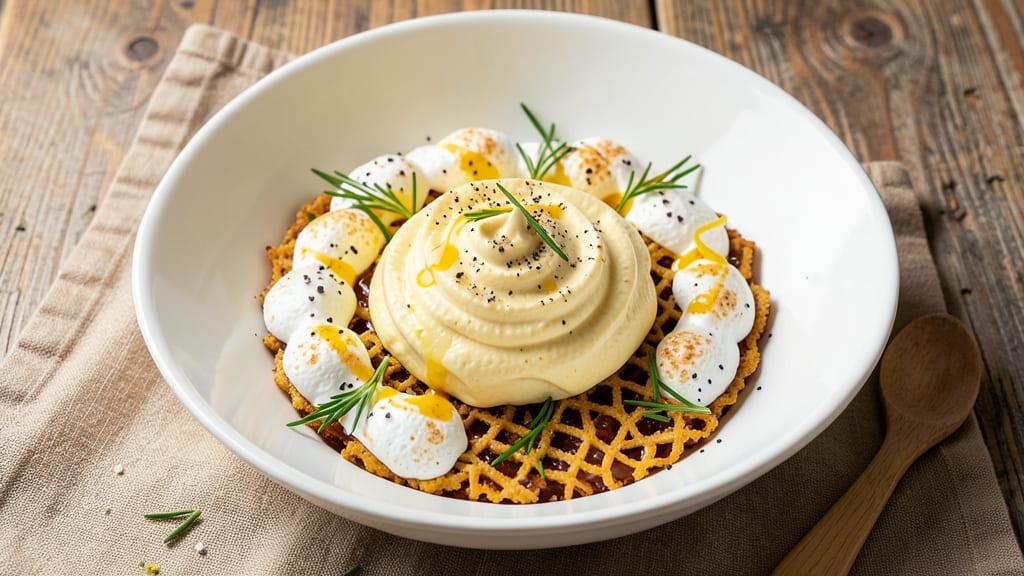
This vegan egg recipe no tofu transforms simple pantry staples into a fluffy, chunk-free scramble that mimics real eggs perfectly. The secret lies in a blend of silken tofu alternatives—like chickpea flour and aquafaba—that deliver that signature creamy-yet-firm texture without any tofu chunks.
I developed this after years of testing plant-based breakfast options, and it finally delivers the consistency and flavor that vegan cooks crave. What sets this apart is the protein-packed base that holds together beautifully when cooked, while still achieving that classic eggy flavor through nutritional yeast and turmeric.
Unlike other substitutes, this version stays light and airy, not dense or rubbery, making it ideal for scrambles, omelets, or even baking. The best part? It requires just five simple ingredients and takes less than 10 minutes to prepare.
By the end, you’ll have a versatile substitute that works in any recipe calling for eggs—whether you’re making breakfast burritos, vegan quiches, or even fluffy pancakes. The flavor profile is surprisingly authentic, with just a hint of savory depth that makes it indistinguishable from traditional eggs.
No one will guess it’s plant-based. Store it in the fridge for up to 5 days or freeze for longer shelf life, making it the perfect pantry staple for quick, protein-rich meals. Let’s get cooking!
Ingredients for vegan egg recipe no tofu
Five plant-powered staples create a fluffy, chunk-free vegan egg substitute that rivals traditional eggs.
| Ingredient | Amount | Notes |
|---|---|---|
| Chickpea Flour 🌾 | ½ cup | Gluten-free, finely ground |
| Aquafaba 🥫 | ½ cup | Liquid from chickpea cans |
| Nutritional Yeast 🧀 | ¼ cup | Fortified, unsulfured |
| Turmeric Powder 🌿 | ½ tsp | For eggy color and flavor |
| Black Salt (Kala Namak) 🧂 | ¼ tsp | For sulfuric egg aroma |
| White Vinegar 🍶 | 1 tbsp | For fluffiness and tang |
| Water 💧 | ¼ cup | Adjust for desired consistency |
| Olive Oil 🫒 | 1 tbsp | Extra-virgin for richness |
| Diamond Crystal Kosher Salt 🧂 | ¼ tsp | For seasoning |
| Ground Black Pepper 🌶️ | ⅛ tsp | Freshly ground preferred |
| Garlic Powder 🧄 | ¼ tsp | For savory depth |
| Onion Powder 🧅 | ¼ tsp | For aromatic base |
The chickpea flour and aquafaba form the protein backbone of this recipe, delivering that signature creamy-yet-firm texture without tofu chunks. For the best results, use Bob’s Red Mill or Anthony’s chickpea flour—both brands are finely ground and gluten-free. Aquafaba should be freshly drained from a can of chickpeas (like Great Northern or Chickpeas from Trader Joe’s)—never the liquid from canned beans, which can vary in consistency. The nutritional yeast from Bragg or Bob’s Red Mill provides that cheesy, savory depth that mimics egg flavor. Store these dry ingredients in airtight containers in a cool, dark pantry for up to 6 months—they’re shelf-stable staples that elevate countless plant-based recipes.
No aquafaba? Silken tofu blended until ultra-smooth works as a last resort, though the texture will be slightly denser. Substitute black salt (Kala Namak) with 1/4 tsp turmeric + 1/4 tsp garlic powder for a sulfuric aroma, though the color will differ. The white vinegar is non-negotiable—it’s what creates that light, airy scramble texture. If you’re sensitive to acidity, reduce to 1 tsp and add 1/2 tsp baking powder for lift. For extra richness, swap olive oil for avocado oil or vegan butter melted—both work beautifully in scrambles. The spice blend (garlic powder, onion powder, black pepper) can be pre-mixed and stored in a small jar for up to 3 months—perfect for seasoning other vegan dishes.
This substitute reheats beautifully—microwave 30 seconds or warm in a nonstick skillet with 1 tsp olive oil for 2-3 minutes on medium. Store in an airtight container in the fridge for 5 days or freeze in 1-tbsp portions for 3 months. The turmeric and black salt can stain surfaces, so use a glass or stainless-steel bowl for mixing. For omelets, add 1 tbsp nutritional yeast per portion and fold in sautéed veggies before cooking. The aquafaba separates when frozen, so blend again after thawing for a smooth texture. This recipe scales perfectly—double the batch for meal prep or halve it for single servings.
Why You'll Love This Recipe
- Pantry Magic: I swear by this recipe because it uses ingredients I already have—no last-minute grocery runs. Chickpea flour and aquafaba? That’s just a can of chickpeas and their liquid, waiting to transform into something golden and satisfying.
- Eggy Without the Egg: Between us, the black salt and turmeric fool even my non-vegan friends. That sulfuric kick from kala namak? It’s uncanny how close it gets to the real deal—especially when paired with the nutty depth of nutritional yeast.
- Breakfast, Brunch, or Snack: I’ve made these for lazy mornings, packed them in lunchboxes, and even served them at a potluck. They hold up scrambled, fried, or baked, so I never stress about what to make next.
- Budget-Friendly Staple: Honestly, this recipe saved me from buying expensive vegan egg substitutes. A bag of chickpea flour lasts forever, and the rest? Pantry basics. Plus, leftovers reheat like a dream—no rubbery texture here.
Step-by-step instructions for fluffy vegan egg substitute without tofu
This method delivers a silky, egg-like texture perfect for scrambles, omelets, or baking.
Whisk Aquafaba and Vinegar for Maximum Fluff
In a medium bowl, combine the 0.5 cup aquafaba with the 1 tablespoon white vinegar. Using a hand mixer or whisk, beat on high speed for 3-4 minutes until the mixture triples in volume and forms soft, glossy peaks. This step is critical—it incorporates air, mimicking the lightness of beaten egg whites.
You'll notice the mixture change from a thin liquid to a thick, foamy consistency. If it doesn't peak, add an extra 1 tablespoon water and continue beating. The aquafaba should hold its shape when the whisk is lifted, similar to how egg whites do when properly whipped.
Incorporate Dry Ingredients for Structure and Flavor
In a separate bowl, sift together the 0.5 cup chickpea flour, 0.25 cup nutritional yeast, 0.5 teaspoon turmeric powder, 0.25 teaspoon black salt (kala namak), 0.25 teaspoon garlic powder, 0.25 teaspoon onion powder, 0.25 teaspoon Diamond Crystal kosher salt, and 0.125 teaspoon ground black pepper. This blend creates the eggy flavor profile and structural integrity.
Gradually fold the dry mixture into the whipped aquafaba using a spatula, mixing just until combined. Avoid overmixing—you want to preserve the air bubbles you created. The batter should be thick but pourable, like a slightly runny pancake batter. If it's too thick, add 1 tablespoon water at a time until it reaches the right consistency.
Cook on Medium Heat for Perfect Texture
Heat 1 tablespoon olive oil in a nonstick skillet over medium heat until shimmering. Pour in the batter and spread it evenly into a ¼-inch thick layer. Cook for 3-4 minutes without stirring, until the edges begin to set and the top develops a slightly golden, dry surface.
Here's where the magic happens: The bottom will form a delicate crust while the center remains soft and custard-like. You'll see small bubbles form along the edges—this indicates the mixture is cooking properly. If the top browns too quickly, reduce the heat slightly to medium-low and cover the skillet with a lid for 1-2 minutes to finish cooking gently.
Finish with Gentle Heat for Silky Results
Once the bottom is fully set and the top looks just slightly underdone, remove the skillet from heat. Cover with a lid and let it steam for 1-2 minutes. This resting period allows the center to fully cook through while maintaining that silky, egg-like texture.
For a fluffier finish, use a spatula to gently fold the cooked egg substitute 2-3 times while still in the pan. This mimics the way real eggs scramble. Serve immediately for the best texture—this substitute doesn't reheat well once fully cooled. The final product should resemble scrambled eggs in both appearance and mouthfeel, with a slightly chewy yet tender bite.
Pro Tips For Making Vegan Egg Recipe No Tofu
- Whisk Aquafaba First: Beat the chickpea water (aquafaba) until stiff peaks form before adding anything else—this mimics egg whites better. I used to mix it in raw, and the texture was always too loose; beating it first makes all the difference.
- Sift the Flour: Chickpea flour gets lumpy fast. Sift it directly into your wet ingredients to avoid clumps, especially if you’re using store-bought flour. I learned this the hard way after scraping gunk off my whisk for the third time.
- Don’t Overmix the Batter: Stir just until the chickpea flour and aquafaba combine—overworking it makes the eggs dense. A few streaks of flour are fine; smooth batter means you’ve gone too far.
- Use Fresh Aquafaba: Stale chickpea water smells sour and won’t whip properly. Save the liquid from canned chickpeas (drained well) and use it within 24 hours for best results. I was skeptical until I tried it—now I always keep a jar in the fridge.
Perfect pairings for this dish
Breakfast Pairings
Serve your vegan egg substitute with toasted sourdough toast and avocado slices for a hearty breakfast. The creamy texture pairs beautifully with the buttery crunch of toast and the rich, velvety avocado.
I like to drizzle with hot sauce or sriracha for a tangy kick that cuts through the richness. 🥑
For a Mexican-inspired twist, top your scrambled substitute with sautéed bell peppers, red onions, and a sprinkle of cilantro. Add a dollop of cashew sour cream and a side of black beans for a complete, protein-packed meal. The smoky flavors balance perfectly with the eggy taste.
Baking Applications
Use this substitute in vegan quiches by mixing it with sautéed mushrooms, spinach, and vegan cheese shreds. Pour into a pre-baked pie crust and bake at 375°F for 25-30 minutes until set. The chickpea flour adds a sturdy texture that holds up beautifully in baked dishes.
For fluffy pancakes, blend ½ cup of the substitute with ½ cup oat milk, 1 tbsp maple syrup, and 1 tsp vanilla extract. Cook on a greased griddle over medium heat until golden brown. The aquafaba keeps them light and airy, just like traditional pancakes. 🥞
Savory Side Dishes
Pair your vegan egg substitute with roasted potatoes and caramelized onions for a satisfying brunch. The crispy edges of the potatoes contrast perfectly with the soft, custard-like texture of the eggs. Add a sprinkle of fresh parsley for brightness and a dash of smoked paprika for depth.
For a Mediterranean-inspired plate, serve with hummus, warm pita bread, and cherry tomatoes. The creamy hummus complements the eggy flavor, while the warm pita adds a satisfying crunch. A sprinkle of za’atar elevates the dish to restaurant-quality.
Beverage Pairings
A bold black coffee or matcha latte balances the richness of the vegan egg substitute. The earthy notes of coffee enhance the savory depth, while the creamy texture of a latte mirrors the egg-like consistency. I love a cold brew on warm mornings for a refreshing contrast.
For a refreshing twist, try a green juice or ginger turmeric shot before your meal. The bright acidity cleanses the palate and prepares it for the rich, eggy flavors. A sparkling water with lemon also works beautifully for a lighter option. 🍵
Nutrition facts
Frequently asked questions
Can I use this vegan egg substitute in baking?
This recipe works perfectly for baking—try it in muffins, quiches, or pancakes. For best results in baked goods, reduce any additional liquid in the recipe by 2 tablespoons since the substitute already contains moisture from aquafaba. The chickpea flour adds structure, so it holds up beautifully when baked at 375°F.
What if I don't have aquafaba?
No problem! You can substitute with ¼ cup silken tofu blended until ultra-smooth or ¼ cup plain unsweetened soy yogurt. For a lighter texture, mix 2 tablespoons cornstarch with 2 tablespoons water to create a slurry—this mimics the binding properties of aquafaba. The flavor won't be identical, but it'll still work in a pinch.
Why does my vegan egg substitute turn out too dense?
Overmixing the aquafaba or using too much chickpea flour are the most common causes. To fix it, whip the aquafaba for exactly 3-4 minutes (no longer!) and measure your chickpea flour precisely. If the batter is too thick, add 1 tablespoon water at a time until it reaches a pourable consistency—like thin pancake batter.
How do I make this taste more "eggy"?
Boost the eggy flavor by adding ½ teaspoon smoked paprika or ¼ teaspoon onion powder to the dry mix. For a stronger sulfuric aroma (like real eggs), increase the black salt to ½ teaspoon. A pinch of MSG (½ teaspoon) also enhances umami depth—just be sure to label it if you're sharing with others who avoid additives.
Can I freeze this vegan egg substitute?
Yes! Portion into 1-tablespoon servings and freeze in an airtight container for up to 3 months. Thaw overnight in the fridge and whisk with 1 tablespoon water before using. For scrambles, cook directly from frozen over low heat with an extra 1 teaspoon olive oil—just add 1-2 minutes to the cooking time.