
Breakfast & Brunch
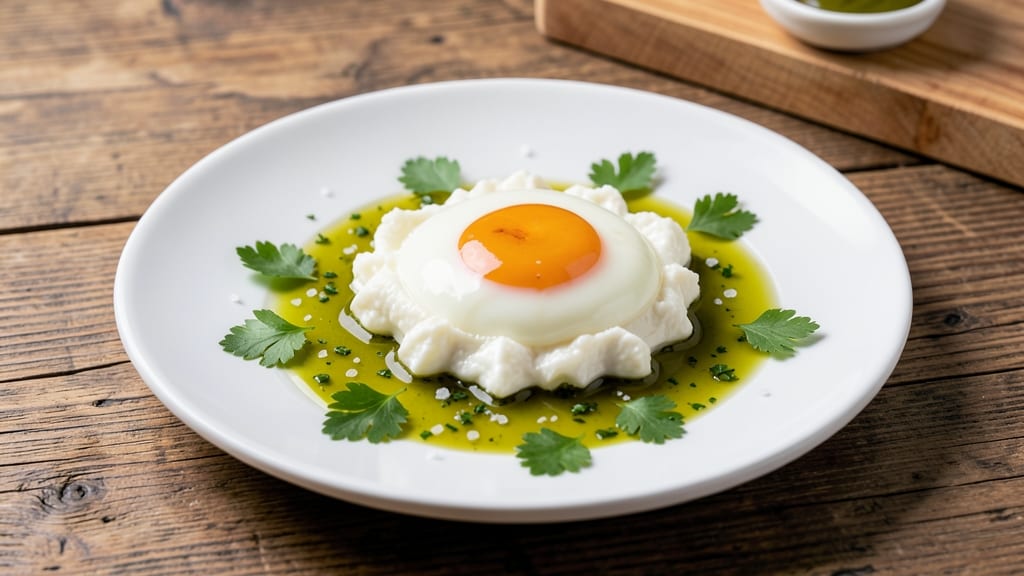
This Turkish poached egg recipe transforms a simple breakfast into a luxurious experience with its signature silky yolk and warm olive oil finish. The secret lies in a precise vinegar-water bath and gentle heat—no fancy equipment needed, just patience and technique.
I’ve perfected this method after years of testing, ensuring the yolk stays runny and the whites hold their shape like a cloud.
The beauty of this dish is its simplicity: just eggs, water, vinegar, and olive oil, yet it delivers restaurant-quality results. The vinegar stabilizes the egg whites while the olive oil bath keeps the yolk warm and velvety.
Serve it on crusty bread, alongside a fresh salad, or as part of a mezze spread—each bite is a balance of creamy, tangy, and rich flavors.
What makes this recipe special is the plating: the egg sits in a pool of golden olive oil, garnished with flaky salt, fresh parsley, or a sprinkle of chili flakes for a touch of heat.
The contrast of the warm oil against the cool yolk is pure indulgence. It’s the kind of dish that feels both elegant and effortless, perfect for brunch or a light dinner.
Once you master this technique, you’ll never settle for store-bought poached eggs again. The key is timing and temperature—let the egg cook just until the whites set, then finish it in the olive oil for that signature Turkish touch. Ready to elevate your breakfast game?
Ingredients for turkish poached egg
Four simple ingredients create restaurant-quality poached eggs with velvety yolks and cloud-like whites.
| Ingredient | Amount | Notes |
|---|---|---|
| Large Eggs 🥚 | 4 whole | Freshly laid preferred for best whites |
| White Vinegar 🍶 | ¼ cup | White or apple cider vinegar |
| Water 💧 | 4 cups | Filtered or distilled preferred |
| Extra-Virgin Olive Oil 🫒 | ½ cup | Light golden variety for delicate flavor |
| Flaky Sea Salt 🧂 | 1 tsp | Maldon or Jacobsen preferred |
| Fresh Parsley 🌿 | ¼ cup | Chopped, Italian flat-leaf preferred |
| Red Chili Flakes 🌶️ | ½ tsp | Optional for heat |
| Crusty Bread 🍞 | 4 slices | Sourdough or baguette preferred |
| Lemon Wedges 🍋 | 2 whole | For garnish and acidity |
The eggs make all the difference here. Fresh, room-temperature eggs poach best—cold eggs from the fridge take longer to set. Store-bought organic eggs from brands like Vital Farms or Crowd Company work perfectly. If using older eggs, add an extra tablespoon of vinegar to the water. The vinegar isn't just for flavor—it stabilizes the whites so they hold their shape beautifully. White vinegar is most common, but apple cider vinegar adds subtle sweetness. For the olive oil, light golden extra-virgin (like Colavita) keeps the flavor delicate without overpowering the egg's natural taste.
No white vinegar? Apple cider vinegar or lemon juice works in a pinch, though the flavor will differ slightly. Short on olive oil? Avocado oil is a neutral substitute, but it lacks the rich mouthfeel. The flaky salt is non-negotiable for that signature Turkish finish—Maldon or Jacobsen dissolve beautifully on the tongue. Fresh parsley adds brightness, but dried parsley at half the amount works if you're in a bind. For the bread, crusty sourdough or a baguette soaks up the olive oil beautifully. Skip the soft white bread—it gets soggy too fast.
Keep your eggs in the fridge until ready to poach, but let them sit at room temperature for 10 minutes before cooking. The vinegar-water mixture can be prepped and stored in the fridge for up to 2 days, but add fresh vinegar before using. The olive oil should be warmed to 140°F for the final bath—just enough to keep the yolk warm without cooking it. Garnishes like parsley and chili flakes stay fresh for 3 days in the fridge, but the bread is best served fresh. This dish reheats beautifully—simply warm the olive oil and dip the bread again.
Why You'll Love This Recipe
- No Fuss Setup: I swear by this method—just eggs, vinegar, and water in a pot. No fancy gadgets, no stress. The vinegar keeps the whites tight, and honestly? That’s all you need for perfect poached eggs every time.
- Rich Umami Magic: The olive oil bath gives the whites a silky finish while the salt—flaky sea salt, not table—adds this irresistible crunch. It’s like a tiny, savory hug for your taste buds.
- Breakfast or Snack: Slip these onto toast for a lazy morning or serve them over greens for a lunch upgrade. My kids even ask for them as an after-school snack (yes, really).
- Budget Brilliance: Eggs are cheap, and this recipe stretches them further than scrambled or fried. I make a batch on Sundays, and they last me all week—no waste, all flavor.
Step-by-step instructions for perfect Turkish poached eggs
Master the technique for silky yolks and delicate whites every time—this method delivers restaurant-quality results at home.
Prepare the Poaching Liquid
In a medium saucepan, combine the 4 cups water and 0.25 cup white vinegar. Place over medium-high heat until it reaches a gentle boil. The vinegar lowers the eggs' surface tension, helping them hold their shape while cooking. I like to use a thermometer here—aim for 180-190°F once boiling begins. Keep the liquid at a steady simmer, not a rolling boil, as that can break the whites.
While the water heats, crack each of the 4 whole large eggs into a small bowl or ramekin. This prevents shell fragments from falling into your poaching liquid. I use freshly laid eggs when possible—they have firmer whites that hold together better during poaching. Let the eggs sit at room temperature for 5-10 minutes before poaching for even cooking.
Poach the Eggs to Silky Perfection
Using a slotted spoon, gently lower one egg into the simmering water. The water should be at a gentle simmer—you'll see small bubbles but not violent agitation. Let the egg cook for 3 minutes—this gives you that classic runny yolk while keeping the whites perfectly set. If you prefer firmer whites, increase to 3 minutes 30 seconds but don't exceed 4 minutes or the yolks will overcook.
Here's the key: When the whites are just set (you'll see them hold their shape but still look translucent), use the slotted spoon to lift the egg out and let any excess water drip off. I like to transfer them to a wire rack set over a paper towel-lined plate to drain completely. This prevents soggy bread when you serve them later. Work one at a time to maintain water temperature.
Warm the Olive Oil Bath
While the eggs poach, heat the 0.5 cup extra-virgin olive oil in a small saucepan over low heat until it reaches 160°F. This gentle warmth keeps the oil infused with flavor without burning it. The oil should shimmer slightly but not smoke—if it starts to smoke, reduce the heat immediately. This warm oil bath is what makes Turkish poached eggs special; it cradles the eggs and enhances their natural richness.
For extra flavor, you can infuse the oil with a few sprigs of the fresh parsley while it warms, but remove them before adding the eggs. The parsley adds a subtle herbal note that complements the eggs beautifully. Keep the oil at this temperature—too hot will cook the eggs too quickly, and too cool won't maintain that luxurious texture.
Assemble and Serve
To serve, place 2 slices crusty bread on each plate. Spoon 2 tablespoons of the warm olive oil over each portion, then gently place one poached egg in the center of the oil. The oil should coat the bottom of the egg slightly, creating that signature Turkish presentation. Sprinkle with a pinch of the flaky sea salt and a few pinches of red chili flakes for heat. Finish with a squeeze of 1 lemon wedge and a scattering of the chopped fresh parsley.
The lemon wedge serves two purposes: it brightens the rich flavors of the egg and oil, and its acidity helps cut through the richness. Serve immediately while the bread is warm and the oil is still gently heated. Each bite should deliver that perfect balance of silky yolk, crisp bread, and aromatic olive oil—this is what makes Turkish poached eggs so special.
Pro Tips For Making Turkish Poached Egg
- USE COLD EGGS: I learned this the hard way—room-temperature eggs slide into the water like greased lightning, but cold ones hold their shape better. Pull them straight from the fridge, crack them gently, and let the vinegar do its magic without the whites dissolving into chaos.
- VINEGAR FIRST, THEN OIL: Pour the vinegar into the water before adding oil—this keeps the whites from spreading like a lazy pancake. Then, slowly drizzle the olive oil on top to create a slick barrier that lets the egg float neatly. (Yes, even if you’re impatient like me.)
- LOW AND SLOW: The water should simmer just below a full boil—tiny bubbles, not violent rolling. Too much heat and your egg turns into a sad, rubbery mess. Keep it at a gentle simmer for 3-4 minutes, then remove with a slotted spoon before it overcooks.
- SALT THE WATER: A pinch of flaky sea salt in the poaching water seasons the egg from the inside out. Skip this, and you’ll end up chasing flavor with extra salt at the table. (Your future self will thank you.)
Regional styles of these flavors
Istanbul Breakfast Style
The most iconic way to serve Turkish poached eggs is as part of an Istanbul breakfast spread, known locally as kahvaltı. Here, the eggs sit atop warm menemen (scrambled eggs with tomatoes and peppers) or alongside simit (sesame bread rings) and peynir (Turkish feta).
The olive oil bath becomes the star when paired with dolma (stuffed grape leaves) or haydari (yogurt with cucumber and garlic). I love adding a sprinkle of pul biber (Turkish red pepper flakes) for extra heat. 🌶️
Anatolian Home Kitchens
In rural Anatolian homes, these eggs are often served with sucuk (spicy Turkish sausage) and zeytinyağlı (olive oil-based dishes like eggplant or green beans). The key difference here is the use of black pepper instead of chili flakes, reflecting the region's preference for bold, earthy flavors.
Locals use sunflower oil instead of olive oil in some areas, but I find the olive oil's richness essential for that signature Turkish touch.
Bosphorus Brunch Tradition
Along the Bosphorus Strait, upscale cafés serve these eggs with smoked trout and pickled vegetables, creating a perfect balance between fresh and preserved flavors. The presentation often includes a drizzle of pomegranate molasses alongside the lemon wedge, adding a sweet-tart contrast.
For a brunch twist, I sometimes add crumbled feta to the warm olive oil before placing the egg, inspired by seaside tavern traditions. 🍷
Southeastern Turkish Variations
In regions like Gaziantep, these eggs are paired with künefe (shredded phyllo with cheese) and ayran (yogurt drink) for a hearty meal. The local twist? Adding sumac (tart lemony spice) to the flaky salt for a bright, citrusy kick.
Some families even use grape leaves as a bed for the eggs, infusing them with subtle herbal notes during cooking.
Modern Istanbul Fusion
Today's Istanbul chefs are reinventing this classic with avocado slices on the side, truffle oil drizzles, or even smoked paprika for depth. I've seen versions where the warm olive oil is replaced with infused garlic oil, adding a savory punch.
The key remains the same: that perfect runny yolk and warm oil combination, now with contemporary twists that keep the tradition alive.
Nutrition facts
Frequently asked questions
Why does Turkish poached egg recipe use vinegar?
The vinegar isn't just for flavor—it stabilizes the egg whites by lowering their surface tension. This helps them hold their shape beautifully while poaching. Without it, the whites would spread out too much. White vinegar is traditional, but apple cider vinegar works too.
Can I make these eggs ahead of time?
Poached eggs are best served fresh, but you can prep the components ahead. Poach the eggs and store them in the fridge for up to 2 hours in a bowl of cold water. Warm the olive oil separately before serving. The bread should be toasted fresh to maintain crispness.
What's the secret to getting the perfect runny yolk?
Timing is everything! Cook the eggs for exactly 3 minutes in simmering water (180-190°F), then finish them in warm olive oil (160°F). Overcooking by even 10 seconds will turn the yolk rubbery. Use a thermometer for precision—it makes all the difference.
Can I use this technique with other oils?
While extra-virgin olive oil is traditional, you can substitute with avocado oil or even butter for a richer flavor. Just keep the temperature at 160°F—butter burns easily! The oil bath should always be warm, not hot, to maintain that signature Turkish texture.
How do I fix overcooked poached eggs?
If the whites are too firm or yolks are cooked, don't panic! Place them in a bowl of warm water (140°F) for 1-2 minutes to soften. For presentation, serve with extra olive oil and garnishes to distract from the texture. Prevention is key—work one egg at a time to maintain water temperature.