
Breakfast & Brunch
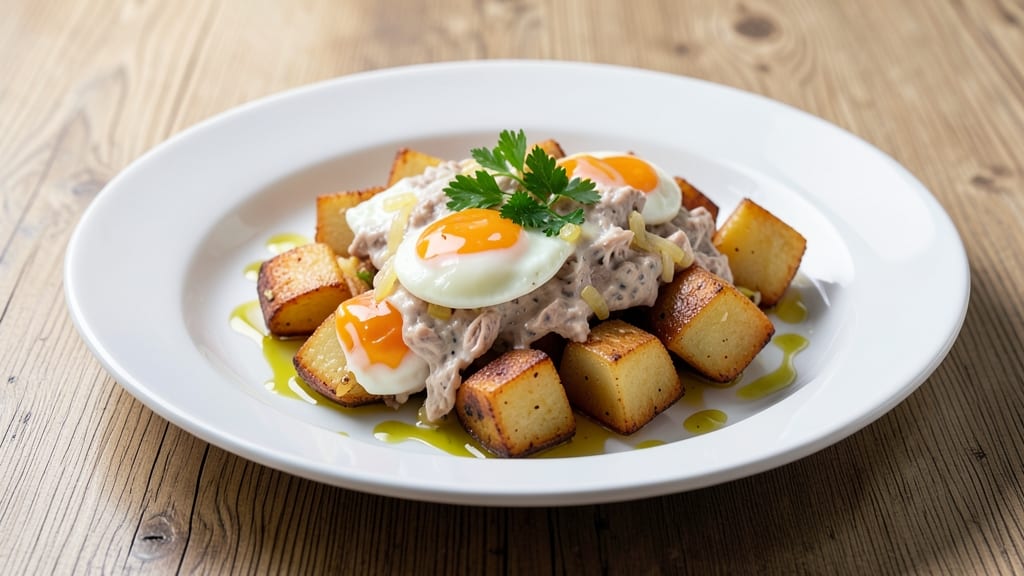
This tuna egg potato recipe transforms humble ingredients into a crispy, protein-packed hash that delivers restaurant-quality texture in your own kitchen. The secret lies in perfectly seared potatoes that develop a golden crust while keeping tender centers, paired with flaky eggs that melt into the dish like silk.
I developed this recipe during a particularly busy week when I needed a meal that was both satisfying and quick—this hash delivers on both counts without sacrificing flavor.
The magic happens in the cooking process: potatoes are par-cooked and then crisped in a hot skillet until they develop that irresistible caramelized edge, while the tuna adds a briny depth that balances the richness of the eggs.
What you'll end up with is a dish that's hearty enough for dinner but light enough for lunch, with every bite offering a satisfying contrast of textures—crispy potatoes, tender tuna, and velvety eggs. The best part? It comes together in just 30 minutes with minimal effort.
This recipe works as a standalone dish or as part of a larger meal—serve it with a simple green salad for a complete lunch or pair it with crusty bread for a satisfying dinner.
The flaky yolk magic happens when you crack the eggs directly into the hot skillet, letting them cook slowly and absorb all the flavors around them. It's the kind of dish that tastes even better the next day, making it perfect for meal prep or leftovers.
For those with dietary restrictions, this recipe can easily be adapted: swap the eggs for tofu scramble or chickpea flour "eggs" for a vegan version, or use smoked salmon instead of tuna for a different flavor profile. The versatility is what makes this dish a true crowd-pleaser. Let's get cooking!
Ingredients for tuna egg potato
Potatoes, tuna, and eggs—simple ingredients that transform into restaurant-worthy hash with crispy edges and flaky yolk perfection.
| Ingredient | Amount | Notes |
|---|---|---|
| Russet Potatoes 🥔 | 3 lb | Cut into 1-inch cubes, par-cooked |
| Canned Tuna in Water 🐟 | 2 cans | 5 oz each, drained well |
| Large Eggs 🥚 | 4 whole | Fresh, room temperature |
| Extra-Virgin Olive Oil 🫒 | ½ cup | For crisping potatoes |
| Unsalted Butter 🧈 | 2 tbsp | Cold, cubed for skillet |
| Yellow Onion 🧅 | 1 whole | Diced, medium size |
| Garlic Cloves 🧄 | 4 cloves | Minced, fresh preferred |
| Fresh Dill 🌿 | ¼ cup | Chopped, for brightness |
| Lemon Juice 🍋 | 1 tbsp | Freshly squeezed |
| Kosher Salt 🧂 | 1 ½ tsp | Diamond Crystal preferred |
| Ground Black Pepper 🌶️ | ½ tsp | Freshly cracked |
| Crusty Bread 🍞 | 4 slices | For serving, optional |
| Fresh Parsley 🌿 | ⅛ cup | Chopped, for garnish |
The potatoes are the foundation, so Russet potatoes are ideal—they crisp beautifully and stay fluffy inside. Trader Joe's and Whole Foods carry them year-round, but any russet-style potato works. Cut them into even 1-inch cubes for consistent cooking—smaller pieces crisp faster but may dry out. Par-cooking them in boiling water for 5 minutes jumpstarts the process, ensuring they're tender before hitting the skillet. For the tuna, Wild Planet or Vital Choice brands offer high-quality options, but any canned tuna in water will work—just drain it thoroughly to avoid a watery hash.
No fresh dill? Dried dill at one-third the amount works in a pinch, but fresh adds that bright, herby punch. Swap the tuna for smoked salmon if you prefer a richer flavor profile—just reduce the lemon juice to 1 teaspoon to balance the saltiness. The eggs are non-negotiable for that velvety texture, but if you're avoiding them, a tofu scramble can mimic the protein boost. For the olive oil, California Avocado Ranch or Bertolli are reliable choices—avoid heavily processed oils that can make the potatoes greasy. The butter adds richness, but if you're watching fat, olive oil only still delivers great flavor.
This hash reheats beautifully—store leftovers in an airtight container for up to 4 days in the fridge, or freeze for 2 months for quick meals. The eggs cook best fresh, so don't prep them ahead. For meal prep, focus on the potatoes and tuna mixture—keep them separate until ready to cook the eggs. Garnish with fresh parsley right before serving to keep it vibrant. The crispy edges soften when reheated, so enjoy it fresh for the best texture.
Why You'll Love This Recipe
- One-Pan Magic: I swear by this for nights when I’ve got nothing but a tired brain and a half-empty fridge. Toss those potatoes in the oven, fry the tuna and eggs in the same pan—no extra dishes, no stress. The only real work is slicing the potatoes, and honestly? That’s about it.
- Creamy Crunch Contrast: The crispy edges on those roasted Russets paired with the fluffy, buttery eggs and tender tuna? It’s the kind of combo that makes you pause mid-bite. I’ll be real: the first time I tried it, I ate half the pan before remembering I was testing a recipe.
- Lunchbox Hero: Between us, this is my go-to for meal prep—packs like a dream and tastes just as good cold the next day. Add a sprinkle of lemon zest or hot sauce, and suddenly you’ve got a lunch that feels fancy but costs next to nothing. My kids think it’s “gourmet,” and I’m not correcting them.
- Pantry Superstar: You’re looking at a recipe that won’t break the bank: canned tuna, eggs, and potatoes are about as budget-friendly as it gets. And the leftovers? They keep for days, reheat like a dream, and still taste like you put effort in. (Yes, even on a Tuesday night.)
Step-by-step instructions for tuna egg potato hash
Here's how to create a restaurant-quality hash with perfectly crispy potatoes, tender tuna, and silky eggs.
Par-Cook and Crisp the Potatoes
Start by par-cooking the 3 lb russet potatoes. Cut them into 1-inch cubes and boil in salted water for 8-10 minutes until fork-tender but not falling apart. Drain thoroughly and transfer to a single layer on a baking sheet.
Heat 0.5 cup extra-virgin olive oil in a large skillet over medium-high heat until shimmering. Add the potatoes in a single layer and cook for 15-20 minutes, stirring occasionally, until deep golden brown and crispy. Remove from heat and set aside—they'll stay warm while you finish the base.
Build the Flavor Base
In the same skillet (no need to clean it—those potato bits are flavor gold), melt the 2 tbsp cold unsalted butter over medium heat. Add the diced yellow onion and cook for 5-6 minutes until softened and translucent.
Stir in the 4 cloves minced garlic and cook for 30 seconds until fragrant. Add the 2 cans drained tuna, breaking it into small pieces with a wooden spoon. Sprinkle with 1.5 tsp kosher salt and 0.5 tsp ground black pepper, then toss to combine. Remove from heat and stir in 0.25 cup chopped fresh dill and 1 tbsp lemon juice.
Combine and Finish the Hash
Return the skillet to medium heat and add the crispy potatoes back to the tuna mixture. Toss everything together for 2-3 minutes until heated through and the flavors meld. The potatoes should be warm but still crispy—if they soften too much, they'll lose their texture.
Taste and adjust seasoning if needed. The hash should be seasoned well but not overwhelmingly salty. Transfer to a serving platter and keep warm while you prepare the eggs.
Cook Perfectly Runny Eggs
Bring a small pot of water to a gentle simmer. Crack the 4 large eggs into ramekins or small cups. Carefully lower them into the simmering water using a slotted spoon, making sure they're fully submerged. Cook for 3-4 minutes until the whites are set but the yolks remain completely liquid and jiggly.
Remove the eggs with a slotted spoon and drain on paper towels. The yolks should be vibrant and still runny when you cut into one—this is what creates the "flaky yolk magic" that makes this dish special.
Assemble and Serve
Divide the tuna potato hash among four plates, creating a generous base. Nestle one runny egg into the center of each portion. Garnish immediately with 0.125 cup chopped fresh parsley for brightness and serve with the 4 slices crusty bread on the side.
Encourage diners to dig in right away—the contrast between the crispy potatoes, tender tuna, and silky eggs is best enjoyed immediately. The runny yolks will create a luxurious sauce that coats every bite, tying all the flavors together perfectly.
Pro Tips For Making Tuna Egg Potato
- PARBOIL POTATOES FIRST: Russet potatoes take forever to cook through if you skip this step. Toss whole, unpeeled potatoes in boiling salted water for 8-10 minutes until a knife slides in easily—this cuts baking time by half and keeps them from turning to mush.
- DRAIN TUNA WELL: That canned tuna water is salty and watery—no one wants that in their dish. Rinse the drained tuna in a fine-mesh strainer, then press it gently with a paper towel to absorb any lingering liquid. Trust me, your eggs won’t get soggy.
- BAKE POTATOES UNTIL SOFT: Don’t pull them out at 20 minutes just because the recipe says so. A properly baked potato should yield to gentle pressure at the stem end—if it’s still firm, put it back in. Overcooked? They’ll fall apart when you try to slice them for the eggs.
- SALT THE POTATOES EARLY: Season the potatoes with salt before you bake them, not after. The skin absorbs flavor like a sponge, and salting halfway ruins the balance. Use about 1 teaspoon per pound of potatoes, and don’t skimp—they’ll taste bland otherwise.
Storing and reheating your tuna egg potato
Refrigerator Storage
Store your tuna egg potato hash in an airtight container for up to 4 days in the fridge. The potatoes and tuna mixture keep well, but the eggs are best cooked fresh—so assemble the dish right before serving.
I like using glass Pyrex containers with snap-on lids to maintain crispiness longer. Let the hash cool completely before sealing to prevent condensation, which can make the potatoes soggy. 🥔
Freezer Prep Tips
For longer storage, freeze the hash without the eggs—they won’t reheat well. Portion the tuna-potato mixture into quart-sized freezer bags, squeezing out excess air to prevent freezer burn. Label with the date and freeze for up to 2 months.
When ready to eat, thaw overnight in the fridge and crisp the potatoes fresh in a skillet over medium-high heat for 5-7 minutes. 🧊
Reheating Methods
For best texture, reheat the hash in a large skillet over medium heat with 1 tablespoon olive oil for 8-10 minutes, stirring occasionally. The potatoes will regain some crispiness, though not as much as fresh.
If using the microwave, cover with a damp paper towel and heat in 1-minute intervals on 70% power until warmed through. Add a splash of water if it looks dry. 🔥
Egg Reheating Hack
If you must reheat the eggs, place them in a steamer basket over simmering water for 2-3 minutes—this keeps the yolks slightly runnier than microwaving. For a quick fix, poach fresh eggs alongside the reheated hash to maintain that flaky yolk magic.
The contrast of warm hash and fresh eggs is a game-changer for leftovers. 🥚
Meal Prep Strategy
Prep the tuna-potato base ahead of time and store it separately from the eggs. When ready to cook, simply reheat the base, then top with freshly cooked eggs. This way, you get the best of both worlds: crispy potatoes and silky yolks every time.
I keep the eggs in the fridge in a small container until the last minute to ensure they’re at room temperature for perfect cooking. ⏰
Nutrition facts
Frequently asked questions
Can I use frozen potatoes for this recipe?
Fresh russet potatoes work best for that perfect crispy texture, but you can use frozen potatoes in a pinch. Thaw them completely first, then pat them very dry to remove excess moisture. Increase the crisping time by 3-5 minutes since frozen potatoes start with higher water content. The texture won't be quite as crispy as fresh, but it'll still be delicious!
What's the best way to make this dish vegan?
Swap the eggs for a tofu scramble (use firm tofu crumbled and sautéed with turmeric, nutritional yeast, and black salt for an eggy flavor). Replace the tuna with chickpeas or hearts of palm for a similar texture. Use vegan butter and ensure all other ingredients are plant-based. The crispy potatoes and vegan "egg" combo still delivers great texture!
Why are my potatoes turning out soggy instead of crispy?
Soggy potatoes usually happen from one of three issues: not draining them thoroughly after par-cooking, using too much liquid in the skillet, or cooking them at too low heat. Always pat potatoes completely dry after boiling, use just enough oil to coat the pan (about 0.5 cup for this recipe), and maintain medium-high heat while crisping. Stir occasionally to prevent sticking!
Can I make this recipe in a slow cooker?
This hash isn't ideal for slow cooking because it relies on high-heat crisping for the potatoes and precise egg timing. However, you can make just the tuna-potato base in a slow cooker on low heat for 2-3 hours (without the oil). Then crisp the potatoes separately in a skillet before adding the eggs. The flavors will be good, but you'll lose that signature crispy texture.
How can I adjust the recipe for a larger group?
Double or triple the recipe using the same ratios: 3 lb potatoes per 2 cans tuna and 1 egg per serving. Use two large skillets if needed to maintain even cooking. For 8 servings, you'll need 6 lb potatoes, 4 cans tuna, and 8 eggs. Keep everything in similar portions so the flavors balance properly.