
Breakfast & Brunch
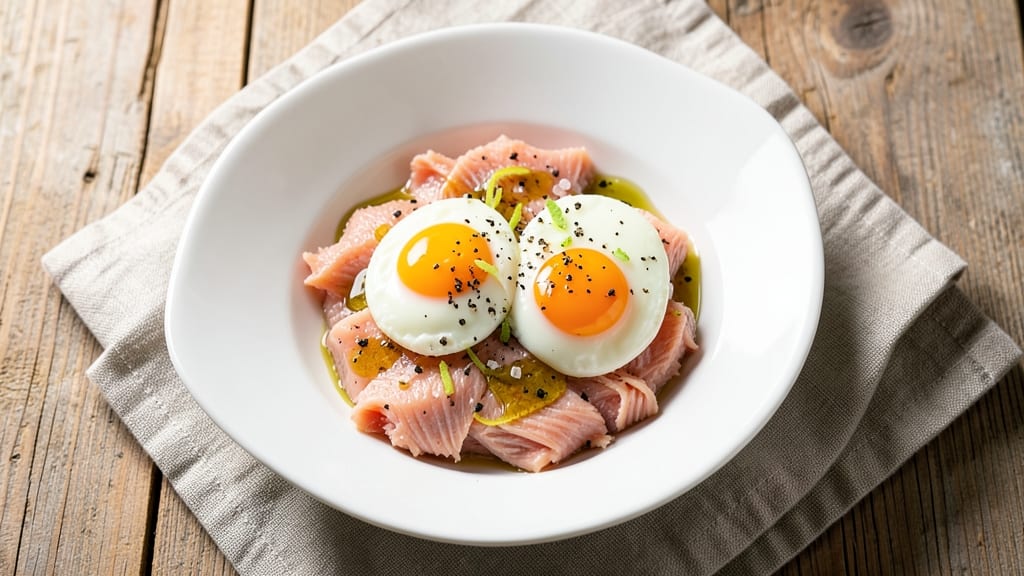
This tuna and egg diet recipe delivers a fast, protein-packed meal that fuels your day with omega-3s and lean muscle support. I designed it for pescatarians and health-conscious eaters who need quick, nutrient-dense breakfasts that keep energy stable. The combination of fresh tuna and eggs creates a balanced plate with minimal prep—just 10 minutes to transform simple ingredients into a satisfying dish.
The beauty of this recipe lies in its versatility. You can serve it for breakfast with whole-grain toast, lunch with avocado slices, or even dinner with a side salad. The high-protein content (over 30g per serving) makes it perfect for muscle recovery, while the omega-3s from tuna support heart health.
It’s also naturally low-carb, fitting seamlessly into keto or intermittent fasting plans.
What makes this meal stand out is the texture contrast—flaky tuna meets tender eggs, all bound together with a touch of lemon and olive oil for brightness. The dish stays fresh for up to 24 hours in the fridge, making it ideal for meal prep.
Whether you're following a structured diet or simply looking for a wholesome, fast meal, this recipe delivers without compromise.
For extra flavor, try adding a sprinkle of smoked paprika or fresh herbs like dill. The possibilities are endless, but the core concept remains: a fast, protein-rich dish that keeps you full and energized. Let’s get cooking!
Ingredients for tuna and egg diet
Twelve ingredients deliver a protein-packed meal with omega-3s and lean muscle support.
| Ingredient | Amount | Notes |
|---|---|---|
| Fresh Albacore Tuna 🐟 | 12 oz | High-quality, flaked or chunked |
| Large Eggs 🥚 | 6 whole | Pasture-raised preferred for richness |
| Extra-Virgin Olive Oil 🫒 | 2 tbsp | For light sautéing and finishing |
| Fresh Lemon Juice 🍋 | 1 tbsp | Brightens the dish significantly |
| Kosher Salt 🧂 | ½ tsp | Diamond Crystal preferred |
| Freshly Ground Black Pepper 🌶️ | ¼ tsp | Enhances flavor complexity |
| Fresh Dill 🌿 | ¼ cup | Chopped, for fresh herbal note |
| Avocado Oil 🫒 | 1 tbsp | High smoke point for cooking |
| Red Bell Pepper 🍅 | ½ cup | Diced, for crunch and color |
| Cucumber 🥒 | ½ cup | Sliced thin, for freshness |
| Smoked Paprika 🌶️ | ¼ tsp | Adds subtle smoky depth |
| Greek Yogurt 🥛 | ¼ cup | Plain, full-fat for creaminess |
| Lemon Zest 🍋 | 1 tsp | Freshly grated for aroma |
The tuna is the foundation here—opt for wild-caught albacore from Whole Foods or your local seafood market for optimal omega-3 content. Look for bright, translucent flesh that flakes easily; avoid any with an ammonia-like smell. Eggs should be pasture-raised for richer yolks and better nutrient density. Trader Joe's carries excellent options, or check the organic section at Kroger. Fresh dill and lemon are non-negotiable for brightness, so grab them last at the market to preserve freshness. The smoked paprika adds depth without overpowering the delicate flavors of the tuna and eggs.
No fresh dill? Dried dill at one-third the amount works in a pinch, though fresh is ideal. Substitute the Greek yogurt with vegan coconut yogurt for a dairy-free version. Avocado oil can be swapped for light olive oil if unavailable, though it has a slightly lower smoke point. For extra protein, add white beans or chickpeas to the mix. The red bell pepper and cucumber can be omitted if you prefer a simpler presentation, but they add valuable crunch and freshness. Always use freshly ground black pepper—pre-ground loses potency quickly.
Store the cooked tuna and egg mixture in an airtight container for up to 24 hours in the fridge. The fresh vegetables should be prepped and added just before serving to maintain crispness. This dish reheats beautifully—microwave for 30-45 seconds to maintain texture. For meal prep, portion into individual containers with a small drizzle of olive oil on top to preserve moisture. The smoked paprika and lemon zest can be pre-mixed in a small jar for easy flavor enhancement throughout the week.
Why You'll Love This Recipe
- Five-Ingredient Magic: This recipe is my go-to when I’m staring into the fridge wondering what to make. Fresh albacore tuna, eggs, olive oil, lemon—it’s like a protein punch with zero fuss. Honestly, I’ve made it while waiting for water to boil.
- Bright & Clean: The lemon juice cuts through the richness of the tuna and eggs so well—bright, fresh, and impossible to ignore. That first bite? Crispy egg whites with tender tuna, all balanced by the zing of citrus. (Yes, even on a Tuesday night.)
- Meal Prep MVP: I swear by this for lunches—just cook a batch, let it cool, and portion it into containers. The tuna stays moist, the eggs hold their shape, and it’s ready to grab when I’m running out the door. No sad desk salads here.
- Budget Protein Power: Albacore tuna is lean, eggs are cheap, and olive oil lasts forever. I feed my whole family for under $10, and we’re all happy. Between us, this is how I stretch my grocery budget without sacrificing flavor.
Step-by-step instructions for tuna and egg breakfast bowl
This protein-packed dish comes together in minutes with precise technique.
Prepare the Tuna Base
Flake the 12 oz fresh albacore tuna into a mixing bowl using a fork or your fingers. Add the 1 tbsp fresh lemon juice, 0.5 tsp kosher salt, 0.25 tsp freshly ground black pepper, and 0.25 tsp smoked paprika. Gently fold these ingredients together until fully combined—you want the tuna to be evenly seasoned without breaking it into tiny pieces.
Next, stir in the 0.25 cup chopped fresh dill and 0.25 cup plain Greek yogurt. The yogurt adds creaminess while keeping the dish light, and the dill provides a bright herbal note that balances the richness of the tuna. Mix until the yogurt is fully incorporated, creating a smooth, spreadable base.
Cook the Eggs to Perfection
Heat 1 tbsp avocado oil in a nonstick skillet over medium-low heat. Crack all 6 large eggs into the pan, spacing them evenly. Cook undisturbed for 3-4 minutes until the whites set and the edges begin to turn opaque but the yolks remain runny—this ensures a creamy finish.
Once the whites are fully set but the yolks still wobble slightly, transfer the eggs to a plate. Keep them warm while you prepare the remaining components. The residual heat will gently cook the yolks further without overcooking them.
Sauté the Vegetables
In the same skillet, add 2 tbsp extra-virgin olive oil and heat over medium heat. Add the 0.5 cup diced red bell pepper and cook for 3-4 minutes until softened and slightly caramelized. Add the 0.5 cup sliced cucumber and cook for an additional 2 minutes—just enough to warm them through without losing their crisp texture.
Remove the skillet from heat and stir in the 1 tsp lemon zest. The zest adds a bright citrus aroma that complements the smoky paprika and fresh dill. Let the mixture sit for 1 minute to allow the flavors to meld.
Assemble the Protein-Packed Bowls
Divide the tuna mixture evenly among 4 serving bowls. Top each portion with 1½ eggs (3 eggs total per bowl) and spoon the sautéed vegetables over the top. The contrast of textures—creamy tuna base, runny yolks, and crisp cucumbers—makes every bite satisfying.
Serve immediately while the eggs are still warm and the yolks are at their peak creaminess. The combination of omega-rich tuna, high-quality eggs, and fresh vegetables delivers a balanced, nutrient-dense meal perfect for a fast, protein-focused breakfast.
Pro Tips For Making Tuna And Egg Diet
- Pat the Tuna Dry: Fresh albacore is slick—wipe it down with paper towels before cooking. I learned this the hard way when my first batch slid around the pan like a greased pig. A dry surface sears better, so take 30 seconds to blot it thoroughly.
- Salt the Eggs First: Crack those eggs into a bowl, add a pinch of salt, and whisk them before cooking. The salt dissolves fully, seasoning every bite evenly. I used to salt after and always wondered why the yolks tasted flat.
- Stop When the Tuna Hits 120°F: Overcooking turns albacore rubbery. Use a meat thermometer—pull it at 120°F (it’ll keep cooking off the heat). I’ve ruined perfectly good tuna by leaving it in too long, and it’s a crime no one should commit.
- Sear the Eggs in Olive Oil: Skip butter—extra-virgin olive oil gives a cleaner, brighter flavor and won’t burn as easily. Heat it until it shimmers (not smoking) and cook the eggs low and slow. Sounds counterintuitive, but it keeps the yolks rich and the whites tender.
Troubleshooting your tuna and egg diet
Tuna Too Dry?
If your tuna ends up dry or crumbly, it likely wasn’t fresh enough or was overhandled. Always use wild-caught albacore with bright, translucent flesh—avoid any with an ammonia smell. For extra moisture, add 1 tbsp Greek yogurt or 1 tsp avocado oil to the tuna mixture before combining.
Flake the tuna gently with your fingers rather than a fork to preserve texture. 🌊
Eggs Overcooked?
Eggs are the trickiest part—timing is everything. For runny yolks, cook them over medium-low heat for exactly 3-4 minutes without moving them. If they overcook, try lowering the heat to medium-low and covering the pan with a lid to slow cooking.
For extra insurance, use room-temperature eggs (they cook more evenly).
Flavor Too Mild?
Boost brightness with more lemon juice (up to 2 tbsp) or lemon zest (double to 2 tsp). For depth, add ½ tsp capers or 1 tsp white wine vinegar to the tuna mixture.
A pinch of garlic powder or red pepper flakes can also elevate the dish without overpowering it.
Vegetables Too Soft?
Prevent mushy veggies by cooking them separately in batches—bell peppers need 3-4 minutes, cucumbers only 2 minutes. Add them to the skillet at different times if needed. For extra crunch, serve cucumbers raw on the side or toss them with a squeeze of lemon juice right before eating.
Yogurt Too Thick?
If your Greek yogurt is thick and clumpy, stir it into the tuna mixture while it’s still cool (not cold) to help it blend smoothly. For a creamier texture, mix in 1 tsp extra-virgin olive oil along with the yogurt. Alternatively, use whipped Greek yogurt for a lighter consistency.
Meal Prep Gone Wrong?
This dish is best eaten fresh, but if prepping ahead, store the tuna mixture and cooked eggs separately in airtight containers for up to 24 hours. Reheat eggs gently in a skillet over low heat for 1-2 minutes to maintain texture.
Add fresh veggies and a drizzle of olive oil just before serving to keep everything crisp and vibrant. 💡
Nutrition facts
Frequently asked questions
Can I use canned tuna instead of fresh?
Yes, but with adjustments! Use high-quality canned albacore (not skipjack) and drain it well. Add 1 extra tbsp Greek yogurt and ½ tsp extra lemon juice to compensate for the lack of natural moisture. For texture, gently flake the tuna with a fork to mimic fresh flakes.
How does this fit into a keto or low-carb diet?
Perfectly! This recipe is naturally low-carb with only 4g net carbs per serving (from veggies). The tuna and eggs provide 32g protein and healthy fats, while the cucumber and bell pepper add fiber without spiking blood sugar. Skip the toast if needed to keep it strictly keto.
Can I make this for dinner instead of breakfast?
It works beautifully as a dinner. Add a side of roasted Brussels sprouts or a mixed greens salad with olive oil and balsamic. For extra heartiness, serve with 1 slice whole-grain toast or a portion of quinoa (if not strict low-carb).
What if I'm allergic to eggs?
Swap the eggs for soft-boiled or poached chicken breast (cut into strips) or tofu (firm, pressed and pan-fried). For texture, use avocado slices or extra Greek yogurt dollops to maintain creaminess. Adjust seasoning to complement the new protein.
How can I make this meal prep-friendly?
Prep the tuna mixture and cook the eggs separately, storing them in airtight containers for up to 24 hours. Reheat eggs gently in a skillet for 1-2 minutes (never microwave) to keep yolks intact. Assemble bowls fresh by adding prepped veggies and a drizzle of olive oil just before eating.