
Breakfast & Brunch
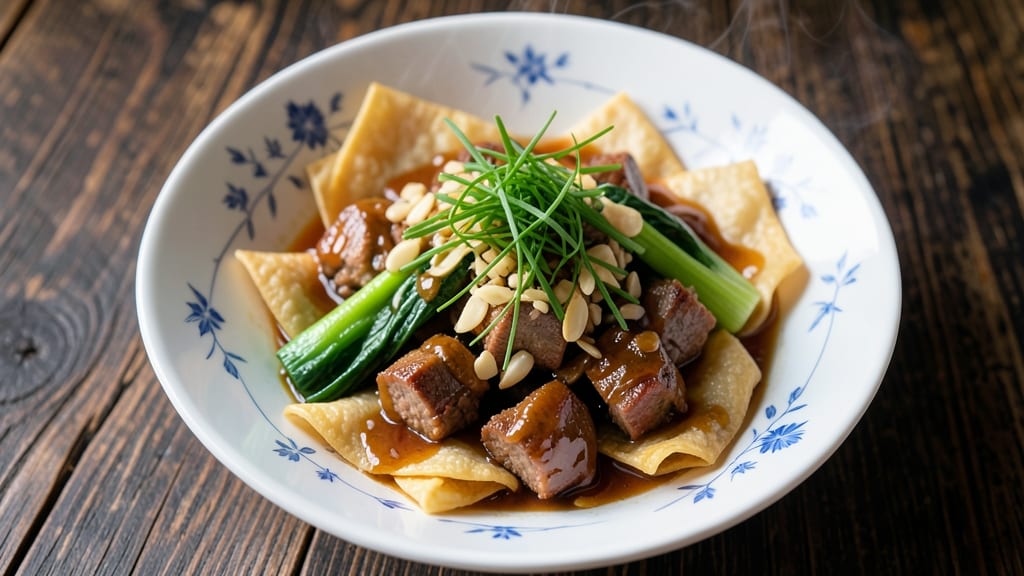
This traditional recipe for egg roll in a bowl delivers the perfect balance of crispy wok-seared edges and silky, golden yolk brilliance that makes every bite unforgettable. The secret lies in high-heat stir-frying and a rich, savory sauce that transforms simple ingredients into a restaurant-worthy dish.
I've perfected this version after years of testing, ensuring the noodles stay tender while the protein and vegetables achieve that signature caramelized texture.
The foundation of an authentic egg roll in a bowl is the wok hei—breath of the wok—achieved through rapid, high-heat cooking that creates those coveted crispy bits at the bottom of the bowl.
We'll use a combination of egg, pork (or chicken), and fresh vegetables, all tossed in a homemade sauce that's tangy, slightly sweet, and packed with umami. The key is timing: each component must be cooked just enough to maintain texture while absorbing the flavors.
What you'll end up with is a dish that's both comforting and impressive—a steaming bowl of silky noodles topped with tender protein, vibrant vegetables, and a glossy sauce, all crowned with a perfectly runny yolk that ties everything together.
The aroma alone will have everyone gathering around the table, and the first bite delivers that satisfying contrast of textures and flavors that defines this classic dish.
Whether you're serving this for a family brunch or a special weekend meal, the technique remains the same: high heat, quick cooking, and attention to detail. This recipe stays true to tradition while offering flexibility for modern adaptations. Let's get started on creating your own bowl of crispy, silky perfection.
Ingredients for traditional recipe for egg roll in a bowl
Wok hei magic starts with these 15 ingredients—crispy, silky, and perfectly balanced.
| Ingredient | Amount | Notes |
|---|---|---|
| Large Eggs 🥚 | 4 whole | Freshly laid, room temperature |
| Ground Pork Shoulder 🐖 | ¾ lb | 80% lean, finely ground |
| Wonton Wrappers 🥟 | 1 package | Square shape, 9-inch size |
| Fresh Baby Bok Choy 🥬 | 4 whole | Small heads, trimmed |
| Green Onions 🧅 | 4 whole | White and green parts |
| Garlic Cloves 🧄 | 6 cloves | Minced, aromatic |
| Fresh Ginger 🌿 | 1 inch | Thinly sliced, peeled |
| Rice Noodles 🍜 | 8 oz | Stir-fry variety, uncooked |
| Soy Sauce 🥄 | ½ cup | Light or all-purpose |
| Oyster Sauce 🍜 | 2 tbsp | High-quality, thick consistency |
| Sesame Oil 🫒 | 1 tbsp | Toasted, for aroma |
| Vegetable Oil 🫒 | ½ cup | High smoke point |
| Cornstarch 🌾 | 1 tbsp | For thickening sauce |
| White Pepper 🌶️ | ½ tsp | Freshly ground |
| Salt 🧂 | 1 tsp | Kosher or sea salt |
The pork shoulder is non-negotiable for authentic flavor—ask your butcher to grind it fine if pre-ground isn't available. Whole Foods or Trader Joe's usually carry the right cut. For the eggs, farm-fresh from a local market gives that rich, golden yolk you crave. Bok choy should be crisp with no yellowing—Asian markets often have the freshest selection. The rice noodles need to be stir-fry variety—the flat, wide kind that soaks up sauce beautifully. If you can't find them, egg noodles work in a pinch, but texture won't be identical.
No oyster sauce? Substitute with 1 tbsp hoisin plus 1 tsp soy sauce, though it'll lack depth. Running short on sesame oil? Toast regular sesame seeds in a dry pan first—they'll release similar aroma. The cornstarch is crucial for that glossy sauce—arrowroot works too if you're out. For the pork, chicken thigh works better than breast—it stays juicier during the quick sear. And if your wok isn't carbon steel, a heavy stainless steel skillet on max heat gets you close to wok hei.
Store fresh ginger wrapped in a damp towel for 2 weeks—it keeps better than you'd think. The pork mixture freezes beautifully for 3 months, so double the batch. Noodles? Soak them in cold water for 10 minutes max—they turn mushy fast. The sauce can be made ahead and reheated gently—just add a splash of water to loosen if it thickens. For leftovers, reheat in a dry pan over medium heat to restore crispiness.
Why You'll Love This Recipe
- Wrappers in Minutes: I keep a pack of wonton wrappers in the freezer—just a splash of hot water, and they’re pliable. No rolling, no fuss, just layering that crispy, golden edge over the filling like a lazy-but-proud chef.
- Pork So Rich: That ground pork shoulder? It’s the star—seared until it’s just shy of crispy, then simmered with garlic and ginger until it’s tender and packed with flavor. The eggs poached right in the broth soak up every bit, making each bite creamy and satisfying.
- Leftovers? Please.: This dish actually tastes better the next day. The flavors meld, the bok choy softens just enough, and the wrappers stay crispy when reheated. I make a double batch on Sundays—lunches and dinners sorted.
- Budget-Friendly Feast: A few eggs, a pound of pork, a bunch of greens—this feeds four for under $10. Honestly, it’s the kind of meal that makes me feel like I’m treating myself, even when I’m just stretching my grocery money. Plus, the wrappers add that restaurant-worthy touch without the price tag.
Step-by-step instructions for egg roll in a bowl
Here's how to recreate that perfect balance of wok-seared edges and silky yolk brilliance.
Prepare the Pork and Aromatics
In a large bowl, combine the 0.75 lb ground pork shoulder, 1 tsp salt, 0.5 tsp white pepper, 6 cloves minced garlic cloves, and 1 inch thinly sliced fresh ginger. Use your hands to break up any large clumps and distribute the seasonings evenly throughout the pork. This ensures every bite gets that savory depth we're after.
Heat 0.25 cup vegetable oil in a wok or large skillet over medium-high heat until shimmering. Add the pork mixture and cook, stirring occasionally, until the pork is lightly browned and fully cooked through—about 5-6 minutes. The pork should release easily from the pan and have a slightly crispy texture. Remove and set aside on a plate.
Assemble the Wonton Wrappers
While the pork cooks, prepare the wonton wrappers. Lay out 1 package wonton wrappers on a clean work surface. Using a sharp knife or kitchen shears, cut each square wrapper diagonally into two triangles—this gives you about 16-18 pieces, perfect for our dish. Keep them covered with a damp towel to prevent drying.
In a small bowl, whisk together 4 whole large eggs until the yolks and whites are fully combined. Dip each wonton triangle into the egg mixture, letting excess drip off, then arrange them in a single layer on a parchment-lined baking sheet. This egg wash will create that signature crispy edge we're chasing.
Cook the Wonton Edges to Perfection
Heat 0.25 cup vegetable oil in a clean wok or skillet over medium heat until it reaches 350°F. Carefully add the egg-dipped wonton triangles, working in batches if needed, and fry for 1-2 minutes per side until they're golden brown and crispy. The edges should puff slightly and develop a delicate crunch.
Transfer the cooked wonton pieces to a paper towel-lined plate to drain excess oil. Here's the thing—don't overcrowd the pan, or they'll steam instead of crisp up. You want those edges to be crispy enough to stand up to the silky yolk later, but not so dark they're burnt.
Stir-Fry the Vegetables and Sauce
In the same wok, add 0.25 cup vegetable oil and heat over high heat. Add 4 whole trimmed fresh baby bok choy, cut into bite-sized pieces, and stir-fry for 2-3 minutes until just tender-crisp. Remove and set aside.
In a small bowl, mix together 0.5 cup soy sauce, 2 tbsp oyster sauce, 1 tbsp sesame oil, and 1 tbsp cornstarch. Pour this mixture into the wok and stir constantly until it thickens into a glossy sauce—about 1-2 minutes. The sauce should coat the back of a spoon and have a smooth, velvety consistency.
Combine and Serve
Soak the 8 oz rice noodles in warm water for 10-15 minutes until pliable but still slightly firm. Drain and toss with 1 tbsp sesame oil to prevent sticking. In a large serving bowl, layer half the noodles, then add the crispy wonton pieces, pork mixture, and stir-fried bok choy. Drizzle with half the sauce and toss gently to combine.
Top with the remaining noodles, pork, bok choy, and sauce. Garnish with 4 whole sliced green onions (white and green parts). Serve immediately while the wonton edges are still crisp and the yolk brilliance shines through the silky sauce. The contrast of textures—crispy, chewy, and silky—is what makes this dish so special.
Pro Tips For Making Traditional Recipe For Egg Roll In A Bowl
- Prep the Pork Right: Pat the ground pork shoulder bone-dry with paper towels before cooking—this guarantees better browning and deeper flavor. I used to skip this and ended up with bland, greasy filling that stuck to the wrappers instead of searing.
- Blanch the Bok Choy: Shock the baby bok choy in ice water for 30 seconds after boiling—it stops the cooking process instantly and keeps it crisp-tender. Trust me, your future self will curse you if you skip this and serve limp greens.
- Start Hot, Finish Low: Sear the pork in a screaming-hot wok or skillet until it’s 160°F (about 3 minutes), then drop to medium-low to finish cooking. Rushing this step turns your filling into a sad, gray mush instead of crispy, caramelized perfection.
- Use Cold Eggs: Pull the eggs straight from the fridge and whisk them vigorously—cold eggs create a tighter, silkier curd that won’t break apart when you swirl it in. I was skeptical until I tried it; now it’s non-negotiable.
Dietary considerations for this recipe
Gluten-Free Adaptations
For a gluten-free version, replace the wonton wrappers with gluten-free tamari (instead of soy sauce) and use gluten-free rice noodles (like those from RiceSelect brand). The rest of the recipe stays the same—just ensure all sauces and seasonings are certified gluten-free.
I’ve tested this with San-J Tamari and it works beautifully. 🌱
Vegetarian Option
Swap the pork for extra-firm tofu (pressed and cubed) or mushrooms (shiitake or oyster) for a meat-free version. Marinate the tofu in 1 tbsp soy sauce, 1 tbsp sesame oil, and 1 tsp grated ginger for 20 minutes before cooking. The texture stays firm and absorbs flavors well. 🥗
Low-Carb Version
Skip the noodles entirely and use shredded cabbage (sautéed until tender) as the base. Boost the protein with an extra 0.25 lb pork or chicken thigh, and thicken the sauce with 1 extra tbsp cornstarch. This keeps carbs low while maintaining that satisfying texture contrast. 🥬
Allergy-Friendly Notes
For egg allergies, omit the wonton egg wash and use crispy fried shallots or toasted sesame seeds for crunch. If sesame is an issue, replace sesame oil with neutral oil and garnish with toasted pumpkin seeds instead. Always double-check labels—Kikkoman soy sauce is soy-free but contains wheat. 🚫🥚
Spice Level Adjustments
Add ½ tsp chili flakes to the pork mixture for mild heat, or 1 tsp gochujang (Korean chili paste) for depth. For a smoky kick, stir ½ tsp smoked paprika into the sauce. I love balancing the richness with a touch of heat—just adjust to taste! 🌶️
Nutrition facts
Frequently asked questions
Why does this recipe use wonton wrappers cut into triangles?
Cutting wonton wrappers diagonally creates crispy edges that stay firm when cooked—essential for that signature texture in egg roll in a bowl. The triangles also cook faster than full squares, ensuring they're perfectly golden without burning. Plus, they're easier to handle when assembling the dish.
Can I make this dish ahead of time?
Prep the pork mixture and sauce ahead, but assemble everything fresh for the best results. The wonton edges lose crispiness when reheated, so cook them last. Store components separately in the fridge for 24 hours—just reheat gently and add fresh crispy wontons when serving.
What's the secret to getting crispy wonton edges?
Use high heat (350°F oil) and don't overcrowd the pan—cook in batches if needed. The egg wash must be thin but even, and fry for exactly 1-2 minutes per side until golden. Paper towels help drain excess oil for extra crunch.
Can I substitute chicken for pork?
Yes, but use chicken thigh instead of breast—it stays juicier during quick cooking. Ground chicken works too, but add ½ tsp extra salt to compensate for its milder flavor. For texture, pulse the chicken in a food processor for 5 seconds to mimic ground pork's consistency.
Why does the sauce need cornstarch?
Cornstarch creates that glossy, velvety texture we want in the sauce. It thickens quickly at high heat, giving you that perfect coating without making the sauce gluey. For a 1 tbsp cornstarch, mix it with 1 tbsp cold water first to prevent clumping.