
Breakfast & Brunch
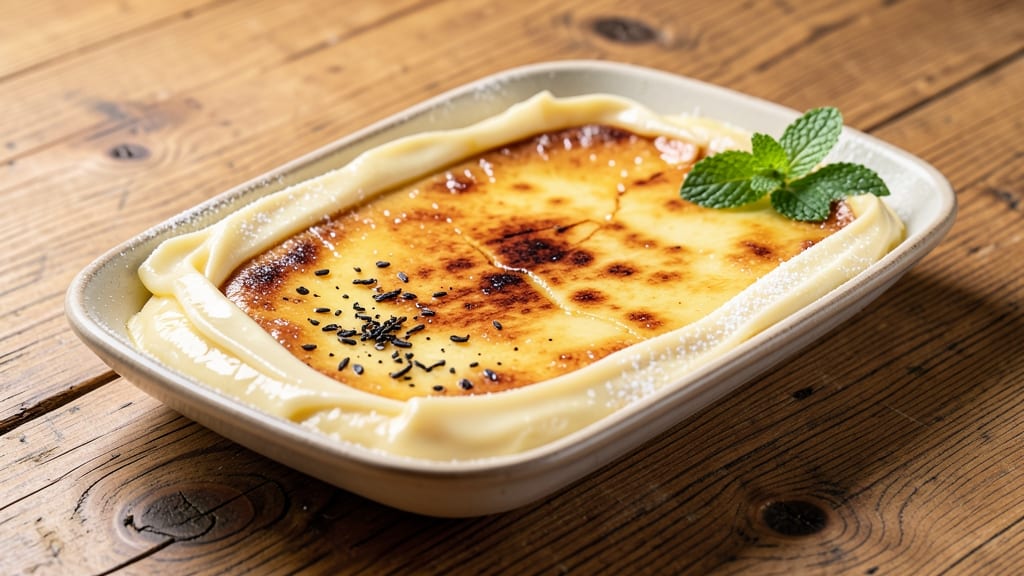
This traditional egg custard recipe delivers the velvety, golden perfection that makes it a breakfast classic. The secret lies in tempering the eggs with warm milk and whisking until silky—no lumps, just pure, silky smooth texture that melts in your mouth.
I've perfected this method over years of testing, ensuring every batch turns out restaurant-quality without fail.
The foundation of great custard starts with proper ratios: equal parts milk and cream, just enough sugar to balance richness, and vanilla bean for that authentic depth of flavor. Unlike store-bought versions, this recipe uses real vanilla—split and scraped—so you taste the difference.
The slow baking process (or steaming method) transforms simple ingredients into something luxurious, with a delicate caramelized top that's irresistible.
What you'll achieve is custard so tender it practically dissolves on your tongue, with a golden, jiggly center that's the hallmark of traditional techniques. The aroma alone—warm vanilla and toasted milk—will have everyone asking for seconds.
This isn't just dessert; it's a skill that elevates any meal from ordinary to extraordinary.
Whether you're making it for a special brunch or simply craving comfort, this recipe delivers consistency and flavor that rival the best European custards. The method is straightforward but precise—critical for that signature texture. Let's get started on creating your perfect batch.
Ingredients for traditional egg custard
Six essential ingredients transform into restaurant-quality custard with golden perfection.
| Ingredient | Amount | Notes |
|---|---|---|
| Large Egg Yolks 🥚 | 6 whole | Freshly separated from whites |
| Whole Milk 🥛 | 2 cups | Full-fat for creaminess |
| Heavy Cream 🥛 | 2 cups | 36% fat preferred |
| Granulated Sugar 🍚 | ¾ cup | Superfine for faster dissolving |
| Vanilla Bean 🌿 | 1 whole | Split lengthwise and scraped |
| Unsalted Butter 🧈 | 4 tbsp | Cold, cut into pieces |
| Diamond Crystal Kosher Salt 🧂 | ¼ tsp | Fine grain preferred |
| Cornstarch 🌾 | 1 tsp | For thickening |
| Large Egg Whites 🥚 | 3 whole | Optional for extra richness |
The vanilla bean is non-negotiable for authentic depth—Madagascar Bourbon beans from specialty stores deliver the best flavor profile. Look for plump, moist beans with visible seeds; avoid dried or brittle ones. For the dairy, Organic Valley or Horizon full-fat milk and cream work perfectly, but any high-quality brands will suffice. The butter should be cold when added to create those signature caramelized flecks. If you can't find vanilla beans, high-quality pure vanilla extract (like McCormick Pure Vanilla) is the next best option, though it lacks the same complexity.
No vanilla bean? Pure vanilla extract at half the amount works in a pinch, but expect less depth. For the dairy, half-and-half or light cream can replace heavy cream, though the texture will be slightly lighter. Substituting 2% milk for whole milk is possible but may yield a less luxurious result. The cornstarch can be omitted if you prefer a naturally thicker custard, though it ensures perfect consistency. Egg whites are optional but add an extra layer of richness—whisk them separately and fold in gently at the end to maintain the silky texture. Always use room-temperature eggs for best emulsification.
Freshly prepared custard should be served immediately for that signature jiggly center, but it reheats beautifully. Store any leftovers in an airtight container in the refrigerator for up to 5 days, though the texture will firm up. For longer storage, freeze in individual portions for up to 3 months. To reheat, warm gently in a water bath or microwave at 50% power until just melted—never boil, or the custard will curdle. The vanilla bean pods can be dried and reused in other recipes, like sugar or baked goods, for continued flavor extraction.
Why You'll Love This Recipe
- Silky Smooth Magic: The custard’s velvety texture comes from just egg yolks, milk, and cream—no weird gums or thickeners. That first spoonful? Pure, buttery bliss that melts like a cloud.
- Fridge-Friendly Luxury: Make a big batch on Sunday, and you’ve got dessert for the week. The vanilla bean keeps it special, but the sugar balances it so it’s not too sweet—everyone’s happy.
- Weeknight Ready: No baking, no fuss. Just whisk yolks, warm the milk, temper carefully, and let it thicken. I’ve made this after work with a tired brain and still nailed it.
- Budget Decadence: Egg yolks and vanilla are the stars, but milk and cream stretch it far. Split it into ramekins for individual servings, or pour over fruit for a fancy touch without the price tag.
Step-by-step instructions for traditional egg custard
Mastering this classic custard relies on precise technique and patience—every element must come together perfectly.
Infuse the Dairy with Vanilla and Prepare the Thickener
In a medium saucepan, combine the 2 cups whole milk and 2 cups heavy cream, then split the 1 whole vanilla bean lengthwise. Scrape the seeds into the pan and add the pod. Heat over medium-low heat until the mixture reaches 170°F—just before simmering—so the cream doesn't curdle. Remove from heat, cover, and let steep for 15 minutes to fully infuse the vanilla flavor.
While the dairy infuses, whisk together the 6 whole large egg yolks, 0.75 cup granulated sugar, and 1 tsp cornstarch in a separate bowl until smooth and pale. This mixture should be uniform, with no visible streaks of cornstarch. The sugar helps balance the acidity of the vanilla while the cornstarch ensures proper thickening without gumminess. Let it sit at room temperature while the dairy steeps.
Temper the Egg Mixture for Silky Texture
Slowly pour the warm dairy mixture into the egg yolk mixture while whisking vigorously. This tempering process—adding hot liquid to eggs gradually—prevents scrambling and ensures a silky, uniform custard. Work in a steady stream, whisking continuously until the mixture returns to room temperature and thickens slightly. The result should be a smooth, velvety consistency with no visible lumps.
For an extra-rich variation, incorporate the 3 whole large egg whites at this stage using a spatula, gently folding them into the tempered mixture. This step is optional but adds lightness and structure to the final custard. If using, be careful not to overmix—just enough to combine evenly.
Cook the Custard to Perfect Thickness
Return the tempered mixture to the saucepan over medium-low heat, stirring constantly with a wooden spoon or silicone spatula. Maintain a gentle simmer—you'll see small bubbles forming at the edges—but never let it boil. Cook until the custard thickens enough to coat the back of a spoon, typically 8-10 minutes. This point is critical: the custard should be thick but still pourable, not set like pudding.
To test for doneness, dip a clean spoon into the custard and run your finger through it. If it leaves a clear line that doesn't fill back in immediately, it's ready. Remove from heat immediately to prevent overcooking, which can make the custard grainy. Stir in the 4 tbsp cold unsalted butter and 0.25 tsp diamond crystal kosher salt, allowing the butter to melt completely and blend smoothly.
Strain and Chill for Maximum Creaminess
Strain the custard through a fine-mesh sieve into a clean bowl or pitcher to remove any cooked egg bits that could make the texture uneven. This step ensures a velvety finish. Press the sieve with a spatula to extract every last drop of custard. The strained mixture should be completely smooth, with no visible particles.
Transfer the custard to a shallow baking dish or heatproof bowl and cover the surface with plastic wrap pressed directly onto the custard to prevent a skin from forming. Chill in the refrigerator for at least 4 hours, preferably overnight, until fully set. The longer it chills, the more pronounced the flavors become, and the texture becomes luxuriously smooth.
Serve at Room Temperature for Optimal Texture
Before serving, bring the chilled custard to room temperature by sitting the dish in a bowl of warm water for 10-15 minutes. This step is essential—cold custard can taste dull and lose its silky mouthfeel. Once warmed slightly, the custard should be thick but still spoonable, with a glossy sheen. Serve immediately in small ramekins or directly from the bowl, garnished with a sprinkle of vanilla bean seeds or a drizzle of caramel.
The finished custard should be rich, velvety, and deeply aromatic, with a perfect balance of sweetness and vanilla. Each spoonful should coat your mouth smoothly, releasing layers of flavor. For best results, serve within 2-3 hours of bringing to room temperature to maintain its ideal texture. Leftovers can be reheated gently over a double boiler and chilled again, though the texture may soften slightly.
Pro Tips For Making Traditional Egg Custard
- Temper the yolks: Whisk your egg yolks with sugar first, then slowly drizzle in the warm milk-cream mixture while stirring constantly—this keeps them silky instead of scrambling. I learned this the hard way after a batch turned into egg soup, and now I swear by the slow pour.
- Scrape the vanilla bean: Split the vanilla bean lengthwise, scrape out every last bit of seeds with the tip of a knife, and toss them into the custard—don’t just drop in the pod. The seeds pack way more flavor, and you’ll taste the difference, especially in thin custards.
- Don’t rush the bath: Submerge your ramekins in the water bath gently—no splashing—and make sure the water covers at least halfway up the sides. I used to rush this, and the custards would either undercook or stick to the dish. Give it 10 minutes to heat through first, then lower the temp to 170°F (77°C) for a clean, silky set.
- Strain before baking: Pour your custard through a fine-mesh sieve into the ramekins—yes, even if it looks smooth. Those tiny bits of vanilla scrap or over-whisked strands turn into grainy bits when baked. It’s a little extra work, but the texture is worth it.
Flavor customization for this dish
Vanilla Variations
Swap the vanilla bean for 1 teaspoon high-quality vanilla extract (like McCormick Pure Vanilla) if you're in a pinch, but you’ll miss the depth of real vanilla. For a unique twist, add ½ teaspoon almond extract along with the vanilla bean for a marzipan-like flavor.
Or try 1 teaspoon bourbon-infused vanilla by soaking the scraped seeds in 1 tablespoon bourbon for 10 minutes before adding to the dairy. 🌿
Citrus Zest Twist
Brighten the custard by adding 1 teaspoon lemon or orange zest along with the vanilla bean. The citrus zest pairs beautifully with vanilla, adding a refreshing contrast.
For a stronger flavor, steep the zest in the warm dairy for 5 minutes before straining. Avoid using bottled citrus zest—fresh is always better for vibrant flavor.
Spiced Custard
Warm spices like cinnamon and nutmeg elevate the custard’s depth. Add ½ teaspoon ground cinnamon and ¼ teaspoon freshly grated nutmeg to the egg yolk mixture. For a more aromatic touch, toast ½ teaspoon whole cinnamon sticks in the dairy while heating, then strain before combining with the eggs.
This works especially well with vanilla or almond extract variations. ✨
Coffee or Chocolate Infusion
For a mocha-inspired custard, add 1 tablespoon instant espresso powder or 2 tablespoons strong brewed coffee to the warm dairy. For chocolate lovers, whisk in 2 tablespoons unsweetened cocoa powder with the sugar and cornstarch.
Both variations work beautifully with vanilla or even a pinch of sea salt for balance. Adjust sweetness as needed—chocolate and coffee intensify flavors.
Fruit-Inspired Flavors
Incorporate pureed fruit for a fruity custard twist. Blend ½ cup cooked and strained berries (like raspberries or strawberries) into the finished custard for a jammy texture. For tropical flavors, add 1 teaspoon mango or passion fruit purée.
Always strain the fruit to avoid lumps, and reduce the sugar slightly since fruit adds natural sweetness. 🍓
Alcohol Enhancements
Add depth with a splash of alcohol. Stir in 1 tablespoon brandy, rum, or amaretto with the vanilla bean during the dairy infusion. For a boozy finish, fold in 1 tablespoon liqueur (like Grand Marnier or Kahlúa) after the custard has cooled but before chilling.
The alcohol will mellow slightly during chilling, leaving just enough flavor to complement the custard’s richness.
Nutrition facts
Frequently asked questions
Why does my custard taste bland or eggy?
Overcooking or under-sweetening often causes this. The custard should reach 170°F but never boil—just small bubbles at the edges. For flavor depth, always use real vanilla bean (or high-quality extract) and let the custard chill fully before serving. The flavors develop during chilling!
Can I make custard without cornstarch?
Yes! Omit the cornstarch and use 1 extra egg yolk instead. The custard will thicken naturally but may be slightly lighter. For a richer texture without cornstarch, whisk the egg yolks for 3-5 extra minutes to emulsify fully before tempering. The result will still be creamy but with a more delicate body.
How do I fix grainy custard?
Grainy texture usually means overcooking or uneven heating. Strain the custard immediately through a fine-mesh sieve to remove any cooked egg bits. For extra silkiness, blend the strained custard briefly (without lumps) using an immersion blender. If the problem persists, reduce cooking time by 2 minutes next time.
What's the best way to serve traditional custard?
Serve at room temperature for the best texture—cold custard tastes dull. Warm gently in a water bath for 10-15 minutes before serving. Garnish with vanilla bean seeds, a drizzle of caramel, or crushed amaretti cookies. For a restaurant touch, torch the top lightly with a kitchen torch for a subtle crème brûlée effect.
Can I make custard ahead of time?
Chill the finished custard for 4-6 hours before serving. For longer storage, keep in an airtight container in the fridge for up to 5 days. To reheat, warm gently in a double boiler or microwave at 50% power until just melted. For best texture, serve within 2-3 hours of reheating.