
Breakfast & Brunch
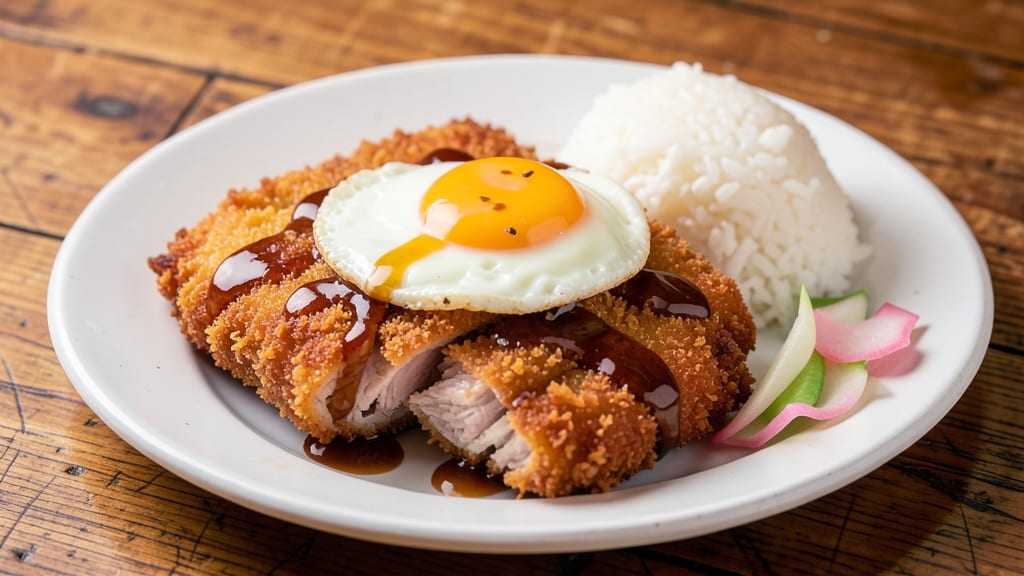
This tonkatsu egg recipe delivers crispy, golden panko-crusted pork cutlets paired with silky poached eggs—Japan's ultimate comfort dish in just 30 minutes.
The secret lies in the perfect balance of heat and timing: frying the cutlets at 365°F for 4-5 minutes per side until the crust shatters like glass, then poaching eggs in simmering water for exactly 3 minutes to achieve runny, vibrant yolks.
Every bite combines crunchy, savory pork with rich, custardy egg, creating a harmony that feels like home.
The beauty of tonkatsu egg is in its simplicity: just five core ingredients—pork cutlets, panko breadcrumbs, egg wash, and tonkatsu sauce—transformed through precise technique. Unlike heavy breading methods, this recipe uses a light, airy panko crust that stays crispy without overwhelming the tender pork inside.
The poached egg adds a luxurious touch without complicating the process, making it perfect for weeknight dinners or weekend brunch when you crave restaurant-quality flavors at home.
What makes this dish truly special is how the textures and temperatures work together: the shatteringly crispy crust contrasts with the tender, juicy pork, while the silky egg yolk ties everything together.
Served with shredded cabbage and a drizzle of tonkatsu sauce, it becomes a complete, satisfying meal that feels indulgent yet balanced. The aroma of frying pork and simmering eggs will fill your kitchen, creating an atmosphere as comforting as the dish itself.
This recipe isn't just about technique—it's about recreating the warmth of a Japanese home kitchen. Whether you're feeding a family or treating yourself, the combination of crispy, savory, and silky elements makes every bite worth the effort.
Let's create this foolproof tonkatsu egg that delivers restaurant-quality results in your own home.
Ingredients for tonkatsu egg
Five core ingredients transform into Japan's ultimate crispy, comforting dish.
| Ingredient | Amount | Notes |
|---|---|---|
| Boneless Pork Loin Cutlets 🥩 | 1 ½ lb | Pounded to even 1/4-inch thickness |
| Japanese Panko Breadcrumbs 🍞 | 2 cups | Light and crispy variety |
| Large Eggs 🥚 | 4 whole | Room temperature for poaching |
| All-Purpose Flour 🌾 | ½ cup | For dredging cutlets |
| Vegetable Oil 🫒 | 2 cups | High smoke point preferred |
| Tonkatsu Sauce 🍶 | ½ cup | Store-bought or homemade |
| Green Cabbage 🥬 | 4 cups | Shredded for serving |
| White Vinegar 🍶 | 1 tbsp | For poaching water |
| Salt 🧂 | 1 tsp | Kosher or sea salt |
| Black Pepper 🌶️ | ½ tsp | Freshly ground |
| Granulated Sugar 🍚 | 1 tbsp | For tonkatsu sauce balance |
| Worcestershire Sauce 🍶 | 1 tbsp | For homemade tonkatsu sauce |
| Dried Mustard 🌿 | ½ tsp | For homemade tonkatsu sauce |
The pork cutlets are non-negotiable—bone-in loin gives the best texture, but boneless works too if you pound it evenly to 1/4-inch. Trader Joe's has great pre-cut cutlets, but if buying whole, ask the butcher to slice against the grain. Panko matters just as much: Japanese-style (like Kikkoman) stays crispy, while regular breadcrumbs get soggy. For the sauce, store-bought tonkatsu sauce is a game-changer—brands like Kikkoman or S&B Golden are perfect. Making your own? The sugar and mustard balance the tangy Worcestershire beautifully.
No panko? Toast regular breadcrumbs in a dry skillet until golden, then pulse in a food processor for that signature fluffiness. Short on tonkatsu sauce? Mix 3 tbsp ketchup, 1 tbsp soy sauce, and 1 tsp sugar for a quick substitute. The eggs must be room temperature—cold eggs won't poach properly. For the cabbage, green cabbage is traditional, but red cabbage adds a pretty pop. The vinegar in the poaching water keeps yolks bright and helps them hold shape. If you're making the sauce from scratch, reduce it until thick and glossy—that's what makes it sing.
Pork cutlets keep 2 days in the fridge, but cook them fresh for best results. Panko stays crispy for 1 week in an airtight container. The sauce? 3 months in the fridge, or freeze for 6 months. Poached eggs are best served immediately, but you can reheat them gently in warm water if needed. Double the sauce and freeze in ice cube trays for easy future meals. The cabbage? Wash and store in a dry towel-lined bag to keep it crisp.
Why You'll Love This Recipe
- Here’s what sold me: that first bite where the panko shatters like a perfect crunch, then gives way to the warm, buttery pork and the runny yolk pooling underneath. It’s like a hug for your taste buds—sweet, savory, and rich without trying too hard.
- Fewer Ingredients, Bigger Payoff: I swear by this—just pork, eggs, flour, and panko. No fancy marinades or specialty sauces. The secret’s in the double-dip: flour, egg wash, then panko, fried until the crust is golden and the pork inside stays juicy. That’s it. No clutter, no stress.
- Crispy-Creamy Magic: Here’s what sold me: that first bite where the panko shatters like a perfect crunch, then gives way to the warm, buttery pork and the runny yolk pooling underneath. It’s like a hug for your taste buds—sweet, savory, and rich without trying too hard.
- Lunchbox Hero: Between us, this is my go-to for packed lunches. Slice it up, wrap it in a tortilla with some shredded cabbage, and it stays fresh for days. Honestly, my kids would rather eat this cold than any sad sandwich I could throw together. (Yes, even on a Tuesday night.)
Step-by-step instructions for crispy tonkatsu egg
Transform simple ingredients into golden, crunchy perfection with this foolproof tonkatsu method.
Prepare the Pork Cutlets for Crispy Perfection
Begin by pounding the 1.5 lb boneless pork loin cutlets to an even ¼-inch thickness between two sheets of plastic wrap using a meat mallet. This ensures even cooking and maximum crispiness. Season both sides generously with 1 teaspoon salt and ½ teaspoon black pepper, pressing the seasoning into the meat so it adheres well.
Next, dredge each cutlet lightly in ½ cup all-purpose flour, shaking off any excess. The flour creates a delicate barrier that helps the panko adhere perfectly during breading. For best results, work quickly to prevent the flour from absorbing moisture from the meat.
Create the Panko Crust for Maximum Crunch
Set up three shallow bowls: one with the 2 cups Japanese panko breadcrumbs, one with the 4 whole large eggs beaten until frothy, and one with the remaining flour if needed. Dip each cutlet first into the beaten eggs, letting excess drip off, then press firmly into the panko, covering both sides completely. The panko should stick tightly—this is what creates that legendary crispy crust.
For extra security, I like to press the panko onto each cutlet with a spatula, ensuring no gaps where the meat might show through. Let the breaded cutlets rest for 5 minutes before frying. This brief pause allows the panko to adhere even more firmly, preventing it from falling off during cooking.
Fry to Golden Brown Crispiness
Heat 2 cups vegetable oil in a deep skillet over medium-high heat until it reaches 350°F—test with a wooden chopstick, which should sizzle when submerged. Fry the cutlets in batches (don't overcrowd the pan) for 3-4 minutes per side until they achieve a deep golden brown color. The oil should bubble steadily but not smoke excessively.
Here's the secret: don't press down on the cutlets while frying. The weight can cause the panko to break apart. Instead, let them cook undisturbed until they release easily from the pan. Drain on a wire rack (not paper towels) to maintain crispness, and keep them warm in a 200°F oven while you prepare the tonkatsu sauce.
Assemble with Homemade Tonkatsu Sauce
In a small saucepan, combine ½ cup tonkatsu sauce, 1 tablespoon Worcestershire sauce, 1 tablespoon granulated sugar, and ½ teaspoon dried mustard. Simmer gently for 3-4 minutes until the sauce thickens slightly and coats the back of a spoon. If using store-bought sauce, this step can be skipped, but homemade sauce adds that extra depth of flavor.
Slice the warm cutlets diagonally and arrange on plates. Drizzle generously with the tonkatsu sauce, then serve immediately with 4 cups shredded green cabbage tossed in 1 tablespoon white vinegar and a pinch of salt. The cabbage adds that perfect fresh crunch to cut through the richness of the pork.
Pro Tips For Making Tonkatsu Egg
- STOP SOAKING THE PANKO: I learned this the hard way—wet panko turns to gluey sludge when fried. Instead, just toss the cutlets in dry panko mixed with flour (about 3 tablespoons panko to 1 tablespoon flour per cutlet) and press gently. The crumbs will stick without needing moisture, and your crust won’t fall apart.
- FRIE IN BATCHES OF TWO: Crowding the pan drops the oil temperature fast, leading to greasy, uneven cooking. Use a deep skillet with just enough oil to submerge half a cutlet, and fry two at a time. Keep the heat steady at 350°F—too hot, and the exterior burns before the inside cooks.
- SLICE THE PORK THIN: Tonkatsu works best with ½-inch-thick cutlets—any thicker, and the center stays cold while the outside overcooks. If your loin is thick, pound it between plastic wrap with a meat mallet (or a rolling pin) until even. Uneven thickness ruins the texture.
- USE COLD EGGS FOR THE BATTER: Sounds weird, but it works: chill your eggs in the fridge for 10 minutes before beating them for the dredge. The cold slows the batter’s absorption, so the panko stays crispy instead of soggy. (Yes, even if you’re impatient like me.)
Wine and beer pairings for this recipe
Crispy Pork Pairings
For tonkatsu egg, I reach for Japanese sake—specifically a crisp Junmai Daiginjo like Dassai 23—because its clean, slightly floral notes complement the crispy panko crust without overpowering the dish. The subtle sweetness enhances the tonkatsu sauce, while the acidity cuts through the richness of the fried pork.
Serve it chilled to let its delicate flavors shine alongside the warm, savory tones of the cutlets. 🍶
Rich Red Wine Option
A light-bodied red like Pinot Noir from Burgundy pairs beautifully with tonkatsu egg. Look for a Gamay or Beaujolais with bright red fruit and a touch of earthiness—brands like Domaine Jean-Marc Brocard deliver the perfect balance.
The wine’s acidity mirrors the tonkatsu sauce, while its fruitiness contrasts the crispy crust. Decant it for 15 minutes before serving to soften tannins and enhance aroma.
Hoppy Beer Match
For beer lovers, a Japanese lager like Asahi Super Dry or Sapporo Premium is ideal. The crisp, clean profile lets the dish’s flavors take center stage, while the subtle hop bit adds a refreshing contrast to the fried pork.
If you prefer something bolder, try a Belgian witbier like Stella Artois Wit—its citrusy notes complement the tonkatsu sauce and poached egg. Serve both chilled for the best experience.
Creamy White Wine
A dry Riesling from Germany, such as Dr. Loosen Blue Slate, is a fantastic choice. Its bright acidity and hints of green apple cleanse your palate between bites of crispy pork and silky egg.
The wine’s mineral notes also pair wonderfully with the shredded cabbage, creating a harmonious balance. Opt for a 2019 or newer vintage to ensure freshness and vibrancy.
Non-Alcoholic Pairings
For a refreshing non-alcoholic option, Yakult (Japanese fermented milk drink) or Ramune (Japanese soda) work surprisingly well. The tangy, slightly sweet profile of Yakult complements the tonkatsu sauce, while Ramune’s citrusy flavor cuts through the richness.
Serve them ice-cold to enhance their refreshing qualities and balance the hearty flavors of the dish.
Nutrition facts
Frequently asked questions
Can I use chicken instead of pork for tonkatsu egg?
Chicken cutlets work beautifully with this recipe. Use bone-in chicken breasts pounded to ¼-inch thickness for best results. The cooking time will be slightly shorter (2-3 minutes per side at 365°F), but the crispy panko crust will still be perfect. Just be careful not to overcook the chicken to avoid dryness.
How do I prevent the panko crust from falling off?
Let the breaded cutlets rest for 5 minutes before frying—this helps the panko adhere better. Also, use room temperature eggs for the egg wash and press the panko firmly onto the meat with a spatula. Avoid overcrowding the pan while frying, and don't flip too soon—wait until the crust is golden and releases easily.
What's the best way to poach the egg for tonkatsu?
Use a simmering water (not boiling) with 1 tablespoon white vinegar per 4 cups water. Drop the egg gently with a spoon and poach for exactly 3 minutes for runny yolks. For perfect tonkatsu presentation, place the egg atop the sliced pork cutlet right before serving to keep it warm and intact.
Can I make tonkatsu egg ahead of time?
The pork cutlets can be prepped and fried 1 day ahead, then stored in an airtight container at room temperature. Reheat in a 350°F oven for 10 minutes to restore crispiness. However, poached eggs are best served fresh—prepare them last minute or keep warm in 160°F water bath until serving.
What if I don't have tonkatsu sauce?
Mix 3 tablespoons ketchup, 1 tablespoon soy sauce, 1 teaspoon sugar, and ½ teaspoon Worcestershire sauce for a quick substitute. For extra depth, add ½ teaspoon honey or a pinch of dried mustard. This simple combo mimics the sweet-savory balance of traditional tonkatsu sauce.