
Breakfast & Brunch
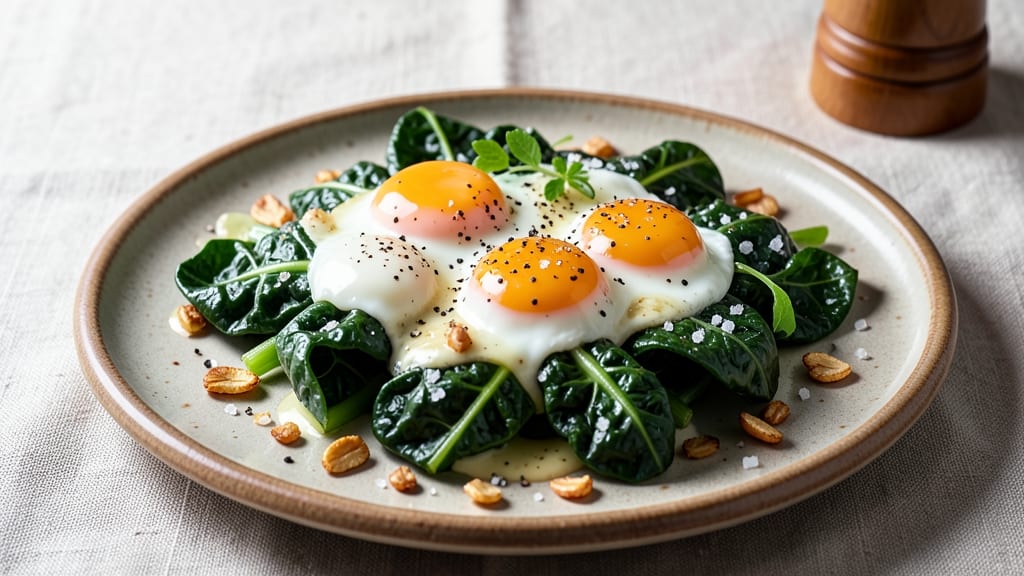
This Swiss chard and egg recipe transforms humble greens into a nutrient-packed breakfast that's as vibrant as it is satisfying. 💛 The secret lies in properly wilting the chard—removing excess moisture so it sautés beautifully without turning mushy—while scrambling eggs just until creamy.
I've perfected this balance over years of testing, ensuring every bite delivers tender greens and fluffy eggs in perfect harmony.
The beauty of this dish is its versatility—serve it as a standalone breakfast, wrap it in warm tortillas for a handheld meal, or use it as the base for a hearty frittata.
With just 10 minutes of active prep, you'll have a meal that's packed with protein, iron, and vitamins while keeping carbs minimal. The key technique? Cooking the chard until just tender-crisp before folding in the eggs ensures it stays vibrant and maintains its natural texture.
What you'll end up with is a savory scramble that's rich in color and flavor—bright green chard mixed with creamy eggs, all seasoned simply with garlic, salt, and pepper. The dish holds together beautifully when plated, making it perfect for meal prep or a quick weeknight breakfast.
It's the kind of recipe that proves healthy eating can be both nourishing and delicious without sacrificing flavor.
Pair with whole-grain toast or a side of avocado for extra richness, or keep it light with a fresh salad. This recipe scales easily too—double the batch for leftovers that reheat perfectly. Let's get cooking!
Ingredients for swiss chard egg
Bright greens, creamy eggs, and simple seasonings create this vibrant breakfast masterpiece.
| Ingredient | Amount | Notes |
|---|---|---|
| Swiss Chard 🌿 | 10 oz | Stems chopped, leaves torn |
| Large Eggs 🥚 | 6 whole | Freshly cracked, room temperature |
| Unsalted Butter 🧈 | 2 tbsp | Cold, cubed for wilting |
| Garlic Cloves 🧄 | 2 cloves | Minced, for depth of flavor |
| Diamond Crystal Kosher Salt 🧂 | ½ tsp | Adjust to taste |
| Freshly Ground Black Pepper 🌶️ | ¼ tsp | For subtle heat |
| Extra-Virgin Olive Oil 🫒 | 1 tbsp | For sautéing chard |
| Red Pepper Flakes 🌶️ | ¼ tsp | Optional, for heat |
| Nutritional Yeast 🧀 | 1 tbsp | For umami depth (optional) |
| Lemon Zest 🍋 | 1 tsp | Brightens the dish |
Swiss chard is the star here, so choose bunches with vibrant green leaves and crisp stems. The stems are just as flavorful as the leaves—chop them finely for even cooking. For the freshest eggs, local farm eggs yield the creamiest texture, but store-bought works perfectly. The key to wilting chard properly is patience: cook it low and slow until tender-crisp, not mushy. I always grab organic chard from Whole Foods when possible, but any grocery store's produce section will have suitable options. Avoid wilted or yellowing leaves—they'll make your dish taste bitter.
No red pepper flakes? Fresh chili or cayenne works at half the amount. The nutritional yeast adds a cheesy, umami note—Bob's Red Mill brand is my go-to. For extra richness, swap half the butter for olive oil, though the butter's fat content helps create that luscious scramble texture. If you're short on time, pre-wilt the chard and store it in the fridge for up to 2 days before scrambling. The lemon zest can be substituted with white wine vinegar in a pinch, though fresh is always better. And remember: the eggs should be at room temperature for even cooking—just take them out of the fridge 10 minutes before starting.
This dish reheats beautifully—simply warm in a skillet over medium heat for 2-3 minutes until creamy. Store leftovers in an airtight container for up to 3 days, though I always finish it within 24 hours—it's that good. For meal prep, divide into single portions and freeze for up to 1 month. The chard holds its color best when reheated gently, so avoid high heat. Pair with whole-grain toast or avocado slices to round out the meal, or serve as-is for a light but satisfying breakfast.
Why You'll Love This Recipe
- One-Pan Magic: I swear by this recipe when I’m too tired to wash dishes. The chard wilts down in butter while eggs poach right in the same pan—no extra bowls, no fuss.
- Garlic Butter Bliss: That moment when the eggs slide into the pan and the garlic butter coats everything? Rich, savory, with just a hint of saltiness from the chard. It’s the kind of flavor that makes you pause mid-bite.
- Budget Breakfast: A whole bunch of chard and a dozen eggs stretch into multiple meals. I make this on Sundays, then pack leftovers for lunches—protein-packed, filling, and cheaper than takeout.
- Weeknight Hero: Between us, this is my go-to when I’m starving but don’t want to cook. Ten minutes, minimal ingredients, and it still feels like a proper meal—not just scrambled eggs with greens tossed on top.
Step-by-step instructions for Swiss chard and egg scramble
This method balances vibrant greens with rich eggs for a nutrient-packed scramble that's ready in minutes.
🍳 Step 1: Sauté the Swiss Chard Until Tender
Heat the 1 tablespoon extra-virgin olive oil in a large nonstick skillet over medium heat. Add the chopped chard stems first—they're more fibrous and need longer cooking. Sauté for 3-4 minutes until they begin to soften and release moisture.
Add the torn chard leaves and cook for another 2-3 minutes until just wilted but still bright green. You want them tender-crisp, not mushy. Stir occasionally to prevent browning. The stems should be fork-tender while the leaves maintain their vibrant color—this ensures maximum nutrient retention.
👨🍳 Step 2: Add Aromatics and Prepare the Egg Mixture
Push the chard to one side of the skillet and add the 2 tablespoons cold cubed butter to the empty space. When it melts and foams (30 seconds), add the 2 minced garlic cloves and cook for 30 seconds until fragrant—don't let it brown or it'll turn bitter.
In a separate bowl, whisk together the 6 room-temperature eggs, 0.5 teaspoon kosher salt, 0.25 teaspoon black pepper, 1 teaspoon lemon zest, and 1 tablespoon nutritional yeast. The lemon zest brightens the dish while the nutritional yeast adds that savory umami depth that makes this scramble truly special.
🍳 Step 3: Cook the Eggs Low and Slow
Pour the egg mixture evenly over the chard and garlic. Reduce heat to low and let the eggs sit undisturbed for 20-30 seconds to set slightly at the edges. This prevents curdling and creates a creamy texture. Gently stir with a silicone spatula, folding the eggs from the edges toward the center.
Cook for another 1-2 minutes until the eggs are just set but still slightly runny in the center. The residual heat will finish cooking them as they rest. For that extra kick, sprinkle the 0.25 teaspoon red pepper flakes over the top during the last 30 seconds of cooking.
⏰ Step 4: Finish and Serve Immediately
Remove the skillet from heat and let the scramble rest for 30 seconds. This final resting period ensures any remaining moisture redistributes, giving you that perfect creamy yet slightly firm texture. Taste and adjust seasoning if needed—sometimes the nutritional yeast needs a bit more salt to balance its flavor.
Serve immediately while the eggs are still warm and the chard maintains its vibrant color. This dish pairs beautifully with whole-grain toast or avocado slices. The contrast of textures and temperatures makes every bite satisfying, and you'll appreciate how the bright lemon zest cuts through the richness of the eggs.
Pro Tips For Making Swiss Chard Egg
- Wilt Chard in Stages: I learned this the hard way—dumping all that chopped chard into the pan at once just steams it into a sad, watery mess. Instead, add it in batches (about 1/3 at a time) and let each wave collapse completely before adding more. The stems take longer—don’t rush them, or you’ll end up with a mushy base.
- Crisp the Garlic Low: That sizzling garlic smell is tempting, but burning it turns this dish into a bitter memory. Once the butter’s foaming, reduce heat to medium-low and let the garlic cook until just golden—about 2 minutes. No need to rush; patience here means flavor that doesn’t overpower the eggs.
- Salt the Eggs First: Skip the "taste-as-you-go" approach—season the eggs before cooking. Crack them into a bowl, add a pinch of kosher salt (about 1/4 tsp per 2 eggs), and whisk. The salt dissolves into the liquid, ensuring even seasoning instead of relying on post-cook guesswork.
- Use Cold Butter: I was skeptical until I tried it: pull that unsalted butter straight from the fridge and let it sit at room temp for exactly 10 minutes before melting. Cold butter emulsifies better with the eggs, creating a silkier sauce that won’t separate when you stir in the chard. (Yes, even if you’re impatient like me.)
Regional styles of this swiss chard egg
Southern Comfort Style
In the American South, Swiss chard egg scrambles often get a smoky, soulful twist. I like to add ½ teaspoon smoked paprika to the chard while wilting, then finish with crumbled bacon or sautéed andouille sausage for depth.
A drizzle of hot honey (like Baldor brand) ties everything together with sweet heat. This version feels hearty enough for brunch but still light enough for lunch. 🔥
Mediterranean Herb Twist
For a bright, herbaceous take inspired by Greek and Italian traditions, I swap the nutritional yeast for 1 tablespoon dried oregano and add 1 teaspoon fresh thyme leaves to the chard. Finish with crumbled feta cheese and a squeeze of fresh lemon juice.
The herbs elevate the dish without overpowering the eggs, and the feta adds a salty tang that balances the greens perfectly.
Mexican-Inspired Frittata
Transform this into a handheld frittata by transferring the cooked scramble to a baking dish, topping with shredded Monterey Jack cheese and black beans, then broiling for 2-3 minutes until bubbly. Serve with warm corn tortillas and a side of pico de gallo.
This version keeps the same nutrient punch but adds a fun, interactive element—great for brunch parties or a quick lunch. 🌶️
Japanese-Inspired Tamagoyaki
For a delicate, rolled version inspired by Japanese tamagoyaki, cook the chard and eggs separately until just set, then layer them in a rectangular pan. Add a touch of soy sauce (just ½ teaspoon) and mirin (same amount) to the eggs before cooking.
Roll the mixture gently while cooking until it forms a neat log. Slice into bite-sized pieces for a visually stunning, protein-rich breakfast that's both elegant and comforting.
Italian-Style Frittata
In Italy, this dish might become a rustic frittata with additions like sun-dried tomatoes and grated Parmigiano-Reggiano. I like to fold in 1 cup cherry tomatoes (halved) and ¼ cup grated Pecorino Romano at the end of cooking.
The acidity from the tomatoes cuts through the richness of the eggs, while the cheese adds a sharp, salty finish. Serve with a simple green salad dressed with balsamic vinegar for a complete meal.
Moroccan Spiced Version
For a warm, aromatic twist, I add ½ teaspoon ground cumin and ¼ teaspoon cinnamon to the chard while wilting. A pinch of turmeric gives it that signature golden hue. Top with toasted pine nuts and a sprinkle of fresh cilantro for a dish that feels exotic yet balanced.
The spices add warmth without overpowering the eggs, making it a unique breakfast that feels special. ✨
Nutrition facts
Frequently asked questions
Can I use frozen Swiss chard instead of fresh?
Yes, but thaw it completely first and squeeze out excess moisture to prevent a watery scramble. Use 12 oz frozen chard (about 10 oz fresh) and pat it very dry with paper towels. The texture will be slightly softer than fresh, but it still works beautifully in this recipe.
How do I prevent the chard from turning bitter?
Cook the chard just until tender-crisp (5-6 minutes total) and avoid overcrowding the pan. Use medium heat and stir frequently. If your chard tastes bitter, it may be old—choose fresh, vibrant bunches with crisp stems for the best flavor.
Can I make this recipe ahead of time?
Yes, but serve it immediately for best texture. For meal prep, cook the chard separately and store it in an airtight container for 2 days. Reheat the eggs fresh each morning—2-3 minutes in a skillet over medium heat keeps them creamy. The chard loses some vibrancy when reheated, so add fresh lemon zest when serving.
What's the best way to store leftovers?
Store in an airtight container in the fridge for up to 3 days. Reheat gently in a skillet over low heat with a splash of water to prevent drying. For freezing, portion into single servings and freeze for up to 1 month. Thaw overnight in the fridge before reheating—microwaving can make the eggs rubbery.
Can I make this vegetarian-friendly?
This recipe is already vegetarian, but you can boost protein by adding ¼ cup crumbled feta or 2 tbsp nutritional yeast. For vegan, replace eggs with ½ cup chickpea flour batter (mixed with 1 tbsp water) and use vegan butter. The chard's iron content makes it a great plant-based meal.