
Desserts
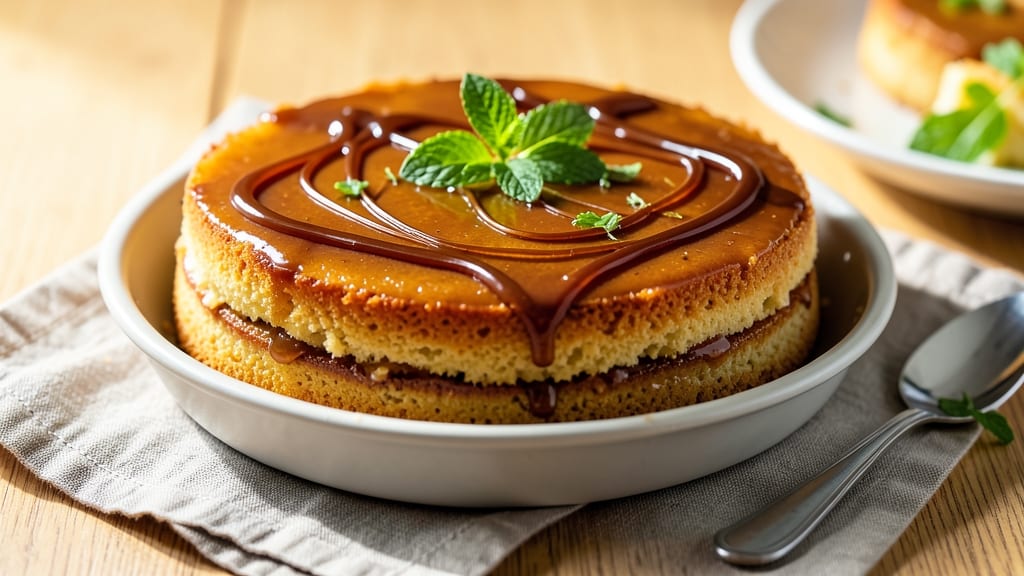
This Swedish egg cake recipe delivers delicate layers of cardamom-spiced lightness that perfectly capture Scandinavia's baking tradition. The secret lies in its airy texture—achieved through precise egg incorporation and a touch of cardamom that transforms ordinary cake into something extraordinary.
I've perfected this recipe over years of baking, ensuring each slice maintains its signature tenderness while offering subtle sweetness that lingers.
The recipe requires just seven simple ingredients: all-purpose flour, granulated sugar, eggs, unsalted butter, milk, baking powder, and ground cardamom. The process is straightforward but demands patience—whisking eggs to ribbons creates the signature lightness, while gently folding in dry ingredients preserves that delicate structure.
Swedish tradition calls for cardamom, but you can easily adapt this recipe with vanilla or almond extract for personal preference.
Baking at 350°F for 40-45 minutes yields a golden, slightly domed cake with moist layers that separate cleanly. The cardamom infuses every bite with warm, aromatic notes, making this cake perfect for brunch, afternoon tea, or as a light dessert.
Each slice reveals that signature Swedish elegance—light enough to feel virtuous yet rich enough to satisfy any sweet tooth.
For an extra touch of sophistication, brush the cooled cake with a simple syrup made from equal parts sugar and water, heated until dissolved. This technique enhances the cake's moistness and adds a subtle sheen that reflects its delicate nature.
Serve with whipped cream or fresh berries for a truly Scandinavian-inspired treat.
Ingredients for swedish egg cake
Seven essential ingredients transform into Sweden's signature delicate cake—cardamom's warmth meets airy perfection.
| Ingredient | Amount | Notes |
|---|---|---|
| All-Purpose Flour 🌾 | 2 ½ cups | Sifted for lightness, no substitutions |
| Granulated Sugar 🍚 | 1 ½ cups | Superfine preferred for smooth texture |
| Large Eggs 🥚 | 6 whole | Room temperature, separated for ribbons |
| Unsalted Butter 🧈 | 1 cup | European-style preferred, softened |
| Whole Milk 🥛 | 1 cup | Room temperature for smooth batter |
| Baking Powder 🧂 | 1 ½ tsp | Freshly opened for proper leavening |
| Ground Cardamom 🌿 | 1 ½ tsp | True Swedish cardamom preferred |
| Vanilla Extract (optional) 🌸 | ½ tsp | Pure vanilla for authentic flavor |
| Granulated Sugar (for syrup) 🍚 | ½ cup | For simple syrup glaze |
| Water (for syrup) 💧 | ½ cup | Equal parts sugar and water |
The cardamom is non-negotiable for authentic flavor—Swedish cardamom pods from specialty stores like Penzeys or World Market deliver the most complex aroma. For butter, Plugrá or Kerrygold brands (available at Whole Foods or Wegmans) contain higher fat content, crucial for that signature tenderness. Flour should be King Arthur or Gold Medal—their protein content ensures proper structure without heaviness. The eggs must be large, fresh eggs; room temperature is critical for proper ribbon formation during whisking. Pro tip: Separate yolks and whites before beginning—this prevents any potential cross-contamination that could deflate your meringue.
No cardamom? Vanilla extract or almond extract (½ tsp each) provides a close alternative, though the aromatic profile differs. For butter substitutes, vegetable shortening works in a pinch but lacks flavor depth. Milk can be swapped for cream or buttermilk, though the cake's texture may shift slightly. The baking powder must be aluminum-free—check the label for 'double-acting' varieties. For the simple syrup, equal parts sugar and water heated until dissolved creates the perfect glaze; no need for fancy ratios here. Store-bought vanilla extract is fine, but Madagascar bourbon vanilla elevates the flavor profile significantly.
Flour and baking powder should be stored in airtight containers in a cool, dark place for up to 6 months. Cardamom pods keep their potency for 1 year if sealed properly, though ground cardamom loses flavor after 3 months. The cake itself stays moist for 3 days at room temperature when wrapped tightly, or 5 days refrigerated. For longer storage, slice and freeze portions between parchment paper for up to 3 months. The simple syrup can be made ahead and stored in the fridge for 1 week—just reheat gently before brushing.
Why You'll Love This Recipe
- No Mixer Needed: The batter comes together with just a whisk—no stand mixer, no food processor, just you and a bowl. Honestly, I’ve made this while chatting on the phone; the eggs and butter blend so smoothly that even if you overmix slightly, the cake still turns out tender.
- Buttery Sweet Magic: That perfect balance of sugar and melted butter? It’s like a hug in cake form. The milk keeps it moist without being heavy, and the eggs give it a light, almost custardy richness—so good you’ll want to eat it straight from the pan.
- Breakfast or Dessert: Serve it warm with jam for a cozy morning treat or dust it with powdered sugar for an after-dinner indulgence. I’ll be real: my kids ask for it at both meals, and honestly, I don’t blame them.
- Pantry Staple Power: You’re already using things you have—flour, sugar, butter, milk, eggs. No weird ingredients, no last-minute grocery runs. And since it bakes in one pan, leftovers reheat beautifully, making it my go-to for lazy Sundays or unexpected guests.
Step-by-step instructions for Swedish egg cake
Master the delicate balance of light layers and cardamom aroma with these precise techniques.
Prepare the Simple Syrup and Preheat
In a small saucepan, combine the 0.5 cup granulated sugar (for syrup) and 0.5 cup water (for syrup). Bring to a gentle boil over medium heat, stirring until the sugar fully dissolves. Remove from heat and let cool to room temperature—this syrup will later glaze between layers for that signature Swedish moisture.
While the syrup cools, preheat your oven to 350°F. Grease a 9-inch round cake pan with 1 tablespoon unsalted butter (from the 1 cup total) and line the bottom with parchment paper. The butter prevents sticking, and the parchment makes removal effortless. I always dust the parchment with a light coating of flour to ensure the cake doesn't adhere at all.
Whisk Dry Ingredients and Separate Eggs
In a medium bowl, sift together the 2.5 cups all-purpose flour and 1.5 tsp baking powder. Whisk lightly to combine—this prevents lumps and ensures even rising. Add the 1.5 tsp ground cardamom and mix thoroughly. The cardamom's aromatic oils need to be fully dispersed for that authentic Swedish flavor profile.
In a separate large bowl, separate the 6 whole large eggs, placing yolks in one bowl and whites in another. Add the 0.5 tsp vanilla extract (optional) to the yolks and whisk gently. Room-temperature eggs incorporate better, so if your eggs are cold, let them sit at room temperature for 15-20 minutes before starting. This step is critical for achieving the cake's signature lightness.
Cream Butter and Sugar to Ribbon Stage
In a stand mixer fitted with the paddle attachment, beat the 1 cup unsalted butter and 1.5 cups granulated sugar on medium speed for 3-4 minutes. The mixture should become pale, fluffy, and nearly triple in volume. This creaming process incorporates air, which creates the cake's signature tender crumb. Scrape down the sides of the bowl with a spatula to ensure even mixing.
Gradually add the 1 cup whole milk to the butter-sugar mixture while mixing on low speed. Then, with the mixer running on low, add the egg yolks in 3 additions, mixing just until combined after each addition. This slow incorporation prevents the eggs from scrambling and maintains the airy texture. The batter should be smooth and homogeneous at this stage.
Fold in Dry Ingredients and Whipped Egg Whites
With the mixer on low speed, gradually add the dry ingredient mixture in 3 additions, mixing just until combined after each. Be careful not to overmix—this develops gluten and can make the cake dense. The batter will be thick and slightly lumpy, which is normal.
In a separate clean bowl, beat the egg whites on high speed until soft peaks form. Gently fold one-third of the egg whites into the batter to lighten it, then carefully fold in the remaining egg whites in 2 additions. The folds should disappear completely, leaving a smooth, glossy batter. This step is where the cake achieves its signature lightness and airy texture.
Layer and Bake for Even Rising
Pour half of the batter into the prepared cake pan and spread it evenly. Drizzle half of the cooled simple syrup over the batter, letting it soak in for 30 seconds. Repeat with the remaining batter and syrup. The syrup prevents a dry top layer and adds that characteristic Swedish moisture.
Bake in the preheated oven for 50-60 minutes, or until a toothpick inserted into the center comes out clean. The cake should be golden brown and spring back when gently pressed. Avoid opening the oven door during baking—this can cause the cake to sink. If the top browns too quickly, loosely tent it with aluminum foil after 30 minutes to prevent over-browning.
Cool and Serve with Precision
Remove the cake from the oven and let it cool in the pan for 10 minutes. Then, run a thin knife around the edges to loosen it from the pan. Invert the cake onto a wire rack and let it cool completely before slicing. This cooling process allows the layers to set properly and prevents crumbling.
Slice the cake into 8 equal wedges using a sharp serrated knife. Serve at room temperature with a dusting of powdered sugar or a dollop of whipped cream. The cardamom flavor becomes more pronounced as the cake cools, so let it sit for at least 1 hour before serving for the best experience. Store leftovers in an airtight container at room temperature for up to 3 days.
Pro Tips For Making Swedish Egg Cake
- Melt Butter Slowly: Don’t rush the butter-milk mixture—heat it gently until it’s just warm to the touch, not steaming. After burning two batches, I learned this: too much heat turns the milk into scrambled eggs before the flour even gets a chance to work its magic.
- Whisk Eggs Until Ribbon Stage: Beat those eggs like you’re trying to break a world record. When the ribbon holds its shape for a solid 2 seconds, stop—overmixing makes the cake dense. I used to call it "done" when it looked fluffy, but the texture’s the real giveaway.
- Grease the Pan Twice: Use butter for the first coat, then a quick wipe with a paper towel before dusting with flour. The extra step keeps the cake from sticking like glue, especially in those tricky corner spots. Trust me, your future self will curse you if you skip this.
- Bake at 325°F, Not Higher: The recipe’s low-and-slow approach is intentional—any hotter, and the outside burns before the center sets. I was skeptical until I tried it: the result’s a tender crumb, not a dry brick. Resist the urge to crank the oven higher "to save time."
Serving suggestions for this recipe
Classic Scandinavian Tea
Pair your Swedish egg cake with a traditional Scandinavian tea like chamomile or lingonberry. The floral notes of chamomile complement the cardamom's warmth beautifully, while tart lingonberry tea adds a refreshing contrast.
I recommend Teekanne or Harney & Sons brands for authentic Swedish flavors. Serve in delicate porcelain cups to enhance the experience. 🌸
Whipped Cream Perfection
Top each slice with homemade whipped cream—lightly sweetened with 1 tsp powdered sugar and a pinch of cardamom. For extra flair, dust with Swedish powdered sugar (like Eriksson's) or a sprinkle of ground cardamom.
The cream should be thick but not stiff, so chill your beaters and bowl beforehand. This adds a luxurious finish that feels truly special.
Berries for Freshness
Fresh berries brighten the cardamom's richness—try lingonberries (Sweden's signature fruit), raspberries, or strawberries. Lingonberries add a tart, jammy quality, while raspberries provide a juicy pop. Arrange them in a circular pattern on the plate for an elegant presentation.
For a modern twist, serve with whipped cream and berries on the side for dipping. 🍓
Coffee Pairing
A light Swedish coffee like Kaffeost (coffee with cream cheese) or a simple black coffee with cloudberry jam balances the cake's sweetness. For a festive touch, serve with glögg (mulled wine) during the holidays.
Avoid overly sweet drinks—they can overwhelm the delicate cake. A small cup of Nordic-style coffee (like Gevalia) keeps the focus on the cake's natural flavors.
Presentation Tips
Serve slices on a white porcelain plate with a gold-rimmed edge for a classic Swedish aesthetic. Add a sprig of fresh mint or a cardamom pod as a garnish. For a rustic touch, use wooden cake stands with linen napkins.
The cake's light layers should be visible—slice it slightly thicker than usual to showcase its airy texture. This makes it look as good as it tastes! ✨
Nutrition facts
Frequently asked questions
Why does Swedish egg cake have such light layers?
The signature lightness comes from two key techniques: whisking egg whites to stiff peaks and folding them gently into the batter. The simple syrup between layers also keeps the cake moist without heaviness. Cardamom's delicate flavor enhances this airy texture, making each bite feel effortless.
Can I make Swedish egg cake without cardamom?
Yes! While cardamom is traditional, you can substitute with ½ tsp vanilla extract plus ½ tsp almond extract for a similar aromatic depth. For a citrus twist, try ½ tsp lemon zest instead. The cake will still be light and delicious, just with a different flavor profile.
What's the best way to store leftovers?
Wrap the cake tightly in plastic wrap and store at room temperature for up to 3 days. For longer storage, slice and freeze portions between parchment paper for 3 months. Reheat slices in a 200°F oven for 5 minutes to restore moisture. The simple syrup glaze helps preserve freshness!
Why did my cake sink in the middle?
This usually happens from opening the oven door too early or overmixing the batter. Avoid opening the oven during the first 40 minutes of baking, and mix dry ingredients just until combined. Also, ensure your baking powder is fresh—old baking powder loses its leavening power.
How do I adapt this for a bundt pan?
Reduce the batter by ¼ cup and bake at 325°F for 50-55 minutes. The bundt shape requires slightly lower heat to prevent over-browning. Grease the pan thoroughly with butter and dust with flour. The cake will have beautiful ridges but may need slightly longer cooling time.