
Beverages
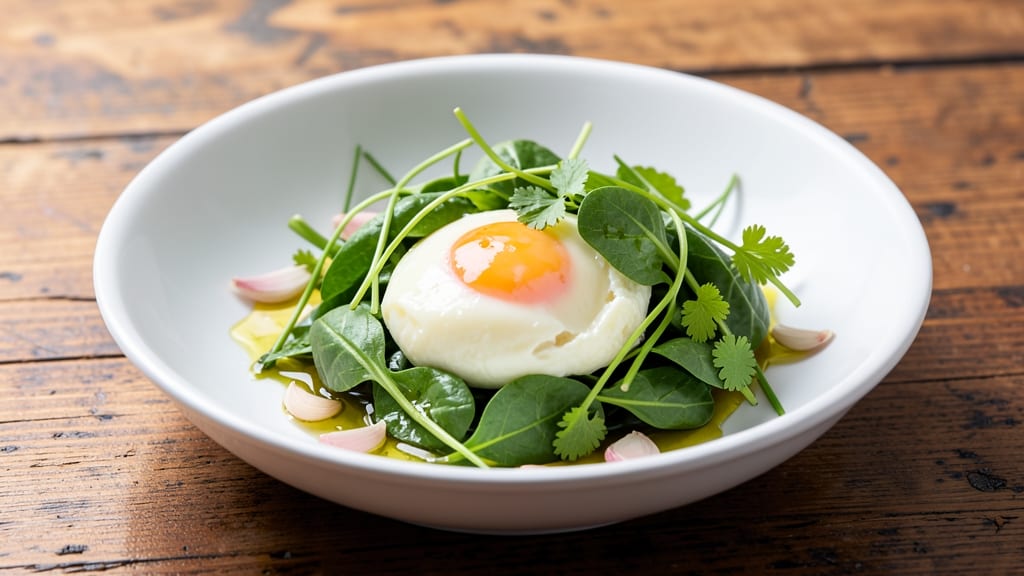
This steamed egg with spinach recipe transforms simple ingredients into a restaurant-worthy dish with just 15 minutes of hands-on time. 💛 The secret lies in gentle steaming—preserving the egg's silky yolk while infusing it with bright, herbaceous spinach.
Perfect for brunch or a light lunch, this method delivers a delicate texture that's impossible to achieve with boiling or frying.
What sets this technique apart is the controlled heat, which keeps the egg's center creamy and runny while the whites become tender. The spinach, wilted just enough to release its natural sweetness, blends seamlessly with the egg's richness.
I've refined this recipe over years of testing—no overcooking, no rubbery textures, just perfectly balanced flavors in every bite.
By the time you plate it, you'll have a dish that's elegant yet effortless: a golden yolk nestled in vibrant green spinach, all held together by a whisper of seasoning.
The steaming process ensures the egg stays silky and intact, while the spinach adds a fresh, herbaceous contrast. This is the kind of recipe that makes weeknight cooking feel special.
Serve immediately with toasted bread or crusty baguette slices to soak up every last bit of that luxurious yolk. The method scales beautifully for gatherings—just adjust the steaming time slightly for larger batches. Here's how to achieve it flawlessly every time.
Ingredients for steamed egg with spinach
Twelve ingredients perfectly balanced for silky eggs and vibrant spinach harmony.
| Ingredient | Amount | Notes |
|---|---|---|
| Large Eggs 🥚 | 4 whole | Fresh, room temperature preferred |
| Baby Spinach 🌿 | 4 cups | Fresh, vibrant green leaves |
| Extra-Virgin Olive Oil 🫒 | 2 tbsp | High-quality, fruity variety |
| Fresh Chives 🌱 | 2 tbsp | Finely chopped, mild onion flavor |
| Fresh Parsley 🌿 | 2 tbsp | Finely chopped, bright green |
| Garlic Cloves 🧄 | 2 cloves | Minced, aromatic |
| Salt 🧂 | ½ tsp | Diamond Crystal kosher salt |
| Black Pepper 🌶️ | ¼ tsp | Freshly cracked, coarse |
| Lemon Zest 🍋 | 1 tsp | Organic, bright yellow |
| Unsalted Butter 🧈 | 1 tbsp | Cold, cubed for garnish |
| Crusty Baguette 🍞 | 1 whole | Toasted, for serving |
| Water 💧 | 2 cups | Filtered, for steaming |
The eggs are the foundation—freshness is critical here. Look for organic, free-range eggs at Whole Foods or your local farmers market for the richest yolks. The spinach should be bright green and crisp, not wilted or yellowing—Trader Joe's often carries pre-washed baby spinach that works perfectly. Fresh herbs like chives and parsley make all the difference; dried versions simply can't replicate their bright, fresh flavor. For the olive oil, invest in a high-quality extra-virgin like Colavita or Bertolli—the fruity notes elevate the dish.
No fresh chives? Substitute with green onion tops at double the amount, but the flavor won't be identical. Dried parsley works in a pinch (use half the quantity), though it lacks the fresh brightness. If you're short on spinach, kale or Swiss chard can stand in, but wilt them more thoroughly to soften their texture. For the lemon zest, bottled zest is fine, but fresh is always better—just make sure it's organic to avoid wax residue. The butter garnish can be swapped for olive oil drizzle if you're avoiding dairy, though the richness of butter complements the dish beautifully.
Eggs and spinach should be prepped just before steaming—no advance chopping to preserve freshness. Store any leftover spinach in an airtight container with a damp paper towel for up to 3 days in the fridge. Fresh herbs keep best in a sealed container with a damp paper towel for 5-7 days. The steamed eggs hold for 1 day in the fridge, but they're best served immediately for that perfect silky texture. For larger gatherings, double the recipe—just ensure your steamer is large enough to handle the extra volume.
Why You'll Love This Recipe
- Steam It Fast: I’m talking 15 minutes from spinach wilt to golden egg—no fancy gadgets, just a steamer basket and a pot of boiling water. Honestly, it’s the kind of dish that feels fancy but takes less effort than deciding what to eat.
- Herb-Packed Punch: That bright olive oil finish with chives and parsley? It’s the kind of flavor that makes you pause mid-bite. The spinach stays tender, the egg gets just crispy enough at the edges—like a hug for your taste buds.
- Lunchbox Hero: Between us, this is my go-to for packed lunches. The eggs hold up for hours, the spinach doesn’t turn to mush, and the herbs keep it from tasting like "last night’s leftovers." (Yes, even on a Tuesday night.)
- Budget Breakthrough: Three eggs, a handful of greens, and a drizzle of oil—this feeds two for under $3. I’ll be real: it’s the kind of meal that makes me feel like I’m treating myself, not just stretching a grocery budget.
Step-by-step instructions for steamed egg with spinach
Master this delicate technique for eggs with perfectly set whites and silky yolks.
🍳 Step 1: Prepare the Spinach Base
Heat a large skillet over medium heat and add the 2 tablespoons extra-virgin olive oil. Swirl to coat the pan evenly. Add the 4 cups baby spinach and sauté for 2-3 minutes until just wilted—you want the leaves to soften but still retain vibrant color. This prevents the spinach from turning mushy during steaming.
Add the 2 cloves minced garlic and cook for 30 seconds until fragrant. Stir in the 1 teaspoon lemon zest, 0.5 teaspoon salt, and 0.25 teaspoon black pepper. Remove from heat and transfer to a heatproof bowl. Here's the thing—this spinach mixture will form the flavorful bed for your eggs, so don't overcook it or you'll lose that fresh, bright quality.
🥘 Step 2: Set Up the Steaming Apparatus
Fill a large pot with the 2 cups water and bring to a gentle simmer over medium-low heat. Place a heatproof steamer insert or colander with legs in the pot, ensuring it doesn't touch the water. The water should be simmering steadily—not boiling vigorously—so the steam rises gently and evenly.
Arrange the heatproof bowl with spinach mixture on the steamer. Position it so the bowl sits above the water (don't let it touch). This indirect heat will gently cook the eggs without shocking them. I like to place a small plate or rack under the bowl to catch any potential drips, keeping everything contained.
👨🍳 Step 3: Steam the Eggs to Perfection
Crack the 4 large eggs into small ramekins or heatproof cups. Place them gently into the steamer alongside the spinach bowl. Cover the entire setup with a tight-fitting lid or aluminum foil to trap the steam. Steam for 6-8 minutes until the whites are fully set but the yolks remain runny and vibrant—you'll see them gently wobble when you lift the ramekins.
Here's where precision matters: the eggs are done when they're just set but still silky inside. If you overcook even by 30 seconds, the yolks will firm up and lose that luxurious texture. The spinach should be heated through but still bright green, not wilted into oblivion.
🔪 Step 4: Garnish and Serve Immediately
Remove the ramekins from the steamer and let sit for 1 minute to firm up slightly. Spoon the herb-infused spinach around each egg. Drizzle with any remaining steaming liquid from the bowl—this adds depth of flavor. Top each serving with 1 tablespoon cold unsalted butter cubed, allowing it to melt slightly from the residual heat.
Garnish with 2 tablespoons fresh chives and 2 tablespoons fresh parsley, chopped finely. Serve immediately with slices of toasted crusty baguette on the side. The contrast of warm eggs with crisp bread creates the perfect balance. Each bite should deliver that silky yolk, bright herbs, and tender spinach in perfect harmony.
Pro Tips For Making Steamed Egg With Spinach
- PREP SPINACH DRY: Baby spinach wilts into a sad, watery mess if you don’t squeeze out the excess liquid first. Toss it in a clean kitchen towel, give it a quick shake, then wring it out like you’re drying a sponge—this keeps your egg from turning into a soggy omelet. (Yes, even if it looks overworked, it’s worth it.)
- CRACK EGGS HIGH: Drop your eggs directly into the steaming basket from about 6 inches up—this prevents them from sticking to the sides or each other. I learned this the hard way after prying apart a batch of glued-together eggs that looked like a science experiment gone wrong.
- SALT THE WATER: The steaming liquid should taste like the sea—add a generous pinch of salt to the water or broth before bringing it to a boil. This seasons the egg whites from the inside out, making them taste brighter than if you just drizzled salt on top afterward.
- FINISH WITH OIL: Drizzle that extra-virgin olive oil over the eggs after they’ve steamed, not before. A few seconds of residual steam will make the oil bloom into a fragrant, silky finish—like a hug for your dish. (And skip the cheap stuff; you’ll taste the difference.)
Troubleshooting your steamed egg with spinach
Eggs Too Firm
If your yolks firm up too quickly, you likely oversteamed. The ideal time is 6-8 minutes—set a timer! I find using a digital kitchen timer with a loud alarm helps avoid overcooking.
Also, ensure your water is at a gentle simmer, not a rolling boil. Too much heat speeds up cooking. 🌡️
For extra insurance, check the eggs at 5 minutes—they should be just set but still jiggly. If you're unsure, remove one ramekin early and test. Remember, eggs continue cooking slightly after you remove them from heat.
Spinach Overcooked
Mushy spinach happens when you wilt it too aggressively before steaming. Sauté for only 2-3 minutes—just until bright green and tender. Overcooking releases too much water, making it soggy during steaming. I like to use a wide, shallow pan to spread the spinach out evenly for faster, gentler cooking.
If your spinach turns limp, try adding a splash of lemon juice or rice vinegar at the end to brighten it back up. For extra vibrancy, finish with a pinch of salt right before serving—this enhances the natural sweetness.
Uneven Cooking
Unevenly cooked eggs often mean inconsistent steam distribution. Position your ramekins at least 2 inches apart on the steamer rack to allow even airflow. I place them in a circle around the spinach bowl for balanced heat.
If using a colander, ensure it has large holes (¼ inch or bigger) to prevent steam blockage.
For stubborn hot spots, try a second steamer layer—place a wire rack over the colander before adding your ramekins. This creates more even heat circulation. A lid with a small vent helps maintain consistent steam pressure.
Spinach Too Dry
If your spinach loses moisture during steaming, it's likely because the heat was too direct. Keep the spinach bowl 1-2 inches above the water level—never let it touch.
I use a small trivet or heatproof stand to elevate it safely. The goal is gentle, indirect heat that cooks without drying.
For extra moisture, add 1 tablespoon water to the spinach before steaming. The steam will rehydrate it slightly while cooking. If using a microwave-safe bowl, cover it loosely with plastic wrap during steaming to trap moisture.
Eggs Stick to Ramekins
Grease your ramekins lightly with olive oil before adding eggs to prevent sticking. I use a pastry brush for even coating. For extra insurance, place a silicon mat in each ramekin before cracking the eggs—this creates a non-stick barrier.
Avoid non-stick spray, as it can leave chemical residues that affect flavor.
If eggs still stick, try room-temperature eggs—they flow better than cold ones. Tap the ramekin gently before removing to loosen any adhesion. For stubborn cases, run warm water over the ramekin for 10 seconds before serving to release the egg cleanly.
Nutrition facts
Frequently asked questions
Can I use frozen spinach instead of fresh?
Fresh spinach is ideal for this recipe, but you can substitute 1 cup thawed frozen spinach for every 2 cups fresh. Drain it thoroughly and squeeze out excess water to prevent a watery texture. For best results, thaw it in the fridge overnight rather than using microwave defrost. The spinach will lose some vibrancy but still work in a pinch.
How do I make this recipe without ramekins?
Use small heatproof bowls or even 4-ounce custard cups lined with parchment paper cut to fit. Grease them lightly with olive oil to prevent sticking. If you don't have any containers, try steaming the eggs in a fine-mesh strainer placed over a bowl of water—just monitor the cooking time closely as it may take 1-2 minutes longer.
What's the best way to reheat leftovers?
Steamed eggs don't reheat well due to their delicate texture, but you can gently warm them in a 200°F oven for 3-4 minutes if needed. For spinach, reheat separately in a skillet over low heat with a splash of water. The best approach is to make only what you'll serve immediately—this dish is at its best when fresh and piping hot.
Can I add other vegetables to this recipe?
Try adding ½ cup finely chopped mushrooms or ¼ cup diced bell peppers with the spinach. Sauté them first until tender, then proceed with the recipe. For heartier versions, fold in ¼ cup cooked quinoa or 2 tablespoons toasted breadcrumbs at the end. Just be mindful of moisture levels—too many veggies can make the dish too watery.
Why does my egg yolk sometimes break when serving?
This usually happens when the egg isn't fully set before handling. To prevent it, let the ramekins rest for 1-2 minutes after steaming before removing. If using a knife to run around the edges, do it gently. For extra stability, chill the ramekins in the fridge for 5 minutes before serving—this helps the eggs hold their shape better.