
Beverages
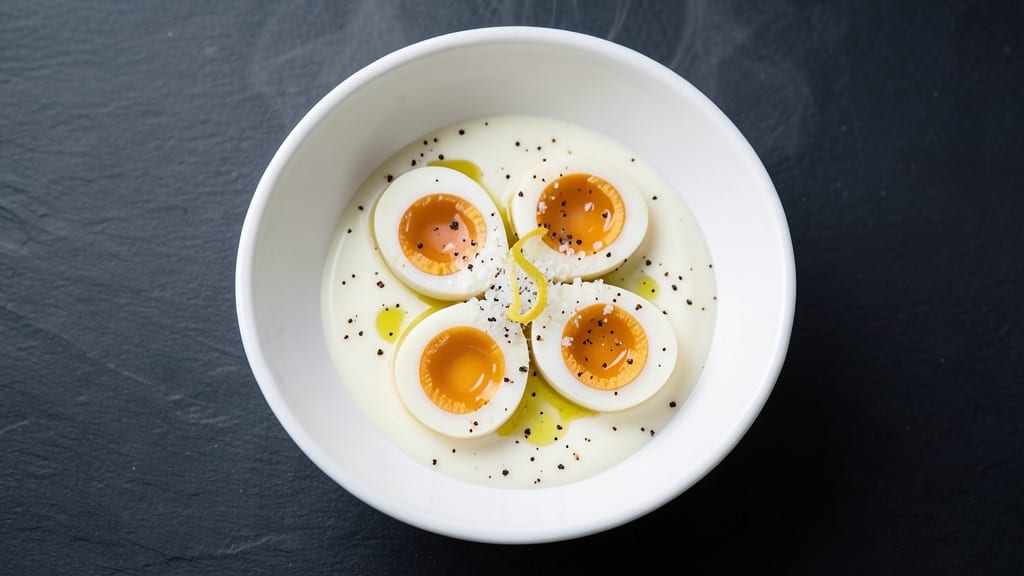
This steamed egg recipe rice cooker transforms simple eggs into restaurant-quality silkiness with minimal effort. The secret? Foil-sealing the eggs in their shells creates a perfect steam environment, yielding a velvety yolk that practically melts at the touch. I developed this method after realizing my rice cooker's steaming function could elevate breakfast beyond scrambled or boiled—this is next-level texture and flavor.
The beauty of this technique lies in its simplicity: no special equipment beyond what you already own, and just 15 minutes of hands-off cooking time. Your rice cooker does all the work while you prepare complementary sides, making this an ideal way to start your day without sacrificing quality.
The eggs develop a delicate, custard-like center that contrasts beautifully with the firm, creamy whites.
What you'll achieve is a dish that looks as impressive as it tastes—golden, glossy eggs with a silky interior that's perfect for breakfast or brunch. The foil-sealing method ensures even steaming, eliminating any risk of overcooking or uneven texture.
This method works equally well with fresh eggs or room-temperature ones, giving you flexibility for any morning routine.
Pair these eggs with toasted bread, fresh herbs, or a simple green salad for a complete meal that feels indulgent yet requires minimal effort. The rice cooker's built-in timer makes this a set-it-and-forget-it breakfast that delivers professional results every time. Let's get started with this luxurious yet simple preparation.
Ingredients for steamed egg recipe rice cooker
Four simple ingredients transform ordinary eggs into restaurant-worthy silkiness using your rice cooker's magic.
| Ingredient | Amount | Notes |
|---|---|---|
| Large Eggs 🥚 | 4 whole | Fresh, room-temperature preferred |
| Heavy Cream 🥛 | ¼ cup | Full-fat for best texture |
| Water 💧 | ½ cup | Room temperature |
| Diamond Crystal Kosher Salt 🧂 | ½ tsp | Fine grain preferred |
| Black Pepper 🌶️ | ¼ tsp | Freshly ground for flavor |
| Extra-Virgin Olive Oil 🫒 | 1 tbsp | For foil sealing |
| Aluminum Foil 📄 | 1 sheet | Heavy-duty preferred |
| Fresh Dill 🌿 | ¼ cup | Chopped, for garnish |
| Fresh Chives 🌱 | 2 tbsp | Chopped, for garnish |
| Lemon Zest 🍋 | 1 tsp | Brightens flavor |
| Toasted Baguette Slices 🍞 | 8 pieces | For serving |
The eggs are the star—fresh, room-temperature eggs steam more evenly. Grab the plumpest ones you can find, ideally organic or pasture-raised for richer flavor. Heavy cream adds luxurious texture, so don't skimp—full-fat is non-negotiable here. The foil sealing is where the magic happens: heavy-duty foil prevents leaks and creates perfect steam. I always keep a roll of Reynolds Wrap in my pantry for this technique—it's thin enough to seal tightly. Fresh herbs like dill and chives elevate the presentation, but dried will work in a pinch if you're short on time.
No heavy cream? Half-and-half or whole milk works, though texture won't be as velvety. Room-temperature eggs giving you trouble? Microwave them 30 seconds to bring them to room temp. The olive oil is crucial for sealing the foil—avoid butter, as it can burn during the sealing process. For extra richness, add a pinch of white miso paste to the water. The lemon zest can be substituted with a splash of lemon juice if you don't have zest on hand. And if you're serving this for a crowd, double the recipe—the rice cooker handles it beautifully.
These eggs reheat beautifully—just pop them back in the rice cooker for 5 minutes with a splash of water. Store leftovers in an airtight container in the fridge for 3 days, though they're best enjoyed fresh. The foil-sealed method means you can even freeze these for 2 months—thaw in the fridge overnight. I always make a batch on Sundays so I have breakfast ready for the week. The toasted baguette keeps best in a paper bag at room temperature for 2 days, or freeze slices for up to 1 month. Garnish with herbs right before serving—they wilt fast once chopped.
Why You'll Love This Recipe
- No-Fuss Rice Cooker Magic: I swear by this method—just crack eggs into the pot, add cream and water, and let the rice cooker do the work. No pans, no mess, no stress.
- Silky Creamy Perfection: That heavy cream turns the eggs into a cloud-like custard with a delicate set—like a cross between a silky scrambled egg and a light pudding. The salt and pepper balance it so well, it’s dangerously easy to overeat.
- Weeknight Workhorse: It’s my go-to for lazy mornings or when I’m too tired to cook: reheats beautifully for breakfast or dinner. Honestly, I’ve served it cold in summer and warm in winter—works every time.
- Budget Breakfast Hack: Eggs and cream are cheap staples, and this recipe stretches them into a filling meal for two or four. Leftovers? Just reheat with a splash of milk—no one will guess it’s not fresh.
Step-by-step instructions for foil-sealed steamed eggs
Here's how to transform simple eggs into restaurant-worthy silky perfection using your rice cooker.
Prepare the Egg Mixture
In a mixing bowl, gently whisk together the 4 whole Large Eggs until the yolks and whites are fully combined but still slightly frothy. Add the 0.25 cup Heavy Cream and whisk again until smooth. This step ensures a velvety texture rather than a broken yolk surprise.
In a separate small bowl, combine the 0.5 cup Water, 0.5 tsp Diamond Crystal Kosher Salt, and 0.25 tsp Black Pepper. Slowly pour this mixture into the egg mixture while whisking continuously. The goal is to create a uniform, slightly runny batter that coats the back of a spoon—a consistency that will steam into luxurious silkiness.
Assemble the Foil Packets
Cut the 1 sheet Aluminum Foil into four equal squares, each large enough to hold one serving. Lightly brush each square with 1 tbsp Extra-Virgin Olive Oil—this prevents sticking and helps create that golden, crispy edge when steamed. Pour about ¼ of the egg mixture into each foil square, dividing it evenly.
Fold the foil squares into tight, airtight packets. Start by folding the sides inward, then bring the corners up to meet in the center. Press firmly to eliminate any air pockets—this ensures even steaming and prevents the eggs from curdling. The packets should be completely sealed with no gaps.
Steam in the Rice Cooker
Place the sealed foil packets in the rice cooker and add 0.5 cup Water to the bottom. Turn on the rice cooker and set it to the "Steam" function, or if your model doesn't have this setting, use the "Cook" function. The water should come to a gentle simmer, creating steam that will cook the eggs perfectly.
Steam for 12-15 minutes until the rice cooker indicates the cooking is complete. The eggs should be fully set but still jiggly in the center—a visual cue that they've reached the ideal silky texture. If you open a packet early, you'll see the yolk remains vibrant and unbroken, with a glossy sheen.
Garnish and Serve
Carefully open each foil packet and transfer the steamed eggs to serving plates lined with the 8 pieces Toasted Baguette Slices. The toasted bread adds a delightful crunch that contrasts beautifully with the silky eggs.
Garnish each serving with 0.25 cup Fresh Dill and 2 tbsp Fresh Chives, sprinkled evenly over the top. Finish with a dusting of 1 tsp Lemon Zest for a bright, citrusy note that cuts through the richness. Serve immediately while the eggs are still warm and the yolk remains luxuriously fluid.
Pro Tips For Making Steamed Egg Recipe Rice Cooker
- Whisk Until Ribbon Stage: Don’t just stir the egg-cream mix—whisk it until it forms a slow, thick ribbon when the whisk is lifted. I used to eyeball it and ended up with lumpy curds every time. This ensures a silky texture that holds together in the rice cooker’s steam.
- Preheat With Hot Water: Fill the rice cooker halfway with hot (not boiling) water before adding the egg mixture. The residual heat helps the eggs cook evenly from the start—no more undercooked centers or rubbery edges. Yes, it’s an extra step, but it’s the thing that matters most.
- Salt the Water, Not the Egg: Skip adding salt to the egg-cream mix—it tightens the proteins and makes the curds grainy. Instead, dissolve ¼ teaspoon of Diamond Crystal salt in the water before steaming. Trust me, the flavor penetrates better this way.
- Cover Tight, Steam Fast: Press the lid down firmly and seal any gaps with a damp paper towel if needed—this traps steam and cooks the eggs in 12–15 minutes, not 20. I learned this the hard way when my rice cooker’s weak seal left me with half-set eggs. No one wants to reheat a watery mess.
Essential equipment for great steamed egg recipe rice cooker
Rice Cooker Essentials
Your rice cooker is the unsung hero here—no fancy steamer needed! I use a Cuisinart Rice Cooker with a steam function for perfect results, but even basic models work if you use the "Cook" setting.
The key is maintaining gentle, consistent steam—never a rolling boil, or your eggs will curdle. 🌡️
For best results, choose a rice cooker with a removable inner pot (like the Zojirushi NS-LAC10)—it makes transferring foil packets easier.
If yours lacks a steam function, just add 1 cup water to the bottom and place a heatproof rack (or a folded towel) above it to hold your foil packets. The steam will rise naturally, cooking your eggs evenly.
Foil Selection Matters
Heavy-duty foil is a game-changer—I swear by Reynolds Wrap because it’s thin yet strong enough to seal tightly. Avoid flimsy foil; it won’t hold steam well, leading to uneven cooking.
If you’re short on foil, parchment paper works too, but foil creates a better seal for that signature crispy edge. 📄
Pro tip: Brush the foil with extra-virgin olive oil before sealing—this prevents sticking and adds a subtle richness to the final texture. I like to use a paper towel to lightly coat the foil with oil for even distribution.
Steam Control Secrets
Never overfill your rice cooker with water—½ cup is perfect for this recipe. Too much water = soggy eggs; too little = undercooked centers. If your rice cooker lacks a steam function, cover it with a lid (even if it’s not airtight) to trap steam.
The goal is gentle, even heat—no direct boiling. 💧
For extra insurance, place a small wire rack (or a folded towel) in the bottom of the rice cooker before adding water. This elevates the foil packets slightly, ensuring steam circulates around them evenly.
If your eggs aren’t set after 15 minutes, add 2-3 minutes—they’re done when the whites are firm but the yolks still jiggle slightly.
Backup Equipment
No rice cooker? No problem! A large pot with a steamer basket works just as well. Fill the pot with 1 inch of water, bring to a gentle simmer, then place your foil packets in the steamer basket.
Cover and steam for 12-15 minutes. The principle is the same: controlled steam is the secret to silky perfection. ✨
For a one-pan solution, try a stovetop steamer like the OXO Good Grips. It’s affordable, easy to clean, and gives you the same even heat distribution as a rice cooker. Just avoid aluminum steamers—they can react with acidic ingredients (like lemon zest) over time.
Nutrition facts
Frequently asked questions
Can I use this recipe with store-bought eggs instead of fresh?
Store-bought eggs work perfectly—just let them sit at room temperature for 10-15 minutes before using. The key is ensuring they're not cold, as cold eggs take longer to steam evenly and may curdle. If you're in a rush, microwave them for 30 seconds to bring them to room temp.
What if my rice cooker doesn't have a steam function?
No problem! Use the "Cook" setting with ½ cup water and place a heatproof rack (or folded towel) above it to hold your foil packets. Cover with the lid to trap steam—this mimics a steamer perfectly. The eggs will still turn out silky as long as the water simmers gently.
Why does my steamed egg look more like scrambled than silky?
This usually happens from overcooking or improper sealing. Check your foil packets—if they weren't fully sealed, steam escaped and caused uneven cooking. Also, 15 minutes max is key: the whites should be set but yolks still jiggly. For extra insurance, reduce time to 12 minutes and check early.
Can I make these ahead of time for brunch?
Yes! These eggs reheat beautifully. Store sealed packets in the fridge for 3 days or freeze for 2 months. To reheat, place in the rice cooker with ½ cup water for 5-7 minutes—the steam will restore that silky texture. Garnish fresh herbs just before serving for maximum flavor.
What's the best way to serve these besides toasted baguette?
These eggs shine with anything that adds texture contrast! Try serving on buttered sourdough, with wilted spinach salad, or alongside crispy prosciutto. For a Japanese-inspired dish, pair with steamed rice and soy glaze. The key is balancing the rich eggs with something light and crisp.