
Main Courses
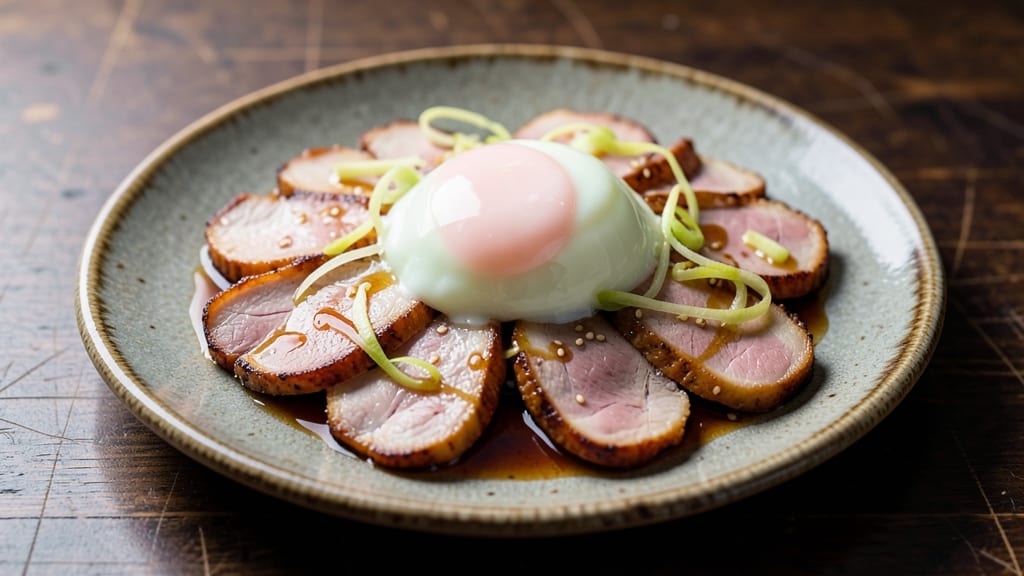
This steamed egg pork recipe delivers the perfect harmony of tender pork and delicate egg ribbons, all achieved through traditional Chinese wok hei technique. The secret lies in marinating the pork with aromatic ginger and soy, then layering it with silky egg custard for a restaurant-quality result at home.
What makes this dish special is how the pork absorbs the savory marinade while the eggs transform into delicate, melt-in-your-mouth strands during steaming.
The process begins with properly marinating the pork to ensure maximum flavor penetration, followed by carefully preparing the egg custard mixture. Steaming both together creates a dish where each component enhances the other—the pork remains juicy and flavorful while the eggs achieve that signature silky texture.
This technique transforms simple ingredients into a meal that feels luxurious and satisfying.
By the time you plate this dish, you'll have perfectly steamed pork slices with egg ribbons draped elegantly over them, all resting on a bed of steamed rice.
The aroma alone will have everyone at the table anticipating every bite, and the balance of textures—tender pork, delicate eggs, and fluffy rice—makes this a complete meal. The dish is elegant enough for special occasions but simple enough for weeknight dinners.
Pair with steamed bok choy or stir-fried greens to complete the meal, and don't be afraid to adjust the seasoning to suit your taste. The key is patience during the steaming process—rushing will compromise the texture of both the pork and the eggs.
With this recipe, you're not just making dinner; you're creating an experience that brings a touch of Chinese home cooking tradition to your table.
Ingredients for steamed egg pork
Twelve ingredients transform into restaurant-quality steamed egg pork with tender pork and silky egg ribbons.
| Ingredient | Amount | Notes |
|---|---|---|
| Pork Shoulder 🥩 | 1 lb | Thinly sliced, boneless |
| Fresh Ginger 🧄 | 2 tbsp | Finely grated, aromatic |
| Large Eggs 🥚 | 4 whole | Room temperature preferred |
| Light Soy Sauce 🍶 | ¼ cup | Kikkoman preferred |
| Shaoxing Wine 🍷 | 2 tbsp | Or dry sherry substitute |
| Sesame Oil 🫒 | 1 tbsp | Toasted, for aroma |
| White Sugar 🍚 | 1 tbsp | Balances flavors |
| Cornstarch 🌾 | 1 tbsp | For egg custard |
| Green Onions 🧅 | 3 whole | Sliced, for garnish |
| Steamed White Rice 🍚 | 2 cups | Cooked, for serving |
| Vegetable Oil 🫒 | 1 tbsp | For pork marinade |
| Salt 🧂 | ½ tsp | Kosher preferred |
| Black Pepper 🌶️ | ¼ tsp | Freshly ground |
The pork shoulder is key—ask your butcher to slice it paper-thin against the grain for maximum tenderness. Fresh ginger should be bright yellow and firm, not shriveled or moldy. Whole Foods or Asian markets often carry pre-sliced pork, but if you slice it yourself, freeze the slices for 30 minutes first to make it easier. The eggs need to be room temperature—cold eggs won't blend smoothly into ribbons. For Shaoxing wine, Trader Joe's carries a decent substitute if you can't find it at an Asian market.
No Shaoxing wine? Dry sherry or mirin work in a pinch, but reduce the amount by half. The sesame oil is non-negotiable for aroma—Kadoya or La Choy are reliable brands. If you can't find light soy sauce, regular soy sauce with 1 tsp sugar mimics the balance. For the egg custard, cornstarch is essential—it creates the signature silky texture. The green onions can be swapped for scallions, but keep the white and green parts separate for garnish. Prefer jasmine rice? Steam it separately to maintain its delicate aroma.
Marinated pork keeps 2 days in the fridge, but the egg mixture must be made fresh. Steam both components together—never reheat the egg mixture after cooking. Leftover pork reheats beautifully in a steamer for 2-3 days. For extra convenience, prep the marinade and egg mixture the night before, then steam in the morning. The dish tastes even better the next day as flavors meld.
Why You'll Love This Recipe
- Steam Magic Simplicity: I swear by this recipe because it’s the kind of meal where you can set it and forget it. Slice the pork, crack eggs into a bowl with soy sauce and wine—no fancy techniques, just layering flavors while the steamer does all the work. Honestly, my lazy Sundays thank me every time.
- Umami Bomb: That combo of Shaoxing wine and light soy sauce? It’s like a flavor explosion in your mouth. The pork stays tender while the eggs soak up just enough of that savory punch—no heavy sauces, just pure, addictive taste. I’ll be real: my husband steals leftovers straight from the pot.
- Weeknight Hero: This dish is my go-to when I’m swamped but still want something impressive. Serve it over rice for a quick dinner or double the batch for potlucks—it reheats beautifully and always gets rave reviews. (Yes, even on a Tuesday night.)
- Budget-Friendly Feast: Pork shoulder and eggs are pantry staples that stretch far, and ginger adds depth without costing much. I make this twice a month, and it’s always the dish that makes my grocery money go further. Plus, leftovers taste just as good cold—perfect for lunches.
Step-by-step instructions for steamed egg pork
Master this Chinese classic with tender pork and silky egg ribbons in just one pot.
Prepare the Ginger-Braised Pork
Heat the 1 tablespoon vegetable oil in a wok or deep skillet over medium-high heat. Add the 1 lb thinly sliced pork shoulder and sear for 3-4 minutes until the edges turn slightly opaque and the pork loses its raw pink color. This quick sear builds flavor without fully cooking the meat.
Reduce heat to medium and add the 2 tablespoons finely grated fresh ginger. Stir for 1 minute until the ginger becomes fragrant and slightly translucent. Pour in the 2 tablespoons Shaoxing wine and 0.25 cup light soy sauce, scraping up any browned bits from the bottom of the pan. These bits pack intense umami flavor that will infuse the entire dish.
Create the Egg Custard Mixture
In a separate bowl, whisk together the 4 whole large eggs until the yolks and whites are fully combined. Add the 1 tablespoon white sugar, 1 tablespoon cornstarch, 0.5 teaspoon salt, and 0.25 teaspoon black pepper. Whisk until smooth and well incorporated. The cornstarch will help create that signature silky texture when steamed.
Slowly drizzle in the 1 tablespoon sesame oil while continuing to whisk. This step is crucial—it distributes the oil evenly throughout the egg mixture, preventing any single area from becoming overly greasy. The sesame oil adds depth of flavor that complements the ginger and pork perfectly.
Combine and Steam to Perfection
Return the pork mixture to a simmer over medium-low heat. Pour the egg mixture evenly over the pork, stirring gently with a heatproof spatula to distribute it completely. The eggs should coat the pork in an even layer, creating a beautiful marbled effect. Immediately remove from heat and transfer to a heatproof steamer basket lined with cheesecloth or a clean kitchen towel.
Place the steamer over a pot of boiling water and cover with a lid. Steam for 12-15 minutes until the egg custard sets completely and the pork reaches an internal temperature of 160°F. You'll know it's ready when the top forms a smooth, glossy surface that jiggles slightly when the pan moves. The pork should be tender but not falling apart—it will continue cooking slightly as it rests.
Garnish and Serve
Remove from the steamer and let rest for 2 minutes. Use a sharp knife to cut the steamed egg pork into 4 equal portions, being careful to slice through both the egg and pork layers cleanly. Garnish each portion with 3 sliced green onions for freshness and color contrast.
Serve immediately over 2 cups steamed white rice, spooning the egg ribbons and pork onto each serving. The dish should have a beautiful presentation with glossy egg ribbons intertwined with tender pork. Each bite should deliver perfect harmony of textures—silky egg custard, tender pork, and aromatic ginger-soy braising liquid.
Pro Tips For Making Steamed Egg Pork
- PREP PORK IN SLICES: Cut the pork shoulder into 1/2-inch thick slices before marinating—thinner pieces cook faster and absorb the Shaoxing wine and soy sauce more evenly. I used to leave it in big chunks, and half the time it’d be dry or undercooked by the time the eggs set.
- JULIENNE THAT GINGER: Shred the fresh ginger into matchsticks, not thin slices—this way, it infuses flavor without turning the dish into a ginger soup. After burning my first batch, I realized tiny pieces dissolve into mush while steaming.
- CRACK EGGS ON PLATE: Separate the eggs onto a plate first, then slide them into the steamer basket—this keeps the whites intact and prevents them from breaking into the broth below. Trust me, you’ll save yourself a mess when the eggs spill over.
- SEAL THE BASKET: Place a damp paper towel over the pork and eggs before steaming—this traps moisture and keeps the pork tender, not rubbery. I skipped it once, and the pork turned out dry as a bone. (Yes, even if it feels like overkill.)
Best sauces and condiments for this dish
Classic Ginger-Soy Glaze
This signature sauce elevates every bite by balancing sweet, salty, and umami flavors. Start with 2 tbsp Shaoxing wine and 2 tbsp light soy sauce (Kikkoman preferred) in a small saucepan.
Add 1 tbsp white sugar and 1 tbsp grated ginger, then simmer over low heat for 5 minutes until slightly reduced. Finish with ½ tsp toasted sesame oil—this adds nutty depth that complements the pork beautifully. 🌶️
For extra richness, whisk in 1 tsp cornstarch mixed with 1 tbsp water to create a glossy sheen. Drizzle this sauce over the steamed egg pork just before serving, letting it soak into the layers for maximum flavor impact.
I like to warm the sauce separately to preserve its aromatic qualities.
Spicy Chili Oil Drizzle
Transform this dish into a fiery sensation with a homemade chili oil that cuts through the richness. Combine ¼ cup neutral oil (like vegetable or canola) with 2 tbsp dried red chili flakes and 1 tbsp Sichuan peppercorns in a small saucepan.
Heat over low heat for 3-4 minutes until fragrant, then strain through a fine-mesh sieve. Drizzle 1 tsp over each serving for a bold kick.
For a milder version, reduce the chili flakes to 1 tbsp and add ½ tsp garlic powder for depth. This oil pairs especially well with the dish's natural sweetness, creating a perfect balance of heat and umami.
Store leftover chili oil in an airtight container for up to 2 weeks.
Sweet and Tangy Plum Sauce
Add a fruity contrast with a quick plum sauce that brightens the dish. Simmer ½ cup plum jam (like Bonne Maman) with 1 tbsp rice vinegar and ½ tsp grated ginger over medium heat for 5 minutes.
Thin with 1 tbsp water if needed for a smoother consistency. This sauce works beautifully as a dipping sauce or drizzled over the top of the egg ribbons.
For extra complexity, stir in ½ tsp red pepper flakes while warm. The sweet-tangy-savory combination enhances the pork's natural flavors while adding a refreshing element. I often serve this sauce on the side for guests to customize their portions.
Garlic-Chili Scallion Oil
This aromatic oil adds freshness and heat in one simple step. Heat 2 tbsp neutral oil in a small pan over low heat, then add 2 minced garlic cloves and 2 tbsp sliced scallions.
Cook for 1-2 minutes until fragrant but not browned. Finish with ½ tsp chili crisp (like Lao Gan Ma) for heat. Drizzle over the dish just before serving to maintain its vibrant color and fresh flavor.
The garlic-chili oil works particularly well when served alongside the steamed egg pork and rice. Its bright, pungent notes cut through the richness of the pork and eggs, creating a well-rounded flavor profile. Store any leftover oil in the refrigerator for up to 1 week.
Nutrition facts
Frequently asked questions
Can I use chicken instead of pork in this recipe?
While pork is traditional, you can absolutely substitute 1 lb thinly sliced chicken breast for a lighter version. The cooking time will be slightly shorter (10-12 minutes steaming), but the technique remains the same. For extra tenderness, marinate the chicken in the same ginger-soy mixture for 30 minutes before cooking.
Why do the egg ribbons turn out rubbery instead of silky? Rubbery eggs usually mean overcooking or incorrect egg mixture preparation.
What's the best way to reheat leftover steamed egg pork?
Steam is your friend! Place leftovers in a heatproof dish with 1 inch of water in a pot, cover, and heat over medium-low heat for 5-7 minutes. Microwaving can make the eggs rubbery. For extra flavor, add a splash of water or Shaoxing wine to the pot before reheating.
Can I make this dish ahead of time?
The pork marinade keeps 2 days in the fridge, and the egg mixture can be prepped 1 day ahead. However, steam the components fresh—never reheat the egg mixture after cooking. For best results, marinate the pork and mix the eggs the night before, then assemble and steam in the morning.
What vegetables pair well with steamed egg pork?
Light, steamed greens complement this dish beautifully. Try bok choy, garlic spinach, or steamed broccoli with a sprinkle of sesame seeds. For extra color, add sautéed mushrooms or quick-pickled cucumbers to cut through the richness.