
Desserts
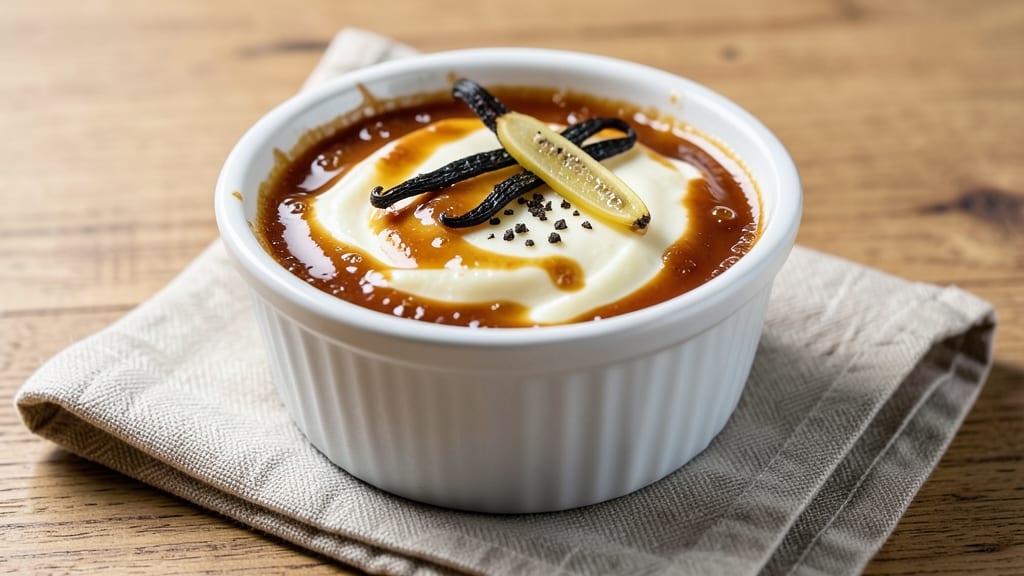
This steamed egg custard dessert delivers restaurant-quality silkiness with a caramelized top that begs for the first bite. The secret lies in precise steaming techniques and a vanilla-infused custard that transforms into cloud-like perfection when done right.
I've perfected this recipe after years of trial and error, ensuring every spoonful melts effortlessly on your tongue.
The magic happens in the steaming process, where gentle heat cooks the custard evenly without curdling. A simple vanilla bean infusion elevates the flavor, while a touch of sugar on top caramelizes beautifully during the final step.
What makes this dessert truly special is its foolproof texture—no lumps, no overcooking, just velvety smoothness in every bite.
By the time you're done, you'll have a dessert that's elegant enough for special occasions but simple enough for weeknight treats. The caramelized top adds a delicate crunch, while the custard inside remains silky and rich, perfectly balanced with vanilla's warm aroma.
This is dessert-making at its finest—no fancy equipment required.
Whether you're serving it at a dinner party or enjoying it solo, this custard will impress with its restaurant-quality finish. The technique is straightforward, but the results are undeniably luxurious. Let's create something truly special together.
Ingredients for steamed egg custard dessert
Six ingredients transform into cloud-like perfection with a caramelized crown—no shortcuts, just pure elegance.
| Ingredient | Amount | Notes |
|---|---|---|
| Large Egg Yolks 🥚 | 6 whole | Freshly separated from whites |
| Granulated Sugar 🍚 | ¾ cup | Superfine preferred for smoothness |
| Whole Milk 🥛 | 2 cups | Full-fat for creaminess |
| Vanilla Bean 🍃 | 1 whole | Split lengthwise for seeds |
| Unsalted Butter 🧈 | 2 tbsp | Cold, cubed for caramelization |
| Granulated Sugar (for caramel) 🍚 | 2 tbsp | Light brown preferred |
| Pinch of Salt 🧂 | ¼ tsp | Fine sea salt |
| Heavy Cream 🥛 | ½ cup | Optional for extra richness |
| Large Egg Whites 🥚 | 4 whole | Optional for texture variation |
The vanilla bean is non-negotiable here—Madagascar Bourbon from Williams Sonoma delivers the best depth, but any quality bean works. Split it lengthwise, scrape out those tiny black seeds, and toss them into the custard while the pod infuses the milk. For the milk, whole milk is essential; skim or almond milk will never give that luxurious mouthfeel. Egg yolks should be fresh—older yolks curdle more easily. If you're nervous about separation, whisk the yolks and sugar together first to create a base before adding the milk. The butter for caramelization? European-style melts cleaner—Plugrá is my go-to, but any good-quality butter works.
No vanilla bean? Pure vanilla extract at half the amount is a decent swap, though it lacks the floral depth. Running short on butter? Coconut oil at the same quantity caramelizes just as beautifully. The heavy cream is truly optional—if you're making this for a crowd, skip it to save costs, but trust me on the full-fat version. For the egg whites, if you're feeling adventurous, fold them in at the end for a lighter texture, but the classic version relies solely on yolks for its signature silkiness. The sugar for caramelization? Light brown adds subtle molasses notes that pair perfectly with vanilla.
This custard is all about patience. Once steamed, it keeps 3 days in the fridge, but the flavor deepens overnight—always make it ahead for dinner parties. For serving, dust with powdered sugar or a sprinkle of flaky salt to balance the sweetness. The caramelized tops can be made 1 day ahead and reheated gently in the oven before serving. If you're making this for a crowd, double the recipe—it reheats beautifully in a Bain-Marie or even the microwave at low power for 30-second bursts. Leftovers? Reheat gently and enjoy with a dollop of whipped cream or fresh berries.
Why You'll Love This Recipe
- No Special Tools Needed: I swear by this—just a steamer basket, a bowl, and a whisk. No fancy gadgets, no last-minute store runs. The yolks and milk blend in seconds, and the vanilla bean (even a scrap from a jar) adds that magic without fuss.
- Velvet-Smooth Magic: That first spoonful? Pure bliss. The butter and sugar caramelize just enough to coat your tongue, while the vanilla lingers like a whisper. It’s rich but never heavy—like a hug from your favorite dessert.
- Weeknight Dessert Win: Between us, I’ve served this to skeptical teens and my grandma’s book club. No one bats an eye when it appears. Make a double batch, chill it, and pull it out for late-night cravings or a quick dessert after dinner.
- Budget-Friendly Luxury: Egg yolks and milk? Affordable staples. A single vanilla bean lasts forever if you scrape it right. The custard keeps for days in the fridge, so you’re not scrambling to bake something last-minute. (Yes, even on a Tuesday night.)
Step-by-step instructions for steamed egg custard dessert
Here's how to create silky vanilla custard with a perfect caramelized top—every detail matters.
Infuse Milk with Vanilla and Prepare the Custard Base
In a medium saucepan, combine the 2 cups whole milk with the split 1 whole vanilla bean and 0.25 tsp pinch of salt. Gently heat over medium-low heat until the milk reaches 185°F, just before it begins to simmer. Remove from heat immediately and let steep for 15 minutes—this ensures deep vanilla flavor without bitterness.
While the milk infuses, whisk together the 6 whole large egg yolks, 0.75 cup granulated sugar, and 0.5 cup heavy cream in a heatproof bowl until smooth and pale. The mixture should be thick but pourable—this prevents curdling when heated. Place the bowl over a pot of barely simmering water (double boiler method) and whisk constantly for 5 minutes until the mixture reaches 170°F and thickens slightly. This gentle heating process creates the signature silky texture.
Create the Caramelized Topping
In a separate small saucepan, melt the 2 tbsp unsalted butter over medium heat until foaming subsides. Add the 2 tbsp granulated sugar (for caramel) and stir constantly with a silicone spatula until it dissolves completely. Continue cooking without stirring until the mixture turns a deep amber color—this should take about 3-4 minutes. Immediately pour this caramel into a 6-ounce ramekin, tilting to coat the bottom evenly. Set aside.
Assemble and Steam the Custards
Strain the infused milk through a fine-mesh sieve to remove vanilla seeds, then gradually whisk it into the egg yolk mixture until fully combined. Divide this custard mixture evenly among the prepared ramekins, filling each about ¾ full. For extra texture, gently fold the 4 whole large egg whites into the remaining custard mixture and pipe a swirl on top of each custard before steaming.
Place the ramekins in a steamer basket over 1 inch of boiling water in a pot. Cover with a lid and steam over medium-high heat for 30-35 minutes. The custards are done when they've set but still have a slight wobble in the center—this indicates perfect doneness. Avoid opening the lid during steaming to maintain even heat distribution.
Chill and Serve with Confidence
Remove the ramekins from the steamer and let cool at room temperature for 10 minutes. Then refrigerate for at least 4 hours (overnight is ideal) to allow flavors to meld and textures to set properly. When ready to serve, run a knife around the edges of each custard and invert onto plates. The caramelized topping will create a beautiful cascade, while the custard inside remains silky and cloud-like.
Serve chilled with fresh berries or a dusting of powdered sugar. The contrast between the warm caramel, cool custard, and any complementary fruit creates a truly luxurious dessert experience. Each bite should deliver that perfect balance of sweetness, vanilla depth, and creamy texture—proof that patience in the process yields extraordinary results.
Pro Tips For Making Steamed Egg Custard Dessert
- Whisk Yolks Like Mad: Beat those egg yolks with sugar until the mixture turns pale and triples in volume—about 3-5 minutes. I used to stop at "lightened," but this extra step makes the custard silky instead of grainy, especially when you’re steaming it. (Yes, your arm will hate you, but the dessert won’t.)
- Scald Milk, Don’t Boil: Heat the milk until it’s hot enough to steam but not so hot it bubbles at the edges—around 170°F (77°C). Boiling it turns the custard rubbery, and I’ve learned that the hard way after making a batch that tasted like sad pudding. A thermometer helps, but even a quick flick of the wrist should show tiny bubbles breaking the surface.
- Strain the Vanilla: Split the vanilla bean lengthwise, scrape out the seeds, and strain the pod’s pulp through a fine-mesh sieve into the milk. The pod’s bitterness lingers like a ghost if you just drop it in whole, and you’ll taste it in every bite. (Save the pod for tea—it’s worth it.)
- Steam on Medium-Low: Use a tight-fitting lid and keep the heat at a gentle simmer—no rolling boil, no lazy drip. Too hot and the top sets while the bottom stays runny; too cool and you’re waiting forever. Test doneness by inserting a knife: it should come out clean but slightly warm, not cold. (This isn’t a race.)
Troubleshooting perfect results
Curdled Custard Fix
If your custard separates or curdles, don’t panic—this happens when heat is too direct or eggs cook too fast. First, strain the mixture through a fine-mesh sieve to remove any lumps. Then, whisk in 1 tablespoon cold milk per ¼ cup of separated custard to restore smoothness.
For extra insurance, add ½ teaspoon cornstarch mixed with 1 teaspoon cold water to thicken it back up. Always temper eggs by gradually adding warm milk to the yolks while whisking vigorously to prevent future curdling. 💡
Undercooked Centers
If your custard has a wobbly center after 30-35 minutes of steaming, it’s not necessarily undercooked—this is the ideal texture! However, if it’s completely liquid, extend steaming by 5-10 minutes in 5-minute increments, checking every time.
Avoid oversteaming, as it can dry out the custard. For next time, ensure your ramekins are ¾ full and the water in the steamer is 1 inch deep—both help distribute heat evenly. 🌡️
Caramel Too Thin
A runny caramel topping usually means the sugar wasn’t cooked long enough or the heat was too low. Next time, melt the butter over medium heat until foaming stops, then add sugar and cook without stirring until it reaches a deep amber color (3-4 minutes).
For a thicker caramel, reduce the sugar by ½ teaspoon or use light brown sugar, which contains more molasses for better structure. Work quickly—caramel burns fast! 🔥
Steamer Issues
If your custards aren’t steaming properly, the water might not be hot enough or the lid isn’t sealed tightly. Ensure your steamer basket fits snugly in the pot and the water is boiling vigorously before placing ramekins inside.
For even heat, add a steamer insert or a rack to keep ramekins elevated. If using a stovetop steamer, avoid opening the lid during cooking—this disrupts temperature control and can lead to uneven cooking. 💨
Ramekins Sticking
Custards sticking to ramekins usually means they weren’t chilled long enough or the ramekins lack nonstick properties. Always let custards cool at room temperature for 10 minutes before refrigerating. For easier release, lightly grease ramekins with butter or use 6-ounce ceramic ramekins (they’re naturally nonstick).
Run a thin knife around the edges before inverting to ensure clean separation. If stuck, place ramekins in the fridge for 10 minutes to firm up before trying again. ✨
Flat Caramelized Top
A flat or dull caramelized top often means the sugar wasn’t cooked to the right temperature or the custard wasn’t hot enough when poured.
For a glossy finish, cook the caramel to a deep amber color and ensure the ramekins are pre-warmed (place them in the steamer for 2 minutes before adding custard). After steaming, let custards sit at room temperature for 10 minutes before chilling—the contrast helps the caramel set properly. 💫
Nutrition facts
Frequently asked questions
Can I make this steamed custard without a steamer basket?
If you don't have a steamer basket, use a heatproof plate or colander that fits snugly over a pot. Fill the pot with 1 inch of boiling water and place your ramekins on the plate. Cover tightly with a lid or foil to trap steam. The key is maintaining medium-high heat and avoiding any gaps where steam could escape.
How do I know when the custard is fully set?
The perfect doneness is when the custard has a slight gentle wobble in the center—like Jell-O. If it's completely firm, it's overcooked and may be dry. For visual confirmation, the edges should be fully set while the center remains just slightly underdone. This texture ensures that silky mouthfeel we all love.
Can I substitute vanilla extract for the vanilla bean?
Yes, but with a trade-off. Use 1 teaspoon pure vanilla extract instead of a whole bean. The extract will give you vanilla flavor, but you'll miss the beautiful flecks of seeds and the deeper floral notes that come from using the pod. For best results, combine ½ teaspoon extract with ½ teaspoon vanilla bean paste if available.
Why does my caramelized top crack or spread unevenly?
This usually happens when the custard isn't hot enough when poured or the caramel isn't cooked to the right temperature. Always cook the caramel to a deep amber color and ensure your ramekins are pre-warmed (place them in the steamer for 2 minutes before adding custard). Let the custards cool at room temperature for 10 minutes before chilling to help the caramel set properly.
How long can I store these custards?
These custards keep beautifully for 3 days in the fridge when stored in airtight containers. The flavor actually improves overnight as the custard sets further. For longer storage, freeze them for up to 1 month. Thaw in the fridge overnight before serving. The caramelized tops can be made 1 day ahead and reheated gently in the oven before serving.