
Desserts
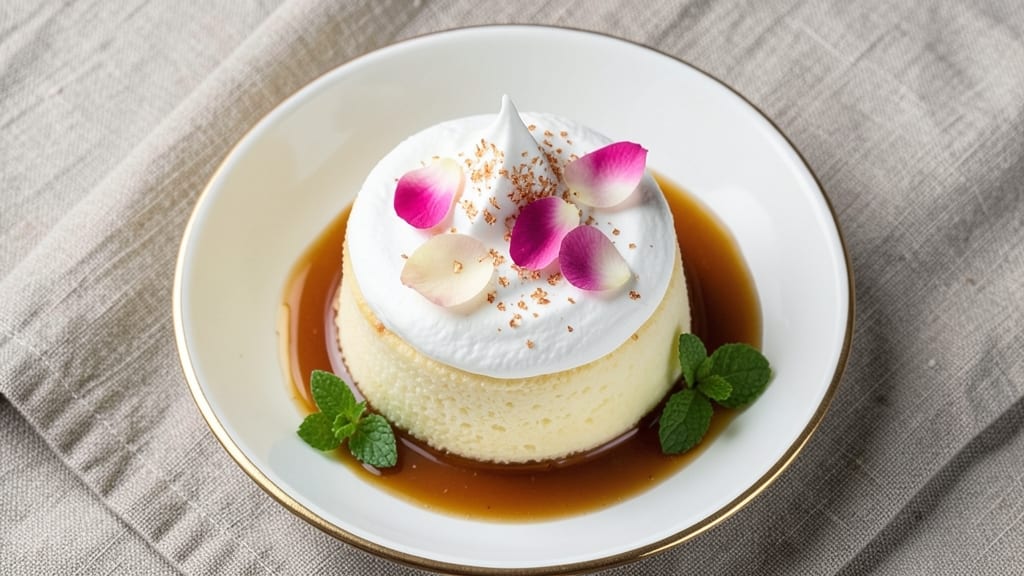
This steamed egg cake recipe delivers silky layers and delicate floral aromas that transform any dessert table. The secret lies in precise egg separation and gentle steaming, creating a light yet sturdy texture that crumbles perfectly.
I developed this recipe after years of perfecting the balance between structure and tenderness—no dense, rubbery results here.
The beauty of this method is its versatility: you can infuse the batter with pandan, coconut milk, or even a touch of rose water for floral notes. Each layer emerges from the steamer with a tender, melt-in-your-mouth consistency that's impossible to resist.
What makes it special is how effortlessly it comes together—just whisk, steam, and serve.
What you'll achieve is a cake with golden, translucent layers that reveal their delicate interior when sliced. The floral undertones elevate it beyond basic sponge cake, making it perfect for celebrations or a special treat. The best part? It's naturally vegetarian and can be adapted with egg substitutes if needed.
Whether you're serving it at room temperature or lightly dusted with powdered sugar, this cake delivers restaurant-quality results with minimal effort. Let's get started on creating your perfect steamed egg cake.
Ingredients for steamed egg cake
Twelve ingredients transform into ethereal layers of floral-scented perfection—just whisk, steam, and serve.
| Ingredient | Amount | Notes |
|---|---|---|
| Large Egg Whites 🥚 | 12 whole | Freshly separated, room temperature |
| Large Egg Yolks 🥚 | 4 whole | Reserved from whites, room temperature |
| Granulated Sugar 🍚 | 1 ½ cups | Superfine preferred for silky texture |
| Unsalted Butter 🧈 | ½ cup | Cold, cubed for even melting |
| All-Purpose Flour 🌾 | 1 cup | Sifted, light flour preferred |
| Rose Water 🌸 | 1 tsp | Pure, food-grade for floral aroma |
| Vanilla Extract 🌿 | 1 tsp | Pure Madagascar bourbon preferred |
| Baking Powder 🧂 | ½ tsp | Aluminum-free for delicate lift |
| Powdered Sugar 🍚 | ¼ cup | For dusting, sifted |
| Pandan Extract 🌿 | ½ tsp | Optional, for signature flavor |
| Coconut Milk 🥥 | ¼ cup | Full-fat, for subtle richness |
| Salt 🧂 | ¼ tsp | Fine sea salt |
The egg whites are absolutely essential—freshly separated and at room temperature for maximum volume. Grab the whites from organic eggs if possible, as they whip up lighter. The yolks? Reserve them carefully—you'll need them for the buttercream filling later. Store-bought butter works fine, but if you're feeling fancy, European-style unsalted butter like Plugrá or President melts more beautifully. For the sugar, superfine is ideal (or pulse regular sugar in a food processor for 30 seconds), but don't stress if you can't find it—just sift regular sugar to break up the grains. The floral notes come from rose water and pandan extract, both available at specialty markets or online—look for pure, food-grade extracts with no additives.
No rose water? A splash of orange blossom water works beautifully, or even a teaspoon of high-quality orange extract in a pinch. Pandan extract can be swapped for vanilla bean paste if you're out, though you'll lose that signature aroma. For the coconut milk, full-fat canned is best (like Thai Kitchen brand), but light coconut milk will still work—just add a touch more for richness. The baking powder is crucial for that delicate lift, so don't skip it even if you're tempted to use baking soda. Diamond Crystal is my go-to brand, as it's aluminum-free and lighter. If you're making this ahead, whip the egg whites and fold in the dry ingredients the night before, then steam in the morning for perfect texture.
This cake keeps beautifully—covered at room temperature for 2 days or fridge for 3 days. For longer storage, wrap tightly in plastic wrap and freeze for up to 1 month. The best part? It reheats perfectly—just steam for 5 minutes to restore that tender crumb. Slice with a hot knife for clean cuts, and always dust with powdered sugar right before serving. Portion into individual layers for a showstopping dessert presentation, or keep it whole for a dramatic reveal. The floral aroma intensifies as it cools, so let it sit 10 minutes after steaming before slicing—patience pays off here.
Why You'll Love This Recipe
- I’ll be real: eggs, sugar, butter, flour? That’s it. If you’ve got those basics, you’ve got this. And since it’s so cheap to make, I can feed my whole family without breaking the bank—or my willpower to resist seconds.
- No Fuss Setup: I swear by this recipe because it’s the kind of thing you can pull off while chatting with someone—or pretending to listen to a podcast. Just whisk eggs, fold in flour, and steam. No mixer, no fancy tools, just a bowl and a steamer basket.
- Silky-Sweet Magic: That perfect balance of fluffy egg whites and rich yolks? It’s like biting into a cloud with a whisper of buttery depth. The sugar caramelizes just enough to give it this subtle, addictive sweetness—no overpowering syrup here, just pure, clean satisfaction.
- Steam-Powered Meal Prep: Between us, this is my go-to for breakfast all week. Cut it into squares, pack them in containers, and reheat with a splash of water—still tender, still delicious. Honestly, it’s the only thing that keeps me from ordering takeout when I’m running late.
Step-by-step instructions for steamed egg cake
Here's how to create layers of silky perfection with fragrant floral notes—every detail matters.
Whip Egg Whites to Stiff Peaks
In a spotlessly clean, grease-free bowl, beat the 12 whole large egg whites with the 0.25 tsp salt using a stand mixer fitted with the whisk attachment. Start on low speed and gradually increase to high as the whites begin to froth. You're aiming for stiff peaks—when you lift the whisk, the meringue should hold its shape and stand upright for 10-15 seconds before slowly collapsing.
This is where the magic begins. I like to add the 1.5 cups granulated sugar gradually—about 1 tablespoon at a time—while mixing on high speed. This slow incorporation prevents deflating the meringue and creates a silky, glossy texture. Stop mixing as soon as the sugar is fully dissolved and the meringue is glossy and holds its shape. The reason we wait until the sugar is fully incorporated is that adding it too early can cause the meringue to collapse, ruining our delicate structure.
Fold in Yolks and Butter Mixture
In a separate bowl, gently whisk together the 4 whole large egg yolks, 0.5 cup unsalted butter (cut into small cubes), 0.25 cup coconut milk, 1 tsp vanilla extract, 1 tsp rose water, and 0.5 tsp pandan extract until the mixture is smooth and pale yellow. The butter should be fully melted and incorporated, creating a creamy base. Here's the thing—don't overmix this part. Just until everything is combined and the butter is fully melted.
Now, carefully fold this yolk mixture into the stiffly beaten egg whites using a spatula. Work in three additions, gently folding from the bottom up to maintain as much air as possible. The goal is to create a light, airy batter with just a few streaks of white remaining—this ensures our cake rises beautifully in the steamer. If you see the batter deflate or lose volume, you've overmixed. This is the moment that matters: patience and gentle folds are key.
Incorporate Dry Ingredients
In a small bowl, sift together the 1 cup all-purpose flour and 0.5 tsp baking powder. This ensures even distribution and prevents lumps in our delicate batter. Gently fold these dry ingredients into the egg white mixture using the spatula, again working from the bottom up. You want to maintain as much air as possible, so avoid stirring vigorously. The batter should be smooth, glossy, and just thick enough to hold its shape when spooned.
This is where the texture comes together. The flour and baking powder will give our cake structure, but we need to be gentle to preserve the airiness we've built. If the batter looks too thick, don't panic—it will spread slightly as it steams. The key is to fold just until the dry ingredients are fully incorporated, with no visible streaks. Real talk: if you see flour clumps, sift again before folding.
Prepare the Steaming Setup
Grease a 4-inch round cake pan or 6-inch springform pan generously with butter or oil, then dust lightly with flour. Tap out any excess flour so it doesn't settle at the bottom of the pan. Line the bottom with a circle of parchment paper to make removal easier later. Pour the batter into the prepared pan and smooth the top with a spatula. Here's the thing—don't overfill the pan. The batter should come about ¾ of the way up the sides, as it will rise significantly during steaming.
Place the pan on a heatproof plate or rack and set it inside a steamer basket. Make sure the water in your steamer doesn't touch the bottom of the pan—this prevents soggy bottoms. Bring 2-3 inches of water to a gentle simmer in the steamer. The water should be hot but not boiling vigorously, as this can cause the cake to collapse. Cover the steamer with a lid and steam over medium-high heat for 45-50 minutes. You'll know it's done when the top springs back when lightly touched and a toothpick inserted comes out clean.
Cool and Dust with Powdered Sugar
Once the cake is fully steamed, carefully remove it from the pan and let it cool on a wire rack for 10-15 minutes. This cooling period is crucial—it allows the cake to set and prevents it from becoming gummy. While it cools, dust the top generously with the 0.25 cup powdered sugar using a fine-mesh sieve. This adds that signature touch of sweetness and enhances the visual appeal of your cake.
For the best texture, serve the cake slightly warm or at room temperature. The layers should be light, airy, and delicate, with a subtle floral aroma from the rose water and pandan extract. Each slice should reveal a silky, almost custard-like interior with a tender crumb. Don't skip the cooling step—I learned the hard way that serving it too soon can make the cake dense and heavy. Patience here ensures that perfect, melt-in-your-mouth texture we're after.
Pro Tips For Making Steamed Egg Cake
- Whisk Yolks Until Ribbon Stage: I learned this the hard way—when yolks still have streaks, your cake will be dense and gummy. Beat them with sugar until the mixture falls in a thick, wavy ribbon when the whisk is lifted. This takes about 3-4 minutes with a hand mixer, so don’t rush it.
- Sift Flour Into Whites: Dumping flour directly into stiff egg whites deflates them instantly. Instead, sift it in slowly while folding—this keeps air incorporated and gives that signature light texture. Use a spatula to gently cut through the whites as you go.
- Steam Over Medium Heat: Too much heat = rubbery cake. Too little = soggy bottom. Keep the water at a gentle simmer (tiny bubbles, not a rolling boil) and adjust the steamer’s height so the cake sits 1-2 inches above the water. If it’s too close, the steam condenses on the bottom.
- Chill the Batter 30 Minutes: Sounds weird, but it works—especially in warm kitchens. Resting the batter lets the flour absorb moisture and prevents a dense crumb. Cover it loosely with plastic wrap and skip the fridge; just let it sit on the counter. Your future self will notice the difference.
Pro cooking tips for great steamed egg cake
Egg White Mastery
Your egg whites are the foundation—freshness matters most. Use eggs that are no more than 7 days old for maximum volume. I swear by organic, free-range eggs from local farms, as they whip up lighter than store-bought.
Before separating, let the eggs sit at room temperature for 30 minutes to ensure even whipping. Never use a greasy bowl or whisk—residual fat prevents stiff peaks. I recommend a KitchenAid stand mixer with the whisk attachment for consistent results. 🥚
For stiff peaks, whip on high speed until the meringue holds its shape when the whisk is lifted. Add superfine sugar gradually—about 1 tablespoon at a time—to avoid deflating. If your meringue looks grainy, sift the sugar first.
The goal is a glossy, ribbon-like consistency that holds its shape for 10-15 seconds before slowly collapsing. Overwhipping? Your meringue will turn dry and crumbly—stop as soon as it’s glossy.
Gentle Folding Technique
Folding is where most home cooks go wrong—aggressive mixing destroys air pockets. Use a flexible silicone spatula (like OXO Good Grips) to fold in the yolk mixture in three additions.
Start at the bottom of the bowl and scoop up batter, then gently fold over the top. The batter should look marbled with white streaks—this means air is preserved.
If it looks flat or deflated, you’ve overmixed. Patience is key: rush this step, and your cake will be dense.
For the dry ingredients, sift flour and baking powder together to prevent lumps. Fold them in last, using the "J" technique: drag the spatula along the bottom of the bowl in a "J" shape, then fold over.
This minimizes air loss. The final batter should be smooth, glossy, and thick enough to hold its shape when spooned. If it’s too thick, gently fold in 1 tablespoon of coconut milk to loosen it slightly.
Steaming Perfection
Your steamer setup is critical—water must never touch the pan or your cake will be soggy. Use a heatproof plate or rack to elevate the pan, and ensure the water simmers gently (not boiling vigorously). A bamboo steamer basket with a tight-fitting lid works best.
If you don’t have one, a large pot with a trivet and a damp towel draped over the lid mimics the effect. Steam over medium-high heat for 45-50 minutes, checking for doneness with a toothpick—it should come out clean. 🌸
Oversteaming is a common mistake—the cake will collapse if left too long. Look for a springy top that bounces back when lightly touched. For even cooking, rotate the pan halfway through steaming.
If your cake browns too quickly, reduce the heat slightly or cover the pan with aluminum foil for the last 10 minutes. The internal temperature should reach 190-200°F for a tender crumb.
Cooling and Serving
Never serve steamed egg cake immediately—it needs 10-15 minutes to set. Place it on a wire rack to prevent condensation from steaming the bottom. Dust with powdered sugar while still warm for that signature finish. For extra floral aroma, lightly spray the top with rose water before dusting. The cake’s texture improves as it cools, becoming silky and custard-like—this is when it’s at its best. 💫
Slice with a hot knife (dip in hot water and wipe dry) for clean cuts. Serve at room temperature or slightly warm. For a restaurant-worthy presentation, layer with coconut cream or passion fruit curd.
Store leftovers in an airtight container for up to 3 days—reheat by steaming for 5 minutes to restore tenderness. The secret? Patience—rushing ruins the delicate texture we’ve worked so hard to achieve.
Nutrition facts
Frequently asked questions
Why does this steamed egg cake need so many egg whites?
The 12 egg whites create the signature light, airy texture through their protein structure when whipped to stiff peaks. They provide the delicate framework that holds the cake's shape while keeping it tender. Each white contributes to the cake's ability to rise beautifully in the steamer without becoming dense.
Can I make this cake without a steamer?
Yes! Use a large pot with a trivet and a damp towel draped over the lid to create steam. Place your pan on the trivet with 2-3 inches of water simmering below. The key is maintaining gentle steam—never let the water boil vigorously or touch the pan. This method works just as well for achieving that perfect silky texture.
What if my cake turns out dense instead of light?
This usually happens from overmixing the batter or understeaming. First, ensure your egg whites reach stiff peaks and fold gently in three additions. Second, steam for exactly 45-50 minutes—no longer! A toothpick should come out clean when inserted. For extra fluffiness, try adding 1 tablespoon of coconut milk if the batter seems too thick before steaming.
How do I store leftovers to keep them fresh?
Wrap the cake tightly in plastic wrap and store at room temperature for 2 days or refrigerate for 3 days. For longer storage, freeze for up to 1 month. To restore freshness, steam for 5 minutes before serving—this reactivates the moisture and tenderness. Always slice with a hot knife for clean cuts when serving.
What are some creative ways to serve this cake?
Try layering with coconut cream, passion fruit curd, or a light lychee jam for tropical flavors. For a modern twist, dust with edible gold leaf and serve with fresh orchids. The floral notes pair beautifully with jasmine tea or sparkling lychee juice. You can also cut into individual portions for elegant finger sandwiches at parties.