
Breakfast & Brunch
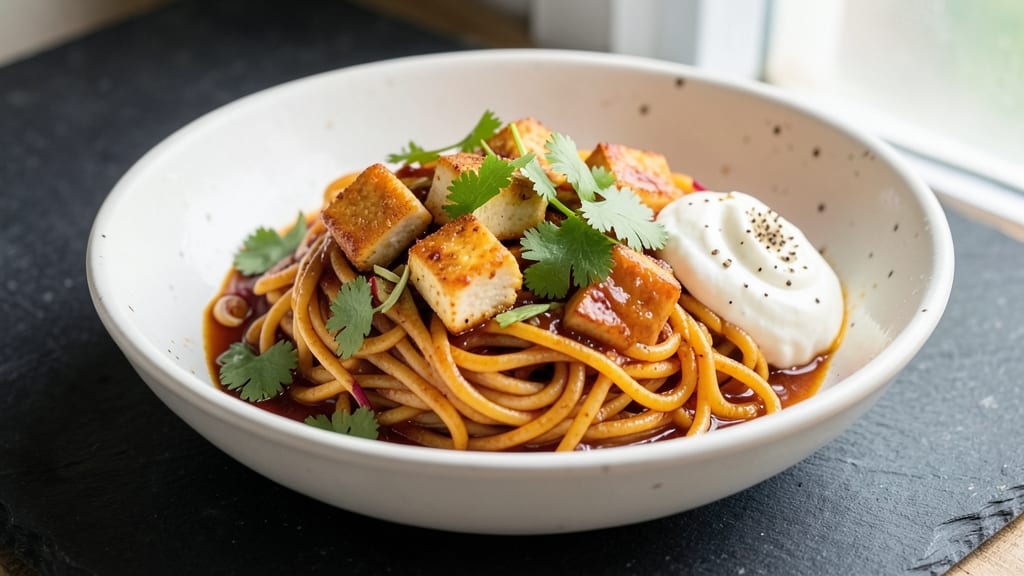
This spicy egg noodles recipe Indian style transforms a simple breakfast into a bold, aromatic dish that balances heat, tang, and creamy richness. 🔥 The secret lies in tempering whole spices like mustard seeds and cumin, which infuse the noodles with deep, toasty notes before a coconut cream twist mellows the garlic-tinged chili.
I’ve perfected this dish over years of adapting street-food flavors for home kitchens—no shortcuts, just layered complexity.
The magic happens in the sauce: a blend of yogurt, coconut milk, and tamarind creates a velvety, tangy base that clings to the noodles while keeping the heat vibrant.
You’ll stir-fry paneer or chicken (or tofu for a vegetarian version) until tender, then toss everything together for a dish that’s as satisfying as it is flavorful. The result is a restaurant-quality meal that takes just 30 minutes to prepare, with ingredients you likely already have.
What makes this recipe stand out is how it balances authentic Indian flavors with approachable techniques. The garam masala and red chili powder deliver the expected heat, while the coconut cream adds a luxurious twist that feels unexpectedly comforting.
Garnish with toasted cashews and fresh cilantro for crunch and brightness, and serve with a side of raita or steamed rice to round out the meal.
This dish is perfect for weeknight dinners, brunch gatherings, or even a quick lunch when you crave something hearty yet light. The beauty of this recipe is its adaptability—swap proteins, adjust the spice level, or add extra veggies like bell peppers or peas.
Let’s get cooking! Here’s everything you need to bring this bold, creamy, and spicy Indian-style noodle dish to life.
Ingredients for spicy egg noodles recipe indian style
Pantry staples meet bold Indian flavors—just 15 ingredients for a dish that packs heat, tang, and creaminess.
| Ingredient | Amount | Notes |
|---|---|---|
| Egg Noodles 🍜 | 8 oz | Fresh or dried, medium width |
| Paneer 🧀 | 8 oz | Cubed, firm variety preferred |
| Plain Yogurt 🥛 | ½ cup | Unflavored, full-fat preferred |
| Coconut Milk 🥥 | ½ cup | Full-fat canned, not carton |
| Tamarind Paste 🍈 | 1 tbsp | Adjust for tanginess preference |
| Garlic Cloves 🧄 | 6 cloves | Minced, fresh preferred |
| Red Chili Powder 🌶️ | 1 ½ tsp | Adjust for heat preference |
| Garam Masala 🌿 | 1 tsp | Freshly ground preferred |
| Mustard Seeds 🌱 | ½ tsp | Whole, for tempering |
| Cumin Seeds 🌿 | ½ tsp | Whole, toasted |
| Green Chilies 🌶️ | 2 whole | Slit lengthwise, adjust for heat |
| Fresh Cilantro 🌿 | ¼ cup | Chopped, for garnish |
| Toasted Cashews 🥜 | ¼ cup | Chopped, for garnish |
| Vegetable Oil 🫒 | 2 tbsp | High smoke point preferred |
| Salt 🧂 | 1 tsp | Adjust to taste |
The spices are where this dish shines. Whole mustard seeds and cumin need to sizzle in hot oil—don't skip this step! Grab them from the bulk bins at Whole Foods or Indian grocery stores for fresher flavor. Garam masala is non-negotiable here; MDH or Everest brands are reliable if you can't find freshly ground. For the paneer, look for blocks—not pre-cubed—which keeps better and melts more beautifully. The tamarind paste? Trader Joe's has a great one, or any Latin market will have it in blocks you can scrape.
No tamarind? Lemon juice plus a pinch of sugar works in a pinch, though it won't be identical. Fresh cilantro is ideal, but dried works at half the amount if you're in a bind. Swap paneer for chicken or tofu—just marinate the protein in yogurt and spices before cooking. The coconut milk can be light or full-fat; full-fat gives richer texture. For extra crunch, toast the cashews in a dry pan until golden—3-4 minutes max—then chop. And if you're worried about heat, reduce the red chili powder to 0.5 tsp and add more later.
Prep ahead to save time: Make the sauce (yogurt, coconut milk, tamarind, and spices) up to 2 days in advance and store in the fridge. The noodles should be cooked al dente—2 minutes less than package instructions—and tossed immediately with oil to prevent sticking. Garnishes keep for 1 week in airtight containers, though fresh cilantro is best used within 3 days. This dish reheats beautifully—just add a splash of water to prevent drying out.
Why You'll Love This Recipe
- I’ll be real: this recipe costs me about $3 for four servings. Egg noodles are cheap, paneer stretches far, and coconut milk adds luxury without breaking the bank. Plus, leftovers reheat like a dream—no dried-out noodles here, just that same satisfying chew and spice.
- No-Sauce Struggle: I swear by this recipe because it actually works with whatever’s in my fridge. Skip the fancy prep—just toss in egg noodles, crumbled paneer, and a splash of coconut milk for that silky richness. The tamarind paste cuts through the heat like a pro, so no last-minute grocery runs needed.
- Tamarind Tang Magic: Here’s what sold me—the tamarind paste isn’t just for show. It balances the yogurt’s coolness with a sharp, fruity kick that makes every bite addictive. Honestly, I’ve tried store-bought sauces, but this combo? It’s the real deal—no weird aftertaste, just pure flavor.
- Lunchbox Hero: Between us, this is my go-to for packed lunches or lazy Sundays. The noodles hold up for days, and the paneer stays firm (no soggy mess). Add a handful of cilantro and a squeeze of lime, and suddenly you’ve got a meal that’s way more exciting than sad desk salads.
Step-by-step instructions for spicy egg noodles Indian style
Here's how to make these bold, creamy noodles with layers of heat and richness.
🍳 Step 1: Cook the Noodles and Prepare the Paneer
Bring a large pot of water to a rolling boil and add 1 teaspoon salt. Add the 8 oz egg noodles and cook according to package instructions until al dente—about 3-4 minutes for fresh noodles or 6-7 minutes for dried. Drain immediately and rinse under cold water for 10 seconds to stop the cooking process. This prevents the noodles from becoming mushy when mixed with the sauce later.
While the noodles cook, heat 1 tablespoon vegetable oil in a small skillet over medium heat. Add the 8 oz paneer cubes and cook for 2-3 minutes per side until lightly golden. Remove and set aside on a paper towel-lined plate to drain excess oil. The paneer should be warm but not crispy—just enough to absorb the flavors without breaking apart.
🔥 Step 2: Temper the Spices for Maximum Flavor
In a small dry skillet, toast the 0.5 teaspoon cumin seeds and 0.5 teaspoon mustard seeds over medium heat for 30 seconds until they begin to pop and release their aroma. Immediately transfer them to a spice grinder or mortar and pestle and grind until finely powdered. This step is crucial—it intensifies the spices' flavor and prevents them from settling at the bottom of your dish.
In a medium saucepan, heat 1 tablespoon vegetable oil over medium heat. Add the 6 minced garlic cloves and 2 slit green chilies and sauté for 1-2 minutes until the garlic turns golden and the chilies soften slightly. Be careful not to burn the garlic—it should smell sweet and aromatic, not bitter. Add the ground spices and cook for another 30 seconds until fragrant.
🥘 Step 3: Build the Creamy Tamarind Base
Reduce heat to low and stir in the 1 tablespoon tamarind paste, 1.5 teaspoons red chili powder, and 1 teaspoon garam masala. Add 0.5 cup coconut milk and simmer for 3-4 minutes until the mixture thickens slightly and the raw taste of tamarind mellows. This is where the magic happens—the tamarind adds tanginess that balances the richness of the coconut and the heat from the chilies.
Stir in the 0.5 cup plain yogurt and cook for another 2 minutes until the sauce becomes smooth and creamy. The yogurt helps mellow the heat while adding a subtle tang. If the sauce looks too thick, add 2-3 tablespoons water to reach your desired consistency—it should coat the back of a spoon but still be pourable.
🍽️ Step 4: Combine Everything and Garnish
Add the drained noodles to the saucepan and toss gently to coat evenly. Cook for 1-2 minutes on low heat until the noodles absorb the flavors and the sauce clings to them. Stir in the lightly browned paneer cubes and heat through for another 30 seconds. The paneer will soak up the creamy sauce while adding a satisfying texture contrast.
Remove from heat and stir in 0.25 cup chopped fresh cilantro and 0.25 cup chopped toasted cashews. Taste and adjust seasoning with additional salt or red chili powder if needed. The dish should have a perfect balance of spicy, creamy, tangy, and nutty flavors. Serve immediately while hot, garnished with extra cilantro if desired.
Pro Tips For Making Spicy Egg Noodles Recipe Indian Style
- Boil Noodles Twice: I learned this the hard way—cooking egg noodles once leaves them gummy when tossed with the coconut-yogurt sauce. First boil until just tender (about 2 minutes less than package time), drain, rinse with cold water, then boil again for 30 seconds in fresh water. The second cook seals the edges so they absorb the tamarind-coconut sauce properly without turning mushy.
- Cut Paneer Small: Thick paneer cubes stay rubbery no matter how long you fry them. Dice into ½-inch pieces—smaller than you’d think—and pat very dry with paper towels before frying. The extra surface area crisps faster, and the dryness means they won’t steam in the sauce later.
- Temper the Tamarind: Tamarind paste is sneaky—straight from the jar, it’s often gritty or overly sour. Mix it with 2 tablespoons of warm water first, then strain through a fine sieve to remove fibers. This also mellows the acidity so it blends smoothly with coconut milk instead of overpowering the dish.
- Finish with Yogurt Last: Adding yogurt too early turns the sauce thin and watery. Keep it separate until the very end, then swirl it in off the heat while stirring constantly. The residual heat thickens it just enough to coat the noodles without curdling—trust me, I’ve seen both versions.
Health benefits of this spicy egg noodles recipe indian style
Protein Powerhouse
Egg noodles provide a solid source of protein—about 12 grams per serving—thanks to the eggs used in their production. When paired with 8 oz of paneer, you’re adding another 20 grams of high-quality protein, making this dish a complete protein option for vegetarians.
The combination supports muscle repair and keeps you full for hours, perfect for a hearty brunch or lunch. 💪
Digestive Benefits
The yogurt in this recipe adds probiotics, which support gut health and digestion. The tangy flavor also helps balance the spiciness, making this dish easier on your stomach while promoting a healthy microbiome. For extra benefits, use full-fat yogurt—it contains more beneficial bacteria than low-fat versions.
Heart-Healthy Fats
Coconut milk contributes medium-chain triglycerides (MCTs), which are metabolized quickly for energy and may support heart health. The toasted cashews add monounsaturated fats, known for their cholesterol-lowering properties. Together, these ingredients create a creamy, satisfying dish that won’t leave you feeling sluggish.
Antioxidant Boost
The garlic, green chilies, and cilantro in this recipe are packed with antioxidants that combat inflammation. Garlic contains allicin, which supports immune function, while green chilies provide capsaicin, a compound linked to metabolism-boosting effects. The garam masala adds a blend of warming spices that further enhance these benefits.
Balanced Energy
This dish combines complex carbs from the noodles with healthy fats and protein for sustained energy. The tamarind paste adds natural sweetness and fiber, helping regulate blood sugar levels. It’s the perfect meal to fuel your day without the crash of refined sugars.
Spice for Metabolism
The red chili powder and green chilies not only add heat but also contain capsaicin, which has been shown to temporarily boost metabolism. A dash of these spices can help with digestion and may even aid in fat burning.
Adjust the heat to your preference, but don’t skip them—they’re key to the dish’s vibrant flavor and health perks! 🌶️
Nutrition facts
Frequently asked questions
Can I make this recipe vegetarian or vegan?
Swap the paneer for extra-firm tofu or chickpeas—both work beautifully. For vegan, use coconut yogurt instead of dairy yogurt and ensure your tamarind paste is vegan-friendly. The dish remains rich and flavorful without any animal products.
How spicy should this dish be?
The recipe balances heat with creamy coconut and tangy tamarind, so it’s medium-spicy—think 3-4 on a scale of 1-10. For milder heat, reduce red chili powder to 0.5 tsp or remove green chili seeds. For extra kick, add 0.5 tsp cayenne pepper or more green chilies. Adjust to taste!
What’s the best way to store leftovers?
Store in an airtight container in the fridge for up to 3 days. Reheat gently with a splash of water or coconut milk to restore creaminess. For longer storage, freeze for 1 month—thaw overnight in the fridge before reheating. Garnish with fresh cilantro after reheating for brightness.
Can I use dried egg noodles instead of fresh?
Yes! Dried noodles work perfectly—just cook them 1-2 minutes longer than package instructions for al dente texture. Rinse briefly with cold water after draining to stop cooking and prevent mushiness. The recipe’s sauce will cling just as well to dried noodles.
What sides pair well with this dish?
Serve with cooling raita (yogurt with cucumber and mint), steamed basmati rice, or a crisp green salad with lemon dressing. For extra indulgence, add naan or roti to soak up the creamy sauce. The contrast of textures and temperatures makes every bite perfect!